When Corning Gorilla Glass Becomes Essential | Gelivable
Why Some Applications Require Corning Gorilla Glass | GelivableWhy Some Applications Require Corning Gorilla GlassIn man···
Read MoreCustom ultra thin glass for compact displays, touch sensors, optical components and precision electronic devices, with precision cutting, printing, strengthening, functional coatings and bonding available according to project requirements.
GelivableGlass provides custom ultra thin glass processing for applications where reduced thickness, low weight, optical clarity and precise integration are important. Glass can be fabricated according to customer drawings with custom dimensions, shapes, openings, printed areas and functional surface treatments. Material, thickness and processing methods are reviewed according to the optical, mechanical and assembly requirements of the finished component.
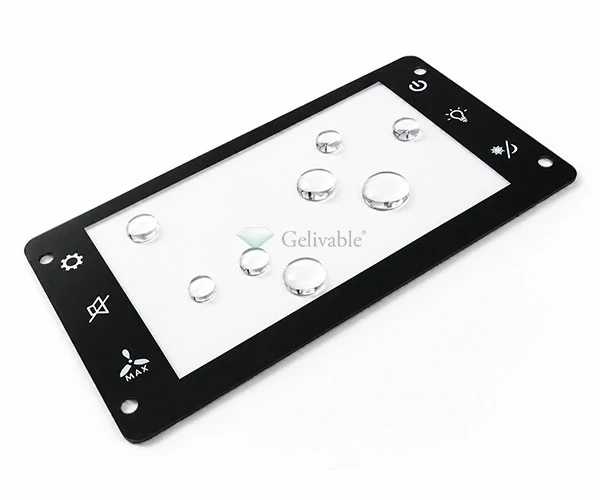
Examples of ultra thin glass components for display, sensing, optical and electronic applications. Dimensions, shapes, printed areas, coatings and other processing requirements can be customized according to your drawing.
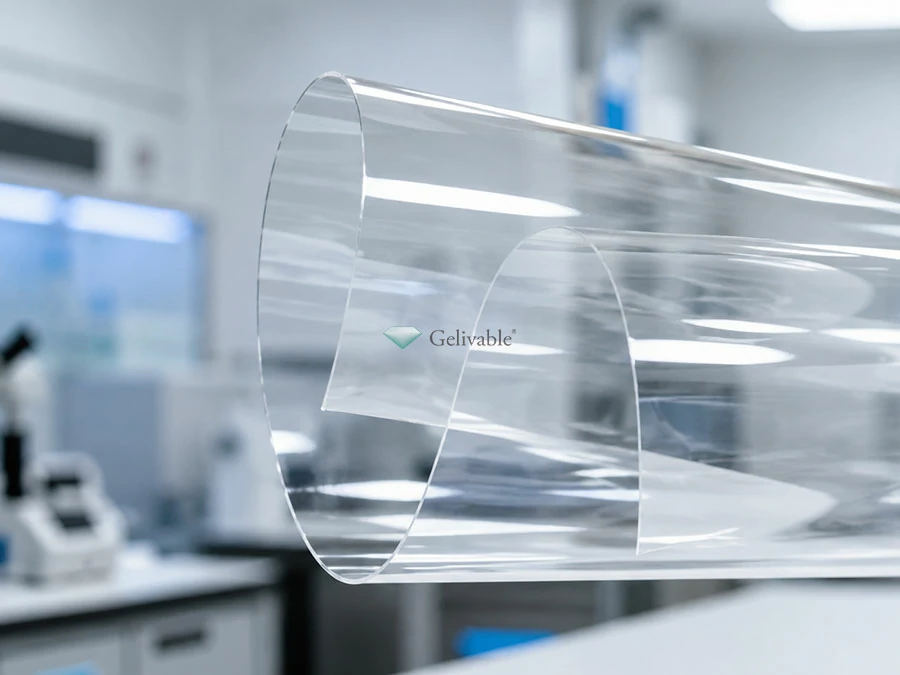
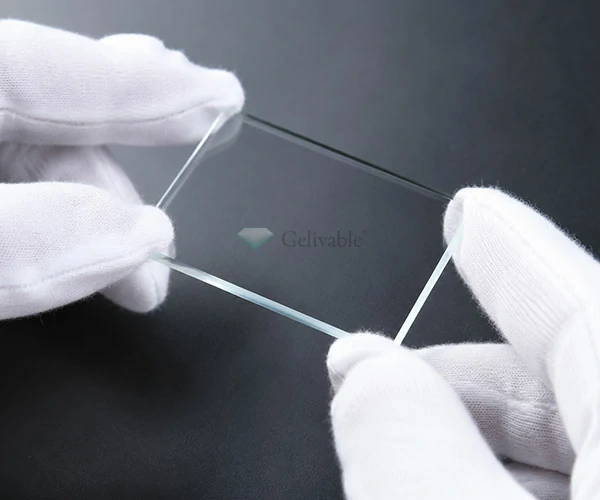
Reduced glass thickness helps lower component weight and supports thinner device structures, making ultra thin glass useful for compact displays, sensors and precision electronic assemblies.
Selected thin glass materials provide clear optical performance and smooth surfaces for display, imaging, sensing and other applications where light transmission and visual quality are important.
As glass becomes thinner, selected materials can accommodate tighter curvature than conventional thick glass. Actual bending capability depends on glass composition, thickness, edge quality, strengthening and finished-part design.
Ultra thin glass can be combined with compatible printing, optical coatings, conductive coatings and other surface treatments to support display, sensor and electronic-device requirements.
Ultra thin glass specifications vary by material, thickness and processing method. The following table summarizes the main parameters considered when developing a custom glass component.
| Parameter | Typical Values / Project Description |
|---|---|
| Thickness | Ultra thin glass is available in sub-millimeter thicknesses depending on the selected glass material. Please provide the target thickness so material availability and processing feasibility can be reviewed for the project. |
| Size & Shape | Custom dimensions and shapes can be produced according to drawings. Available size, geometry and structural features depend on glass thickness, material and the selected fabrication process. |
| Optical Properties | Optical transmission, refractive index, surface quality and spectral performance depend on the selected glass composition, thickness and any functional coating applied to the surface. |
| Mechanical Performance | Strength and bending behavior depend on glass composition, thickness, surface condition, edge quality, processing method and strengthening condition. |
| Flexibility | Selected ultra thin glass materials can provide increased flexibility at reduced thickness. Required bending performance should be evaluated together with the material, thickness and finished device structure. |
| Surface Treatments | Available project options can include anti-reflective, anti-glare, anti-fingerprint, optical and transparent conductive coatings, subject to glass-material and process compatibility. |
| Custom Processing | Precision cutting, laser processing, printing, chemical strengthening, surface coating and adhesive bonding can be evaluated according to the material, thickness and finished-part design. |
Note: Ultra thin glass properties vary significantly by glass composition, thickness and processing condition. Final specifications should be confirmed according to the selected material and approved project drawing.
Ultra thin glass is used in display, sensing, optical and advanced electronic applications where reduced thickness, low weight, smooth surfaces and precise glass performance are important.
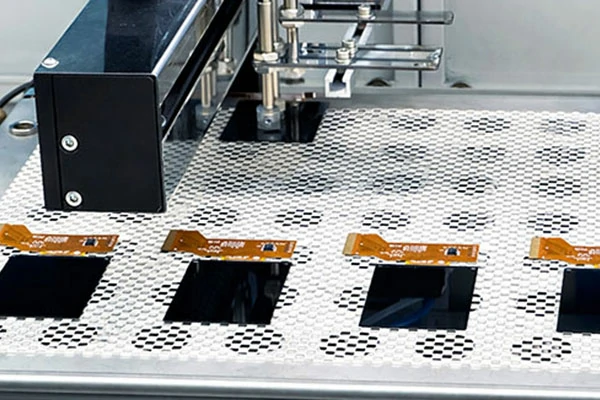
Ultra thin glass can be used in display and touch-related assemblies where reduced thickness, low weight, optical clarity and smooth surface quality are required.
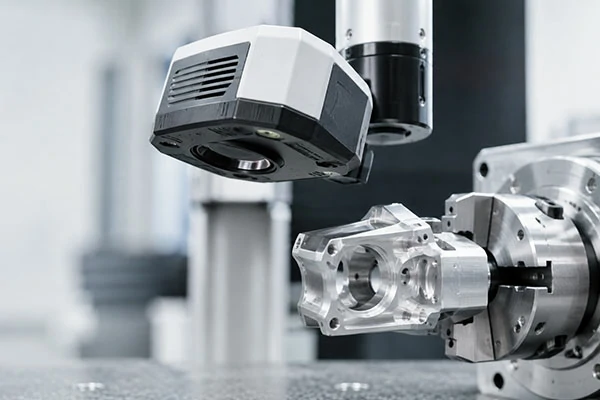
Thin glass can be processed for sensor covers, optical windows, imaging components and other precision systems requiring controlled thickness and optical performance.
Ultra thin glass can serve as a substrate, protective layer or precision component in selected semiconductor, electronic and miniaturized-device applications.
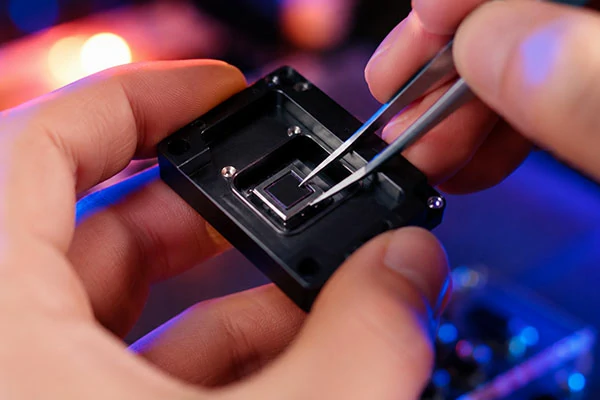
Thin precision glass can be used for selected diagnostic, laboratory, imaging and analytical equipment where compact dimensions, transparency and controlled glass thickness are important.
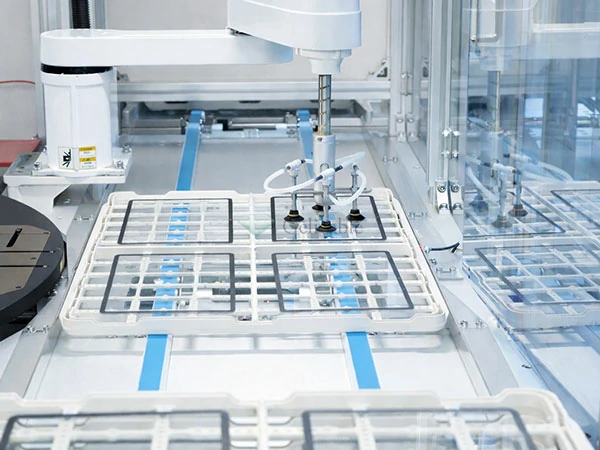
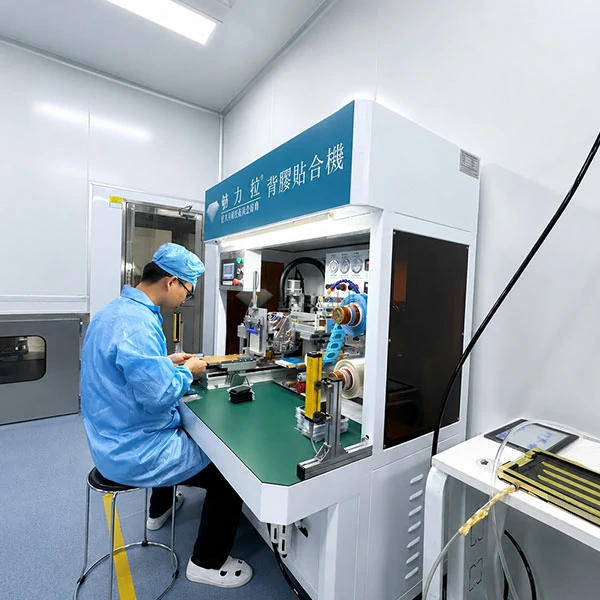
Processing ultra thin glass requires careful consideration of thickness, material properties, part geometry and handling requirements. GelivableGlass can evaluate precision cutting, laser processing, printing, surface treatments, strengthening and bonding according to the finished component design.
Precision cutting supports custom dimensions and component shapes while helping maintain controlled edges and consistent part geometry.
Custom outlines and structural features can be evaluated according to the selected glass thickness, material and finished-part geometry.
Edge condition is especially important for thin glass components. Suitable edge finishing can be selected according to thickness, geometry and mechanical requirements.
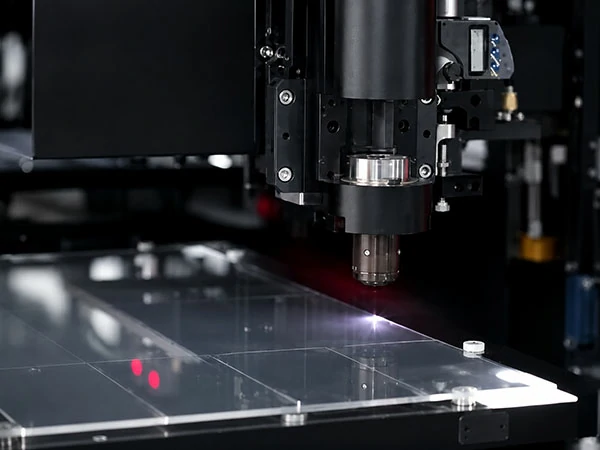
Laser processing can be evaluated for selected ultra thin glass cutting, drilling, engraving and marking requirements where the material, thickness and part design are suitable for the process.
The appropriate laser process depends on the selected glass composition, thickness, required geometry and finished-edge requirements.
Silk-screen printing can be used for borders, masking areas, logos, icons and functional graphics on compatible thin glass components.
Digital printing supports detailed graphics, customized patterns and more complex visual designs for selected glass applications.
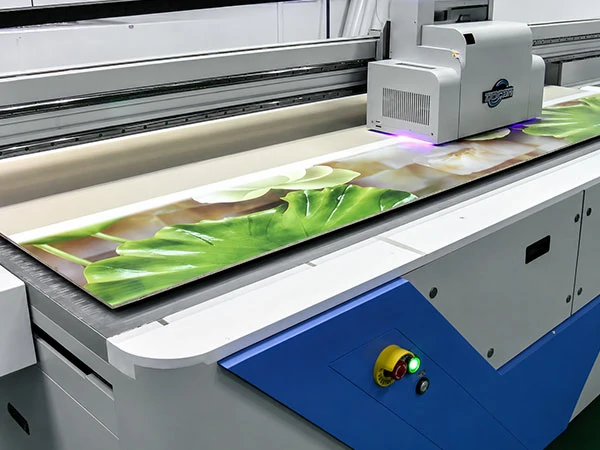
UV printing can be used for customized markings and decorative graphics where the glass material and finished-product requirements allow.
AR coating reduces surface reflection and can improve optical transmission for display, optical and sensing applications.
AG treatment reduces strong glare and visible surface reflection where thin glass is used in front of displays or illuminated interfaces.
AF coating helps reduce fingerprints and oily marks while making frequently handled glass surfaces easier to clean.
ITO coating provides a transparent conductive layer for selected touch, sensing and electronic applications where material and process compatibility are confirmed.
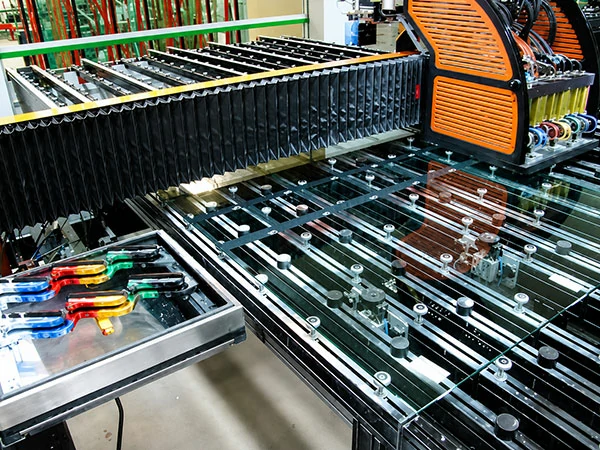
Chemical strengthening can improve the mechanical performance of compatible thin glass through ion exchange. Suitability depends on glass composition, thickness, dimensions and finished-part requirements.
Not every ultra thin glass material can be chemically strengthened in the same way. The base glass and strengthening requirement therefore need to be reviewed together.
Adhesive films and bonding materials can support the integration of ultra thin glass with displays, sensors, optical assemblies and other device components.
Bonding design should consider glass thickness, supporting substrate, adhesive construction, alignment requirements and the mechanical structure of the finished assembly.
Send us your drawing, target glass thickness, dimensions, quantity, application and required processing such as cutting, printing, strengthening, coating or adhesive bonding.
GelivableGlass supports custom ultra thin glass projects from drawing and material review through sample development, precision fabrication, surface treatment and production.
Glass material and thickness are reviewed according to optical, mechanical, dimensional and processing requirements instead of using one specification for every project.
Precision cutting, laser processing, printing, strengthening, functional coatings and bonding can be evaluated as part of the finished glass component.
We support drawing review, sample development, design validation and scalable production for custom ultra thin glass projects.
Ultra thin glass is glass manufactured at a significantly reduced thickness compared with conventional flat glass. Depending on the material and thickness, it can combine low weight, optical clarity, smooth surface quality and increased flexibility.
Available thickness depends on the selected glass family and project requirements. Ultra thin glass materials are produced in sub-millimeter thicknesses, and the appropriate material should be selected according to the target thickness, dimensions and required processing.
No. Reduced thickness generally allows selected glass materials to accommodate tighter curvature, but actual flexibility depends on glass composition, thickness, edge condition, surface quality, strengthening and the finished-part design.
Selected glass compositions can be chemically strengthened. The strengthening process and resulting performance depend on the material, thickness and finished geometry, so compatibility must be evaluated for each project.
Yes. Custom dimensions and shapes can be evaluated according to drawings. Processing feasibility depends on glass material, thickness, part geometry and the required structural features.
Yes. Depending on material and application requirements, compatible options can include anti-reflective, anti-glare, anti-fingerprint, optical and transparent conductive coatings.
Ultra thin glass is used in displays, touch sensors, optical and imaging components, electronic devices, semiconductor-related components and selected medical or laboratory instruments where reduced thickness and precise glass performance are important.
Please provide the target thickness, dimensions, quantity, application and required processing. A drawing is recommended for parts requiring custom shapes, openings, printing, coatings, strengthening or bonding.
Read technical articles about ultra thin glass, precision glass fabrication, functional coatings, display glass and advanced glass processing.
View All BlogSend us your drawing, target thickness, dimensions, quantity and application requirements. GelivableGlass can review suitable materials and fabrication options for your custom ultra thin glass component.
Contact our team for material review, sample development, fabrication planning and quotation support.