2026-11-03
Why We Upgraded a Customer's Robot Camera Cover Glass to Gorilla Glass—at No Extra Cost
The cost of one small camera cover glass and the reputation of an entire robot are never on the same scale.Recently, an ···
Read More
GelivableGlass provides custom Panda Glass processing for display cover glass, touch screen glass and precision protective windows, with cutting, precision machining, drilling, edge finishing, chemical strengthening, printing, AG/AR/AF surface treatments, bonding and final inspection.
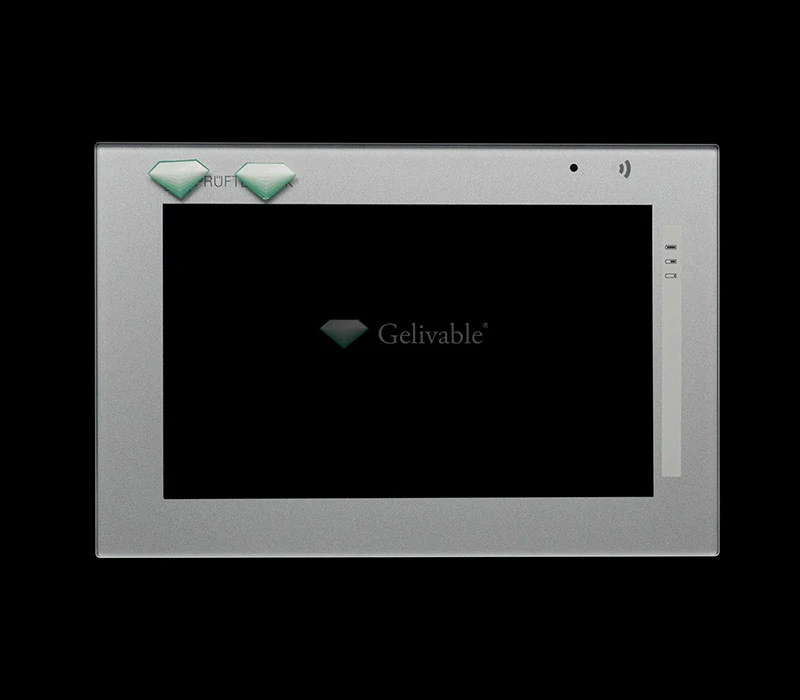
Panda Glass is a China-made high-aluminosilicate cover-glass material developed for protective display applications. Panda-MN228 is described by its material manufacturer as an ultra-thin high-aluminosilicate cover glass with flexural-strength, scratch-resistance and impact-resistance characteristics for protective display use.
For custom cover-glass projects, GelivableGlass can combine Panda Glass with precision cutting, machining, holes, slots, cutouts, edge finishing, chemical strengthening, printing, AG/AR/AF treatments and adhesive integration. Final material grade, thickness, finished geometry and strengthening target should be confirmed from the customer drawing and application requirements.
Get a QuotePanda Glass is suitable for thin protective components where optical clarity, surface durability and chemical strengthening are important. Finished parts can be processed with custom outlines, display windows, touch areas, mounting holes, slots, cutouts and other drawing-defined features.
Material availability varies by Panda Glass grade and thickness. The current Panda-MN228 manufacturer information lists a broad production thickness range, while actual stock and processing suitability should be confirmed for each project before production.
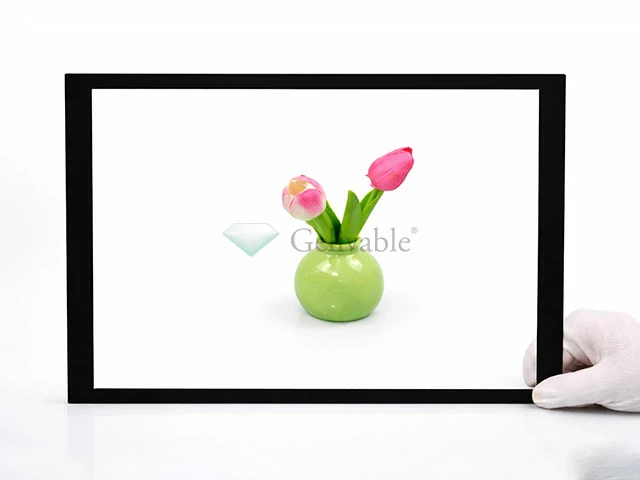
Custom Panda Glass can be processed as protective cover glass for LCD, TFT and other customer-supplied display assemblies that require a clear, durable front surface.
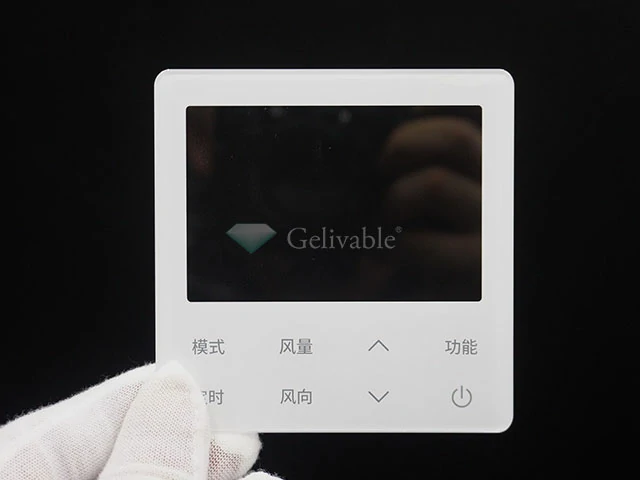
Thin Panda Glass can be used as touch screen cover glass where dimensional control, optical quality and strengthened surface performance are required.
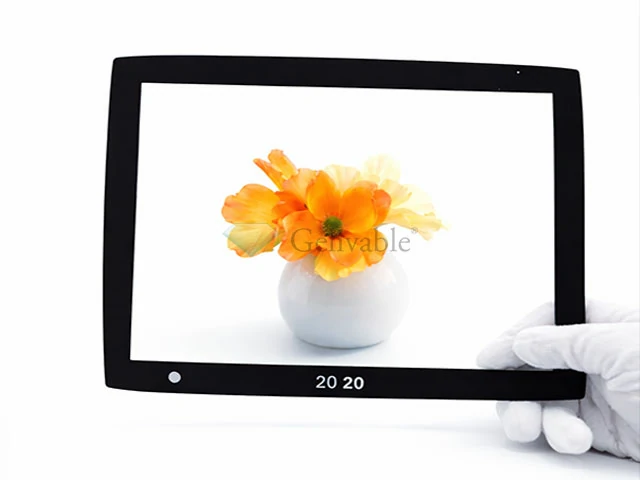
Panda Glass can be machined into protective windows for sensors, cameras and instrument openings when the optical, size and edge requirements are defined.
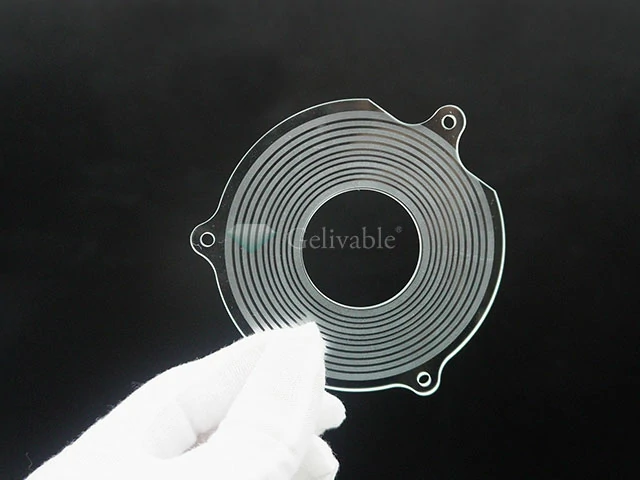
Non-standard outlines, rounded corners, holes, slots and other drawing-defined features can be evaluated through CNC glass machining and edge finishing.
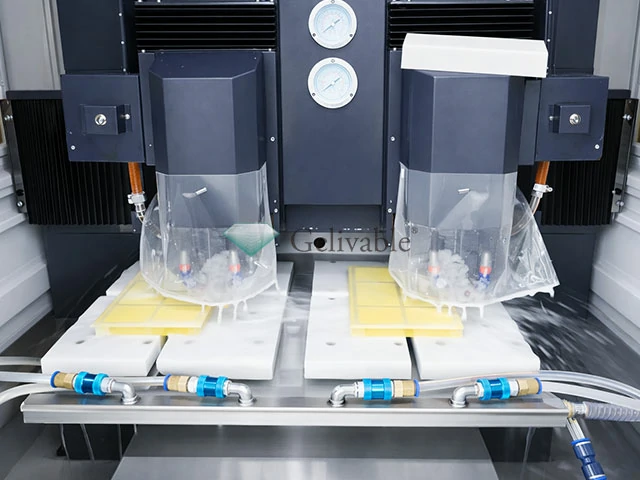
Precision cutting and machining can produce custom outlines, holes, slots, cutouts, chamfers and finished edges according to the part drawing and glass thickness.
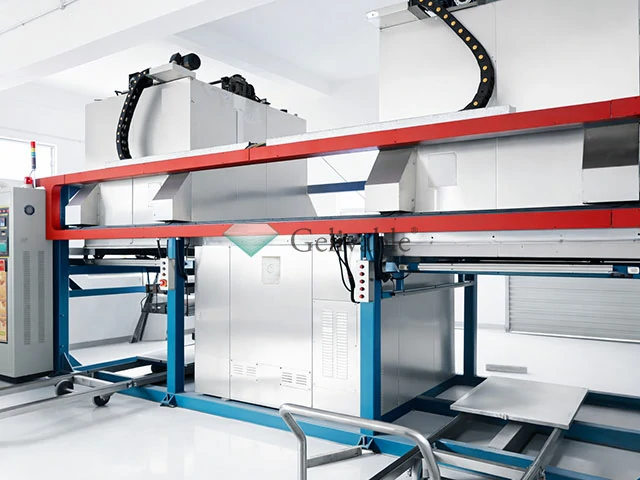
Panda Glass is designed for chemical strengthening. Final CS and DOL targets should be defined according to the material grade, thickness, finished geometry and required part performance.
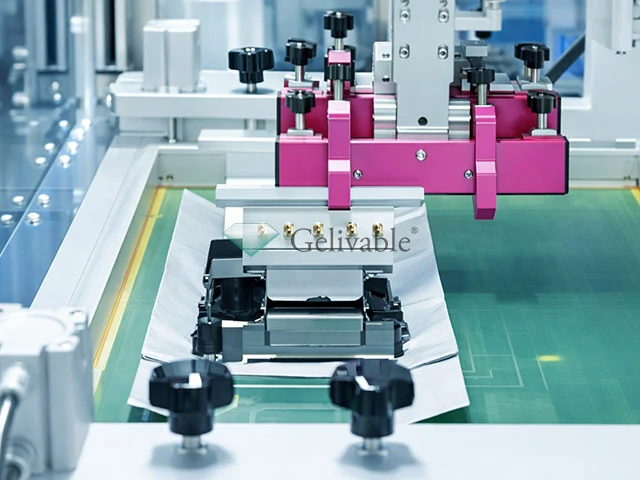
Silk-screen printing plus AG, AR and AF surface treatments can be evaluated according to the required appearance, reflection, glare, optical and touch-surface performance.
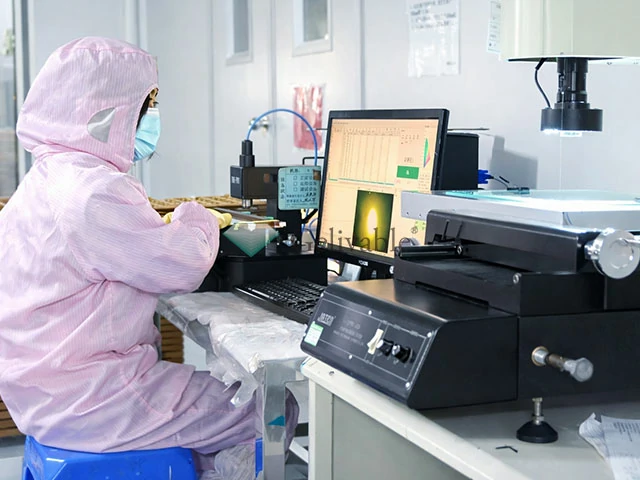
Finished parts can be checked for dimensions, cosmetic appearance, edge quality and specified functional requirements, with adhesive or component integration available for suitable projects.
| Glass Type | High-aluminosilicate cover glass |
|---|---|
| Density | 2.47 ± 0.03 g/cm³ |
| Thermal Expansion | 98.0 ± 2 × 10⁻⁷ /°C |
| Softening Point | 830 ± 10°C |
| Annealing Point | 606 ± 10°C |
| Strain Point | 558 ± 10°C |
| Young's Modulus | 75.6 GPa |
| Shear Modulus | 30.7 GPa |
| Poisson's Ratio | 0.23 |
| Refractive Index | 1.51 |
| Vickers Hardness | Approx. 700 HV after strengthening, according to the Panda-MN228 manufacturer reference |
| Item | Reference | Project Note |
|---|---|---|
| Visible Transmittance | Approx. 92% at 550 nm | GelivableGlass published reference for Panda Glass; actual result varies with thickness and surface treatment. |
| Chemical Strengthening | CS > 650 MPa; DOL ≥ 40 μm | GelivableGlass published high-aluminosilicate Panda Glass reference. Final target should be confirmed for the selected grade and thickness. |
| Manufacturer Strengthening Example | 0.55 mm: CS ≥ 750 MPa; DOL ≥ 35 μm | Panda-MN228 manufacturer recommendation; strengthening conditions and finished geometry affect the result. |
| Production Thickness | Manufacturer lists 0.25–10.0 mm for current MN228 production | This is a material-manufacturer production range, not a promise of GelivableGlass stock. Confirm grade and availability before ordering. |
| Standard Sheet Size | 1300 × 1100 mm (G5); 1850 × 1500 mm (G6) | Manufacturer reference; finished custom parts are processed according to drawing and available sheet stock. |
| Surface Treatment | AG / AR / AF options | Compatibility and final performance should be reviewed together with glass thickness, strengthening and printing requirements. |
Panda Glass is used as protective cover glass for display, touch and precision equipment interfaces where thin construction, optical clarity and chemically strengthened surface performance are important.
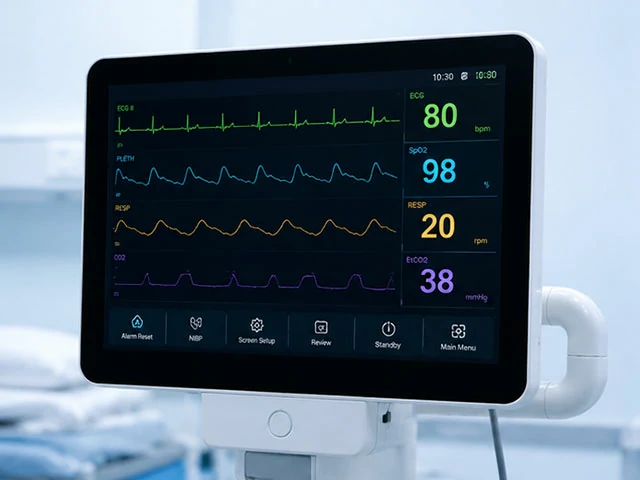
Panda Glass can be used for medical displays, diagnostic equipment interfaces and other professional cover-glass applications requiring clear viewing and durable touch surfaces.
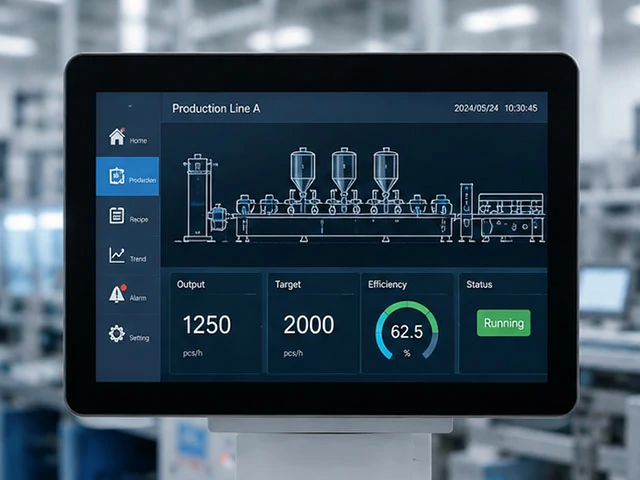
Custom Panda Glass can protect machine interfaces, industrial touch screens and control panels while maintaining a clear display viewing area.
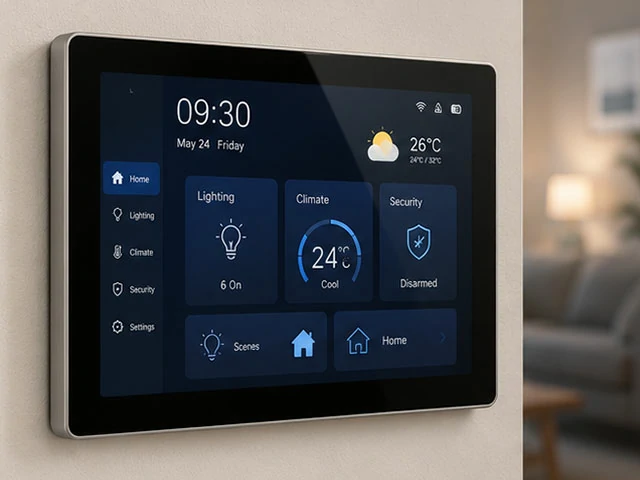
Wall controllers, smart switches and connected-home interfaces can use printed and strengthened Panda Glass as a durable decorative touch surface.

Panda Glass can be used as protective cover glass for ticketing machines, fare collection terminals, station control equipment and other public-service interfaces that require durable, clear front glass.

Chemically strengthened Panda Glass can be evaluated for outdoor displays, charging equipment and control interfaces where the cover glass must withstand frequent operation and changing environmental conditions.
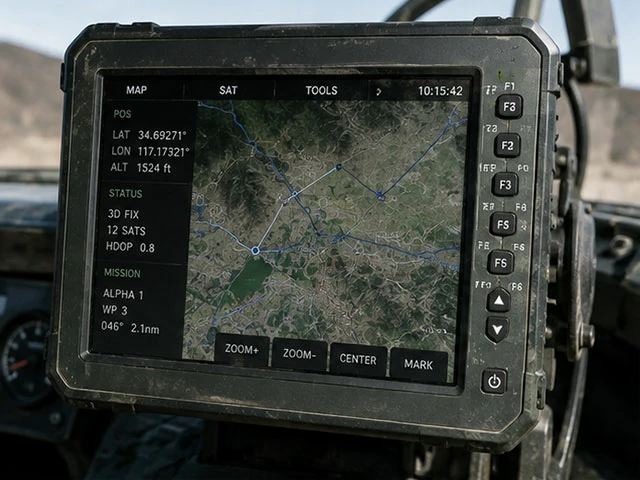
Custom Panda Glass can be processed for specialized equipment interfaces that require non-standard shapes, precision machining, chemical strengthening, printing or functional surface treatments.
Panda Glass is a high-aluminosilicate cover-glass material suited to protective display applications that require thin construction, chemical strengthening, optical clarity and resistance to surface damage.
Panda-MN228 is a high-aluminosilicate cover glass developed for protective display applications, providing a material structure suitable for thin, strengthened glass components.
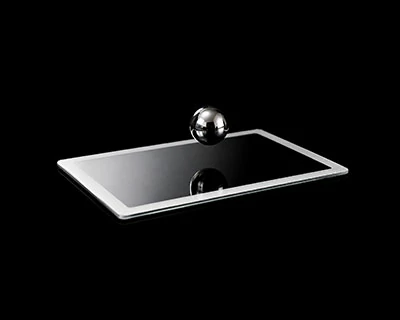
Panda Glass is designed for chemical strengthening. Panda-MN228 manufacturer data provides strengthening references with surface compressive stress above 800 MPa under selected processing conditions.
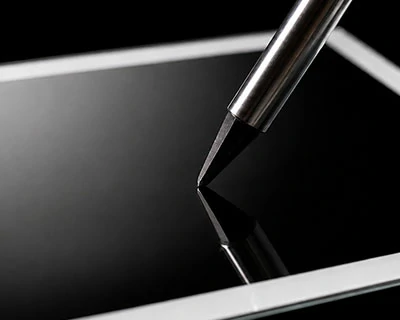
The Panda-MN228 material specification identifies scratch resistance, flexural strength and impact resistance as key performance characteristics for protective cover-glass applications.
Panda-MN228 is designed as an ultra-thin cover-glass material. The manufacturer lists production thicknesses starting from 0.25 mm, supporting thin display and touch-interface designs.
Send the target size, thickness, quantity, application and required machining, strengthening, printing or coating processes. Material grade and availability can be reviewed during quotation.
GelivableGlass can combine Panda Glass material selection with precision fabrication, chemical strengthening, printing, AG/AR/AF surface treatment and downstream bonding support to produce finished cover-glass components to customer drawings.
Precision machining, drilling, cutouts, edge finishing and other drawing-based processes can be planned around the selected Panda Glass thickness and finished geometry.
Chemical strengthening, printing and AG/AR/AF surface options can be evaluated as part of the complete Panda Glass cover specification.
Dimensions, appearance, edge quality and agreed functional requirements can be inspected against the approved project specification before shipment.
Panda Glass is a China-made high-aluminosilicate cover-glass material family. Panda-MN228 is described by its manufacturer as an ultra-thin high-aluminosilicate cover glass developed for protective use on portable display equipment.
Yes. Panda Glass is designed for chemical strengthening. The finished surface compressive stress and depth of layer depend on material grade, glass thickness, strengthening conditions and part geometry, so the required CS and DOL should be defined for the project.
GelivableGlass publishes a reference visible transmittance of approximately 92% at 550 nm for Panda Glass. Actual transmittance depends on thickness and any printing, coating or surface treatment applied to the finished part.
The current Panda-MN228 manufacturer page lists a production thickness range from 0.25 mm to 10.0 mm, with multiple common stocked thicknesses. This manufacturer range does not mean every thickness is always stocked by GelivableGlass, so material grade and availability should be confirmed during quotation.
Yes. Panda Glass can be processed into custom outlines, holes, slots, cutouts and finished edges before chemical strengthening. Final machining tolerance depends on the material grade, thickness, geometry and edge requirements.
Yes, these treatments can be evaluated for Panda Glass cover-glass projects. The process route should be reviewed together with chemical strengthening, printing, optical targets and the finished product structure.
Panda Glass is used for protective display and touch cover applications. Manufacturer and industry references include portable display devices, smartphones, tablets and wearables, while custom cover-glass suppliers also use it for industrial HMI, medical equipment and smart-device interfaces.
Yes. GelivableGlass can process Panda Glass to customer drawings with custom outlines, holes, slots, cutouts, edge finishing, chemical strengthening, printing, AG/AR/AF surface treatments and bonding requirements.
Please provide the drawing, finished dimensions, thickness, quantity, Panda Glass grade if specified, machining features, strengthening requirements, printing artwork, surface-treatment requirements and any bonding or inspection requirements.
Panda Glass is a high-aluminosilicate material with stronger chemical-strengthening capability and higher published optical performance than standard soda-lime cover glass references. Soda-lime glass is generally the more economical material. Selection should consider thickness, impact requirement, optical target, machining, coatings and project budget.
Read technical articles about Panda Glass, high-aluminosilicate cover glass, chemical strengthening, precision glass fabrication, printing and AG/AR/AF surface treatments.
View All Blog
The cost of one small camera cover glass and the reputation of an entire robot are never on the same scale.Recently, an ···
Read More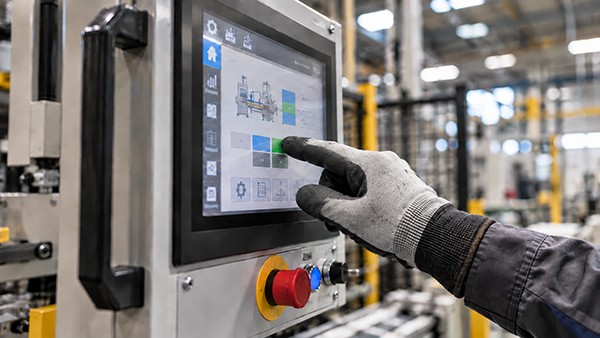
An industrial touchscreen may be used hundreds of times per shift. Operators might wear gloves, work under bright overhe···
Read More
Recently, I have been thinking carefully about how we should explain an important change to our customers—and, more impo···
Read MoreSend us your drawing, target size, thickness, quantity and processing requirements. We can review Panda Glass grade, precision machining, chemical strengthening, printing, AG/AR/AF treatments and bonding around the finished part.
Contact our team for material selection, machining review, strengthening discussion, sample development and quotation support.