When Corning Gorilla Glass Becomes Essential | Gelivable
Why Some Applications Require Corning Gorilla Glass | GelivableWhy Some Applications Require Corning Gorilla GlassIn man···
Read MoreCustom touch screen glass and cover lenses for touch panels, HMI displays and interactive equipment, with precision machining, printed decoration, strengthening and functional surface treatments matched to the finished product design.
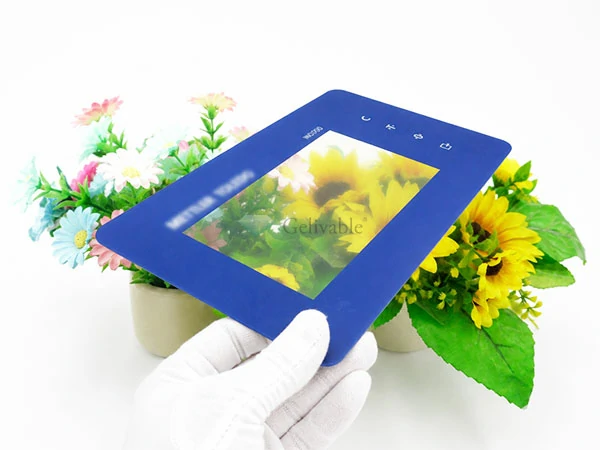
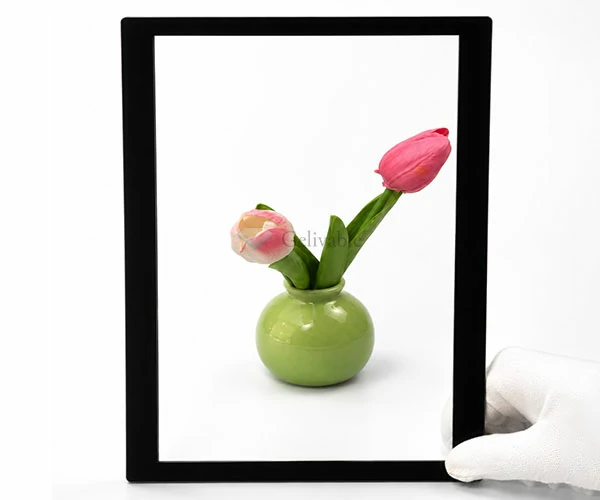
GelivableGlass manufactures custom touch screen cover glass and cover lenses for touch panels, control interfaces and interactive displays. Glass can be processed according to drawings with custom dimensions, holes, slots, viewing windows, edge profiles, printed borders, logos and functional graphics. Available options also include chemical strengthening, AG anti-glare, AR anti-reflective, AF anti-fingerprint treatment and adhesive bonding. Material, thickness and processing can be reviewed according to the touch-panel structure, display requirements and final equipment design.
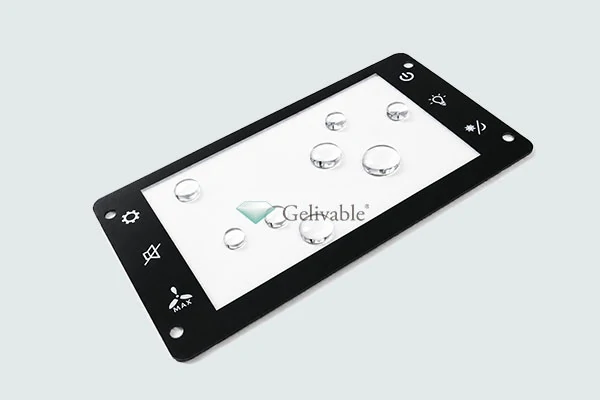
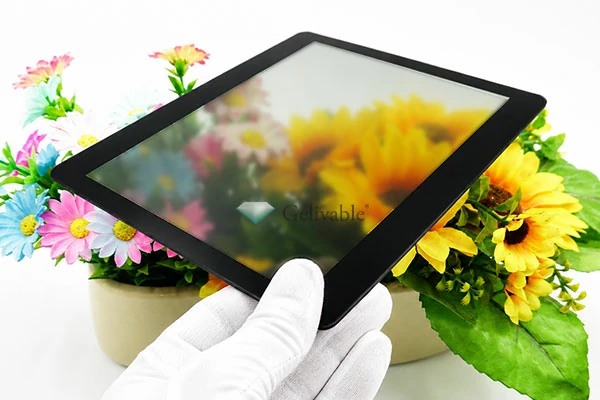
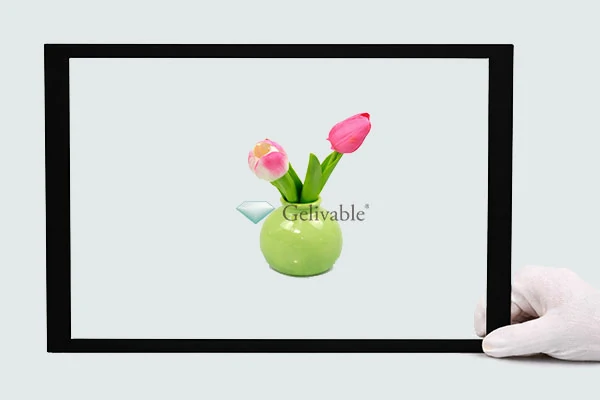
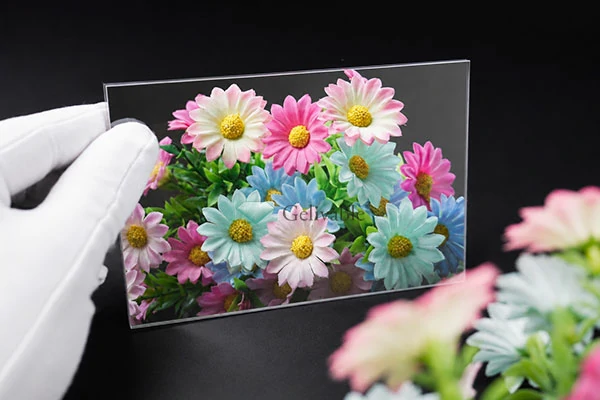
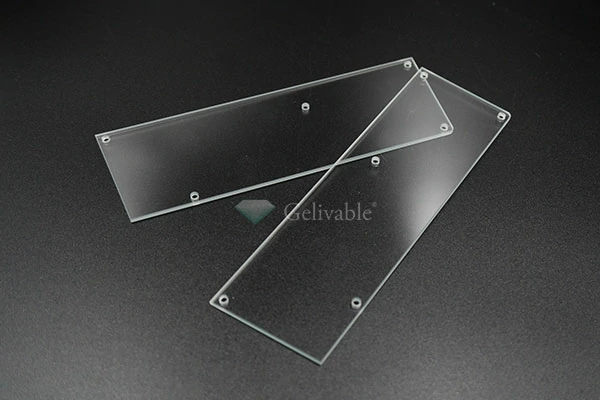
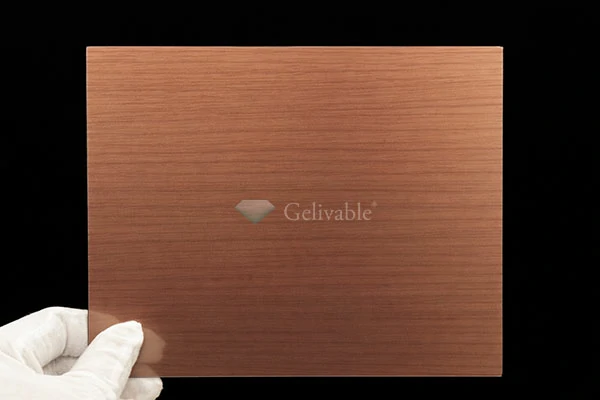
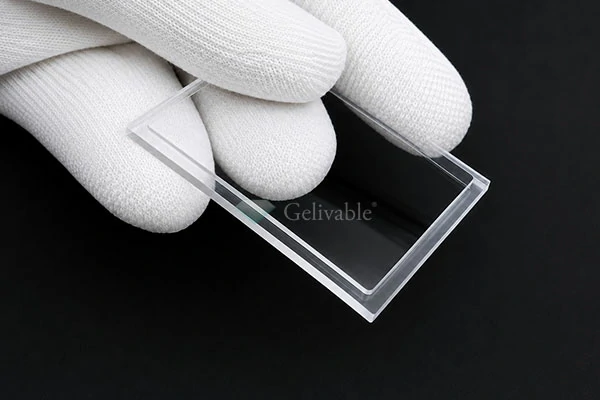
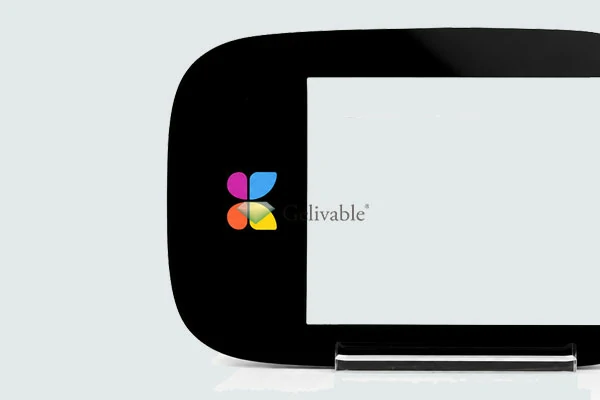
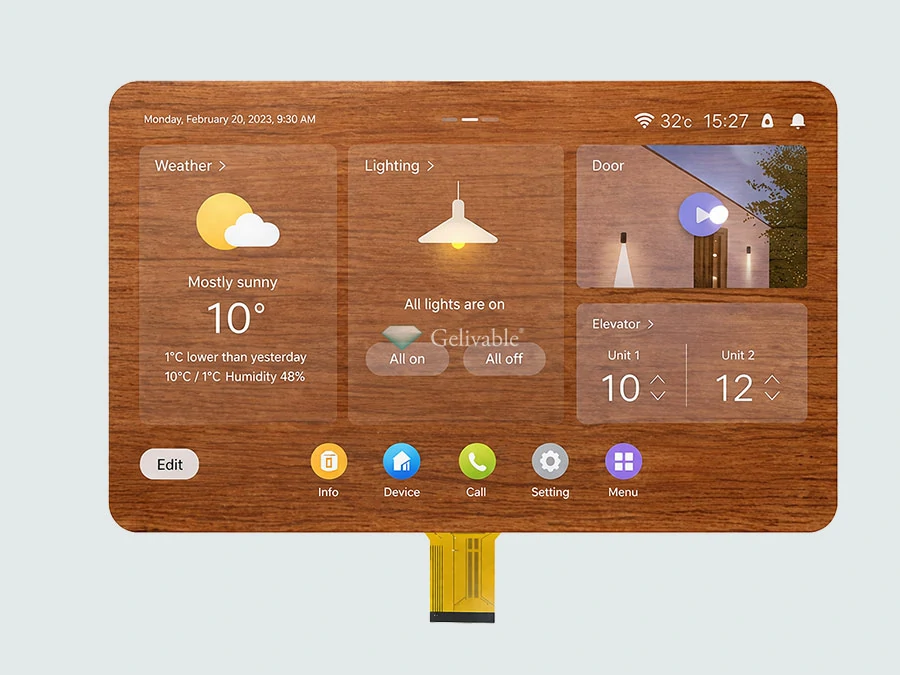
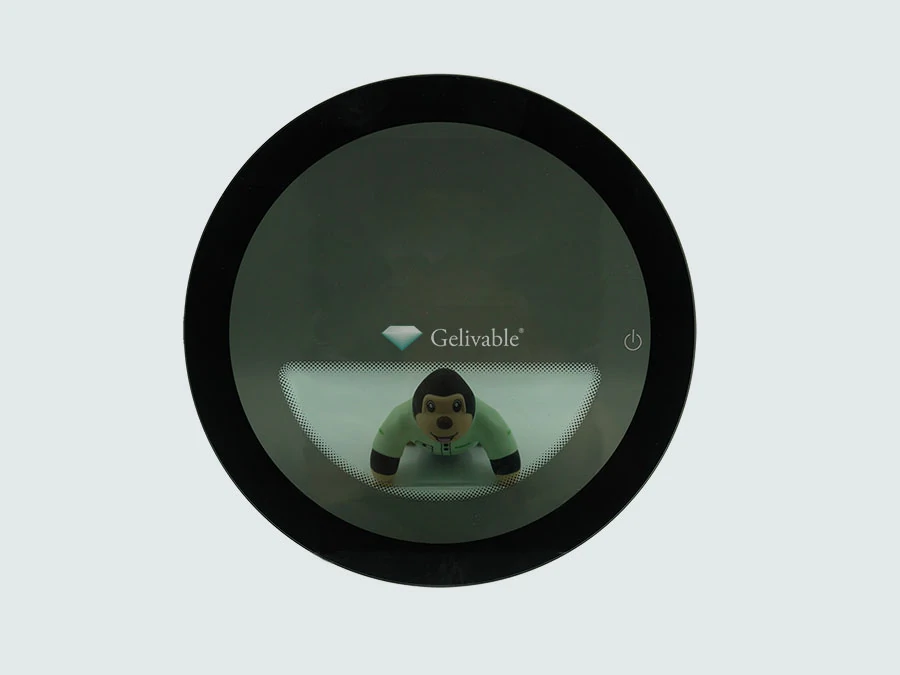
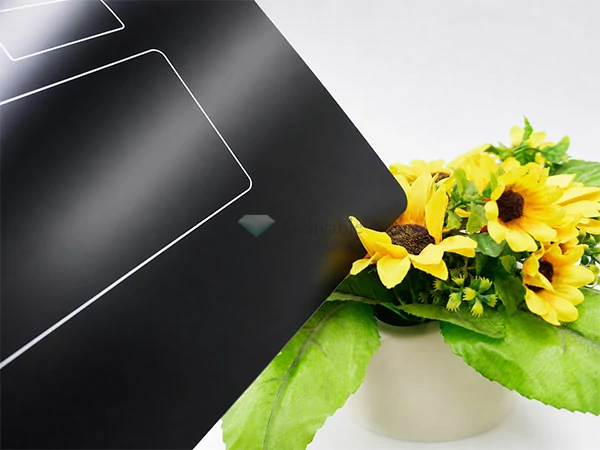
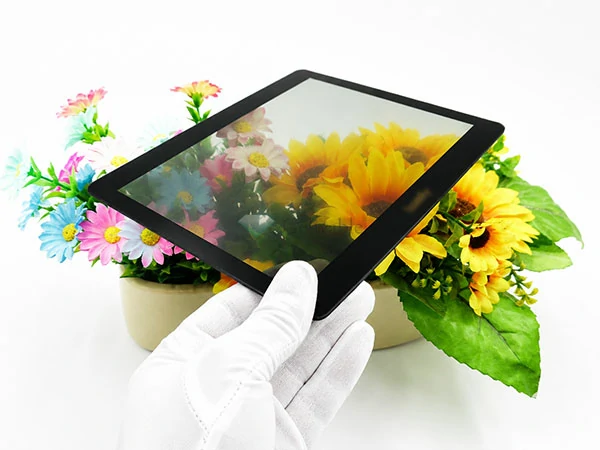
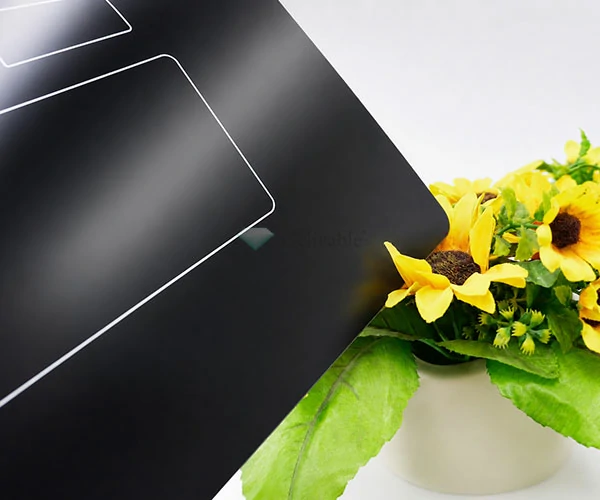
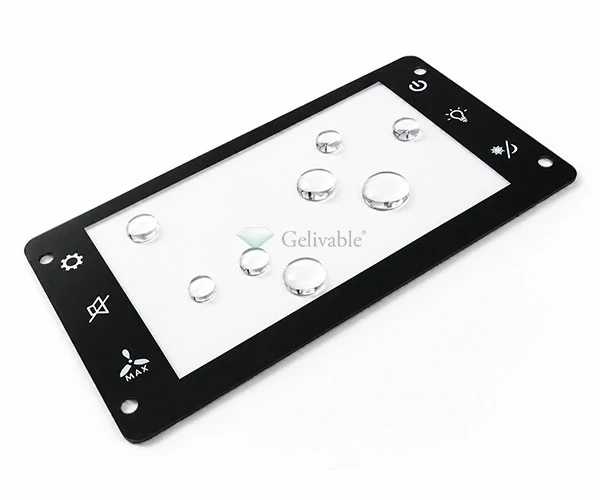
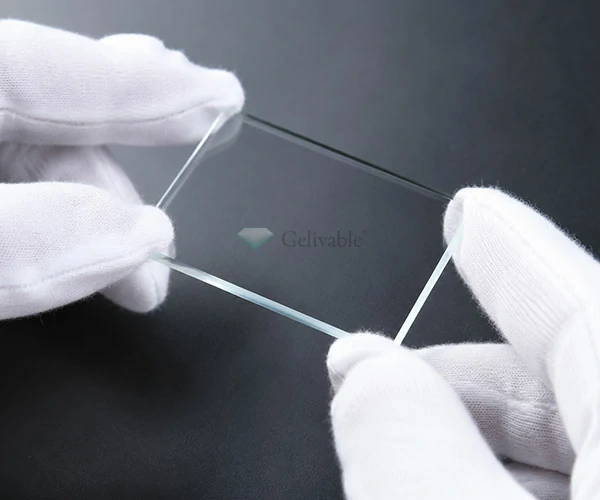
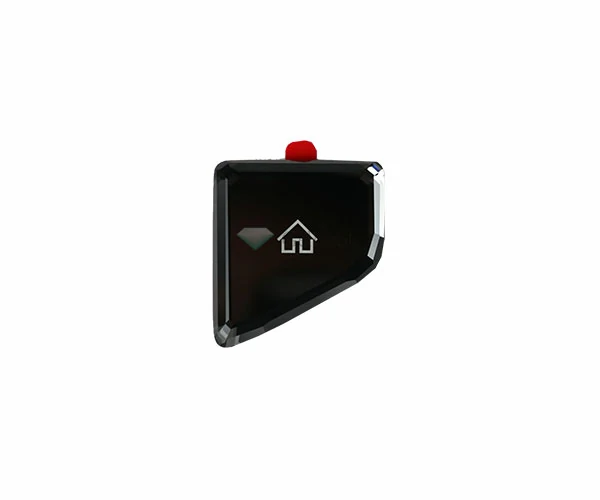
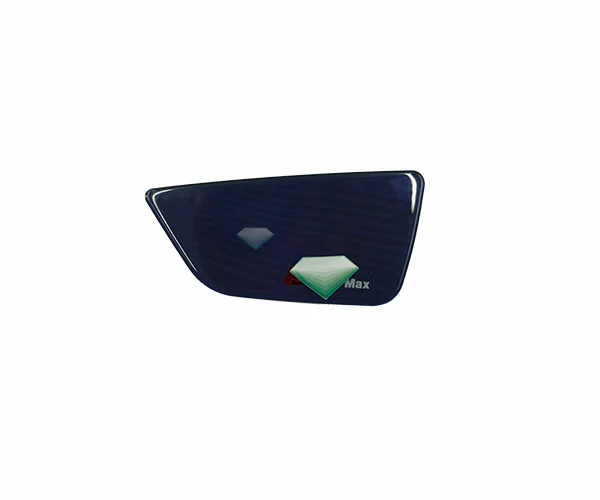
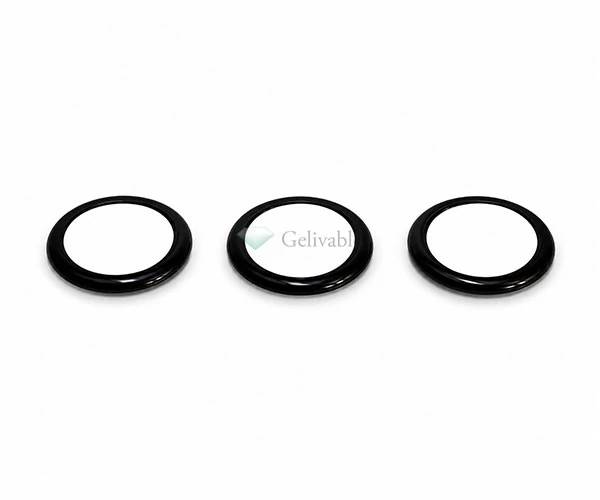
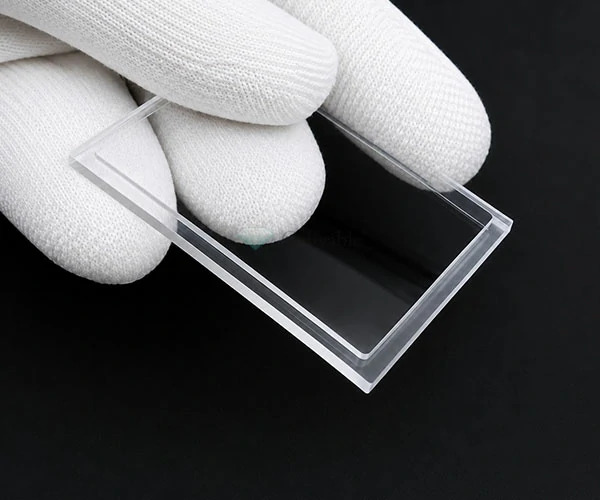
Examples of custom glass for touch panels and interactive displays. Sizes, shapes, openings, printed areas, edge profiles and surface treatments can be produced according to your drawing and assembly requirements.
Properly selected cover glass protects the touch panel and display underneath from scratches, handling and everyday surface contact. Glass material, thickness and strengthening can be selected according to the mechanical requirements of the finished equipment.
High-quality cover glass maintains a clear viewing path in front of the display. Optional AR anti-reflective or AG anti-glare treatment can be used when reflections or strong ambient lighting affect screen readability.
AF anti-fingerprint treatment can reduce visible fingerprints and oil marks while making frequently touched glass surfaces easier to clean and maintain.
Dimensions, thickness, openings, printed areas, edge profiles, coatings and bonding requirements can be customized around the touch panel, display module, housing and finished equipment structure.
Touch screen cover glass can be cut and CNC machined into rectangular, round and non-standard shapes with holes, slots, sensor windows, indicator openings and other structural features required by the finished interface.
Material and thickness can be selected according to the required strength, optical performance, touch-panel structure, overall product design and processing requirements.
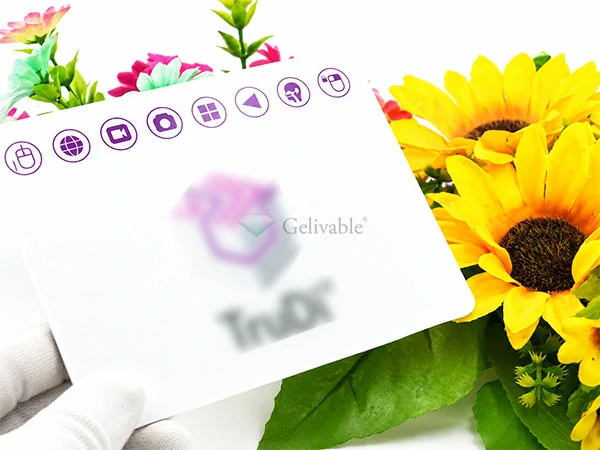
Black borders, colored frames, logos, icons, button markings, masking areas and other functional or decorative graphics can be printed according to the interface design.
AG anti-glare, AR anti-reflective and AF anti-fingerprint treatments can be selected according to ambient lighting, display readability, cleaning requirements and frequency of touch operation.
Cover-glass thickness, adhesive construction and the complete stack should be considered together with the touch module. For projected-capacitive touch systems, final touch performance should be validated with the selected sensor, controller and finished assembly.

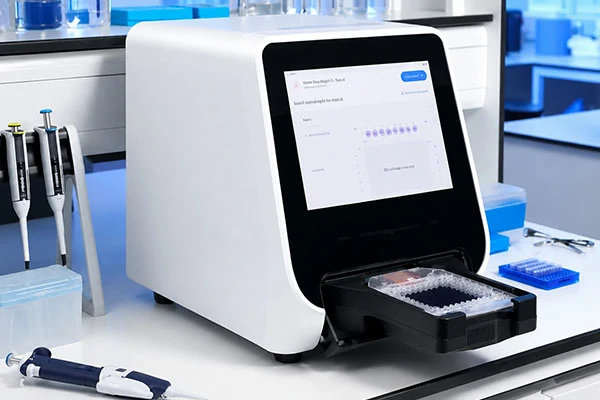
Custom touch screen glass is widely used as the protective and decorative cover layer for industrial HMI systems, medical equipment, self-service terminals and building-control interfaces where reliable touch operation, clear display viewing and durable front-surface protection are required.
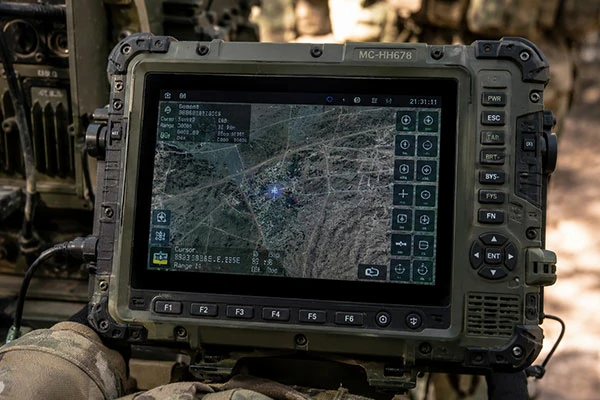
Custom touch screen glass is used for industrial HMI displays, machine-control panels, automation equipment and operator interfaces that require frequent touch operation, durable surface protection and precise integration with the equipment enclosure.
Touch screen cover glass can be customized for patient monitors, diagnostic instruments, treatment equipment and other medical interfaces where clear viewing, repeated operation and easy-to-clean surfaces are important.
Custom cover glass is suitable for self-service kiosks, POS systems, information terminals, check-in equipment and other commercial touch interfaces designed for frequent daily interaction.
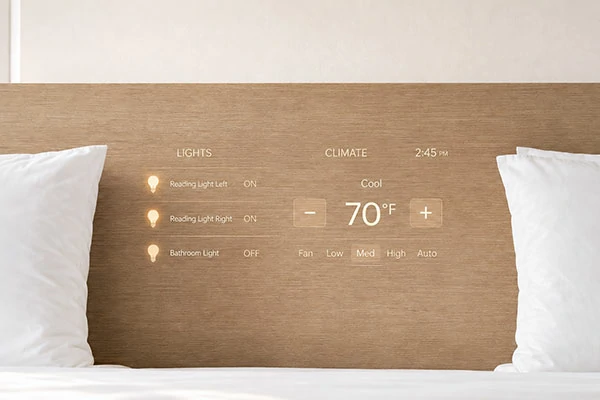
Touch screen glass can be produced for building-management panels, access-control systems, room controllers and other integrated control interfaces requiring a clean appearance, printed graphics and precise fit.
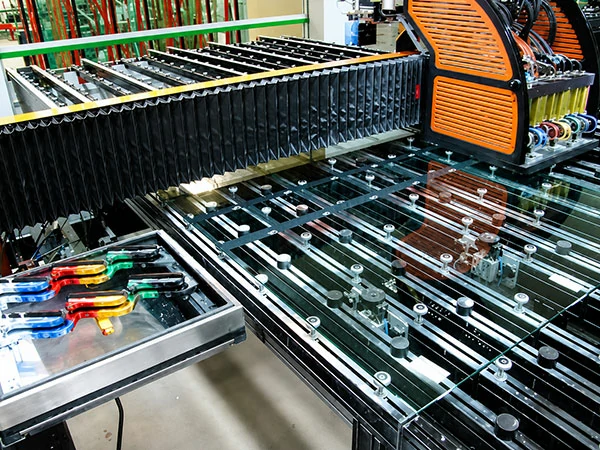
GelivableGlass supports the materials and fabrication processes commonly required for touch screen cover glass and touch-panel projects, including precision machining, printing, strengthening, functional surface treatments, edge processing and adhesive bonding. Process selection is reviewed according to the glass material, dimensions, touch-panel structure, optical requirements and final assembly.
Corning Gorilla Glass is a high-strength cover glass material valued for durability, scratch resistance and optical clarity in touch-screen and display applications.
AGC glass provides stable optical performance and reliable processing characteristics for touch panels, displays and custom cover-glass projects.
Panda Glass is a durable cover-glass material for projects requiring reliable strength, clear viewing and consistent surface quality.
Sapphire is an extremely hard transparent material used for selected protective windows and precision applications where very high scratch resistance is required.
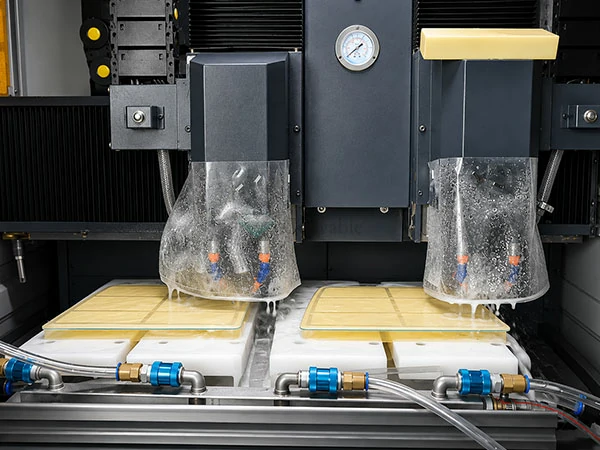
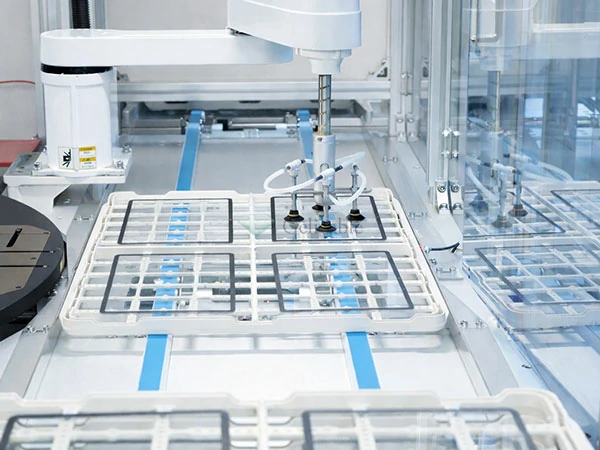
CNC glass machining supports precise drilling, milling, cutting and polishing for touch screen cover glass with holes, slots, windows and other structural features.
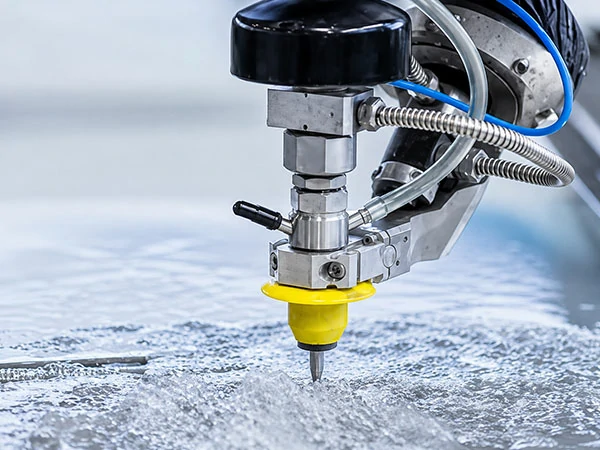
Water jet cutting can be used for selected custom glass profiles and complex shapes where a non-thermal cutting process is suitable for the project.
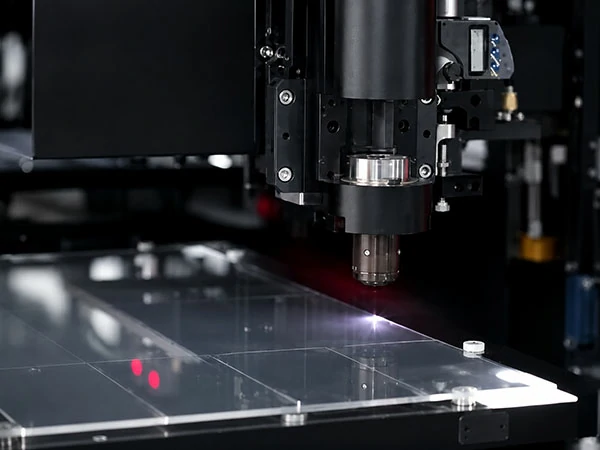
Laser processing can support precision cutting, drilling, engraving and marking for selected glass materials and detailed custom features.
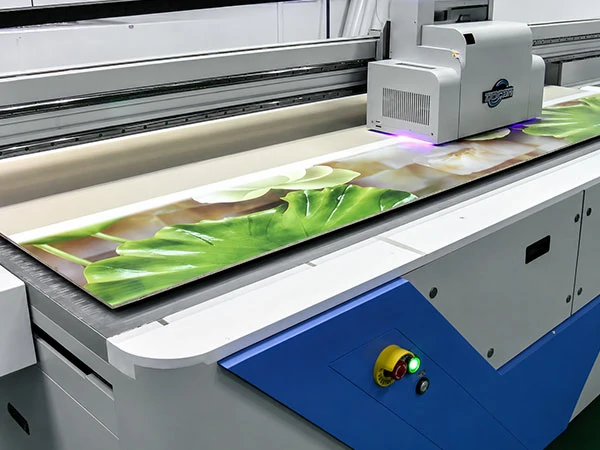
Silk-screen printing is commonly used to create black borders, colored frames, icons, logos, masking areas and functional graphics on touch screen cover glass.
Digital printing supports detailed graphics, customized patterns and multi-color visual designs for selected touch-interface glass projects.
UV printing cures specialized inks directly on the glass surface and can be used for customized graphics, markings and decorative elements.
Anti-reflective coating reduces surface reflection and increases transmitted light, helping touch displays remain clearer under demanding viewing conditions.
Anti-glare treatment reduces strong specular reflections and visible glare, making touch displays easier to view under bright or changing ambient lighting.
Anti-fingerprint treatment reduces visible fingerprints and oil marks and helps frequently touched glass surfaces remain easier to clean.
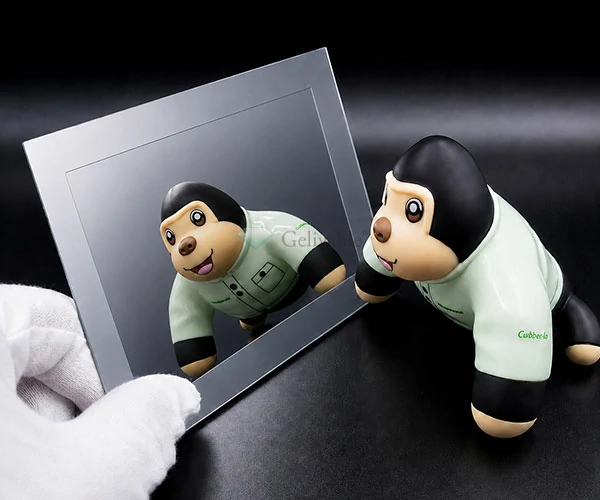
Mirror coating creates a reflective surface effect for selected integrated display, decorative and smart-interface applications.
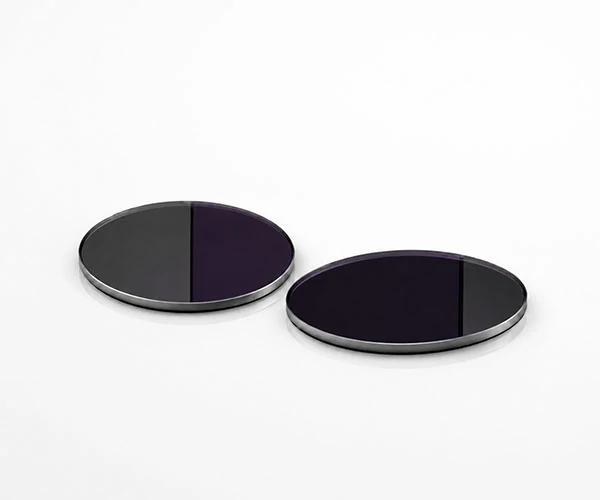
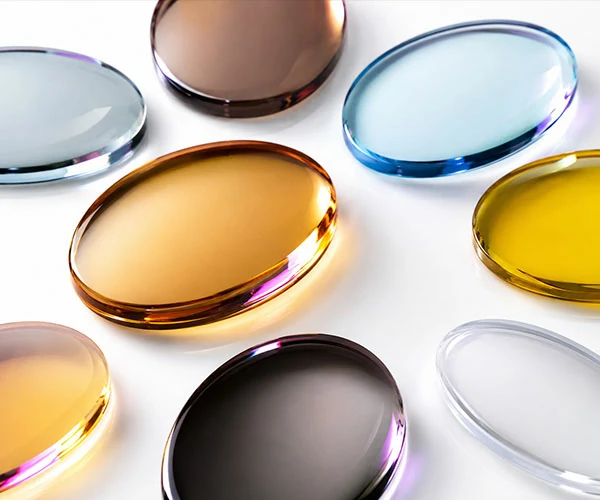
Optical coatings can modify reflection, transmission or other optical characteristics according to the viewing and functional requirements of the glass.
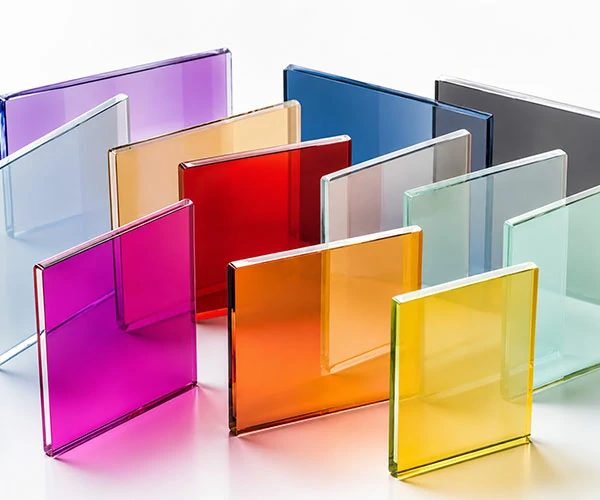
Color coatings can create customized appearance and visual effects for integrated equipment panels and other glass interface designs.
Chromium coating can provide a metallic appearance and functional surface characteristics for selected custom glass applications.
ITO coating provides a transparent conductive layer for selected touch, sensing and electronic glass applications. Finished sensor design and electrical requirements are reviewed separately according to project scope.
2D processing maintains a conventional flat-glass profile with finished edges for standard touch-panel and cover-glass designs.
2.5D edge processing creates a smoothly rounded edge transition for improved appearance, handling and integration into finished product housings.
3D processing supports selected curved and shaped glass structures for products requiring more complex surface geometry and integration.
Stepped edge processing creates a multi-level edge profile for special mounting, housing or assembly requirements.
Adhesive materials can be added according to the touch-panel structure and installation requirements to support integration of the cover glass with display modules, touch components, frames and equipment housings.
Adhesive type, thickness and application area can be reviewed according to the glass, mating surface, assembly method and finished-product requirements.
Proper adhesive selection helps support stable installation and consistent assembly of the finished glass component.
Adhesive bonding can be used for touch screen cover glass, display glass, control-panel glass and other custom glass component assembly requirements.
Send us your drawing, overall glass size, thickness, quantity, touch-panel application and required processing such as holes, printing, strengthening, AG/AR/AF treatment or adhesive bonding.
GelivableGlass supports custom touch screen cover-glass projects from drawing review and sample development through small-batch validation and production, with multiple fabrication and surface-treatment processes available in one workflow.
Dimensions, holes, cutouts, viewing areas, printed graphics, edge profiles and surface requirements can be reviewed from customer drawings or project specifications.
Cutting, CNC machining, strengthening, printing, coating, edge processing and adhesive bonding can be combined according to the finished touch-screen glass design.
We support sample development, design validation and scalable production for custom touch-panel and HMI cover-glass projects.
Touch screen glass generally refers to the glass cover or cover lens positioned at the front of a touch interface. It provides a protective and finished outer surface while allowing the display and underlying touch system to operate through the glass.
No. The cover glass is the outer protective and decorative layer. The touch sensor and controller are separate parts of the touch system. Depending on the touch-panel construction, the cover glass may be bonded to a sensor or display assembly.
Yes, cover glass is widely used over projected-capacitive touch systems. However, glass thickness, bonding structure, sensor design and controller settings all influence the finished touch system, so final compatibility should be validated with the complete touch module.
It can. The cover-glass thickness is part of the dielectric stack between the user's finger and the capacitive sensor. The suitable thickness therefore depends on the sensor design, touch controller, bonding structure and required mechanical protection.
Yes. Touch screen cover glass can be produced in custom sizes and shapes with holes, slots, cutouts, windows, rounded corners and different edge profiles according to drawings and processing feasibility.
Yes. AG anti-glare, AR anti-reflective and AF anti-fingerprint treatments can be selected according to ambient lighting, display requirements, cleaning conditions and frequency of touch operation.
Yes. Printing can be used for black borders, colored frames, logos, icons, button markings, masking areas and other decorative or functional graphics required by the touch-interface design.
Please provide the glass dimensions, thickness, quantity, application and required processing. A drawing is preferred when the part includes holes, cutouts, printed areas, special edges, coatings, strengthening or adhesive requirements. Information about the touch-panel structure is also helpful when integration needs to be reviewed.
Read technical articles about touch screen glass, touch-panel cover glass, display protection, surface treatments and precision glass fabrication.
View All BlogSend us your drawing, dimensions, thickness, quantity and touch-panel requirements. GelivableGlass can review the glass material, machining, printing, strengthening, surface treatment and bonding requirements for prototype, validation and production projects.
Contact our team for material review, sample development, fabrication planning and quotation support.