2026-10-14
Gorilla Glass for Industrial Touchscreens: Balancing Durability, Touch Performance, and Cost
An industrial touchscreen may be used hundreds of times per shift. Operators might wear gloves, work under bright overhe···
Read More
Custom tempered cover glass and precision glass panels made to customer drawings for displays, touch interfaces, equipment windows and protective panels, with pre-tempering cutting, drilling, edge finishing, printing and compatible surface treatments.
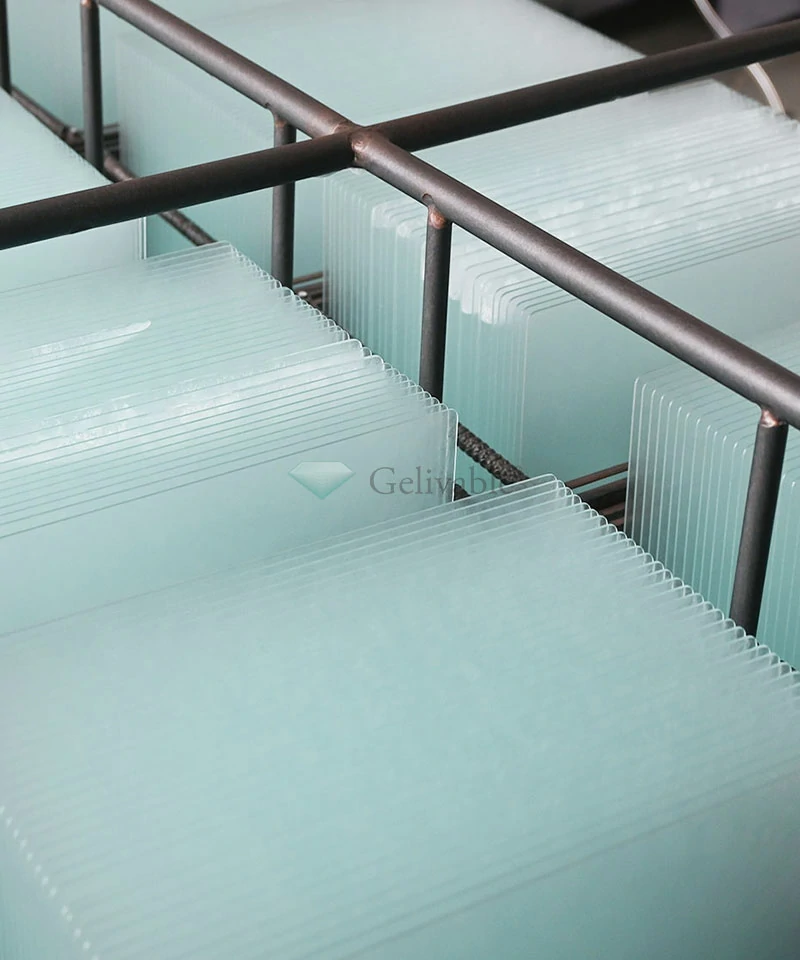
Fully tempered glass is designed to break into smaller, less-sharp fragments than ordinary annealed glass. This makes thermal tempering useful for cover glass, equipment windows and protective panels where safer breakage behavior is part of the finished-product requirement.
Thermal tempering creates surface compression that gives the finished glass higher mechanical strength than comparable annealed glass, subject to glass type, thickness, size and process conditions.
Tempered cover glass can be combined with compatible printing and surface treatments according to the glass material and process sequence, including project-specific AG, AR and AF options where technically suitable.
Tempered glass handles temperature changes better than annealed glass, making it useful where the glass may experience repeated heating and cooling.
Custom tempered glass can be produced to drawings with specified dimensions, shapes, holes, cutouts and edge profiles. Because fully tempered glass cannot be machined afterward, the complete geometry is defined before tempering.
Clear tempered glass can be used as cover glass, display protection glass and equipment windows where transparency, mechanical strength and a clean finished appearance are required.
For projects with defined impact requirements, glass material, thickness, dimensions, support condition and the specified test method should be reviewed against the customer requirement before production.
GelivableGlass manufactures custom tempered cover glass and precision tempered glass panels to customer drawings. Cutting, precision machining, drilling, cutouts and edge finishing are completed before thermal tempering, while printing, compatible surface treatments and bonding are planned around the material, tempering sequence and finished-part requirements.
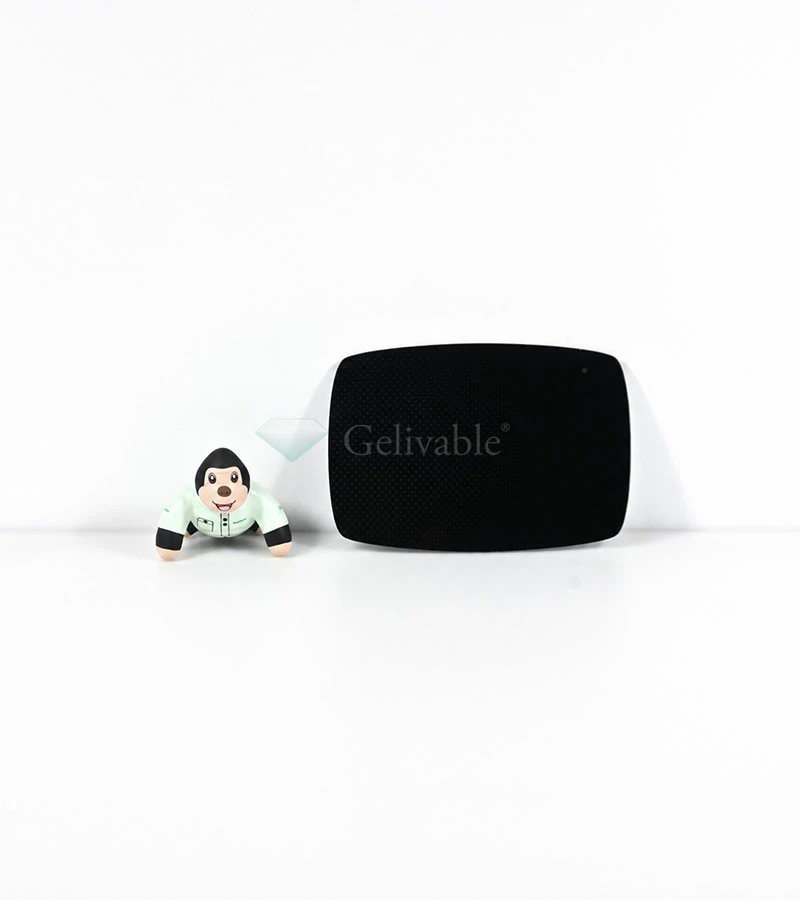
Tempered cover glass can be made to drawing with custom size, shape, edge profile, holes and cutouts for display protection, touch interfaces, industrial controls and technical equipment.
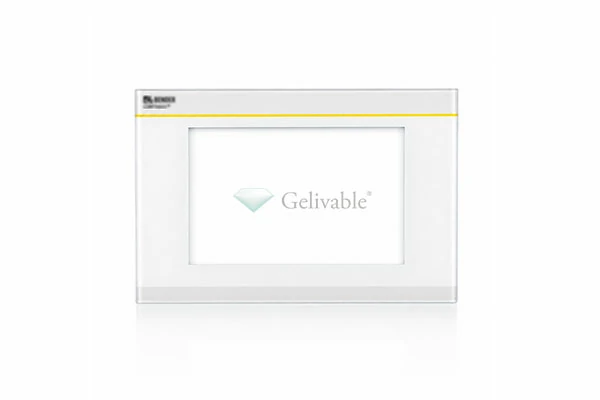
Tempered display cover glass can protect customer-supplied display and touch assemblies while maintaining the transparency required for screen viewing and interface operation.
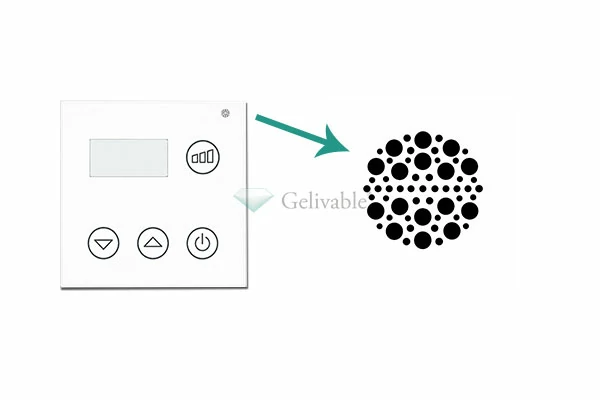
Glass printing can add borders, icons, logos, masking areas and functional patterns. The printing sequence is selected according to the ink system and glass tempering process.
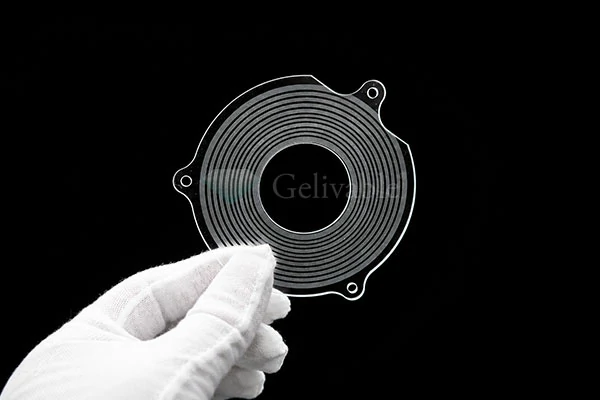
Non-standard parts can include custom sizes, holes, slots, cutouts, shapes and edge profiles. All cutting, drilling and structural machining are completed before thermal tempering, then compatible printing, surface treatment and bonding steps are applied according to the finished specification.
Custom tempered glass is defined by more than the tempering step itself. Material, thickness, finished dimensions, hole layout, edge quality, printing and surface requirements should be reviewed together because all structural machining must be completed before thermal tempering.
| Project Item | What to Confirm | Why It Matters |
|---|---|---|
| Glass Material | Clear, low-iron, tinted or other suitable thermally temperable glass | The material affects optical appearance, processing route and final tempering feasibility. |
| Finished Size & Shape | Overall dimensions, outline, corner geometry and dimensional requirements | The complete finished geometry must be established before tempering. |
| Holes & Cutouts | Hole diameter, position, spacing, slots, notches and internal cutouts | All drilling and structural machining are completed before thermal tempering. |
| Edge Finish | Polished, satin, seamed, beveled or other project-specific edge requirements | Edge quality affects handling, appearance and the reliability of the finished glass part. |
| Printing | Borders, logos, icons, masking areas and functional graphics | The printing method and ink system must be coordinated with the tempering sequence. |
| Surface Treatment | AG, AR, AF or other compatible surface requirements | Surface treatments should be selected according to optical targets and process compatibility. |
| Impact / Test Requirement | Customer test method, impact target or referenced standard where applicable | Evaluation should be based on the actual finished-part dimensions and project requirement. |
| Production Stage | Prototype, small-batch validation or repeat production | Sampling allows geometry, appearance and process sequence to be confirmed before batch production. |
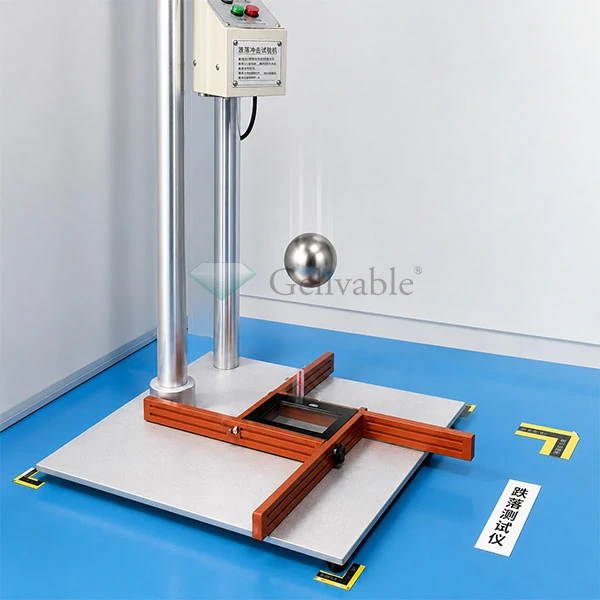
Cutting, holes, slots, cutouts, machining and edge finishing are completed before thermal tempering. Printing and compatible surface treatments are scheduled according to the selected material and finished-part specification.
Custom tempered glass is used for cover glass, display protection, touch interfaces, equipment windows and protective panels where higher mechanical strength and safer breakage behavior are required.

Custom tempered cover glass can protect customer-supplied display and touch assemblies where the finished front panel requires additional mechanical strength and precise fit.
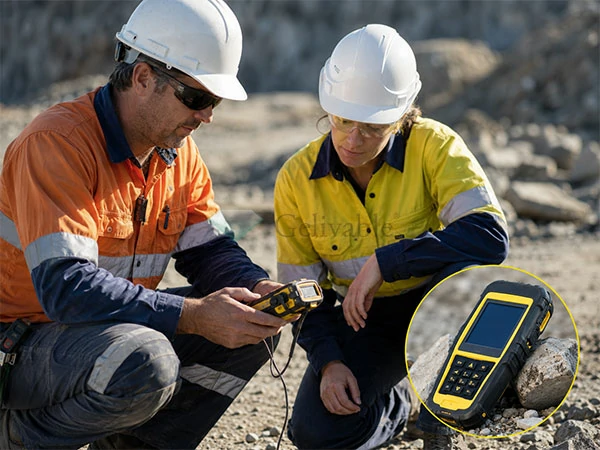
Tempered glass panels can be used on industrial controls, HMI interfaces and machine equipment that require a durable protective glass surface with custom geometry and openings.
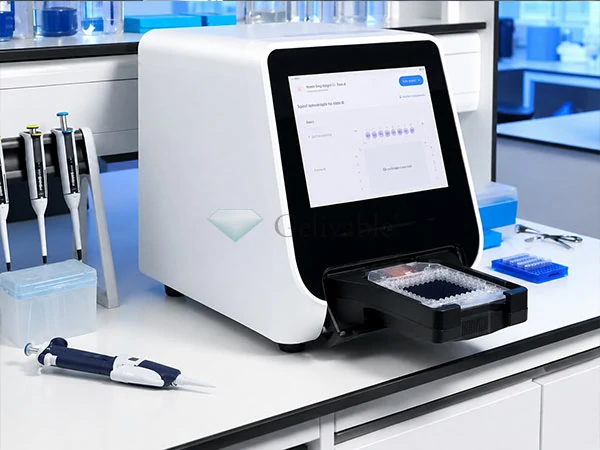
Tempered glass can be used on medical and laboratory equipment where a clean glass surface and reliable mechanical strength are required.

Equipment windows and protective panels can use thermally tempered glass where a transparent barrier needs improved mechanical strength, thermal-shock resistance and project-specific impact performance.
For custom tempered glass, process sequence is critical. Precision cutting, hole drilling, slots, cutouts, CNC machining and edge finishing are completed before thermal tempering. Printing, AG/AR/AF treatments and bonding are then selected according to the glass material and finished-part requirements.
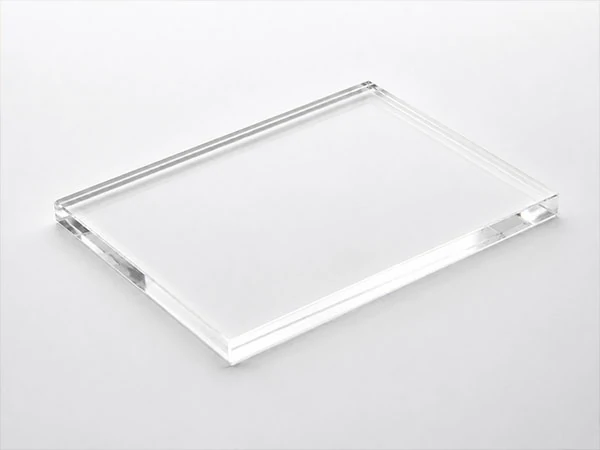
Ultra white glass offers high transparency and low iron content, making it suitable for clear cover glass, display panels and optical glass applications.
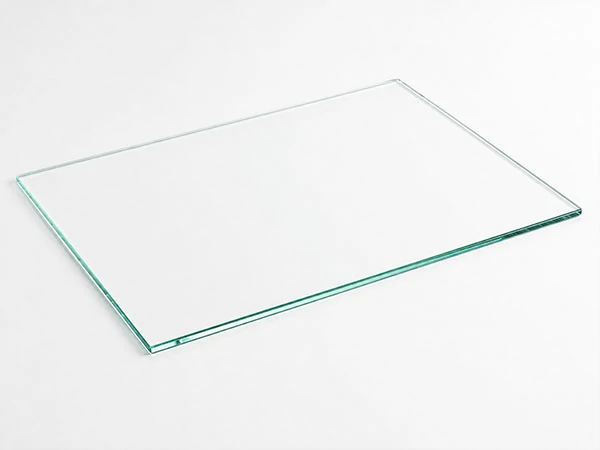
Standard clear glass provides stable transparency, reliable processing performance and cost-effective options for custom glass parts and touch panel cover glass.
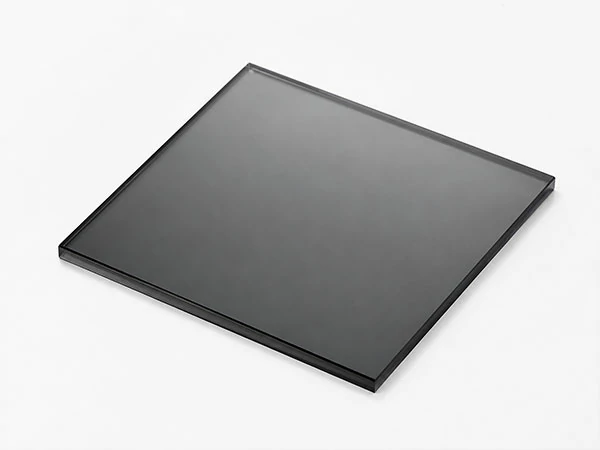
Tinted glass helps control light transmission and appearance, supporting customized visual effects for display glass, equipment panels and special glass components.
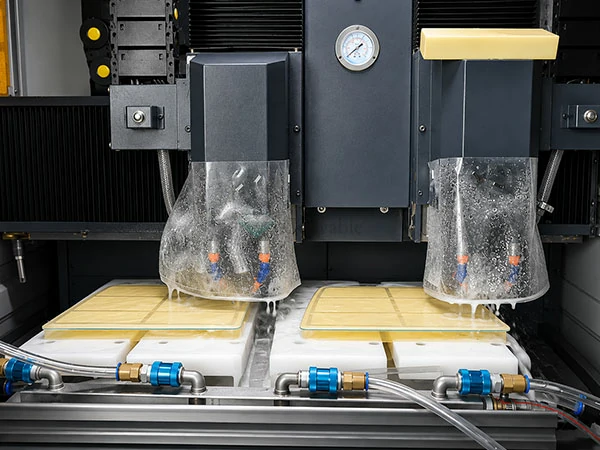
Precision machining is completed before tempering to create the required outline, holes, slots, cutouts and edge details. Once glass is fully tempered, structural machining should not be repeated.
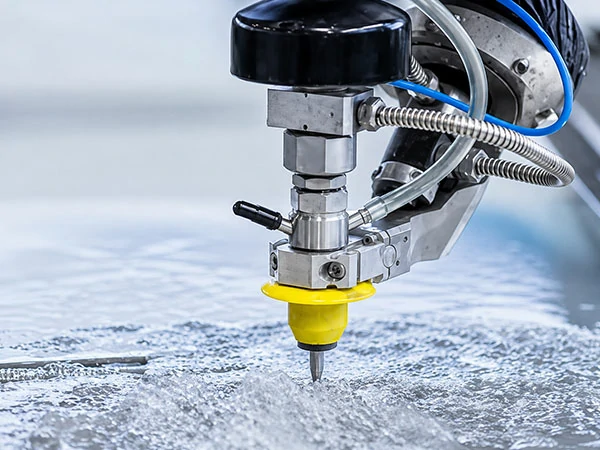
Water jet cutting can be used before tempering for selected custom profiles and cutouts where a non-thermal cutting method is preferred.
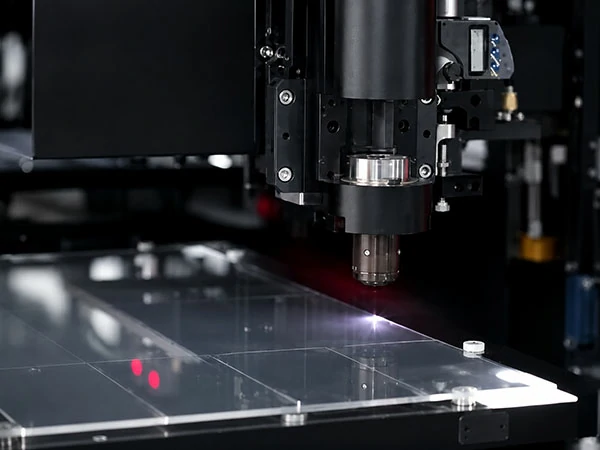
Laser glass processing can support precise cutting, drilling, engraving or marking for selected glass designs before the final tempering and finishing steps.
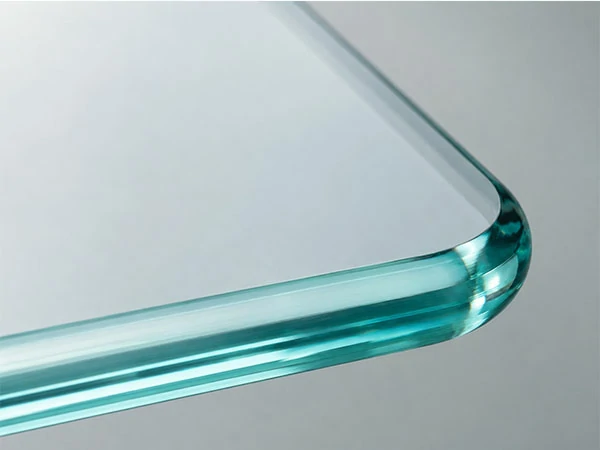
Pencil-polished edge treatment creates a smooth and shiny rounded glass edge, improving safety, touch feeling and visual quality.
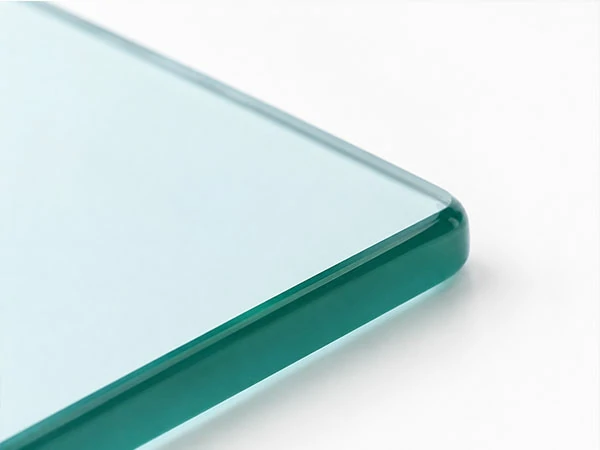
Pencil satin edge treatment provides a smooth matte finish for rounded glass edges, suitable for glass parts requiring a softer visual effect.
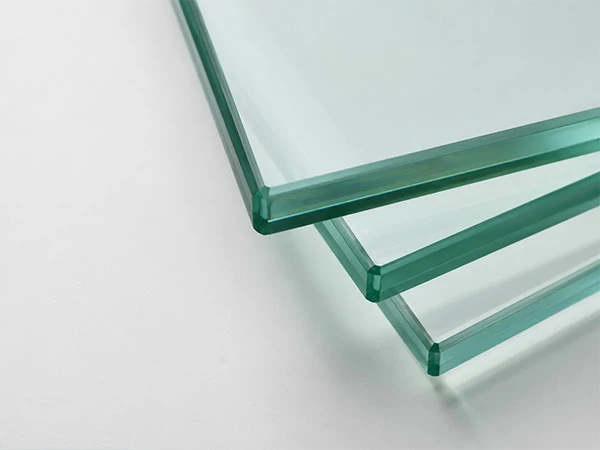
Flat-polished edge treatment provides a straight and smooth glass edge, suitable for cover glass, equipment panels and precision glass components.
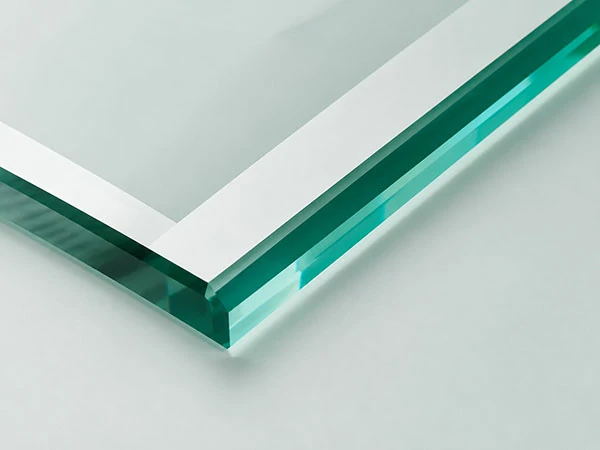
Beveled edge processing adds an angled edge surface to the glass, improving appearance and supporting customized glass design requirements.
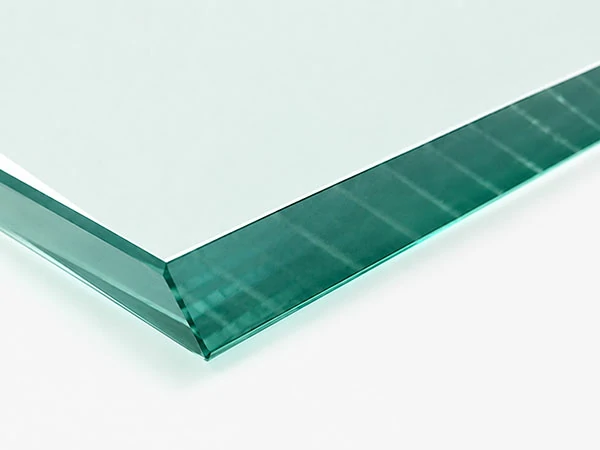
Miter edge treatment is suitable for angled joining, special assembly structures and customized glass parts requiring clean edge transitions.
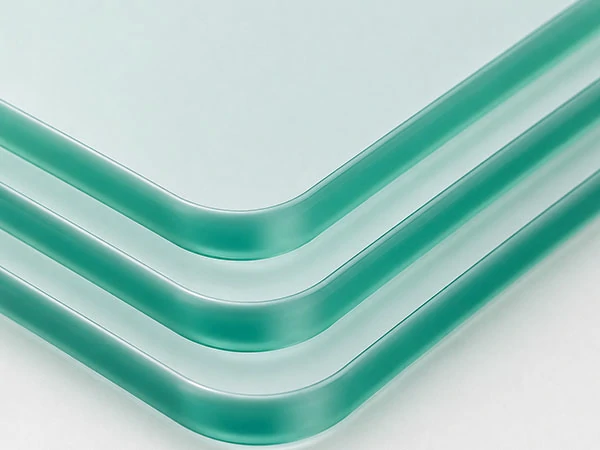
Seamed edge processing removes sharp edges through light grinding, providing a practical and cost-effective edge treatment for glass parts.
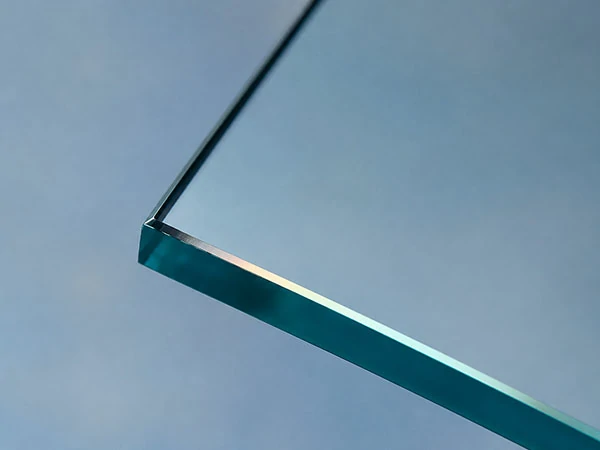
Flat satin edge treatment gives glass edges a matte appearance while maintaining a clean and stable finish for custom glass applications.
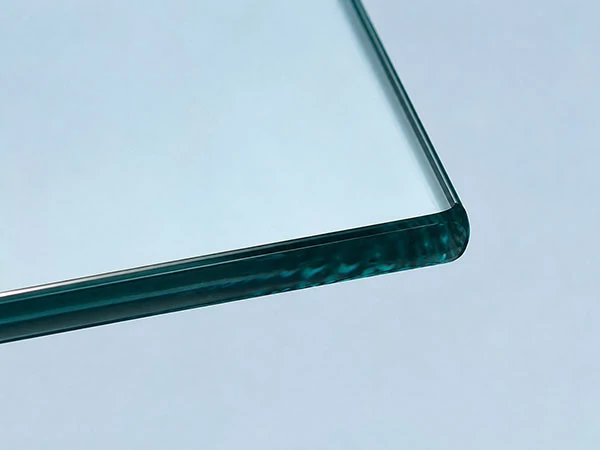
Polished ground edge treatment combines durability and visual quality, suitable for glass components requiring smooth and reliable edges.
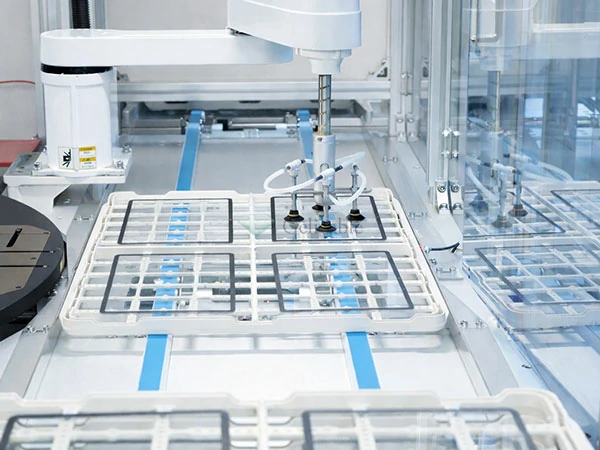
Silk-screen printing is commonly used for borders, icons, logos, masking areas and functional patterns. For thermally tempered glass, ceramic ink is typically printed before tempering, while suitable low-temperature inks may be applied afterward.
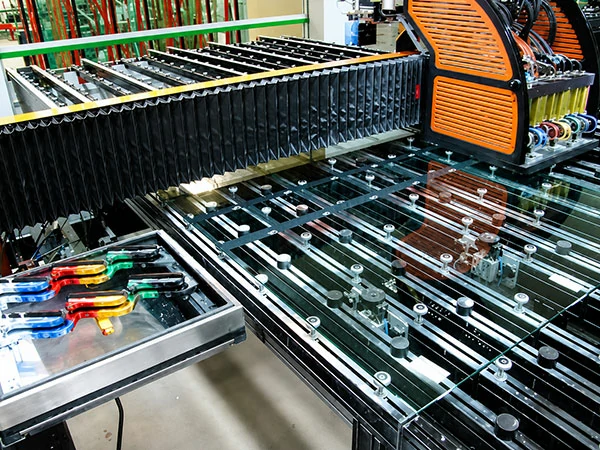
Digital printing can reproduce detailed graphics and multiple colors on glass when the selected ink system is compatible with the required tempering and finishing sequence.
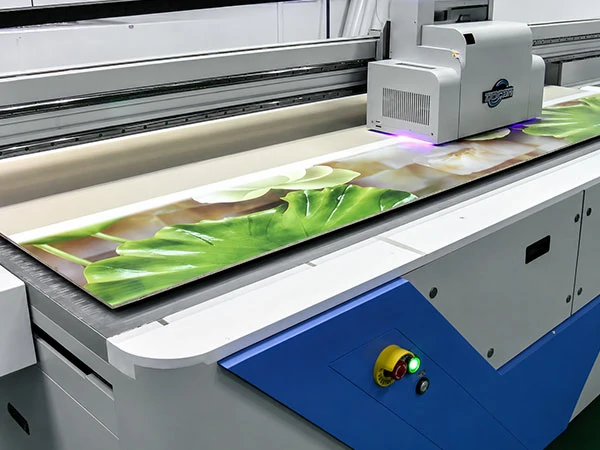
UV printing cures specialized inks directly on the glass surface and is useful for detailed graphics when the finished-part requirements allow this printing method.
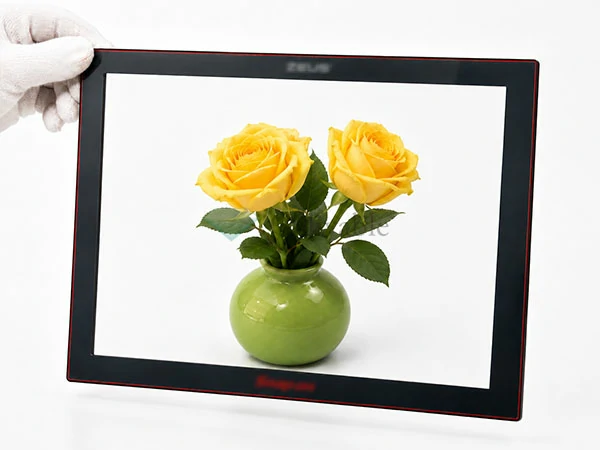
AR anti-reflective coating can reduce surface reflection and improve light transmission for compatible tempered cover-glass, display and optical applications.
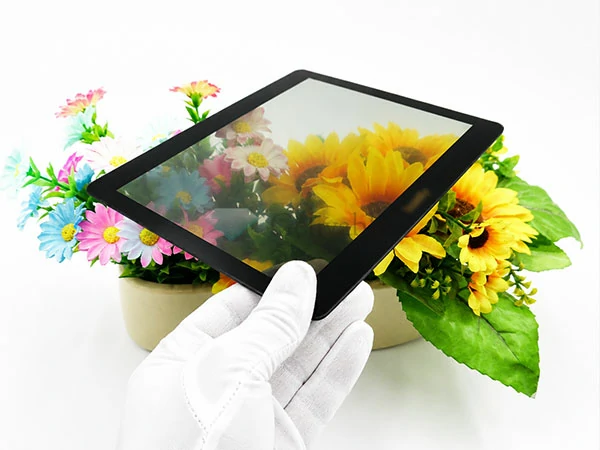
AG anti-glare treatment can reduce visible glare and improve readability for compatible tempered cover glass used over displays and control interfaces.
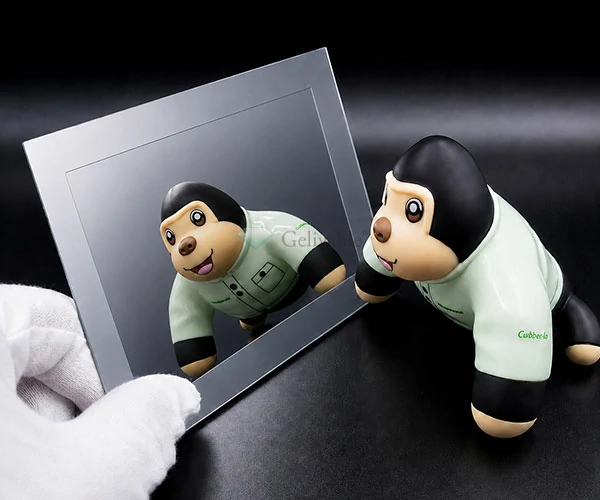
AF anti-fingerprint and other compatible surface treatments can be evaluated according to touch frequency, cleaning requirements, optical targets and the tempering process sequence.
Send us your drawing, glass size, thickness, quantity, holes, cutouts, edge requirements, printing and surface-treatment needs. We will review the pre-tempering fabrication sequence and thermal tempering requirements before quotation.
GelivableGlass supports B2B custom tempered glass projects from drawing review and precision pre-tempering fabrication through sample approval, small-batch validation and repeat production.
Our process covers precision cutting, machining, hole drilling, slots, cutouts and edge finishing before tempering, followed by the required printing, compatible surface treatments, inspection and packaging steps.
We support custom sizes, thicknesses, shapes, holes, cutouts, edge profiles, printing, AG/AR/AF treatments and bonding requirements for tempered cover glass and other precision glass components.
Custom and non-standard projects can be sampled first so dimensions, hole positions, edge quality, printing and appearance can be validated before repeat batch production.
Tempered glass is heat-treated glass. During the glass tempering process, the glass is heated close to its softening range and then rapidly cooled with air. This creates surface compression and internal tension, increasing mechanical strength and giving fully tempered glass its characteristic safer fragmentation pattern.
Thermal tempering strengthens glass by heating and rapid cooling, while chemical strengthening uses ion exchange to create compressive stress near the glass surface. Thermally tempered glass is known for its small-fragment breakage pattern; chemically strengthened glass can retain sharper fragments when broken. The suitable process depends on glass thickness, material and product requirements.
Yes, but the glass is cut to the required size and geometry before thermal tempering. Fully tempered glass should not be cut afterward because machining releases the internal stress and normally causes the entire piece to break.
Yes. Custom tempered glass can include drilled holes, slots and cutouts, but these structural features must be completed before thermal tempering. Drilling or machining fully tempered glass can cause immediate breakage.
The final outline, holes, cutouts, CNC machining and edge finishing should normally be completed before the glass tempering process. Printing is scheduled according to the ink system: ceramic ink is typically applied before thermal tempering, while suitable low-temperature inks may be printed afterward.
Yes. Ball-drop performance is affected by glass thickness, glass size, material and strengthening condition. Impact requirements should therefore be evaluated using the actual finished-part dimensions and the test method specified for the project.
Depending on the project, tempered glass can be evaluated with impact or ball-drop testing and, where applicable, a fragmentation test after breakage. The required test method, impact energy and acceptance criteria should be confirmed against the customer specification or referenced standard.
Visual inspection alone is not a reliable way to confirm strengthening. Chemical strengthening can be checked with stress-measurement equipment, while thermal tempering is normally verified through the production record and the appropriate strength or fragmentation test.
Yes. Tempered glass can include silk-screen printing and selected surface finishes. The process order matters: ceramic printing is generally done before thermal tempering, while some low-temperature printing and coating processes can be applied after tempering. The sequence should be confirmed for the specific material and finish.
Yes. GelivableGlass manufactures custom tempered cover glass and precision glass panels to customer drawings. Dimensions, shapes, holes, slots, cutouts and edge profiles are completed before thermal tempering, while compatible printing, AG/AR/AF treatments and bonding requirements are planned around the finished specification.
Tempered cover glass is usually a finished precision component made to the geometry and visual requirements of a display, touch interface or equipment front panel. In addition to thermal tempering, it may require precise holes, cutouts, edge profiles, printed borders, functional surface treatments and bonding features.
Please provide the drawing, glass size, thickness, material, quantity, hole and cutout details, edge requirements, printing artwork, surface finish and any impact or test requirements. This allows us to review the tempered glass fabrication sequence and sample-production options.
Read technical articles about custom tempered glass, tempered cover glass, thermal tempering, precision glass fabrication, surface treatments and display protection.
View All Blog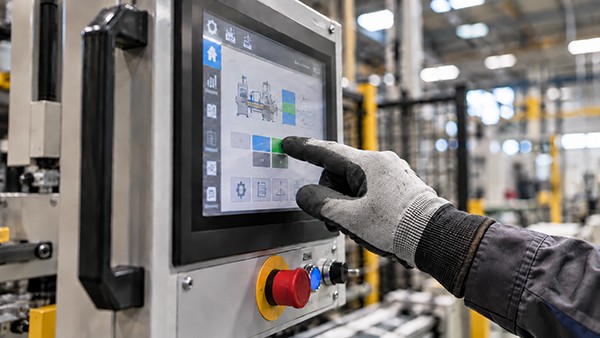
An industrial touchscreen may be used hundreds of times per shift. Operators might wear gloves, work under bright overhe···
Read More
Recently, I have been thinking carefully about how we should explain an important change to our customers—and, more impo···
Read More
AG anti-glare glass is most suitable for display applications where strong ambient light, reflections, long viewing peri···
Read MoreSend us your drawing, size, material, thickness, holes, edge details, printing and surface-treatment requirements. We will review the glass tempering process and fabrication sequence for your project.
Contact our team for drawing review, sample development, process discussion and quotation support.