Structure Configuration
Conformable Cover Glass Surface
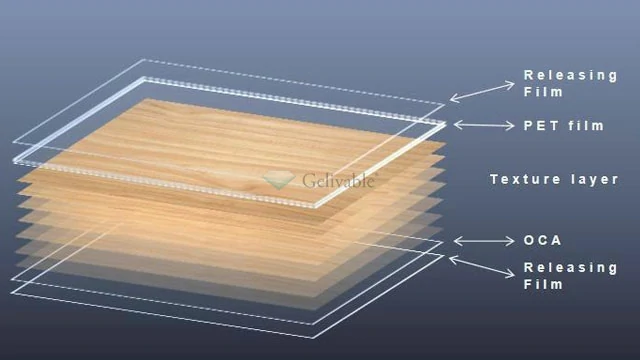
The wood-texture film structure can be configured on the cover-glass surface according to the required product construction and finished appearance.

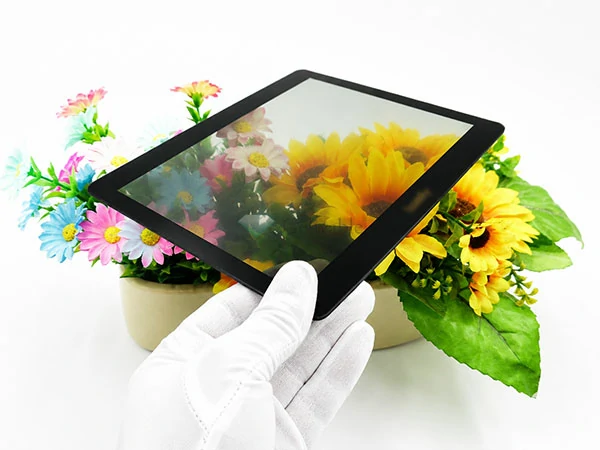
A concealed wood-finish display solution that presents a natural wood appearance when the screen is off and reveals a clear display when activated, creating a seamless transition from decoration to information display.
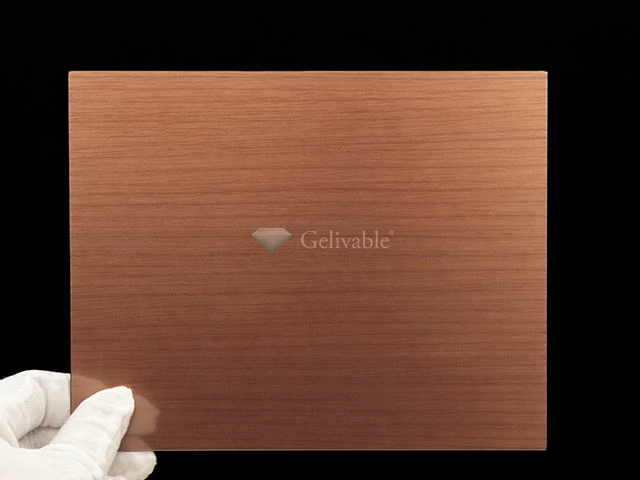
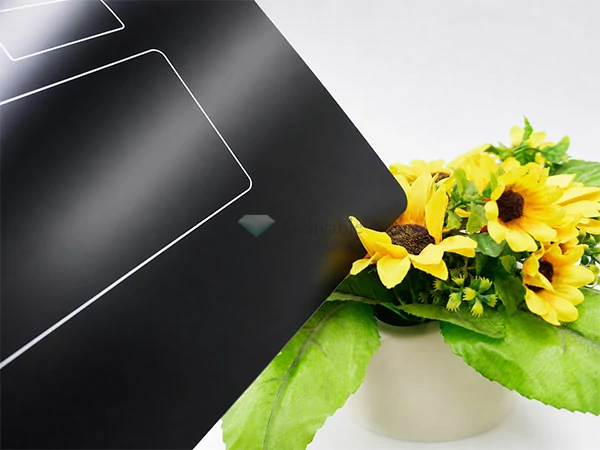
Wood-Grain Glass is an integrated cover-glass solution that combines glass with a wood-texture functional layer. When the display is inactive, the front surface presents a natural wood-finish appearance. When the display is illuminated, the image is visible through the texture layer.
The wood appearance is created by the texture layer rather than by the glass raw material itself. Texture, light transmittance, film structure and display brightness should therefore be developed together as one complete display system.
Discuss Your Project
The wood-texture film structure can be configured on the cover-glass surface according to the required product construction and finished appearance.
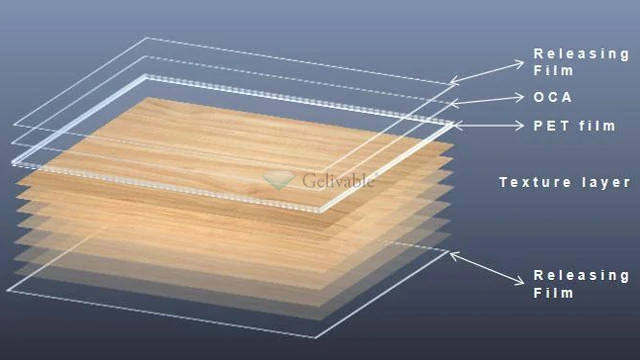
The wood-texture film can also be configured on the back side of the cover glass, subject to the display stack, bonding method and final optical requirement.
The wood texture is formed through multiple layers of precision screen printing. The final layer design is determined by the texture complexity and required light transmittance.
Light transmittance can be customized according to the actual display module, target brightness and finished-product requirements.
| Test | Unit | Specifications & Parameters | Notes |
|---|---|---|---|
| Carrier Material | — | PET | Carrier material can be selected according to project requirements. |
| Thickness | μm | 80 / 125 / 150 / 188 | Different thicknesses can be selected according to project requirements. |
| Printing Precision | μm | 3–5 | Current brochure technical reference. |
| Number of Printing Layers | Layers | 5–10 | The technical table in the current brochure states that the number of layers depends on texture design and light transmittance. |
| Printing Width | mm | 960 × 680 | Dimensions can be customized within the current width. Larger widths require evaluation. |
| OCA Thickness | μm | Non-UV OCA, 50–75 | Final OCA structure should be confirmed according to the project assembly. |
| Texture | — | Wood grain / stone / leather / metal / monochrome | Textures can be customized according to project requirements. |
| Surface Hardness | H | 4H, JIS K5600, 750 g | Current brochure technical reference. |
| Light Transmittance | % | 25–85 | Can be customized according to the actual project. |
| Haze | % | < 5 | Current brochure technical reference. |
The current brochure provides the following reference combinations for film transmittance and display-module brightness. The brightness unit is not specified in the brochure, so no unit is added here.
| Film Transmittance | 25% | 30% | 35% | 40% | 45% | 50% | 55% | 60% | 65% | 70% | 75% | 80% | 85% |
|---|---|---|---|---|---|---|---|---|---|---|---|---|---|
| Display Brightness | 2000 | 1800 | 1600 | 1400 | 1200 | 1000 | 1000 | 800 | 800 | 800 | 800 | 600 | 600 |
| Display Quality | OK | OK | OK | OK | OK | OK | OK | OK | OK | OK | OK | OK | OK |
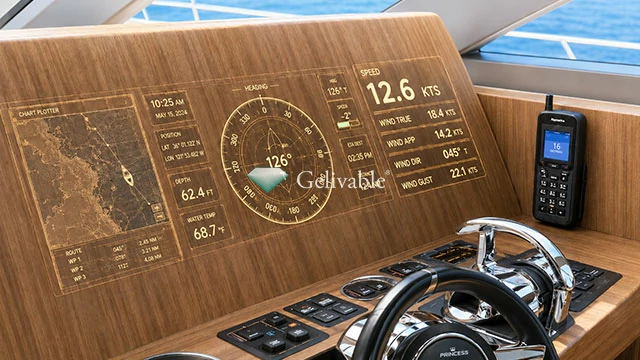
Concealed control and information displays can remain visually integrated with premium wood-finish yacht interiors when inactive.
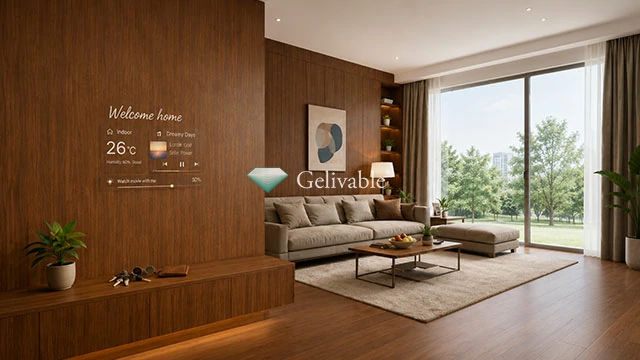
Room controls and information interfaces can be integrated into wood-finish surfaces without visually interrupting the surrounding interior design.
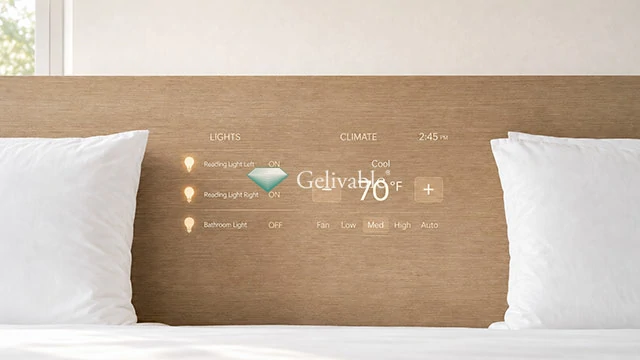
Smart-home displays and controls can blend into cabinetry, wall panels and other wood-finish surfaces until the interface is activated.
90°C for 1000 hours.
60°C / 90% RH for 500 hours.
-40°C for 1000 hours.
-30°C to 85°C, 30-minute cycles, with no abnormalities reported in the brochure reference.
Less than 1% dimensional variation, with no bubbles, cracking, delamination or color difference reported; edge shrinkage ≤ 0.5 mm.
These are test references stated in the current product brochure. Final validation method, sample construction and acceptance criteria should be confirmed for each production project.
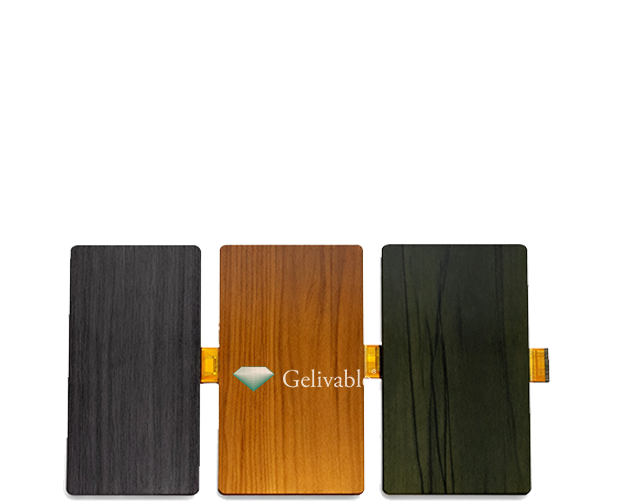
The inactive display blends into the surrounding wood-finish surface.
Film transmittance can be selected according to the required display effect.
Texture, film thickness, transmittance and dimensions can be developed around project requirements.
The structure can be reviewed together with cover glass, OCA, display module and final assembly.
GelivableGlass supports the glass materials and fabrication processes required for custom wood-grain concealed display projects, including precision machining, printing, coatings, edge processing and adhesive bonding. These processes can be integrated with the wood-texture film, OCA and display module according to the final product structure.
Corning Gorilla Glass can be evaluated for wood-grain display covers that require high-strength cover glass and reliable touch-surface durability.
AGC glass can be reviewed for custom wood-grain display projects according to the required thickness, optical performance and downstream processing route.
Panda Glass can be evaluated where the finished wood-grain display cover requires chemically strengthened cover glass with good surface durability.
Sapphire can be considered for selected precision applications where exceptionally high scratch resistance is required and the project structure is compatible.
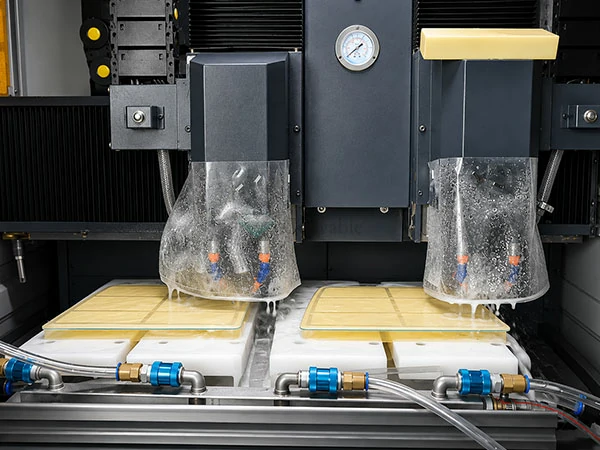
CNC machining supports precise drilling, milling, cutting and polishing for wood-grain cover glass with holes, slots and other structural requirements.
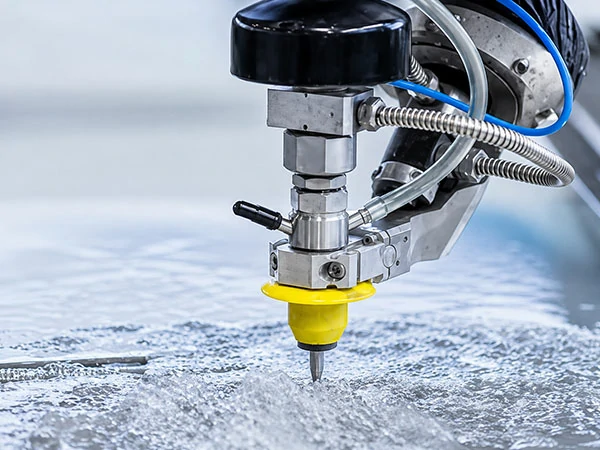
Water jet cutting can be evaluated for selected profiles and cutouts where the glass material, thickness and geometry are compatible with the process.
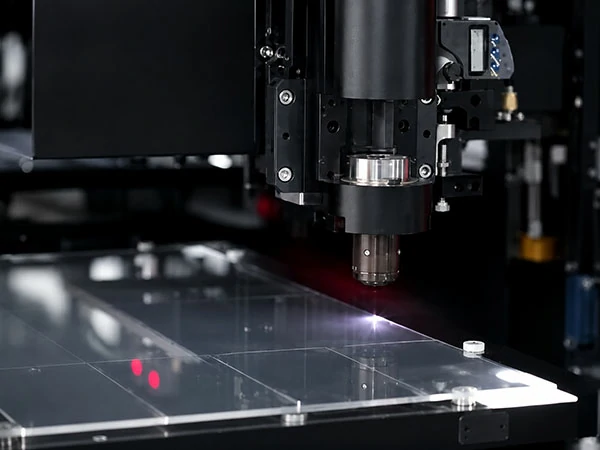
Laser glass processing can support selected cutting, drilling, engraving and marking requirements for detailed custom glass components.
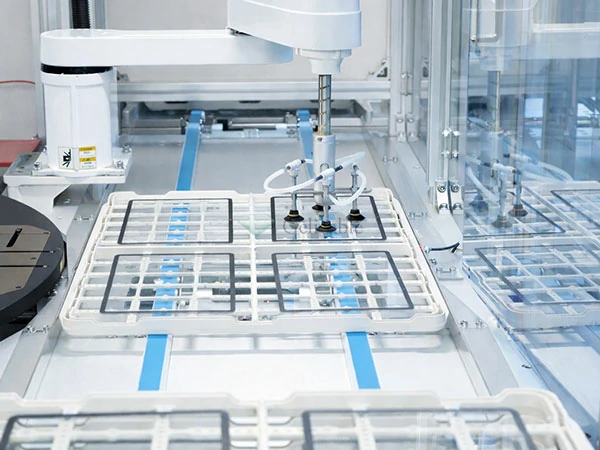
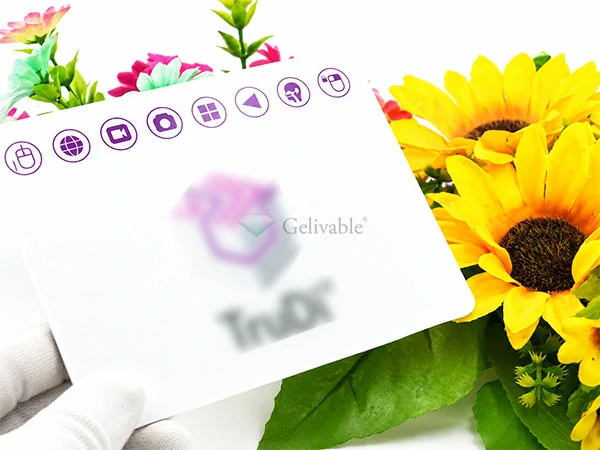
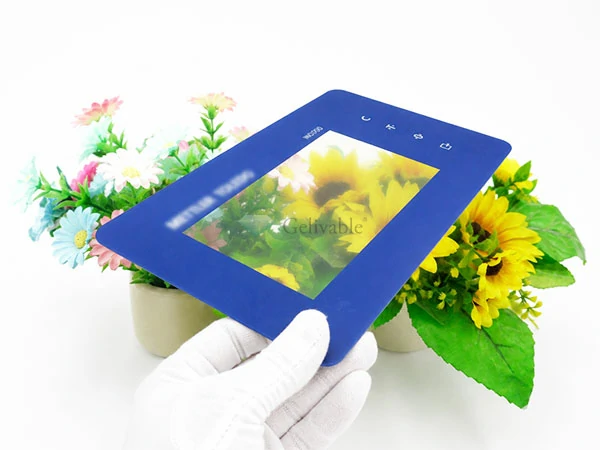
Silk-screen printing can add borders, icons, logos, masking areas and functional graphics to the cover glass according to the finished wood-grain display design.
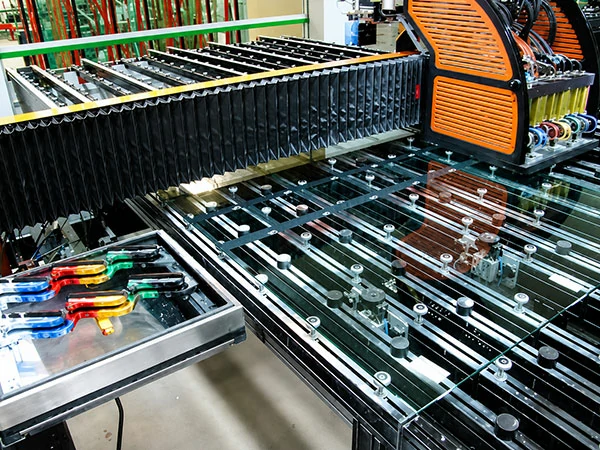
Digital printing can reproduce detailed graphics and multiple colors when the selected ink system is compatible with the cover glass and assembly structure.
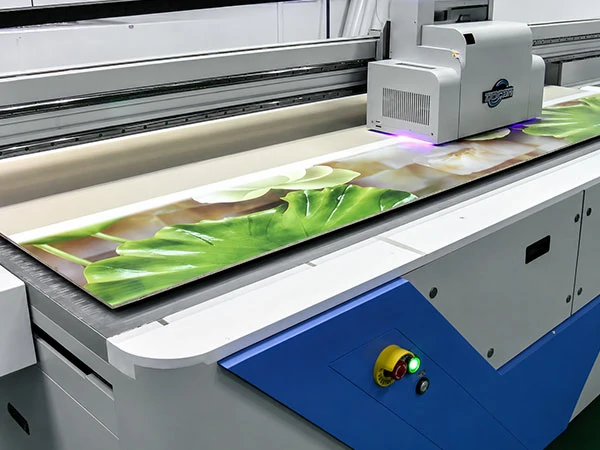
UV printing can be evaluated for detailed decorative or functional graphics where the required surface durability and assembly process are compatible.
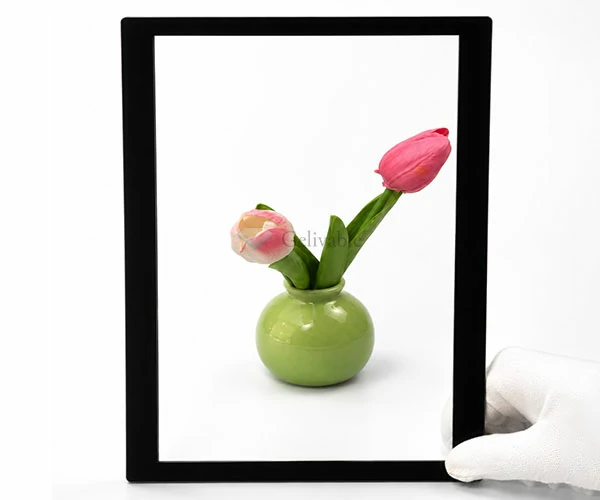
Anti-reflective coating can be evaluated where reduced surface reflection is required without conflicting with the wood-grain optical design.
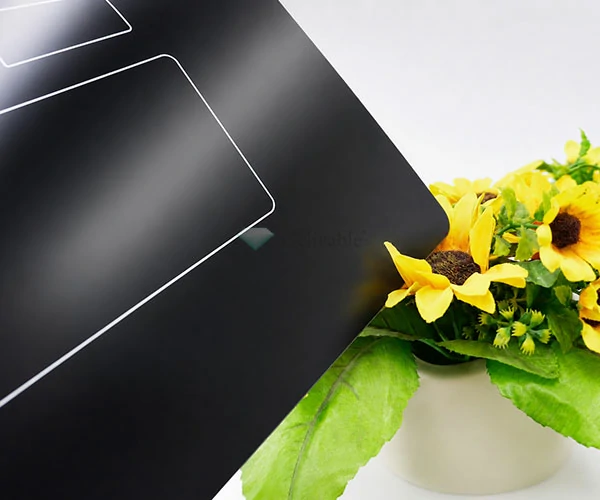
Anti-glare treatment can reduce strong reflections where the resulting haze and surface appearance remain compatible with the concealed-display effect.
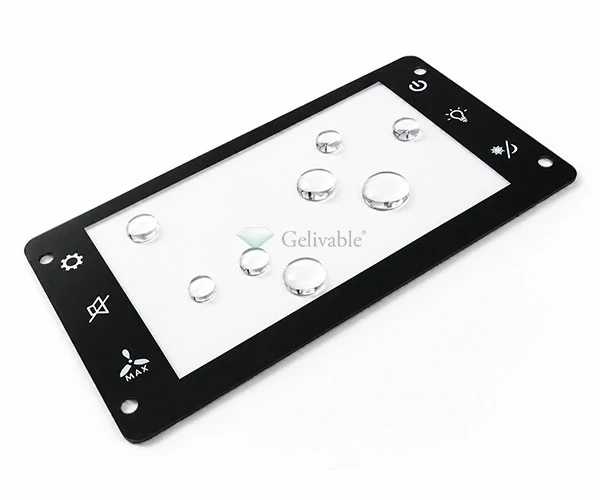
Anti-fingerprint coating helps reduce fingerprints and oil marks on touch surfaces and can make the finished wood-grain glass easier to clean.
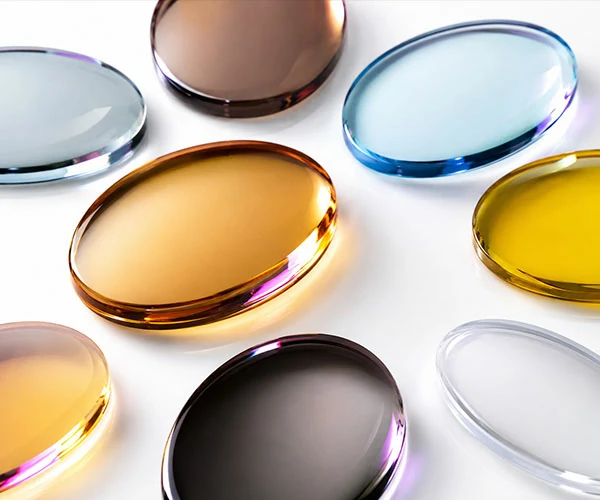
Selected optical coatings can be reviewed according to the required transmission and reflection characteristics of the finished display system.
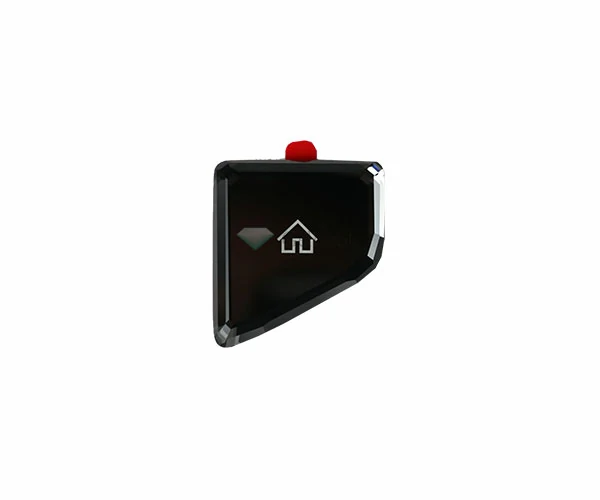
A conventional flat-glass edge structure suitable for standard wood-grain cover-glass panels and integrated display assemblies.
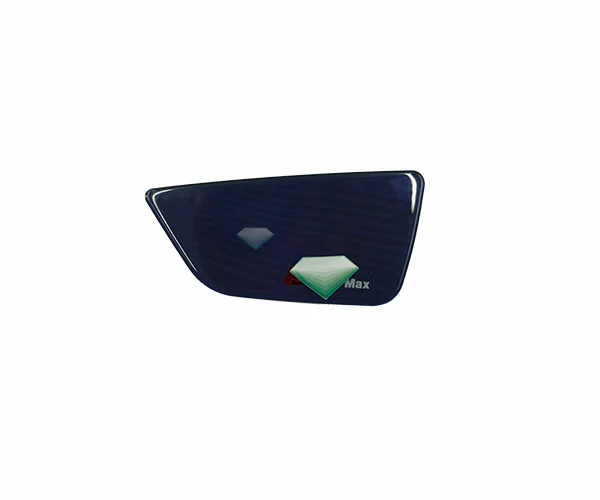
2.5D edge processing creates a rounded transition that can improve touch feel and visual integration with the surrounding product structure.
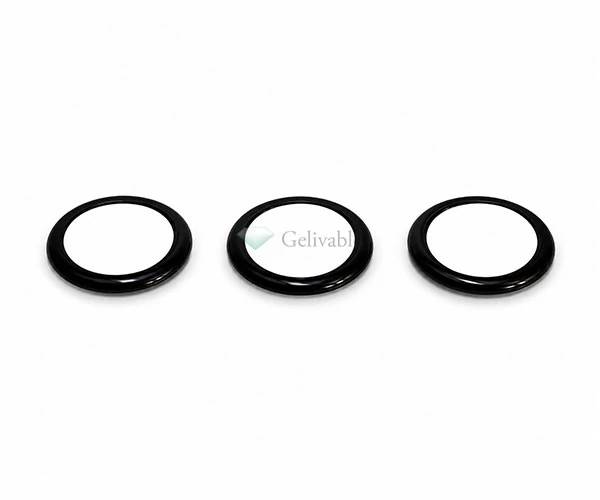
Selected 3D edge structures can be evaluated for customized front-panel shapes and advanced product-integration requirements.
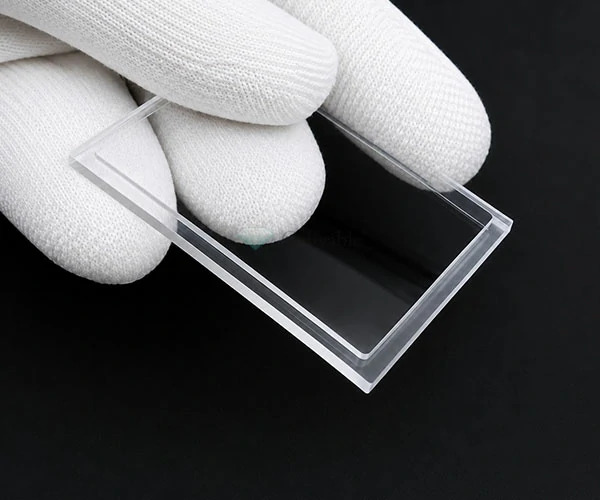
Stepped-edge processing can create multi-level structures for special mounting, bonding and assembly requirements.
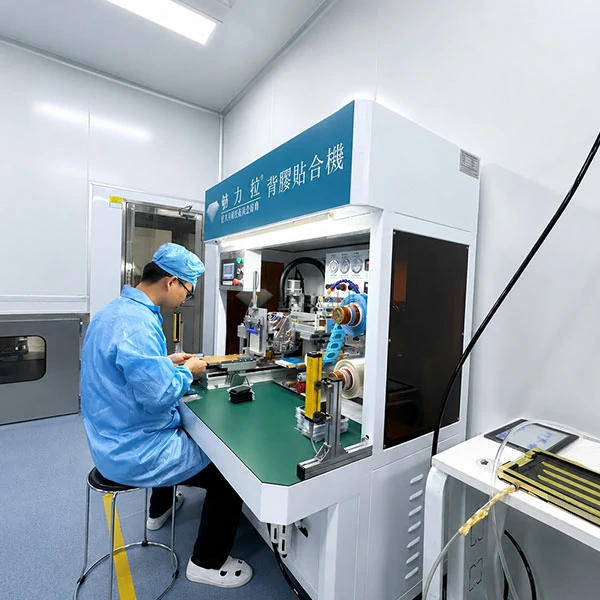
Wood-grain concealed displays use multiple functional layers, so adhesive selection and bonding structure should be reviewed together with the cover glass, texture film, OCA and display module.
The wood-grain structure can use OCA to integrate the texture layer with the cover-glass and display assembly.
The exact adhesive type and thickness should be selected according to the required optical performance and finished assembly design.
Texture, film transmittance, glass processing and display brightness should be reviewed together before the final bonding structure is approved for production.
Send the glass size, display module, target transmittance, preferred texture, quantity and assembly structure. We will review the wood-grain film and cover-glass integration requirements before preparing a quotation.
Wood-grain concealed displays require the texture layer, light transmittance, cover glass and display module to work together as one system.
Texture design and printing-layer configuration can be reviewed according to the target wood appearance and project dimensions.
Film transmittance and display brightness can be evaluated together before the finished optical target is confirmed.
Cover glass, OCA, texture film, display module and final assembly can be reviewed as one project structure.
On this page, Wood-Grain Glass refers to an integrated cover-glass solution that combines glass with a wood-texture functional film. The visible wood appearance comes from the texture layer rather than from the glass raw material itself.
When the display is off, the wood-texture layer presents a decorative wood appearance. When the display is illuminated, light passes through the controlled-transmittance layer so the screen content becomes visible.
The current brochure describes a multi-layer precision screen-printing process. The technical table lists 5–10 printing layers, with the final layer count determined by the texture design and required light transmittance.
The current brochure lists a light-transmittance range of 25% to 85%. The final value should be selected according to the display module, target visual effect and project requirements.
The brochure lists wood grain, stone, leather, metal and monochrome options. Texture development should be confirmed according to the customer's target appearance and project dimensions.
The current technical table lists a printing width of 960 × 680 mm. Projects larger than the current width require a separate feasibility evaluation.
The brochure shows configurations for both the cover-glass surface and the cover-glass back surface. The appropriate structure should be selected according to the display stack, optical target and assembly requirements.
Please provide the target dimensions, display module, desired texture, target transmittance, quantity and assembly structure. These details are needed to review texture development, optical matching and bonding configuration.
Read technical articles about decorative display glass, hidden displays, cover-glass integration, printing, optical matching and custom glass processing.
View All Blog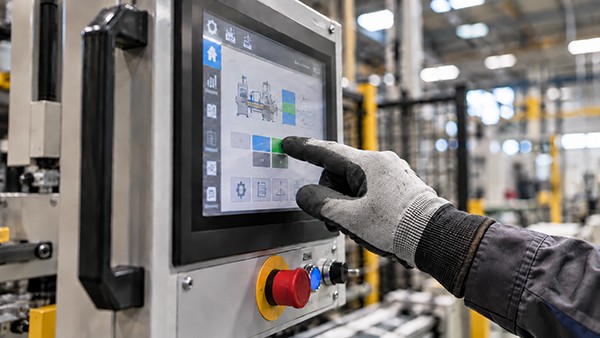
An industrial touchscreen may be used hundreds of times per shift. Operators might wear gloves, work under bright overhe···
Read More
Recently, I have been thinking carefully about how we should explain an important change to our customers—and, more impo···
Read More
AG anti-glare glass is most suitable for display applications where strong ambient light, reflections, long viewing peri···
Read MoreSend us your target texture, glass size, display module, required transmittance and assembly structure. We can review the film, glass and display integration requirements around the finished product.
Contact our team for texture development, transmittance matching, display-module review, sample development and quotation support.