When Corning Gorilla Glass Becomes Essential | Gelivable
Why Some Applications Require Corning Gorilla Glass | GelivableWhy Some Applications Require Corning Gorilla GlassIn man···
Read MoreCustom anti-fog glass processing with nano hydrophilic coating for display windows, monitoring equipment and precision glass components exposed to humidity, condensation or temperature changes.
Anti-fog glass processing applies a highly hydrophilic surface treatment that changes how condensed water behaves on glass. Instead of remaining as many small droplets that scatter light, moisture spreads into a thinner and more uniform water film, helping the viewing area remain clearer.
GelivableGlass current anti-fog process reference uses an NF-6300 Series nano hydrophilic coating system with defined film-thickness and curing parameters. The coating process should be matched to the actual condensation environment, cleaning method and finished glass structure.
Custom cutting, CNC machining, edge processing, printing, strengthening and bonding can be reviewed together with anti-fog processing so the coating is protected and applied at the correct stage.
Looking for the finished glass product rather than the fabrication process? See Anti-Fog Glass.
Get a quoteHydrophilic anti-fog processing is designed for glass that must maintain visibility when humidity or temperature changes cause moisture to condense on the surface.
A highly hydrophilic surface encourages condensed moisture to spread across the glass instead of forming many rounded droplets.
Reducing droplet-based light scattering can help displays, optical windows and observation areas remain more visible.
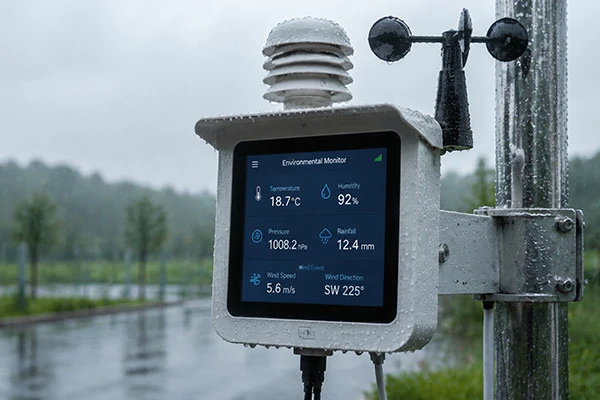
Anti-fog treatment is useful where equipment experiences humidity, rain exposure, cold-to-warm transitions or other condensation conditions.
The current GelivableGlass NF-6300 reference includes measurable process values for film thickness, curing and contact angle.
Machining, printing, strengthening and assembly can be planned around the anti-fog coating to reduce unnecessary surface handling.
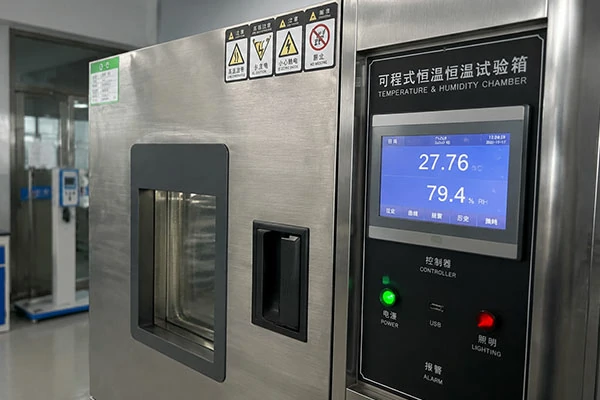
Because fogging depends on temperature and humidity, the most meaningful validation reproduces the actual service environment as closely as practical.
The values below come from GelivableGlass current anti-fog product information and are presented as current process references. Final acceptance criteria should be confirmed for each project.
| Parameter | Processing Reference / Project Consideration |
|---|---|
| Coating Type | Nano hydrophilic anti-fog surface treatment. |
| Current Material Reference | NF-6300 Series. |
| Contact Angle | Current GelivableGlass reference: <10°, indicating a highly hydrophilic surface. |
| Film Thickness | Current reference: 25 ± 5 nm. |
| Curing Condition | Current reference: 120°C for 30 minutes. |
| Surface Preparation | Current process reference includes plasma/corona treatment before coating. |
| Packaging / Handling | Current handling guidance states that protective film should not be applied directly to the anti-fog coating surface. |
| Final Validation | Water spreading, appearance and anti-fog performance should be checked under the intended condensation and cleaning conditions. |
Anti-fog coating is sensitive to handling and service conditions, so coating position, downstream processes, packaging and cleaning requirements should be defined before batch production.
The anti-fog process creates a hydrophilic surface with very low water contact angle. When moisture condenses, the water spreads across the surface rather than remaining as separate droplets.
GelivableGlass current process reference includes substrate surface treatment, controlled nano coating, defined film thickness and thermal curing.
A low contact angle is a useful indicator that the surface is strongly hydrophilic, but a laboratory contact-angle value does not describe every real condensation condition.
For critical applications, the finished part should also be evaluated for water spreading, visible fogging, optical appearance, cleaning and coating durability under representative operating conditions.
Anti-fog processing is suited to equipment where condensed moisture can block a display, optical path or observation window.
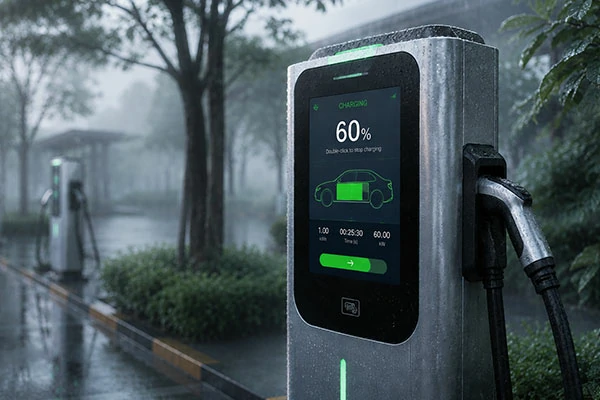
Outdoor charging displays and touch interfaces can use anti-fog glass where rain, humidity and temperature changes create condensation.
Cameras, sensors, monitors and inspection windows can use anti-fog treatment when moisture interferes with the viewing or sensing path.
Observation windows and instrument interfaces can benefit from hydrophilic coating in humid or temperature-controlled environments.
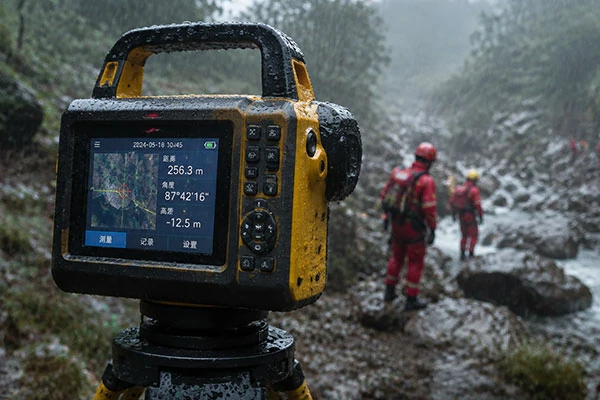
Inspection devices, gauges and optical windows can use anti-fog processing where condensation could reduce readability or measurement visibility.
Send the glass material, dimensions, thickness, quantity, drawing and application. Include the expected humidity, condensation condition, operating temperature, coating side, cleaning method and any machining, printing, strengthening or bonding requirements.
GelivableGlass uses a defined nano hydrophilic process reference and reviews the coating together with the finished component environment and manufacturing sequence.
The current NF-6300 process includes reference values for contact angle, film thickness and curing conditions.
Machining, printing, strengthening, bonding, packaging and coated-surface handling are considered before the anti-fog process is finalized.
Where anti-fog performance is critical, sample testing under representative humidity and temperature conditions is recommended.
Anti-fog glass processing applies a highly hydrophilic surface treatment so condensed moisture spreads across the glass instead of forming many small droplets that scatter light.
Anti-fog treatment is hydrophilic and encourages water to spread, while anti-fingerprint treatment is hydrophobic and oleophobic and encourages water and oils to bead or release more easily. They create opposite water-wetting behavior.
The current GelivableGlass anti-fog reference lists a contact angle below 10° for the NF-6300 nano hydrophilic surface.
The current reference film thickness is 25 ± 5 nm.
The current GelivableGlass reference lists a curing condition of 120°C for 30 minutes.
No. GelivableGlass current handling guidance states that protective film should not be applied directly to the anti-fog coating surface.
It does not stop moisture from condensing. Its purpose is to change the way condensed water wets the surface so it forms a more uniform film rather than many light-scattering droplets.
Send the glass material, size, thickness, quantity, drawing, application, expected humidity or condensation conditions, operating-temperature range and cleaning method. Include machining, printing, strengthening and bonding requirements if applicable.
Read technical articles about anti-fog glass processing, nano hydrophilic coatings, contact angle, condensation control, optical windows and precision cover-glass fabrication.
View All BlogSend us your drawing, glass material, dimensions, thickness and condensation conditions. GelivableGlass can review the hydrophilic coating together with machining, printing, strengthening, packaging and final assembly.
Contact our team for anti-fog process review, sample validation, handling requirements and quotation support.