Custom Aluminosilicate Glass

Custom Aluminosilicate Glass & Cover Glass

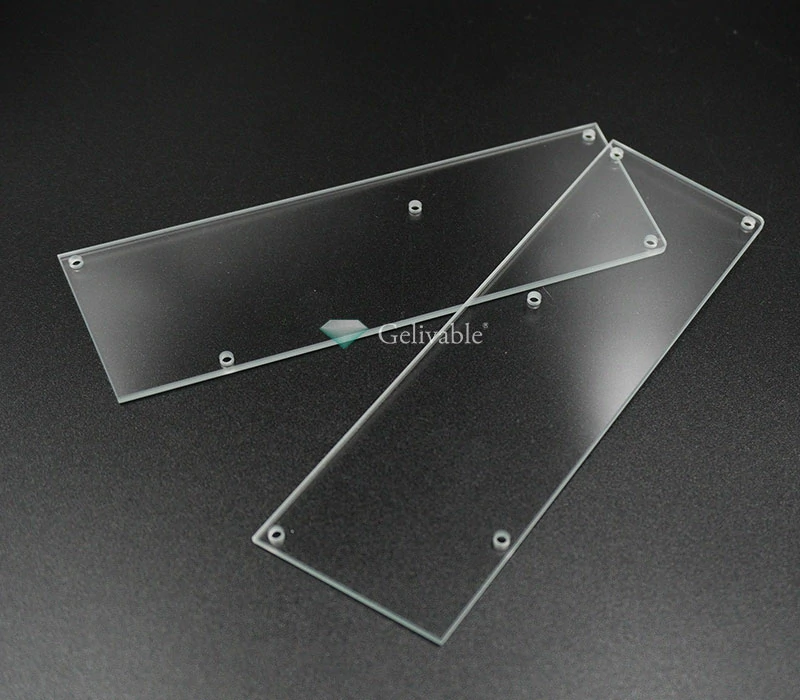
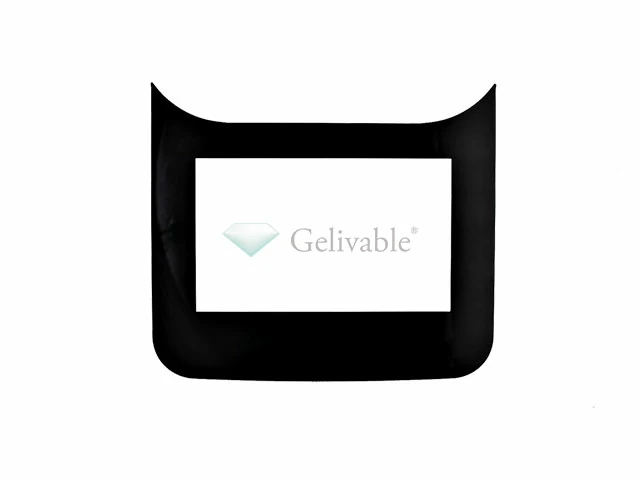
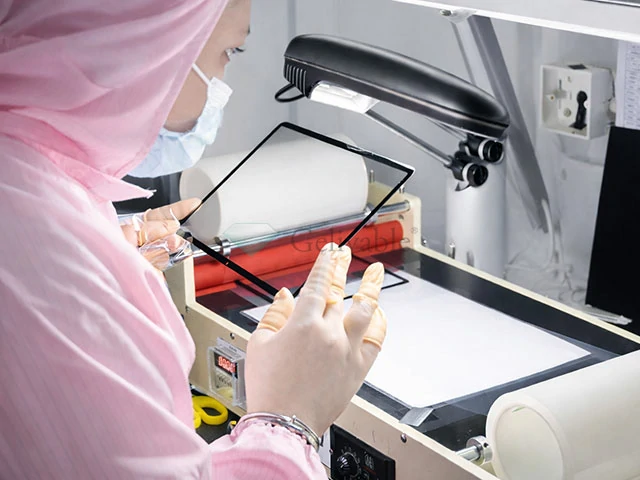
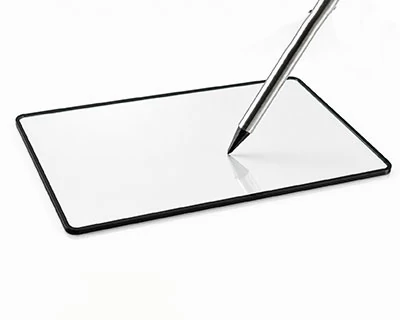
Custom aluminosilicate glass for chemically strengthened cover glass, touch interfaces, protective windows and precision components, with machining, printing, coatings and bonding options selected according to the material grade.

Custom aluminosilicate glass cover glass solution

Custom Aluminosilicate Glass for High-Strength Cover Applications

Aluminosilicate glass is a family of glass compositions containing silica and a significant alumina component. Unlike a single branded material, its exact composition and properties vary by manufacturer and grade.

A major advantage of many alkali-containing aluminosilicate cover glasses is their strong response to chemical strengthening. During ion exchange, larger alkali ions replace smaller ions near the glass surface and create a compressive stress layer that improves resistance to impact and bending damage.

GelivableGlass can review the selected aluminosilicate grade together with thickness, CNC geometry, chemical strengthening, printing, AG/AR/AF treatment and downstream bonding requirements.

Get a Quote
Material Applications

Aluminosilicate Glass for Precision Cover Components

Aluminosilicate cover-glass grades are commonly selected when a project requires stronger chemical-strengthening capability and higher damage resistance than standard soda-lime cover glass can provide.

Because aluminosilicate is a material family rather than one fixed specification, the grade should be selected before finalizing thickness, strength targets and process conditions.

Aluminosilicate display cover glass
Display Protection

Display Cover Glass

Chemically strengthened aluminosilicate glass can protect LCD, TFT and other display modules where thin construction and higher damage resistance are required.

Aluminosilicate touch panel cover glass
Touch Interface

Touch Panel Cover

High-strength cover glass is suitable for touch interfaces that receive frequent handling and need a durable, smooth front surface.

Aluminosilicate sensor and camera protective window
Protective Window

Sensor & Camera Window

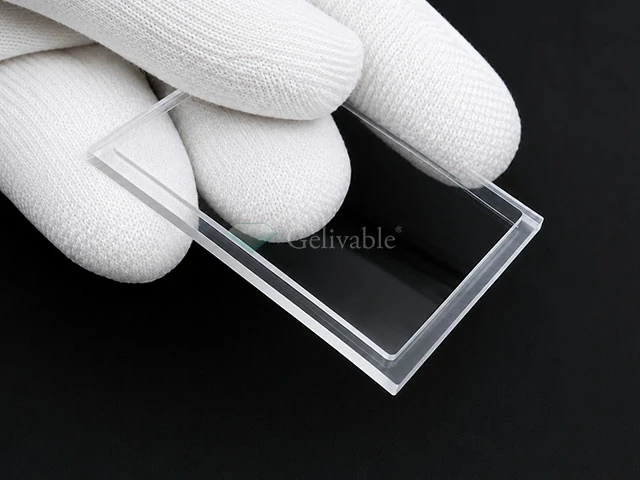
Thin aluminosilicate parts can be machined as protective windows for cameras, sensors and optical openings when geometry and optical requirements are defined.

Custom shaped aluminosilicate glass component
Custom Geometry

Custom-Shaped Components

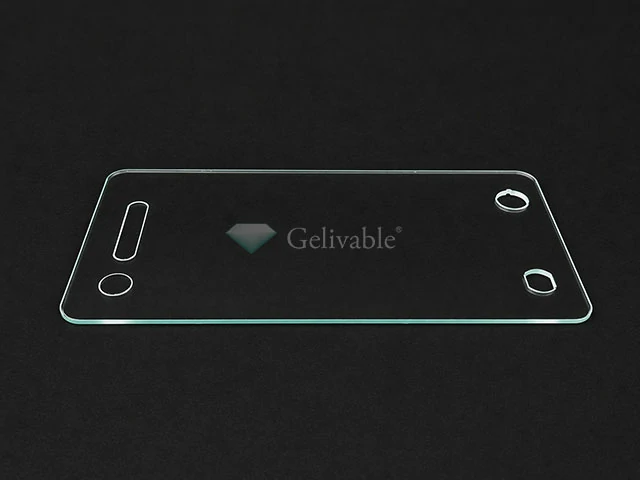
Drawing-defined outlines, holes, slots, rounded corners and other precision features can be evaluated before chemical strengthening.

Custom Processing

Aluminosilicate Glass Processing Services

Aluminosilicate glass CNC machining

CNC Machining

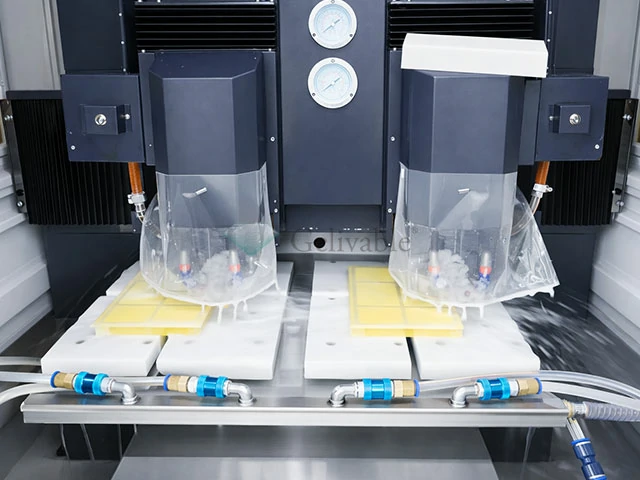
Precision cutting, shaping, drilling and edge finishing are completed before strengthening according to the drawing and selected glass thickness.

Aluminosilicate glass chemical strengthening

Chemical Strengthening

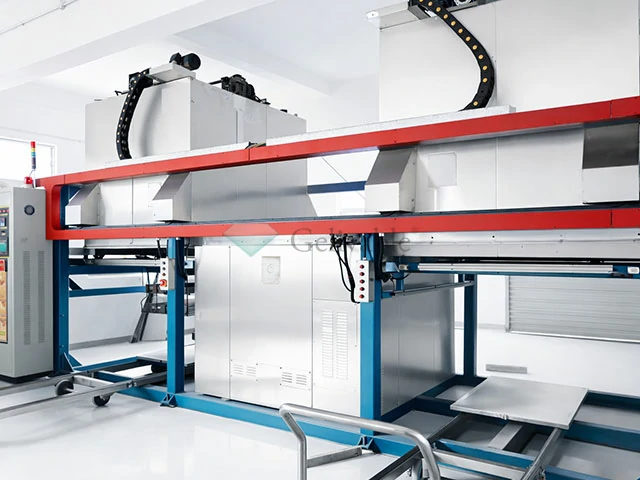
Ion-exchange strengthening is a core advantage of suitable aluminosilicate grades. CS and depth-of-layer targets must be matched to the actual material composition and thickness.

Aluminosilicate glass printing and coating

Printing & Coatings

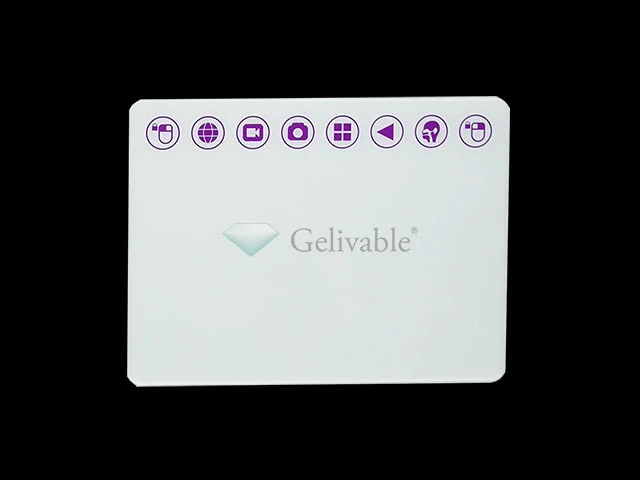
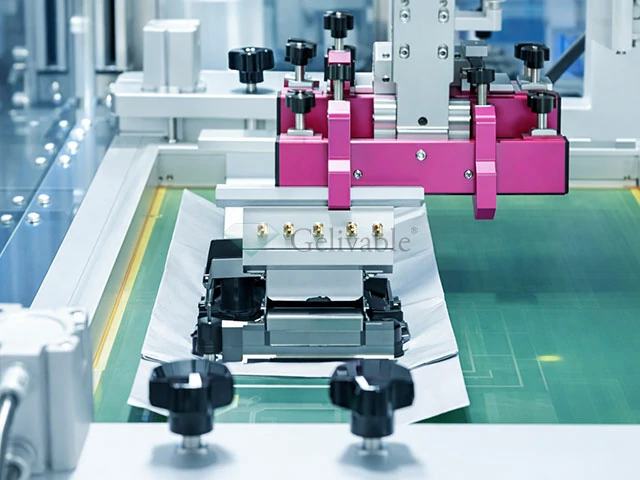
Silk-screen printing and AG, AR or AF treatments can be integrated according to visual, optical and touch-surface requirements.

Aluminosilicate glass quality inspection

Inspection & Bonding

Finished components can be inspected for dimensions, appearance, edge condition and project-specific functional requirements before adhesive or assembly operations.

Technical Reference

Aluminosilicate Glass Technical Reference

Material Family Characteristics

Glass FamilyAluminosilicate glass; exact oxide composition varies by grade and manufacturer.
Primary Strengthening RouteChemical ion exchange is commonly used for cover-glass grades.
Typical BenefitHigher strengthening potential and damage resistance than ordinary soda-lime cover glass when a suitable composition is selected and strengthened correctly.
Surface ProcessingCNC machining, printing, AG/AR/AF treatment and adhesive integration can be evaluated depending on material and thickness.
Important NoteThere is no single universal density, CS, DOL, hardness or thickness range for all aluminosilicate glass. The selected material data sheet controls the project specification.

Published Industry Reference: SCHOTT AS 87 eco

Property Published Reference Project Note
Glass Type Aluminosilicate glass for chemical strengthening SCHOTT AS 87 eco is used here only as a real published industry example of an aluminosilicate cover-glass grade.
Density 2.46 g/cm³ Published SCHOTT AS 87 eco reference. Other aluminosilicate grades can differ.
Young's Modulus 73.3 GPa Published SCHOTT AS 87 eco reference.
Poisson's Ratio 0.216 Published SCHOTT AS 87 eco reference.
Chemical Strengthening Capability CS > 850 MPa; DoL > 50 μm This is a published capability for SCHOTT AS 87 eco, not a universal specification for all aluminosilicate glass and not a guaranteed GelivableGlass value.
Published Applications Display cover glass, camera imaging, fingerprint sensors and touch-panel glass Application suitability still depends on the selected material grade, thickness, geometry and finished-part requirements.
Application Areas

Applications for Custom Aluminosilicate Glass

Chemically strengthened aluminosilicate cover glass is used in professional equipment where thin construction, impact resistance, scratch resistance and a durable touch or viewing surface are important.

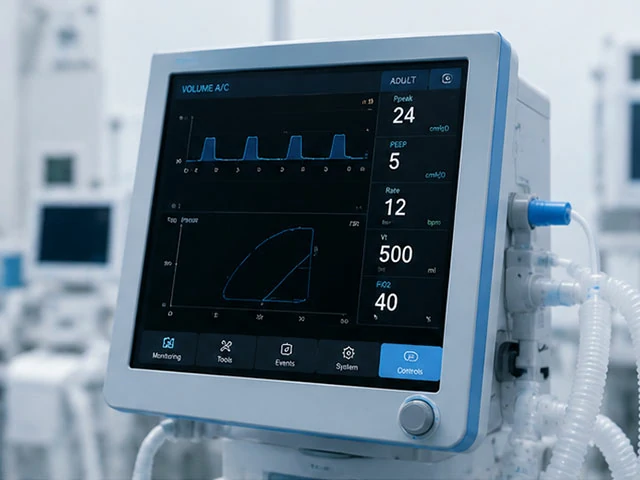
Aluminosilicate glass cover for medical equipment

Medical Equipment

Strengthened aluminosilicate cover glass can be evaluated for diagnostic displays, medical touch interfaces and other professional equipment requiring a durable clear front surface.

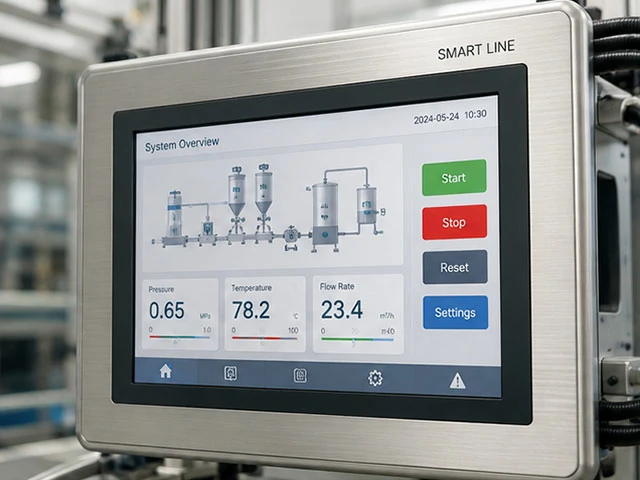
Aluminosilicate glass cover for industrial HMI

Industrial HMI

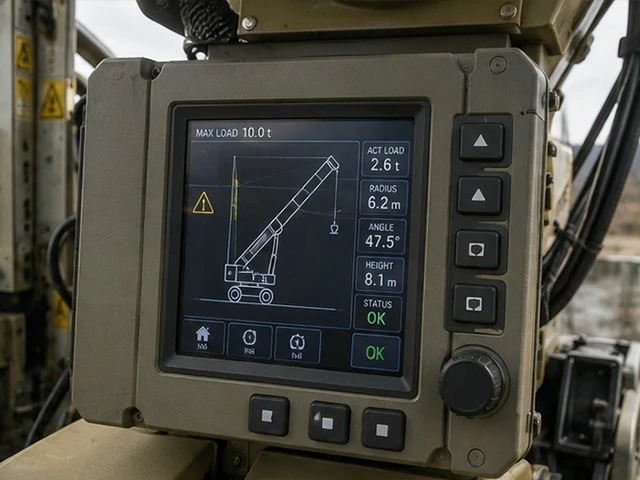
Custom aluminosilicate glass can protect machine controls, industrial touch screens and HMI displays exposed to repeated operation and demanding working environments.

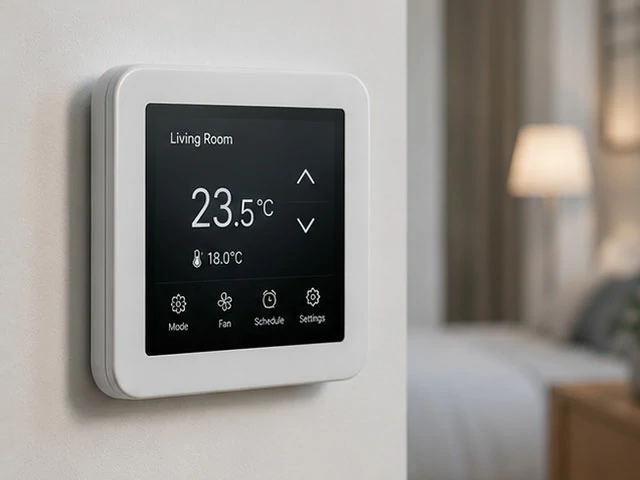
Aluminosilicate glass for smart home control panels

Smart Home Controls

Printed and strengthened aluminosilicate glass can be used for wall controllers, smart switches and connected-home interfaces requiring a durable decorative touch surface.

Aluminosilicate glass cover for transportation equipment

Transportation Equipment

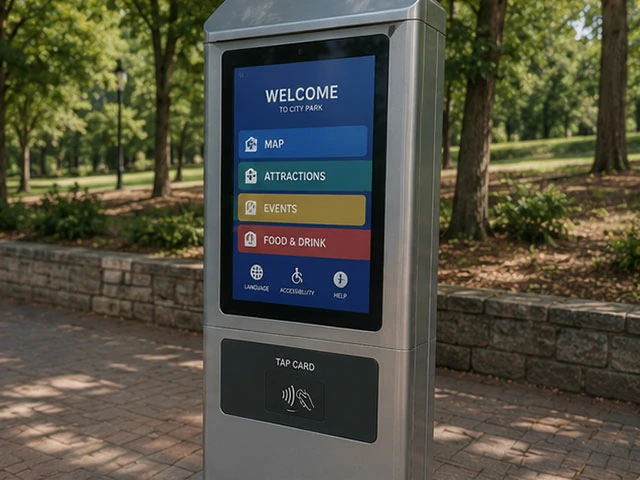
Aluminosilicate cover glass can be evaluated for ticketing machines, fare collection terminals, station equipment and other transportation-related display interfaces.

Aluminosilicate glass cover for outdoor equipment

Outdoor Equipment

Chemically strengthened aluminosilicate glass can be considered for outdoor displays, monitoring equipment and control interfaces where impact resistance and surface durability are important.

Aluminosilicate glass cover for special-purpose equipment

Special-Purpose Equipment

Custom aluminosilicate glass can be processed for specialized interfaces requiring non-standard geometry, chemical strengthening, printing or functional surface treatments.

Material Features

Key Characteristics of Aluminosilicate Glass

The properties below describe the material family; exact performance depends on the selected composition and chemical-strengthening process.

Aluminosilicate glass ion exchange strengthening

High Ion-Exchange Potential

Suitable alkali-containing aluminosilicate compositions accept larger ions during chemical strengthening, creating a compressive surface layer.

Aluminosilicate glass break resistance

Improved Break Resistance

Chemical strengthening can substantially improve resistance to tensile stress from impact and bending compared with the same glass before strengthening.

Aluminosilicate glass scratch resistance

Durable Cover Surface

Commercial aluminosilicate cover-glass grades are developed for high hardness and scratch resistance in frequently handled display applications.

Thin aluminosilicate cover glass

Thin Glass Capability

Specialized aluminosilicate families are available in thin and even ultra-thin formats, making them useful for compact covers, sensors and touch components.

Quick Quote

Request an Aluminosilicate Glass Quote

Send the target size, thickness, material grade if specified, quantity, strengthening target and required machining, printing or coating processes.

Why Choose GelivableGlass

Material Selection Connected to Precision Processing

Because aluminosilicate properties vary by composition, GelivableGlass reviews the material and fabrication route together rather than treating all aluminosilicate glass as one fixed specification.

Material & Strengthening Review

Material grade, thickness and chemical-strengthening targets can be reviewed as one specification.

Precision Fabrication

CNC machining, drilling, edge finishing, printing and coatings can be planned before the strengthening sequence.

Finished-Part Inspection

Dimensions, appearance and agreed functional requirements can be checked against the approved project specification.

Technical FAQ

Aluminosilicate Glass FAQ

What is aluminosilicate glass?

Aluminosilicate glass is a family of silica-based glasses containing a significant alumina component. Its exact composition varies by grade, so mechanical, optical and strengthening data must be taken from the selected material data sheet.

Why is aluminosilicate glass chemically strengthened?

Many cover-glass grades are designed for ion exchange. Larger alkali ions replace smaller ions near the surface and create compressive stress, which improves resistance to tensile stresses generated by impact and bending.

Is all aluminosilicate glass the same?

No. Aluminosilicate glass is a material family rather than one fixed specification. Different commercial grades use different compositions and manufacturing processes, so density, hardness, thickness range, chemical-strengthening capability and optical properties must be confirmed from the selected material data sheet.

Can aluminosilicate glass be CNC machined?

Yes. Cover-glass grades can be cut, drilled and CNC machined before strengthening. Final tolerances depend on thickness, geometry, edge design and the selected material.

Can AG, AR and AF treatments be applied?

They can be evaluated for compatible aluminosilicate cover-glass projects. The process sequence should be confirmed together with strengthening, printing and final optical requirements.

How should I choose an aluminosilicate grade?

Start with the required thickness, finished strength, impact environment, optical target, surface treatment, part geometry and budget. The material data sheet and processing route should then be reviewed together.

Technical Inquiry

Start Your Custom Aluminosilicate Glass Project

Send us the drawing, material requirement, thickness and strengthening target. GelivableGlass can review the selected aluminosilicate grade together with machining, printing, coating and bonding requirements.

MATMaterial Review
FABProcess Planning
QCFinal Inspection
Project Support

Need a Custom Aluminosilicate Glass Solution?

Contact our team to review material grade, thickness, fabrication, surface treatment and finished-part requirements.