2026-10-14
Gorilla Glass for Industrial Touchscreens: Balancing Durability, Touch Performance, and Cost
An industrial touchscreen may be used hundreds of times per shift. Operators might wear gloves, work under bright overhe···
Read More
Smart home cover glass for wall controls, smart switches, thermostats, touch panels and connected appliance interfaces, with CNC machining, printing, strengthening, AG/AR/AF treatments and bonding reviewed around the product design and user interface.
Smart home cover glass is the visible and touchable front surface used on wall controls, smart switches, thermostats, touch panels and connected appliance interfaces. It can combine display windows, capacitive-touch areas, printed icons, masking zones and hidden-display effects in one finished glass component. GelivableGlass can develop the cover glass around the required dimensions, graphics, touch layout, surface treatments and assembly structure.
Get a quoteSmart home cover glass can combine a clean front surface with touch interaction, display windows, printed symbols, custom openings and functional surface treatments. The glass structure should be developed together with the electronics, touch sensor, display area and final enclosure.
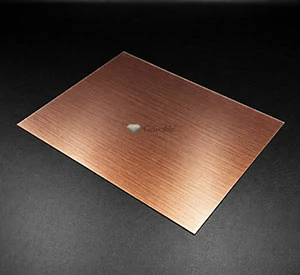
Cover glass for smart home control panels can combine touch interaction, display windows, printed graphics and a clean wall-mounted interface for connected household systems.
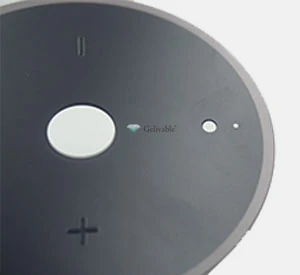
Smart switch glass panels provide a smooth front surface for capacitive touch interaction and can include printed icons, indicator windows, masking areas and custom edge details.
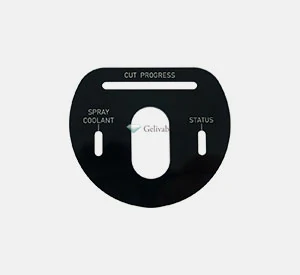
Smart thermostat cover glass can be developed around the display opening, touch area, printed graphics, edge profile and surface treatment required for the final thermostat design.
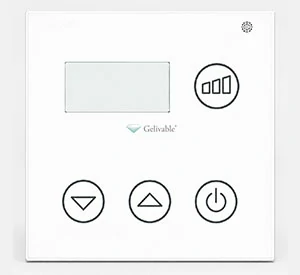
Smart appliance control glass can support touch buttons, display windows, printed symbols, masking zones and hidden-display effects for connected appliances and other intelligent home equipment.
GelivableGlass supports smart home cover glass from material review through precision fabrication, including CNC machining, drilling, edge finishing, printing, chemical strengthening, AG treatment, AR/AF surface options and adhesive bonding.
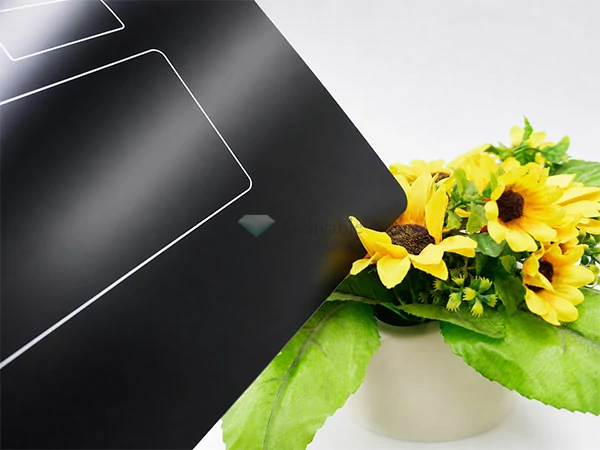
Corning Gorilla Glass can be evaluated for frequently touched smart home cover glass that requires a thin aluminosilicate substrate, chemical strengthening and good optical clarity.
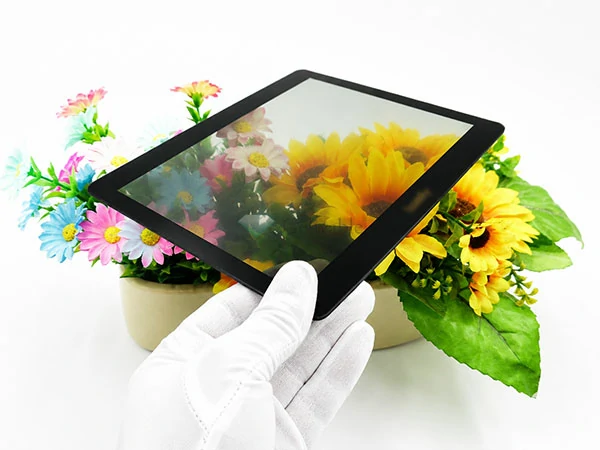
AGC glass can be reviewed for smart home cover glass according to thickness, optical appearance, strengthening route and downstream fabrication requirements.
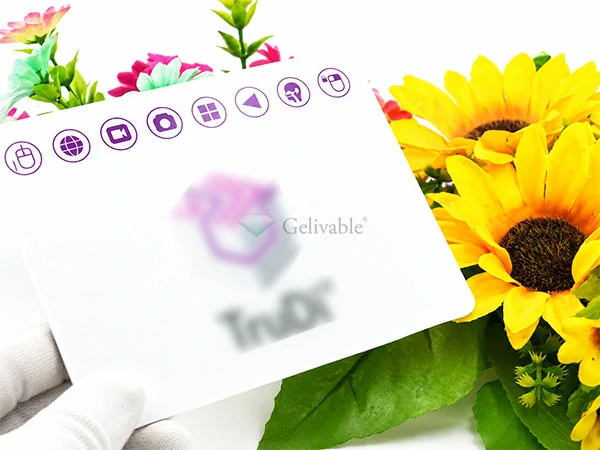
Panda Glass can be evaluated for chemically strengthened smart home touch panels and display-cover applications where durability and a clean glass surface are required.
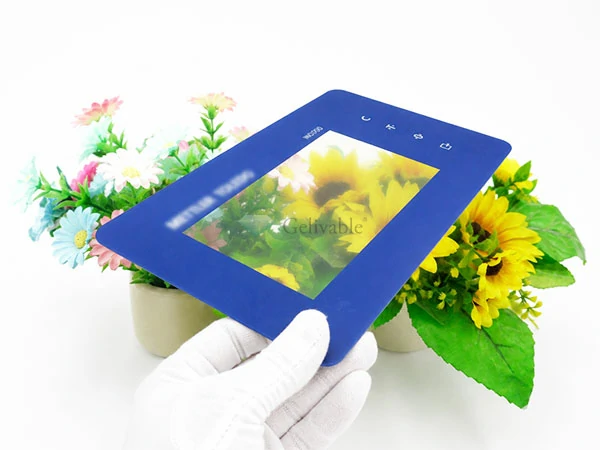
Sapphire can be considered for selected high-hardness windows or sensor openings where scratch resistance is a primary requirement and the design is compatible.
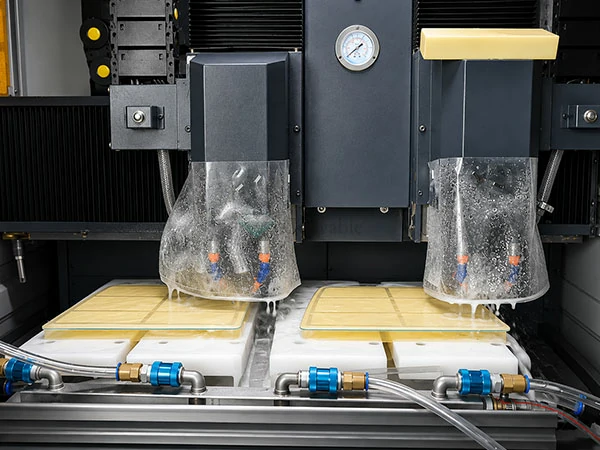
CNC machining supports custom outlines, holes, slots, cutouts and display openings for smart switches, wall controls, thermostats, sensors and other smart home cover glass.

Water jet cutting can be evaluated for selected profiles and cutouts where the material, thickness and geometry are compatible with the process.
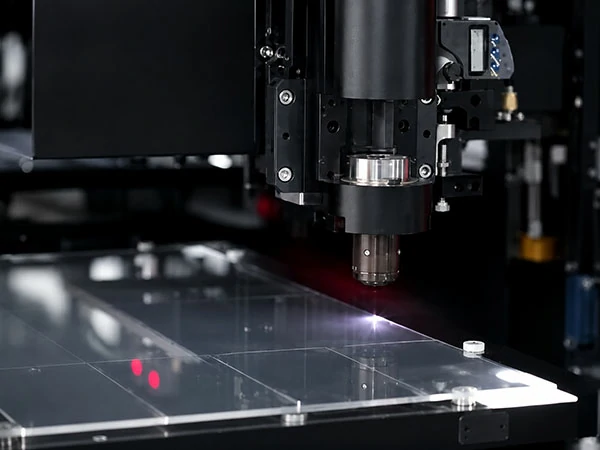
Laser processing can support selected cutting, drilling, engraving and marking requirements for detailed smart-home glass components.
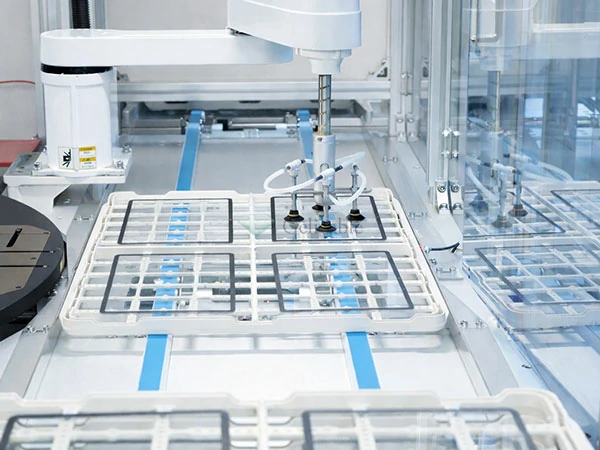
Silk-screen printing can add icons, borders, logos, masking areas, transparent windows and touch-control graphics to smart home cover glass.
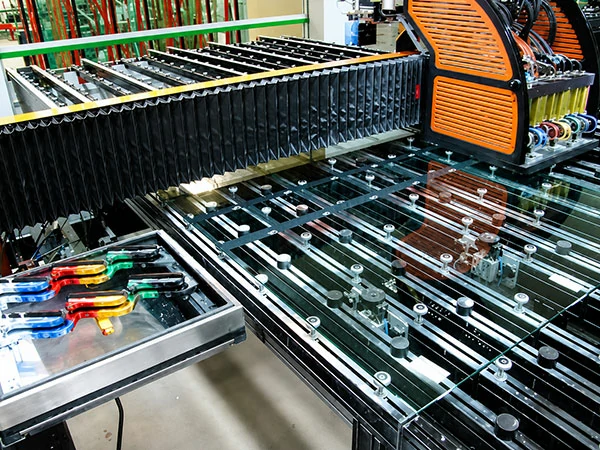
Digital printing can reproduce detailed multi-color graphics where a more complex decorative interface is required.
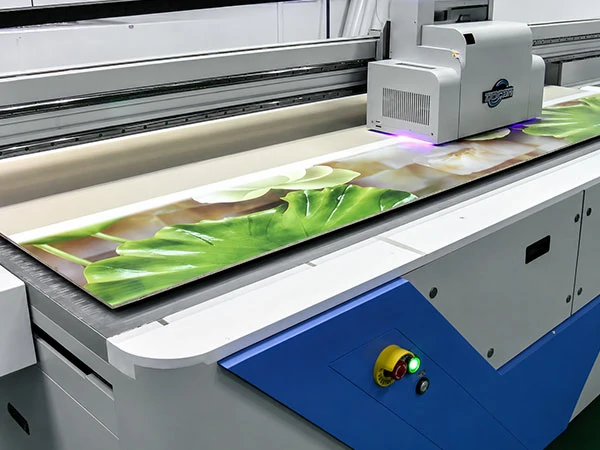
UV printing can be evaluated for detailed decorative or functional graphics when the ink system and finished-surface requirements are compatible.
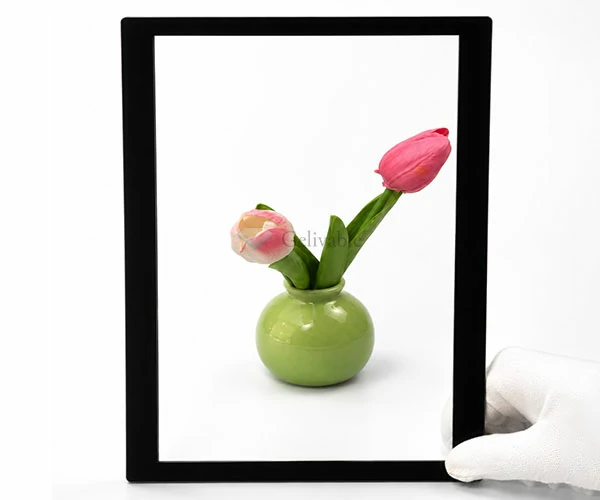
Anti-reflective treatment can be evaluated where lower surface reflection and clearer display viewing are required on smart home control interfaces.
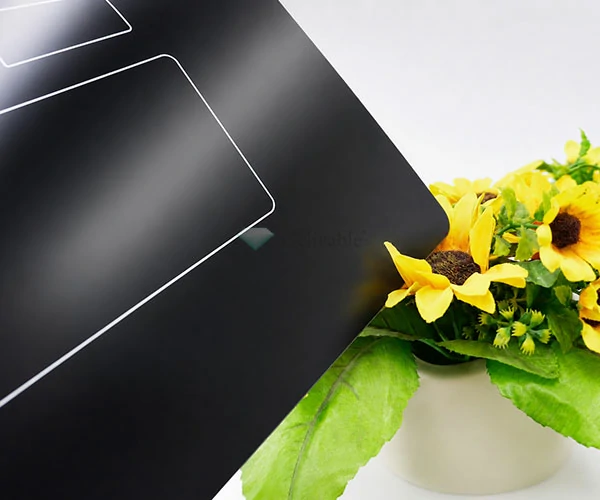
Anti-glare treatment can diffuse disturbing reflections on wall-mounted displays and touch panels under bright or changing indoor lighting.
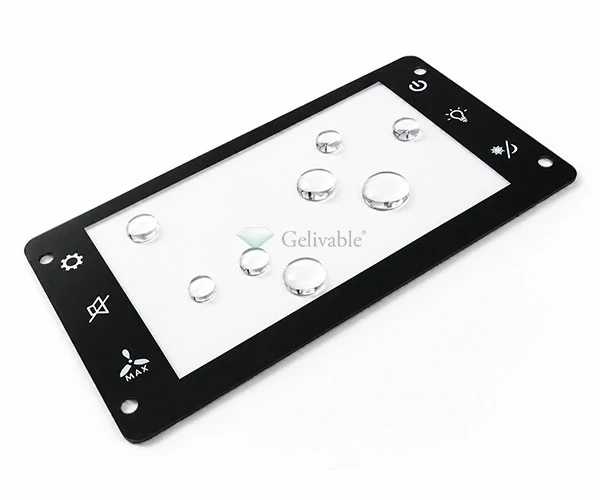
Anti-fingerprint treatment can help reduce visible fingerprints and oily marks on frequently touched smart home cover glass.
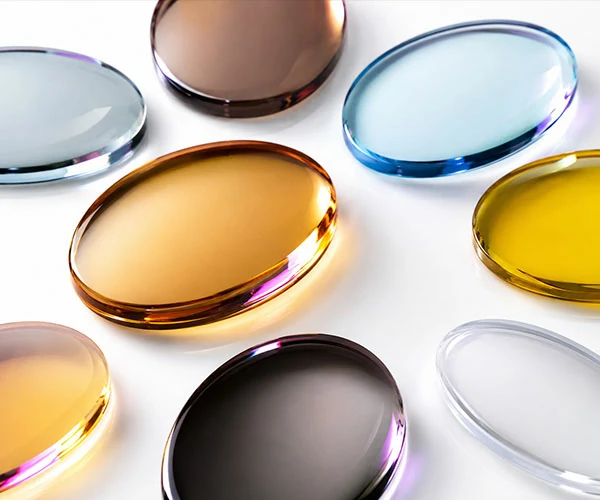
Selected optical coatings can be reviewed according to the required transmission or reflection behavior of display windows and sensor areas.
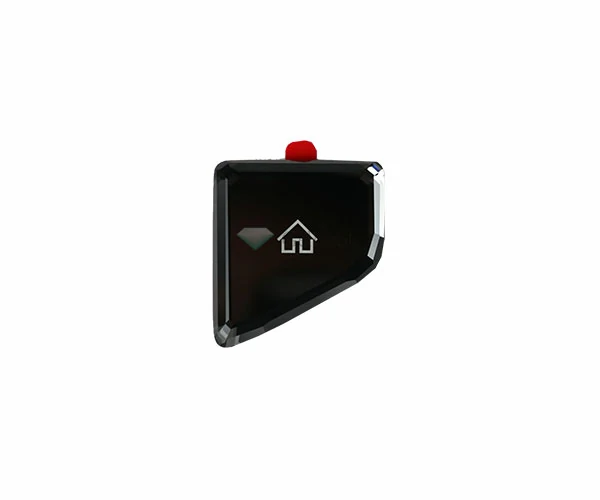
A conventional flat edge structure for standard smart switches, wall panels and display cover glass.
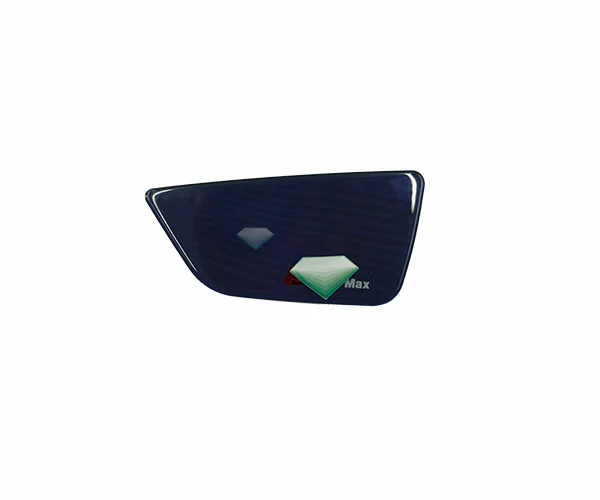
2.5D edge processing creates a rounded perimeter transition for products where touch feel and visual integration are important.
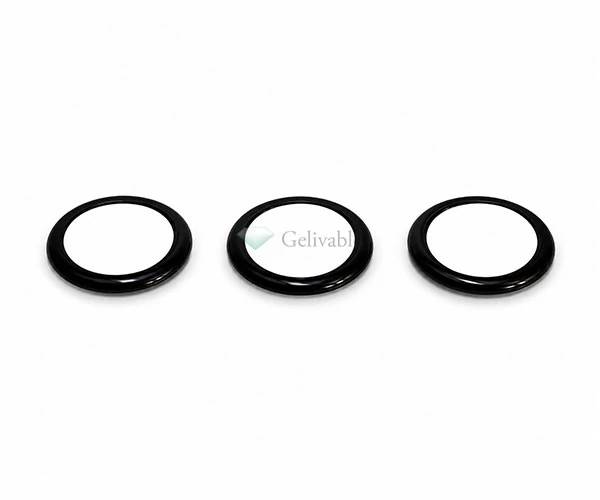
Selected 3D edge structures can be evaluated for custom smart-home front panels and more complex product geometries.
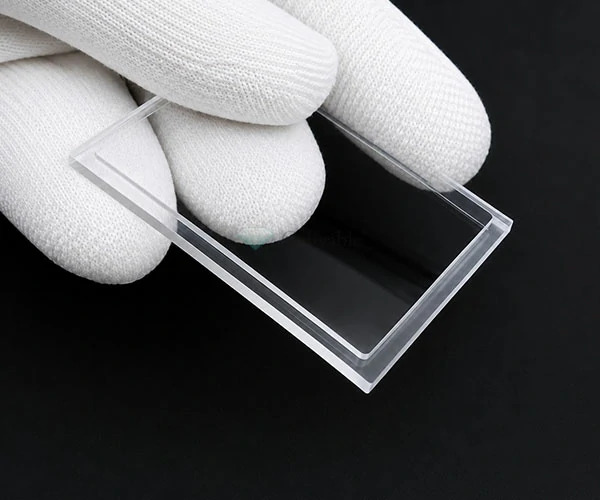
Stepped-edge processing can create multi-level profiles for special mounting, bonding and enclosure requirements.

Smart home cover glass can be bonded to display modules, touch sensors, frames and housings when the adhesive structure is compatible with the glass surface, alignment requirements and finished assembly.
The bonding method should be reviewed according to the glass, touch or display module, enclosure and required visual appearance.
Where optical bonding or full-surface lamination is required, the adhesive and optical stack should be evaluated on the actual product construction.
Cover-glass fabrication, printing, strengthening, surface treatments, touch layout and bonding should be reviewed together before the final smart-home front-panel specification is approved.

Smart home products can require different glass sizes, printed icons, display windows, touch zones, hidden-display effects, strengthening, AG/AR/AF treatments and bonding structures. These requirements should be reviewed together with the electronic interface and enclosure.
GelivableGlass can review the material, dimensions, machining, printing, strengthening, surface treatments, edge structure and bonding route around the finished smart-home product rather than treating the cover glass as a standalone decorative part.
Smart home cover glass is the finished front glass used on wall controls, smart switches, thermostats, touch panels and connected appliance interfaces. It can combine display windows, touch areas, printed graphics, surface treatments and bonding features in one component.
Yes. Smart home cover glass can be customized with different sizes, shapes, holes, cutouts, edge profiles, printed icons, masking areas, transparent windows and surface treatments according to the product structure and user interface.
Printing options can include borders, icons, logos, masking areas, transparent or semi-transparent windows and multi-color graphics. The printing method is selected according to the design, glass surface and finished-product requirements.
AG treatment can reduce glare, AR treatment can reduce surface reflection, and AF treatment can help reduce fingerprints on frequently touched glass. The suitable treatment depends on the viewing, touch, cleaning and appearance requirements of the product.
Yes. Cover glass can be evaluated for bonding to compatible touch sensors, display modules, frames or housings. The adhesive structure, alignment, visible area and final assembly should be reviewed together before production.
Provide the drawing or target dimensions, glass thickness, quantity, application and required features such as holes, cutouts, printed graphics, strengthening, AG/AR/AF treatments or bonding. Touch and display layout information is helpful when the glass must align with electronic components.
Read technical articles about smart home cover glass, smart switch glass panels, control-panel glass, touch interfaces, printing, AG/AR/AF treatments and precision glass fabrication.
View All Blog
An industrial touchscreen may be used hundreds of times per shift. Operators might wear gloves, work under bright overhe···
Read More
Recently, I have been thinking carefully about how we should explain an important change to our customers—and, more impo···
Read More
AG anti-glare glass is most suitable for display applications where strong ambient light, reflections, long viewing peri···
Read MoreSend us the drawing or target dimensions, glass thickness, quantity, display or touch layout, printed graphics and required surface treatments. We can review the cover-glass fabrication route around the finished smart-home device.
Contact our team for material selection, CNC and printing review, strengthening, AG/AR/AF options, bonding, sample development and quotation support.