When Corning Gorilla Glass Becomes Essential | Gelivable
Why Some Applications Require Corning Gorilla Glass | GelivableWhy Some Applications Require Corning Gorilla GlassIn man···
Read MoreCustom silk-screen, digital and UV printing for cover glass, display glass and equipment panels, including borders, icons, logos, masking areas, multi-layer graphics and project-specific functional inks.
GelivableGlass provides custom glass printing for cover glass, display panels, smart controls, appliance interfaces and technical glass components. Printing can create borders, logos, icons, button graphics, masking areas and other functional or decorative features.
Available process routes include silk-screen printing, digital printing and UV printing. The correct method depends on artwork complexity, number of colors, ink system, glass material, required durability and whether strengthening or other surface processes are included.
GelivableGlass current production-process information lists precision multi-layer registration, high-temperature ceramic inks, IR inks, metallic inks and outdoor UV-resistant ink systems for selected projects.
Get a quotePrinting turns a plain glass component into a finished interface by combining visual design, masking and functional markings with the mechanical glass part.
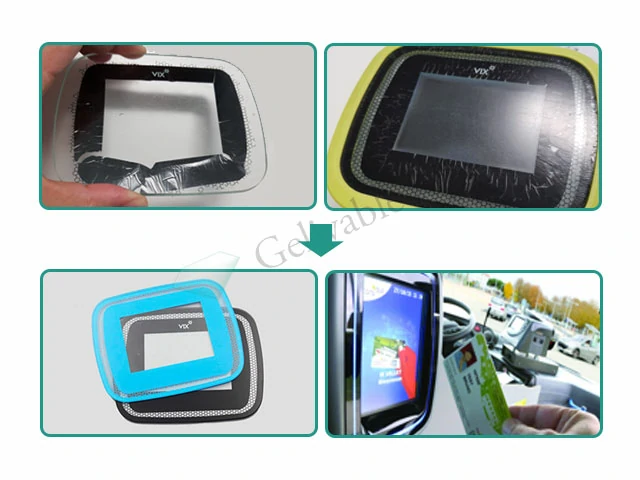
Borders, icons, legends, button graphics and masking areas can be printed directly onto the glass component.
Multiple printing passes can build complex graphics, layered colors and high-opacity areas when the design requires them.
High-temperature ceramic, IR, metallic and UV-resistant ink systems can be selected according to the product environment and process sequence.
Different printing methods can be selected for solid-color functional graphics, detailed multi-color artwork or flexible small-batch customization.
Printing can be coordinated with CNC machining, strengthening, AG/AR/AF treatments and adhesive bonding according to process compatibility.
Artwork, color, registration and appearance can be evaluated at sample stage before repeat production is released.
The following capabilities are based on GelivableGlass current production-process information. Final ink, curing route, layer count and appearance should be confirmed using the actual artwork and glass process stack.
| Item | Reference / Project Consideration |
|---|---|
| Printing Methods | Silk-screen printing, digital printing and UV printing |
| Multi-Layer Registration | Current process reference supports complex designs with 10+ printing layers |
| High-Temperature Ink | Ceramic ink systems for compatible heat-processing routes |
| Functional / Specialty Inks | IR ink and metallic ink options for selected projects |
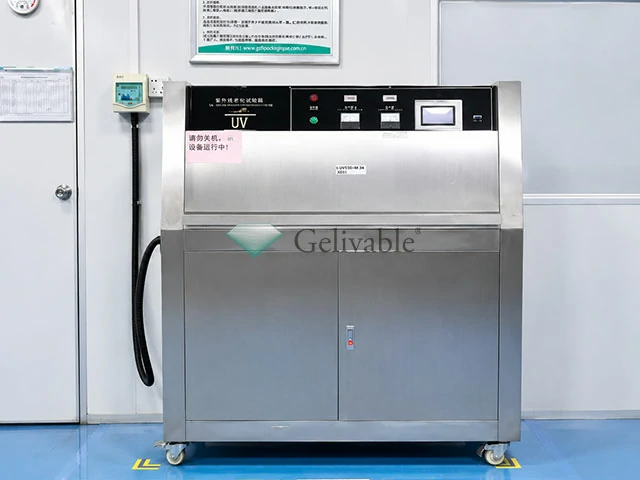
| Outdoor UV-Resistant Printing | Selected outdoor ink systems have been evaluated for more than 1,250 hours of accelerated weathering |
| Artwork & Color | Color target, opacity, printed area, registration and sample approval should be confirmed before batch production |
| Process Sequence | Printing sequence depends on ink chemistry, strengthening process, coating stack and final assembly |
Not every ink system is suitable for every glass, strengthening method or coating stack. The artwork and process route should be reviewed together before production.
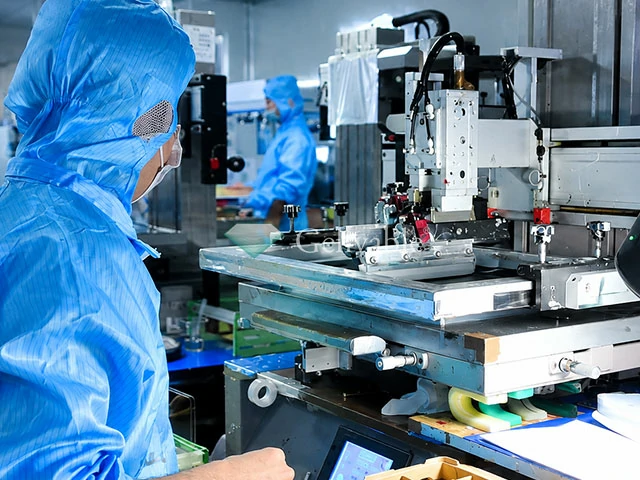
Silk-screen printing is well suited to repeat production of solid-color borders, icons, legends, button graphics and masking areas on cover glass and equipment panels.
Digital and UV printing can be evaluated for detailed graphics, gradients, multi-color artwork and projects that benefit from flexible small-batch customization.
Printed glass is widely used where the cover glass also functions as a visual interface, brand surface, masking layer or control panel.
Smart switches, wall controls and connected-home interfaces can use printed icons, borders, logos and hidden display areas on the front glass.
Appliance panels can combine decorative printing, control graphics, display windows and durable masking areas for a clean finished interface.
Industrial controls and equipment panels can use printed legends, function keys, warning marks, black masks and display windows according to the interface design.
Medical and laboratory interfaces can use durable printed labels, icons, borders and display masks while maintaining a cleanable glass front surface.
Send us the glass drawing, dimensions, thickness, quantity, artwork, color target, printed area, required ink type or environment, plus any strengthening, coating or bonding requirements.
Printing quality depends on artwork, color control, ink selection, registration and the sequence with other glass processes. GelivableGlass reviews these requirements as one finished-part workflow.
Printed area, color target, opacity, layer order and registration are confirmed before sample production.
Silk-screen, digital and UV printing can be selected according to design complexity, volume, ink system and durability requirements.
Printing is coordinated with CNC machining, strengthening, surface treatments and bonding so the ink system is compatible with the complete glass process.
GelivableGlass supports silk-screen printing, digital printing and UV printing. The appropriate method depends on artwork, color count, quantity, ink chemistry, durability and the other glass processes in the project.
Typical printed features include black masks, borders, logos, icons, button graphics, legends, decorative patterns and selected functional windows or markings.
Yes. GelivableGlass current production-process reference supports precision multi-layer registration for complex designs with more than ten printing layers where the project requires it.
The current production-process reference includes high-temperature ceramic inks, IR inks, metallic inks and outdoor UV-resistant inks for selected projects.
Selected outdoor UV-resistant ink systems have been evaluated for more than 1,250 hours of accelerated weathering. Final outdoor suitability still depends on the ink system, glass construction, exposure conditions and customer acceptance criteria.
It depends on the ink system and strengthening method. High-temperature ceramic ink is commonly coordinated with thermal tempering, while low-temperature or UV-curable printing may follow a different sequence. The complete process stack should be reviewed before production.
Please provide the glass drawing, dimensions, thickness, quantity, artwork or vector graphics, color reference, printed side, opacity or window requirements, and any strengthening, coating or bonding requirements.
Read technical articles about silk-screen printing, digital and UV glass printing, black-mask design, specialty inks, cover glass and integrated glass fabrication.
View All BlogSend us your glass drawing and artwork with dimensions, quantity, color target, printed area and environmental requirements. GelivableGlass can review the printing method and process sequence together with the complete glass component.
Contact our team for artwork review, sample color matching, process selection and quotation support.