When Corning Gorilla Glass Becomes Essential | Gelivable
Why Some Applications Require Corning Gorilla Glass | GelivableWhy Some Applications Require Corning Gorilla GlassIn man···
Read MoreDark grey glass with controlled light transmittance for display cover applications where the screen should remain clearly visible when powered on and visually blend with the surrounding black area when powered off.
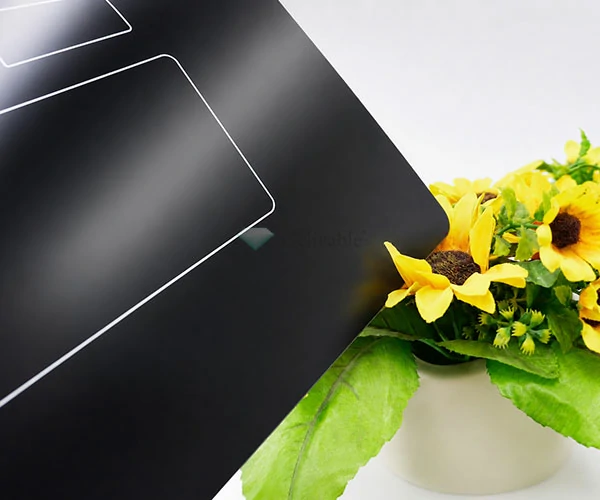
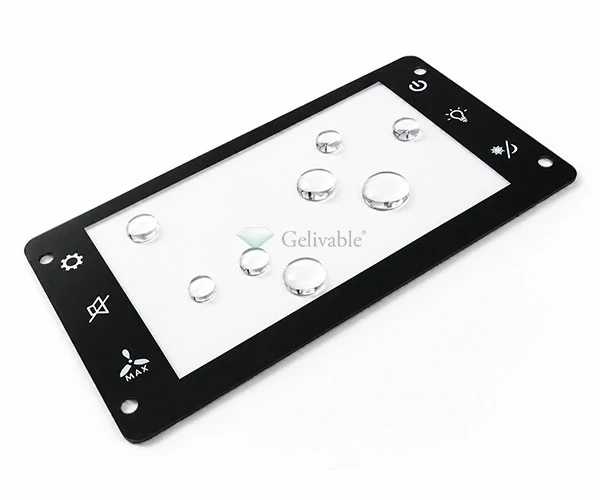
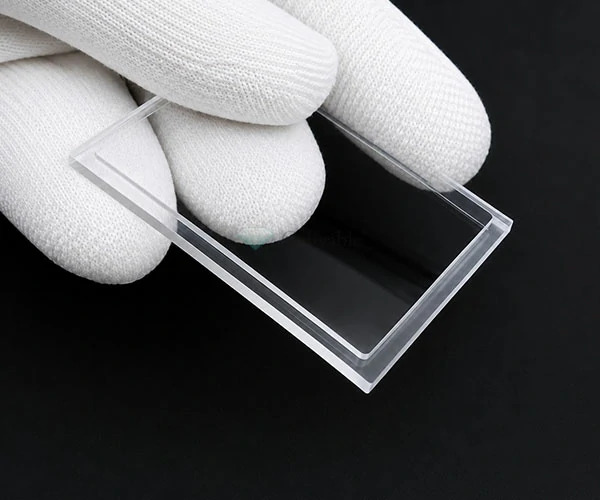
GelivableGlass grey glass is produced by introducing inorganic metal oxide colorants into transparent glass raw materials, creating a dark grey glass body with controlled light transmittance. In display applications, the material can help the active viewing area and surrounding black-mask area achieve a more uniform all-black appearance when the screen is off, while allowing displayed content to remain visible when the screen is on. Size and shape can be customized according to customer drawings, with current brochure specifications supporting sizes up to 32 inches.
The current GelivableGlass grey glass specification provides multiple thickness and transmittance combinations for integrated-black display applications. Size and shape can be custom processed according to customer product drawings.
| Thickness (mm) | Transmittance at 550 nm |
|---|---|
| 2.1 ± 0.2 | 41.5% ± 3 |
| 3.0 ± 0.2 | 65% ± 3 |
| 3.2 ± 0.2 | 28% ± 3 |
| 4.0 ± 0.2 | 25% ± 5 |
The values above reproduce the current GelivableGlass grey glass brochure specifications. Final material, thickness, transmittance and finished dimensions should be confirmed for the specific project.
Etched anti-glare and anti-fingerprint surface options can be combined with grey glass according to the viewing environment, touch frequency and finished display requirements.
An etched AG surface can reduce strong surface glare and help improve display readability in bright environments.
AF treatment provides an oleophobic surface for frequently touched display glass and helps make fingerprints and oily marks easier to clean.
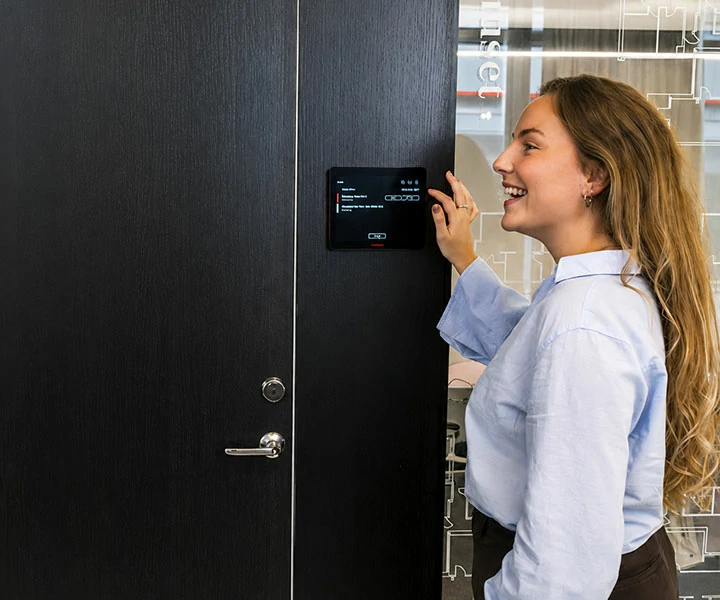
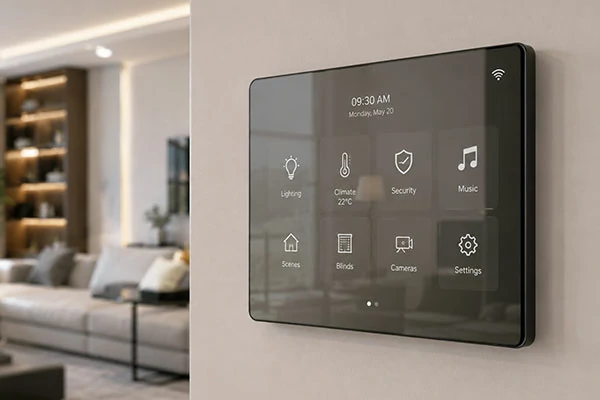
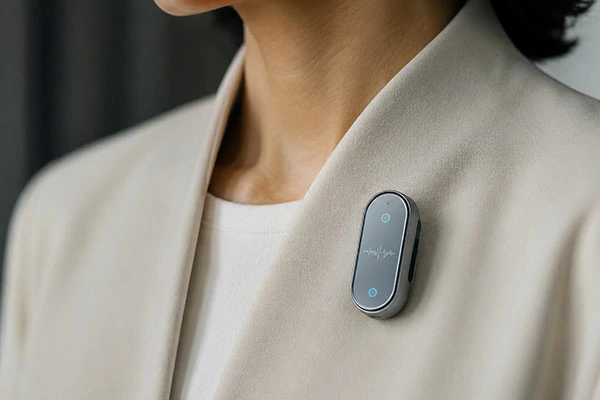
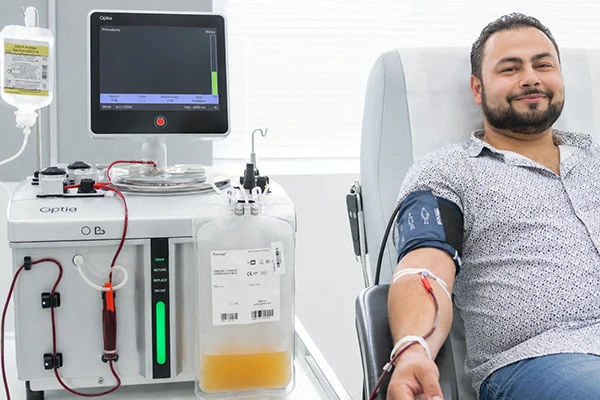
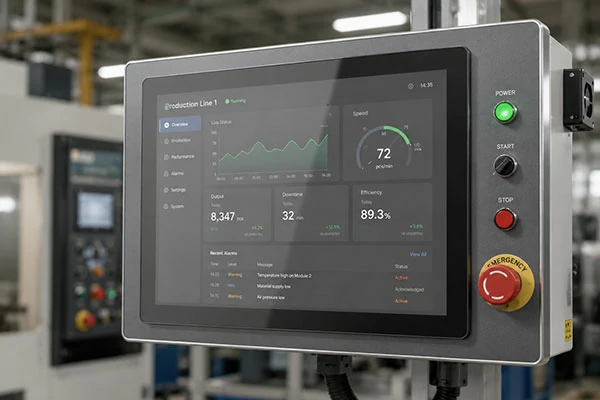
Grey glass is used in display interfaces where the product needs a uniform dark appearance when the screen is off. Current GelivableGlass application data includes smart home devices, smart wearables, medical equipment and industrial HMI systems.
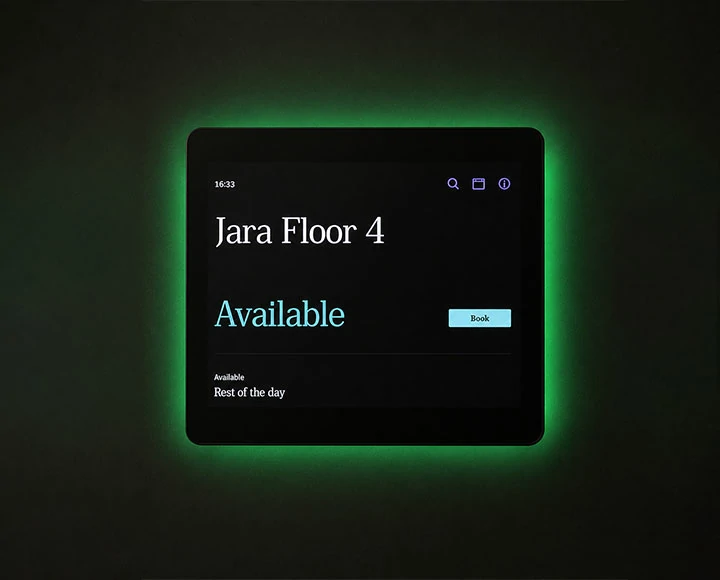
When the display is off, grey glass helps reduce the visible difference between the display viewing area and surrounding black area, creating a cleaner and more unified front-panel appearance.
The current GelivableGlass brochure compares grey glass with coating, film lamination and printing approaches for creating an integrated-black appearance.
| Solution | Effect | Cost | Yield Rate | Production Cycle |
|---|---|---|---|---|
| Coating | Relatively good | High | Low | Long |
| Film Lamination | Relatively good | High | Low | Long |
| Printing | Only suitable for small areas of 20 × 20 mm | High | Low | Short |
| Grey Glass | Supports large areas up to 32 inches | Low | High | Short |
Comparison values reproduce the current GelivableGlass grey glass brochure and should be treated as solution-level reference information for project evaluation.
Grey glass can be developed as a custom front-glass component with project-specific machining, printing, surface treatment, edge processing and bonding requirements. The finished process should be reviewed together with the glass specification, display structure and assembly design.
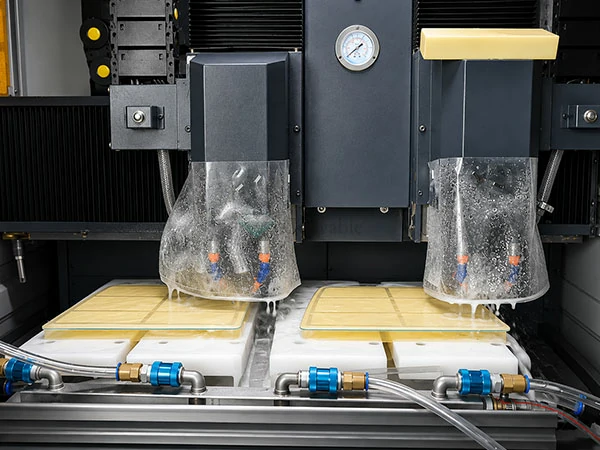
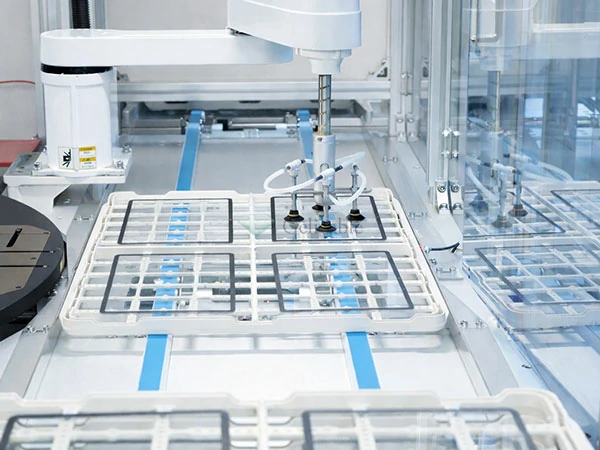
CNC machining supports custom profiles, holes, slots and structural openings according to the finished front-panel drawing.
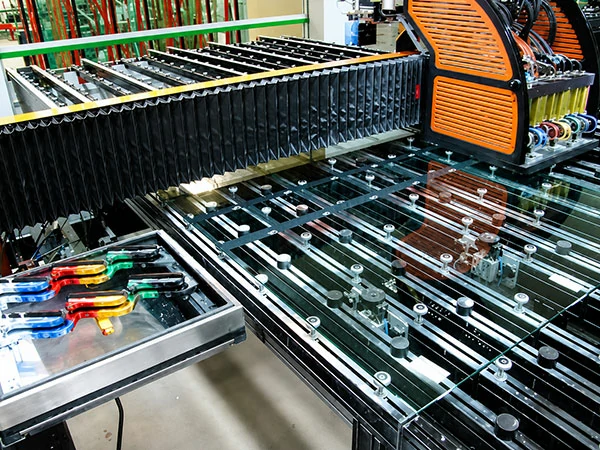
Water jet cutting can be evaluated for selected custom shapes and larger structural features where the project geometry is suitable.
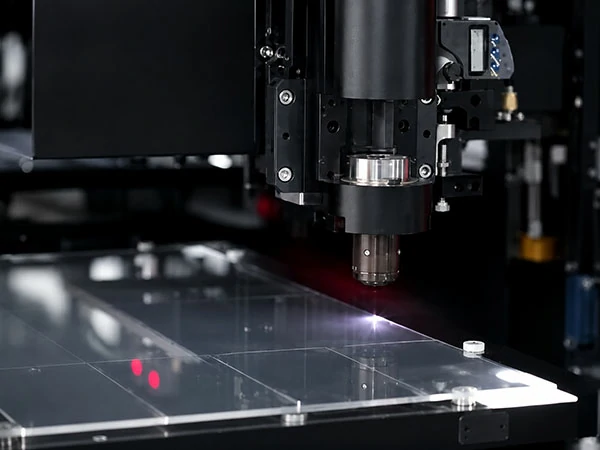
Laser processing can support selected cutting, drilling, engraving and marking requirements depending on material and part design.
Silk-screen printing can add borders, logos, icons, masking areas and functional graphics where required by the interface design.
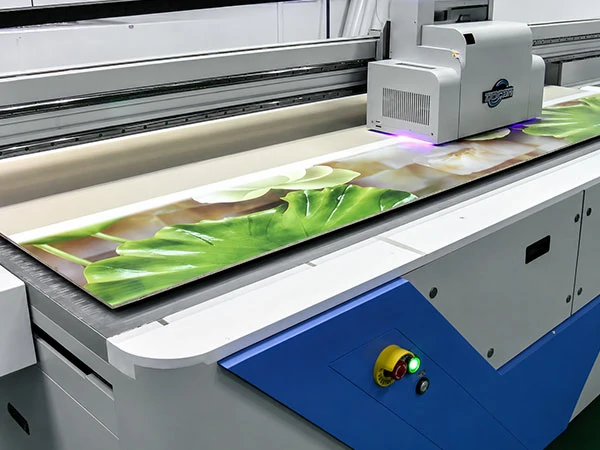
Digital printing supports detailed patterns and customized visual graphics for selected glass front-panel requirements.
UV printing can be evaluated for customized markings and decorative graphics according to finished-product requirements.
The current grey glass brochure specifies an etched AG option with customizable gloss level from 35 to 110.
AF treatment provides an oleophobic easy-clean surface for grey glass used on frequently touched display interfaces.
Standard flat-edge processing for conventional front-glass structures and equipment panels.
Rounded edge transitions can improve handling and create a smoother finished front-panel appearance.
Selected curved and shaped structures can be reviewed for projects requiring more complex glass geometry.
Stepped edge structures can support special installation, housing and assembly requirements.
Adhesive materials can support installation and integration of custom grey glass with display modules, touch panels, frames and equipment housings.
Bonding design should be reviewed together with the display stack, glass dimensions, support structure and required appearance of the finished front panel.
Send us your drawing, target size, thickness, transmittance requirement, quantity, display application and any AG, AF, printing, machining or bonding requirements.
Grey glass creates its dark appearance through the glass body itself and is designed for display products that require a clean, uniform front-panel appearance over a larger area.
Grey glass helps reduce the visible color difference between the display area and surrounding black region when the screen is off.
The current product brochure specifies custom size and shape processing with maximum size up to 32 inches.
Etched anti-glare and anti-fingerprint treatments can be selected according to display visibility, touch frequency and finished-product requirements.
Grey glass is a dark-tinted glass body produced by introducing inorganic metal oxide colorants into transparent glass raw materials. For display applications, controlled light transmittance can help create a more uniform dark appearance across the front panel.
When the display is powered on, light passes through the grey glass so the display remains visible. When the display is off, the dark glass helps reduce the visible difference between the display area and the surrounding black-mask area, creating a more unified black front surface.
The current GelivableGlass brochure lists 2.1 ± 0.2 mm at 41.5% ± 3, 3.0 ± 0.2 mm at 65% ± 3, 3.2 ± 0.2 mm at 28% ± 3, and 4.0 ± 0.2 mm at 25% ± 5, measured at 550 nm. Final specifications should be confirmed for the project.
The current brochure specifies custom size and shape processing with a maximum size of 32 inches.
Yes. Size and shape can be custom processed according to customer product drawings, subject to the selected glass specification and manufacturing feasibility.
The current product data specifies etched AG anti-glare treatment with customizable gloss from 35 to 110 and AF anti-fingerprint treatment with a water contact angle above 110 degrees.
The current GelivableGlass brochure identifies smart home devices, smart wearables, medical equipment and industrial HMI systems as key application areas.
According to the current GelivableGlass solution comparison, grey glass supports integrated-black treatment over larger areas up to 32 inches, while the brochure lists lower cost, higher yield rate and a shorter production cycle relative to the coating and film-lamination solutions shown in the same comparison.
Read technical articles about display cover glass, integrated-black front panels, anti-glare and anti-fingerprint treatments, and custom glass fabrication.
View All BlogSend us your drawing, target size, thickness, display structure and transmittance requirement. GelivableGlass can review the grey glass specification together with AG, AF, machining, printing and assembly requirements for your integrated-black display project.
Contact our team to review thickness, transmittance, dimensions, surface treatment and finished display appearance requirements.