Gelivable Earns 2026 EcoVadis Bronze Medal for Sustainability
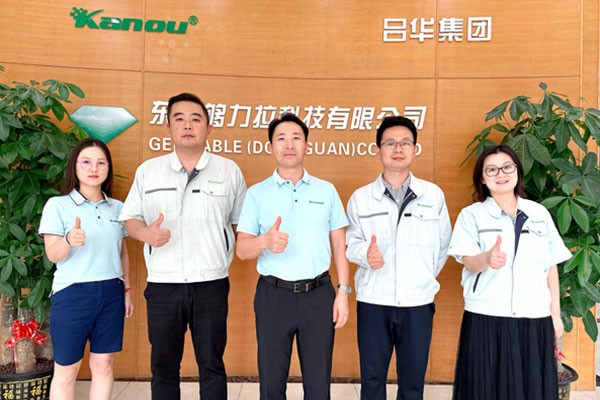
Gelivable has earned a 2026 EcoVadis Bronze Medal, placing the assessed company in the top 35% of companies rated by Eco···
Read MoreCustom LCD cover glass and display cover glass manufactured to your drawing, with precision machining, printing, strengthening, AG/AR/AF surface treatments and bonding support for LCD modules, touch screens and equipment displays.
GelivableGlass manufactures custom LCD cover glass for protecting and finishing the front of LCD and touch-display assemblies. Unlike the internal LCD glass substrate used inside a display panel, cover glass is the external protective and decorative glass layer. It can be customized with holes, slots, cutouts, edge profiles, black masks, logos, multicolor printing, chemical strengthening, anti-glare, anti-reflective and anti-fingerprint surface options. Material and process selection can be reviewed from the drawing stage through prototype, small-batch validation and mass production.
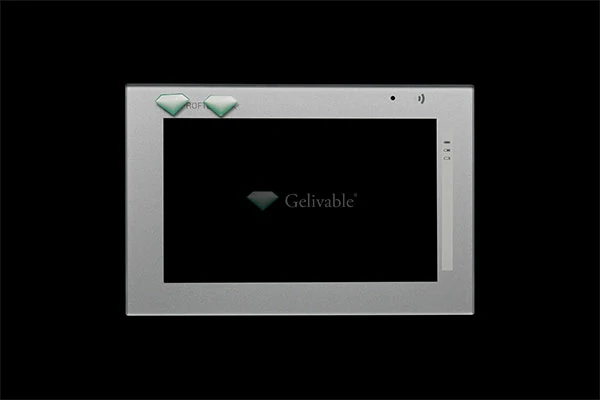
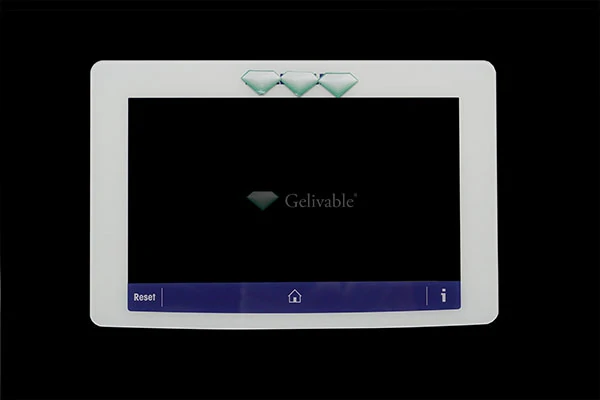
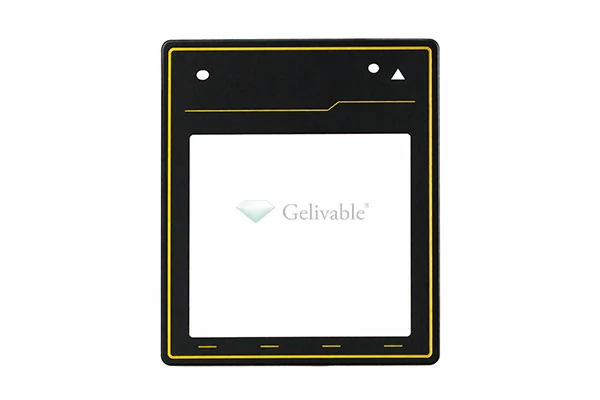
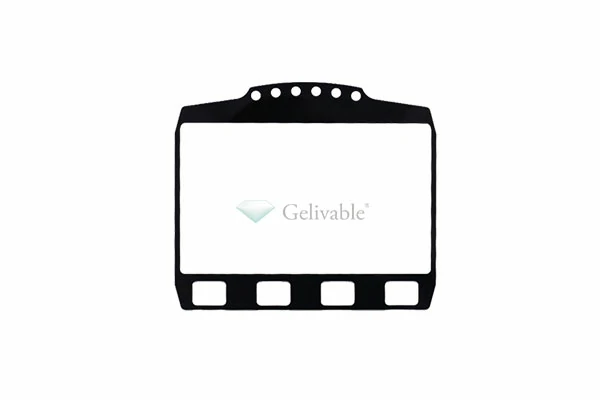
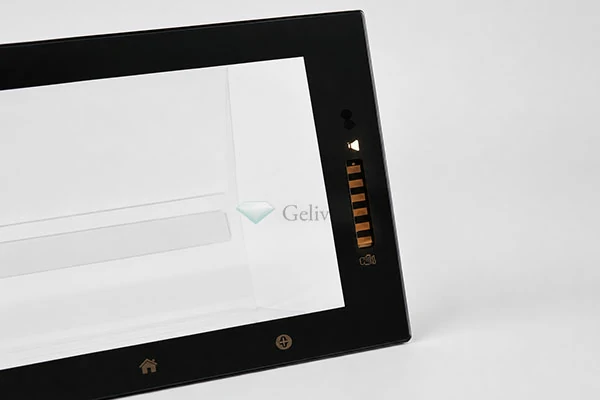
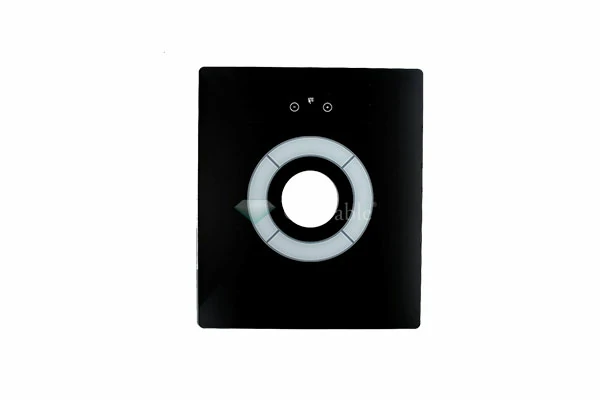
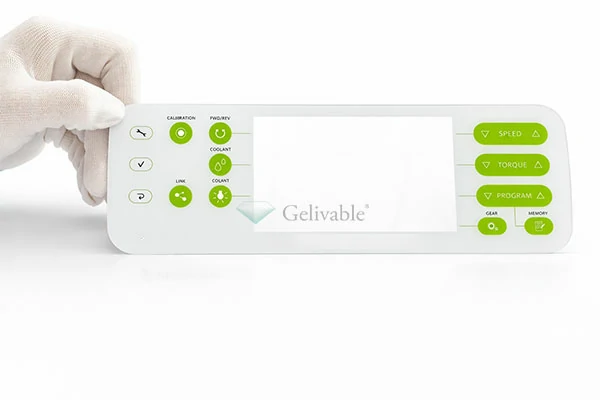
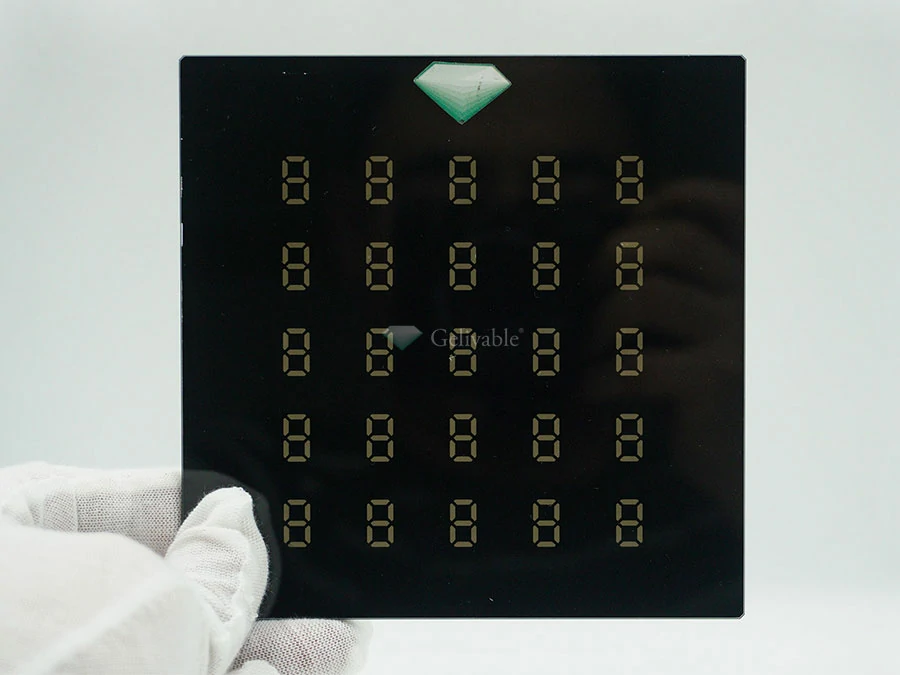
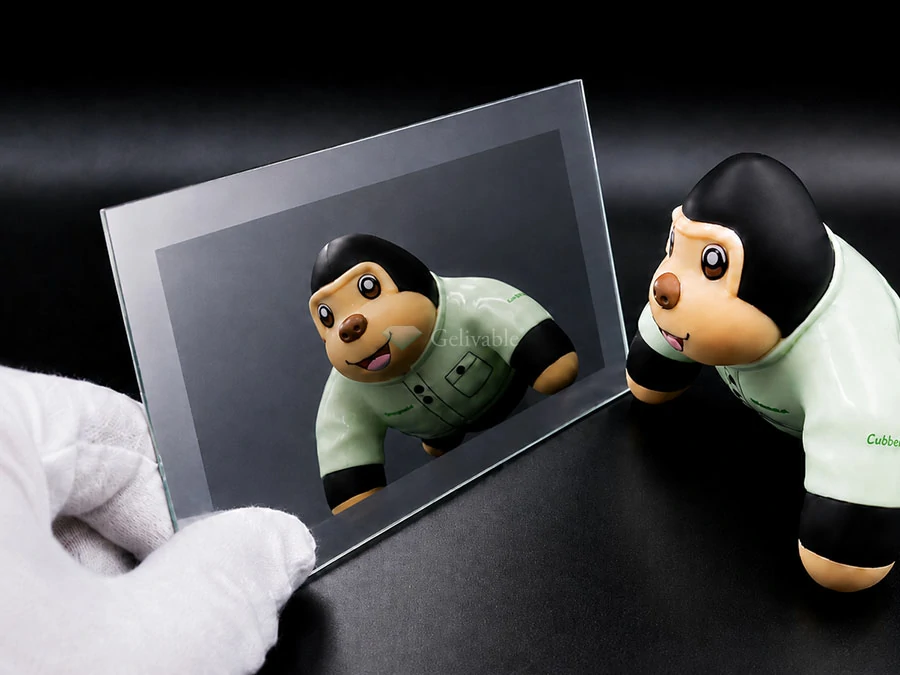
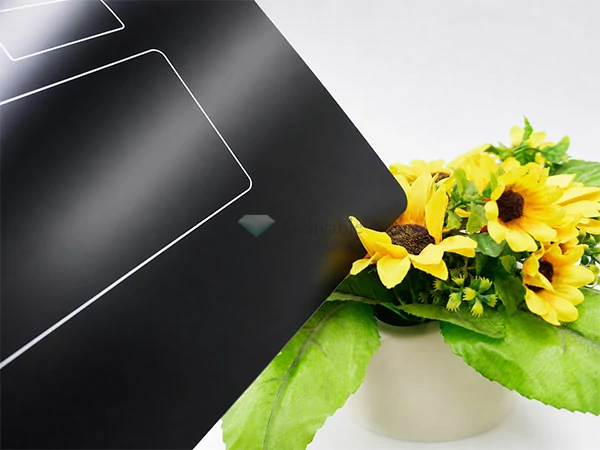
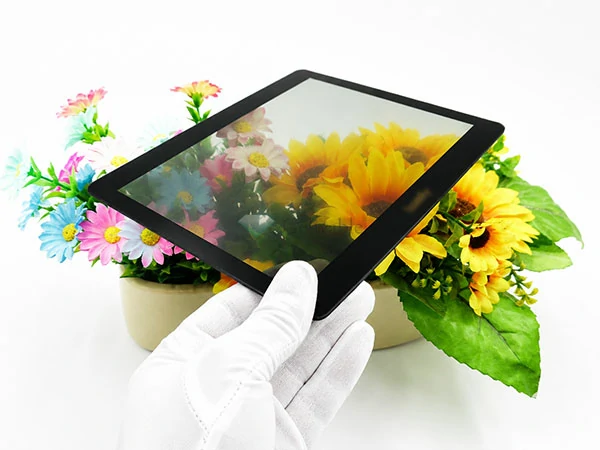
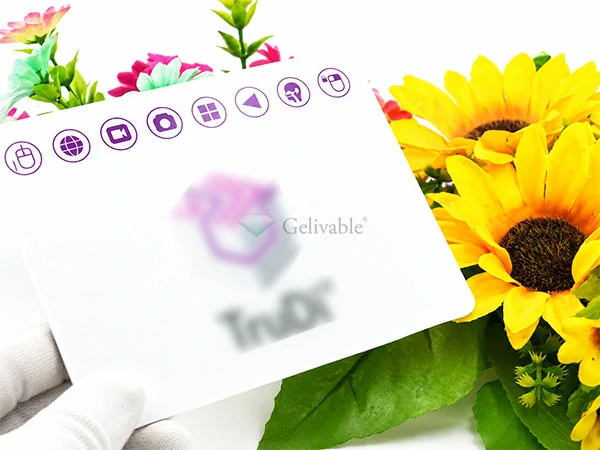
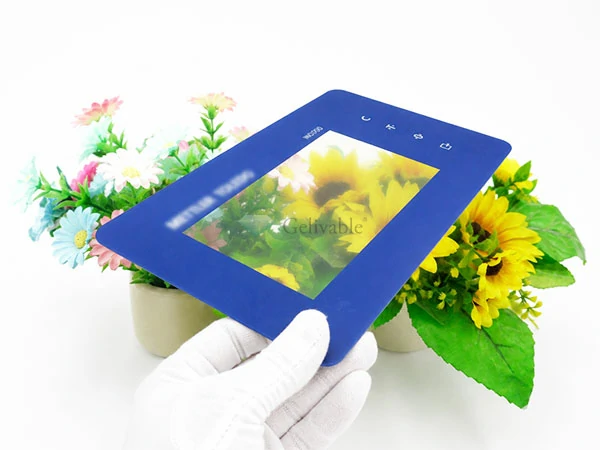
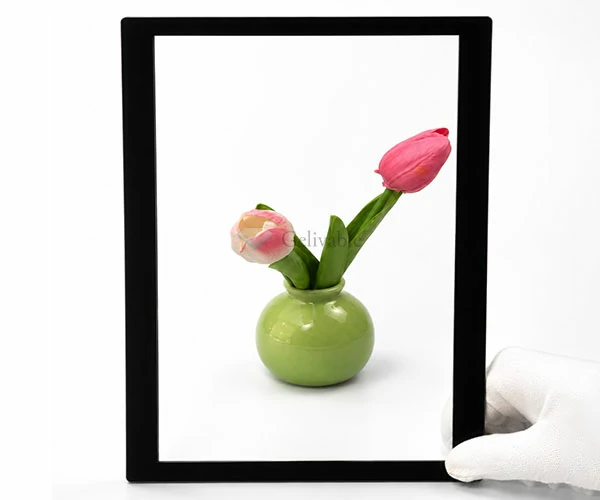
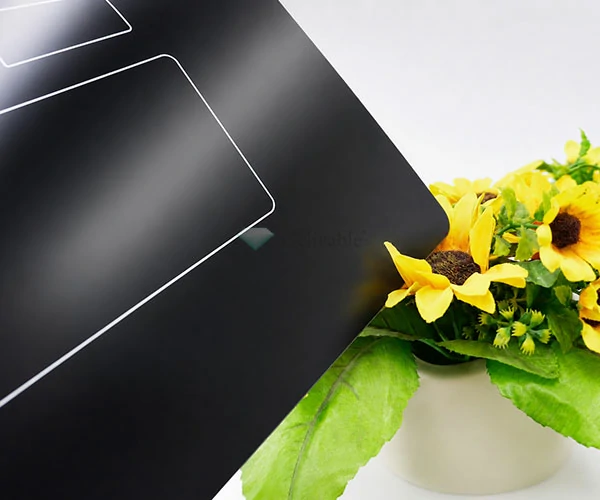
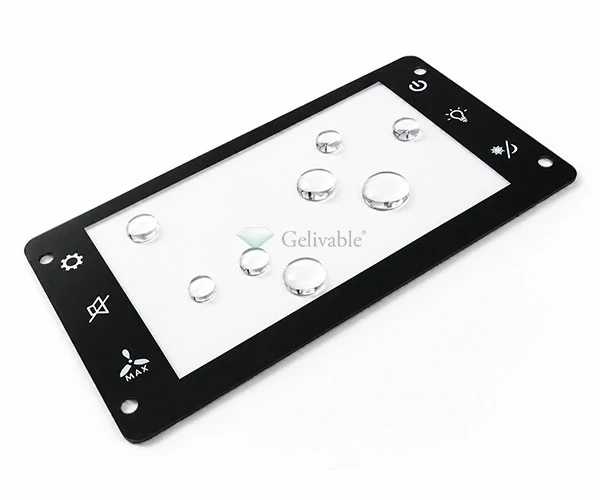
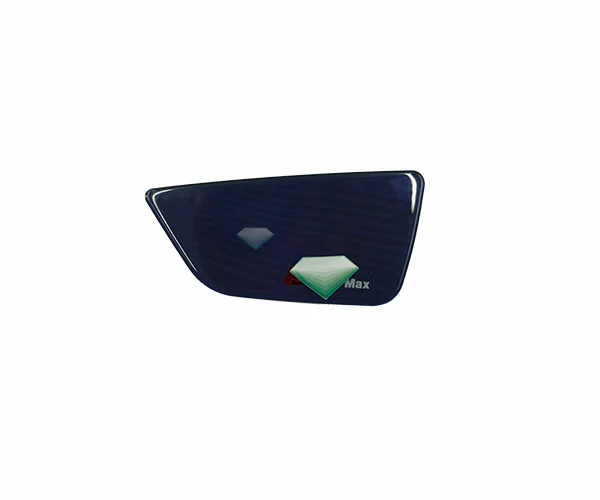
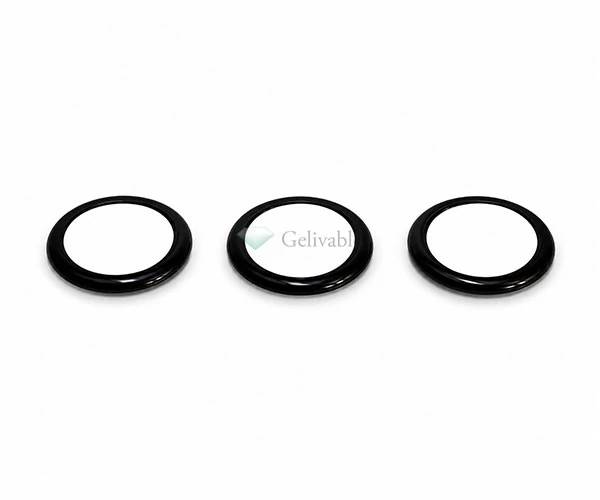
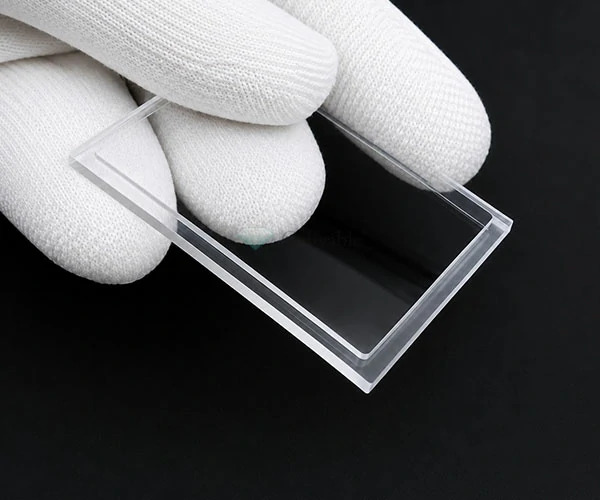
Examples of custom LCD glass and display cover glass with printing, strengthening, precision drilling, blind holes, recessed grooves and functional surface options. Final dimensions and processing are produced according to the approved drawing.
Selected cover-glass materials and strengthening processes can improve resistance to scratches, impact and everyday handling while protecting the LCD or touch-display surface underneath.
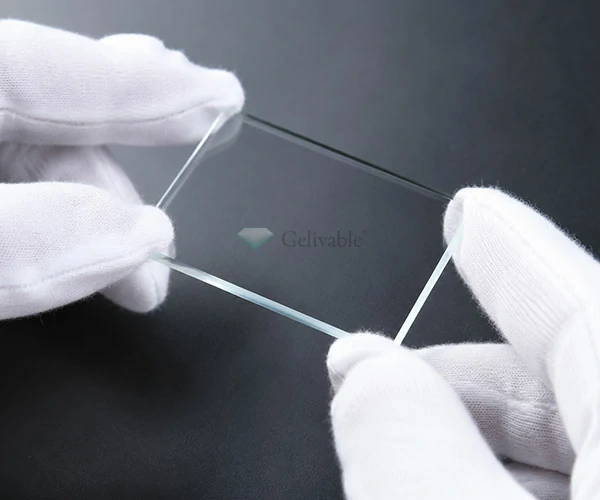
Optically clear display glass helps maintain screen brightness, color and image detail. Optional AR anti-reflective or AG anti-glare treatment can be selected when reflection or glare affects readability.
AF anti-fingerprint treatment can reduce visible fingerprints and oily marks, making frequently touched display and touch-screen glass easier to clean.
Size, shape, material, thickness, holes, cutouts, printing, coatings, edge profiles and adhesive requirements can be developed around the display module and final product structure.
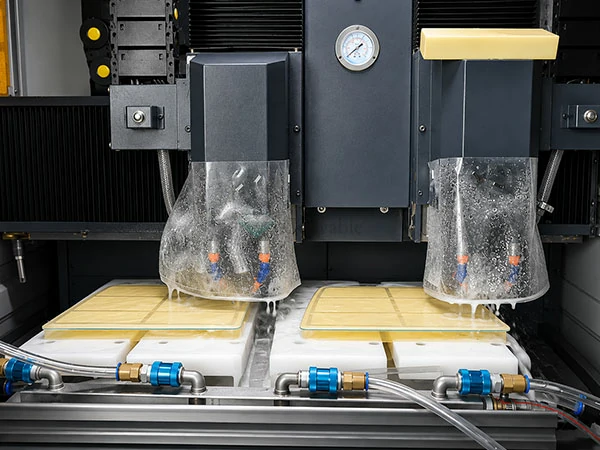
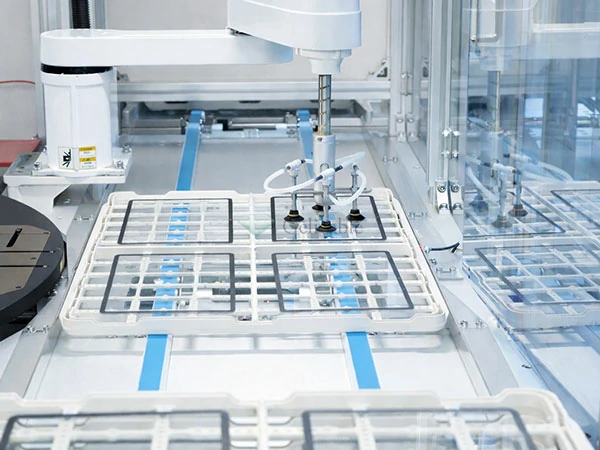
Display glass can be cut and CNC machined to match the LCD module and housing, including rectangular, round and non-standard profiles with precision-drilled holes, slots, windows, notches and other structural cutouts.
Material selection is reviewed according to required strength, thickness, optical performance, processing method, operating conditions and project cost.
Black-mask borders, logos, icons and functional graphics can be printed on the glass. Depending on the design, projects can also include metallic ink glass printing, two-color or multicolor printing and customized display windows.
AG anti-glare, AR anti-reflective and AF anti-fingerprint treatments can be evaluated according to ambient lighting, display visibility, touch frequency and surface-performance requirements.
Adhesive materials, protective films and bonding requirements can be integrated into the display cover glass specification for installation with LCD modules, touch panels, frames and equipment housings.

Custom display cover glass is used where an LCD or touch interface needs front-surface protection, clear viewing and precise integration with the finished equipment.
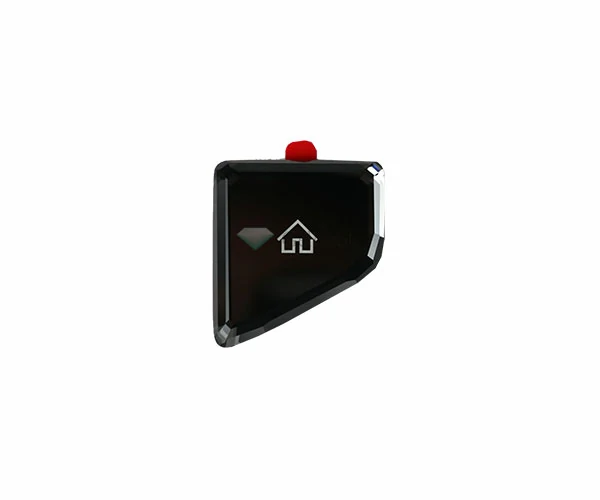
Custom LCD glass is used for wall-mounted control panels, smart switches, access-control interfaces and appliance controls where the display must integrate cleanly with the front-panel design.
Display protection glass can be customized for HMI screens, machine-control panels and automation equipment with project-specific holes, cutouts, printed masks and surface treatments.
Custom display glass can protect diagnostic, monitoring and treatment-equipment screens while supporting clear viewing, printed interface graphics and easy-clean surface options.
LCD screen glass can be developed for specialized equipment and instruments with non-standard dimensions, custom openings, optical requirements or application-specific surface treatments.
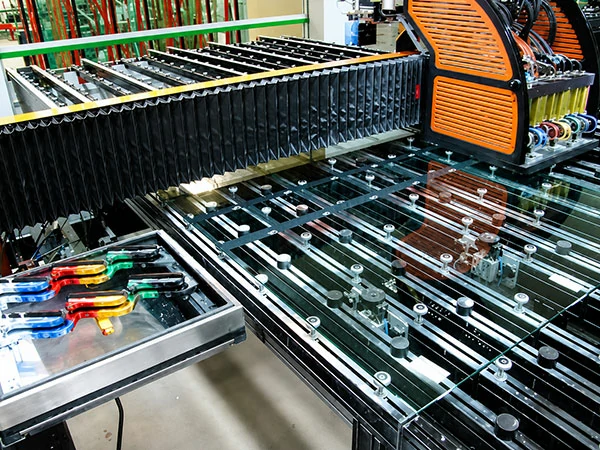
GelivableGlass supports the fabrication processes commonly required for LCD cover glass and touch-screen glass, including material selection, precision glass machining, printing, strengthening, functional coatings, edge processing and adhesive bonding. The process route is reviewed according to the drawing, display structure, optical requirements and final assembly.
Corning Gorilla Glass can be selected for display and touch applications that require a thin, optically clear and damage-resistant cover-glass material.
AGC glass materials can be evaluated for custom display glass projects according to thickness, strength, optical and processing requirements.
Panda Glass can be evaluated as a cover-glass material for projects requiring a balance of mechanical performance, optical clarity and custom processing.
Sapphire is a very hard transparent material used for protective windows and precision applications where high scratch resistance is a primary requirement.
CNC glass machining supports custom profiles, precision holes, slots, notches and cutouts for display glass that must match the LCD module, touch panel or equipment housing.
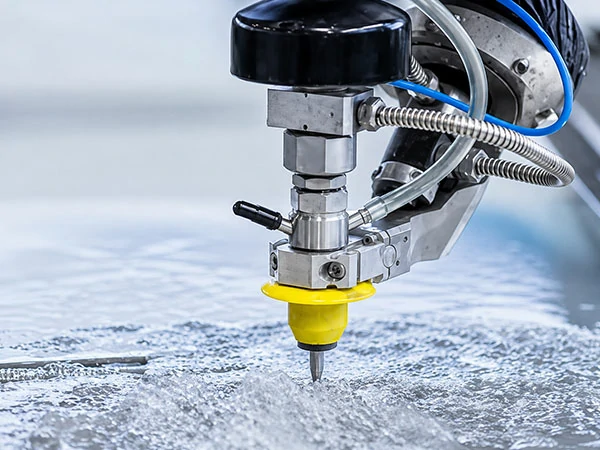
Water jet cutting can be evaluated for selected custom glass profiles, larger openings and complex shapes where the part design is suitable for the process.
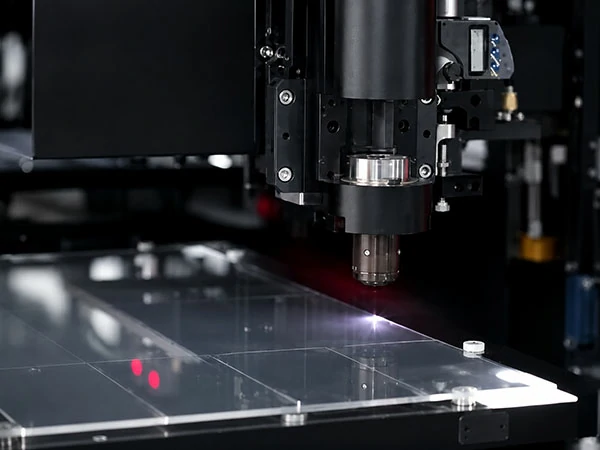
Laser processing can be evaluated for precision cutting, drilling, engraving and marking of detailed glass components and structural features.
Glass screen printing is used for black-mask borders, icons, logos, opaque areas and functional patterns on custom LCD and display cover glass.
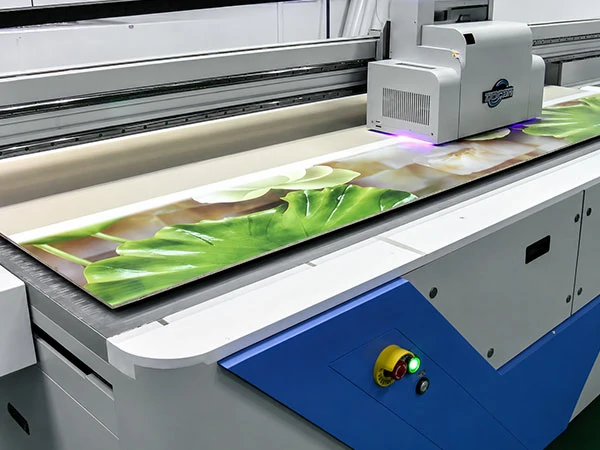
Digital glass printing supports detailed graphics, customized patterns and more complex color designs where the project requires them.
UV printing can be evaluated for customized markings and decorative graphics according to the glass, ink system and finished-product requirements.
AR coating reduces surface reflection and can improve display visibility and light transmission where low-reflection cover glass is required.
AG treatment diffuses strong reflections to reduce glare, helping display and touch-screen glass remain easier to view under bright ambient lighting.
AF coating helps reduce visible fingerprints and oily marks and makes frequently touched glass surfaces easier to clean.
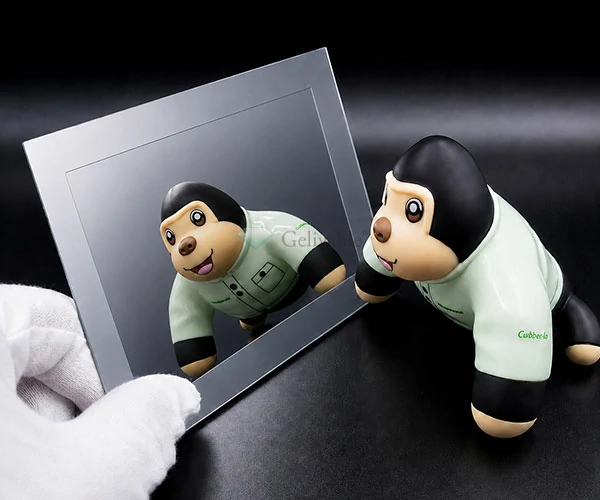
Mirror coating creates a reflective glass surface for selected display, smart-interface and decorative applications where a mirror effect is required.
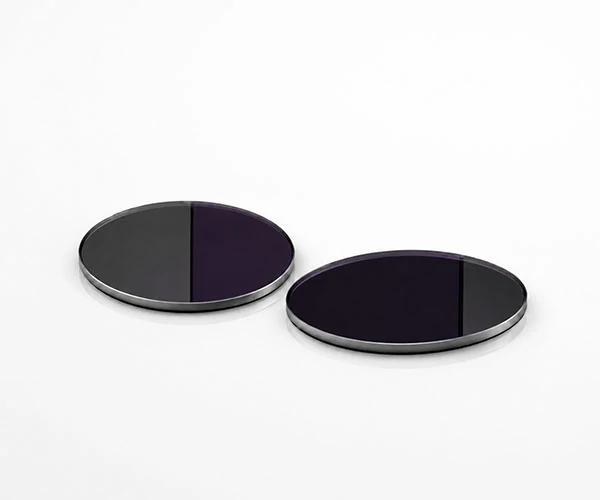
Optical coatings can be designed to modify transmission, reflection or spectral response according to the optical requirements of the finished glass component.
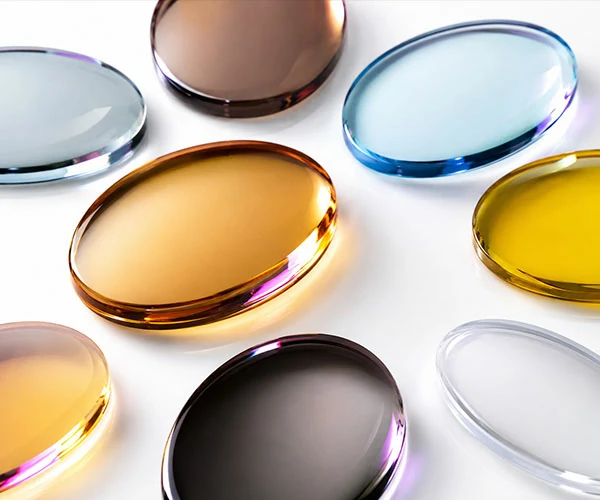
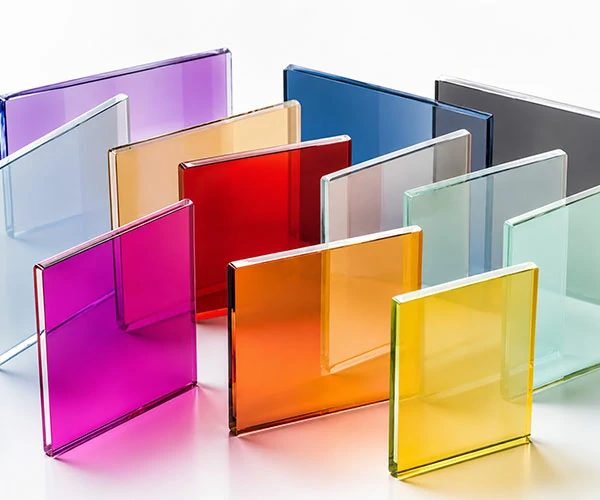
Color coating can create customized visual effects and surface colors for product appearance, identification and decorative requirements.
Chromium coating can provide a metallic appearance and controlled masking or reflective effects for selected custom glass designs.
ITO coating provides a transparent conductive layer for selected touch, sensing and transparent-electrode applications.
A flat 2D edge is a common choice for standard display glass panels and equipment cover-glass assemblies.
2.5D edge processing creates a rounded transition for a smoother appearance and handling feel around the glass perimeter.
3D edge processing can be evaluated for shaped or curved glass structures that require more complex edge geometry.
Stepped edge machining creates a multi-level edge or recessed structure for special installation, alignment and assembly requirements.
Adhesive materials can be selected to support installation and integration of LCD cover glass with touch panels, display modules, frames and equipment housings.
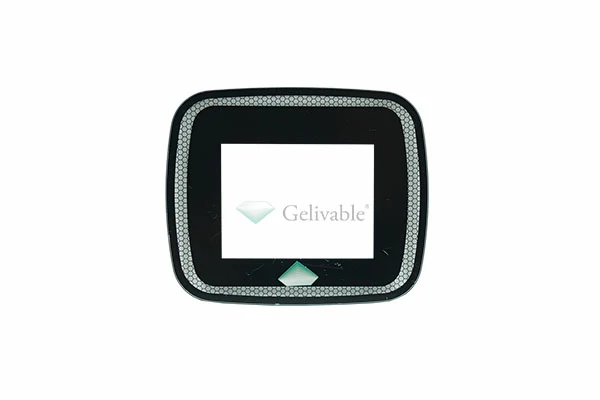
Adhesive selection is reviewed according to the glass surface, mating material, operating environment, thickness requirement and assembly structure.
Bonding support can be used for display cover glass, touch-screen glass and other custom glass components that require integration into the final equipment assembly.
Send us your drawing, glass size, thickness, quantity and application. Please also include any holes, cutouts, printing, strengthening, AG/AR/AF treatment, edge processing or bonding requirements.
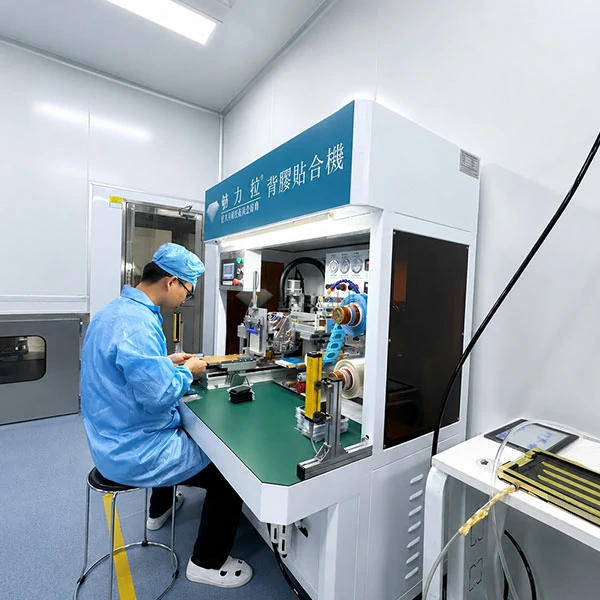
GelivableGlass supports custom LCD and display cover glass projects from drawing review and prototyping through small-batch validation and repeat production, with multiple fabrication and surface-treatment processes coordinated around the finished part.
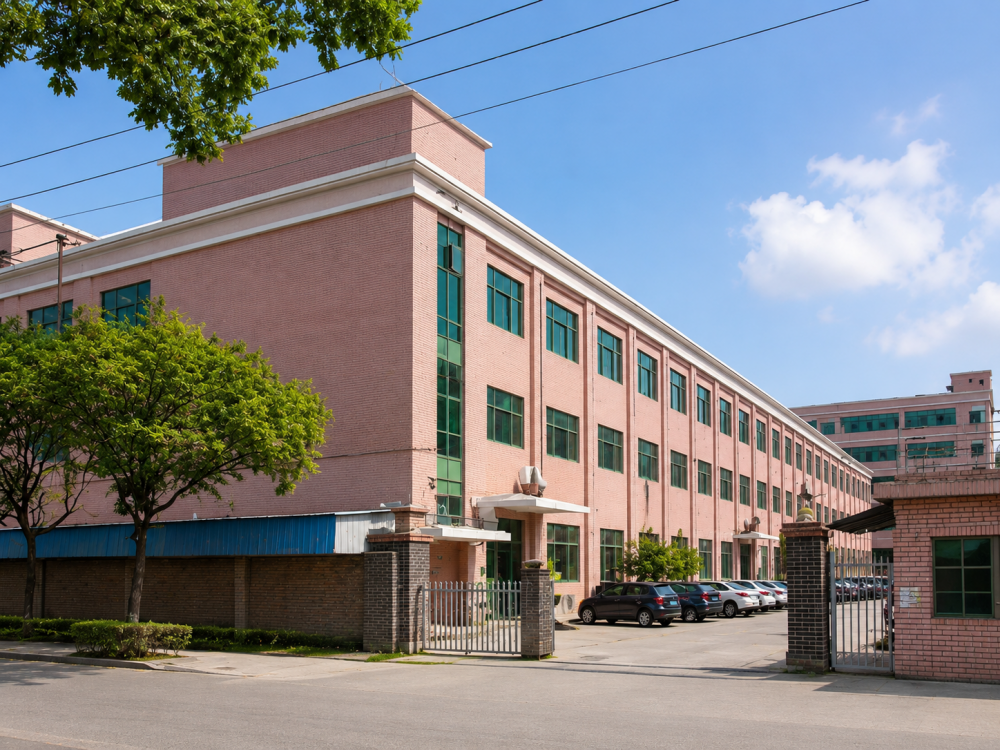
Custom dimensions, openings, printed areas, surface treatments and assembly requirements can be reviewed directly from drawings, samples or project specifications.
Precision cutting, CNC machining, strengthening, printing, coating, edge processing and bonding can be coordinated according to the final display glass design.
Projects can progress from sample development and design validation to small-batch and repeat production according to the approved specification.
LCD cover glass is the external protective and decorative glass positioned in front of an LCD or display assembly. It protects the viewing surface and can also include printed masks, logos, touch-interface support and functional surface treatments.
No. LCD cover glass is the outer glass component installed in front of the display. An LCD glass substrate is an internal material used to manufacture the LCD panel itself. They serve different functions and are not interchangeable.
LCD cover glass describes the protective glass in front of an LCD or display. Touch screen glass may refer to the outer cover glass of a touch interface or to glass associated with the touch-sensor structure. In a touch-display assembly, the cover glass protects the surface while the touch sensor performs the input function.
Glass material, thickness, surface finish, printing and coatings can all influence the optical result. For projects with specific viewing requirements, the cover glass should be evaluated together with the actual LCD or display module.
Yes. Cover glass provides a protective front surface for the display. Actual scratch and impact performance depends on the glass material, thickness, strengthening process, edge condition and finished-part design.
Yes. Custom display glass can be produced with precision-drilled holes, slots, notches, windows and other cutouts according to the drawing. Feasibility depends on the glass material, thickness, geometry and strengthening requirements.
AG anti-glare treatment is used when glare from ambient light needs to be reduced. AR anti-reflective coating is used when lower surface reflection and higher optical transmission are priorities. AF anti-fingerprint treatment is used to reduce fingerprints and improve cleanability. The treatments should be selected according to the display environment and project requirements.
Printing can be used for black-mask borders, logos, icons, opaque areas and customized graphics. Metallic ink, two-color or multicolor printing can also be reviewed according to the artwork, ink system and finished-product requirements.
Please provide the glass dimensions, thickness, quantity and application. A drawing is strongly recommended when the part includes holes, cutouts, special edges, printing, strengthening, coatings or adhesive requirements. If optical performance is important, also include the display type and viewing requirements.
Read technical articles about LCD cover glass, display cover glass, touch-screen glass, precision glass machining, printing, strengthening and functional surface treatments.
View All Blog
Gelivable has earned a 2026 EcoVadis Bronze Medal, placing the assessed company in the top 35% of companies rated by Eco···
Read More
Why Some Applications Require Corning Gorilla Glass | GelivableWhy Some Applications Require Corning Gorilla GlassIn man···
Read MoreSend us your drawing, size, thickness, quantity and display requirements. GelivableGlass can review the glass material, precision machining, printing, strengthening, AG/AR/AF treatment, edge processing and bonding requirements for your custom LCD or touch-display project.
Contact our team with your drawing and application requirements for material review, fabrication planning, sample development and quotation support.