When Corning Gorilla Glass Becomes Essential | Gelivable
Why Some Applications Require Corning Gorilla Glass | GelivableWhy Some Applications Require Corning Gorilla GlassIn man···
Read MoreCustom Corning Gorilla Glass for display cover glass, touch panels and precision protective windows, with cutting, CNC machining, drilling, printing, surface treatment and bonding options for demanding glass applications.
GelivableGlass provides custom processing of Corning Gorilla Glass for display cover glass, touch panels, industrial control interfaces, medical equipment, smart-device panels and other precision glass components. With more than 18 years of cover-glass processing experience, we support projects from material selection and sample development through batch production. Customization can include precision cutting, CNC machining, hole drilling, edge finishing, screen printing, AG/AR/AF surface treatments, chemical strengthening, coating and adhesive bonding according to the finished-part requirements.
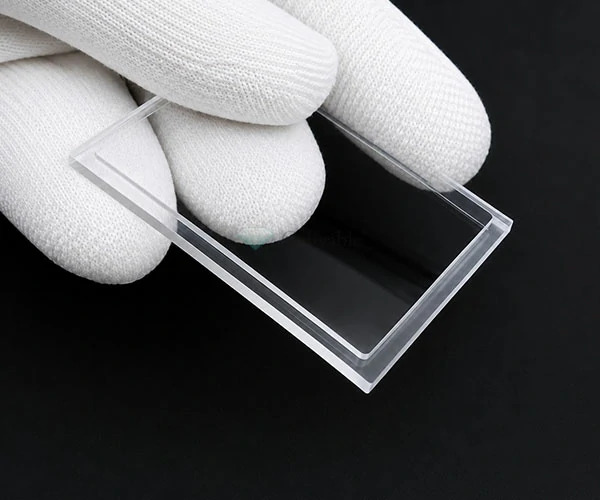
Corning Gorilla Glass is engineered for high damage resistance, helping protective cover glass withstand the handling, impact and surface damage that can occur in frequently used display and touch applications.
Its scratch-resistant surface helps protect the viewing area during repeated handling and everyday contact, making it suitable for equipment and interfaces that require long-term surface quality.
Thin Gorilla Glass options support compact product designs while reducing unnecessary cover-glass weight, which is useful for touch modules, display windows and space-sensitive assemblies.
High optical quality helps displays maintain clear images and accurate visual performance through the protective glass while supporting responsive touch interaction.
We process selected Corning Gorilla Glass grades for custom cover-glass projects. Material availability and the most suitable grade should be confirmed according to the required thickness, strength, processing and application conditions.
Multiple thickness options are available for display cover glass, touch panels, optical windows and other precision components, allowing the finished part to balance strength, weight and product structure.
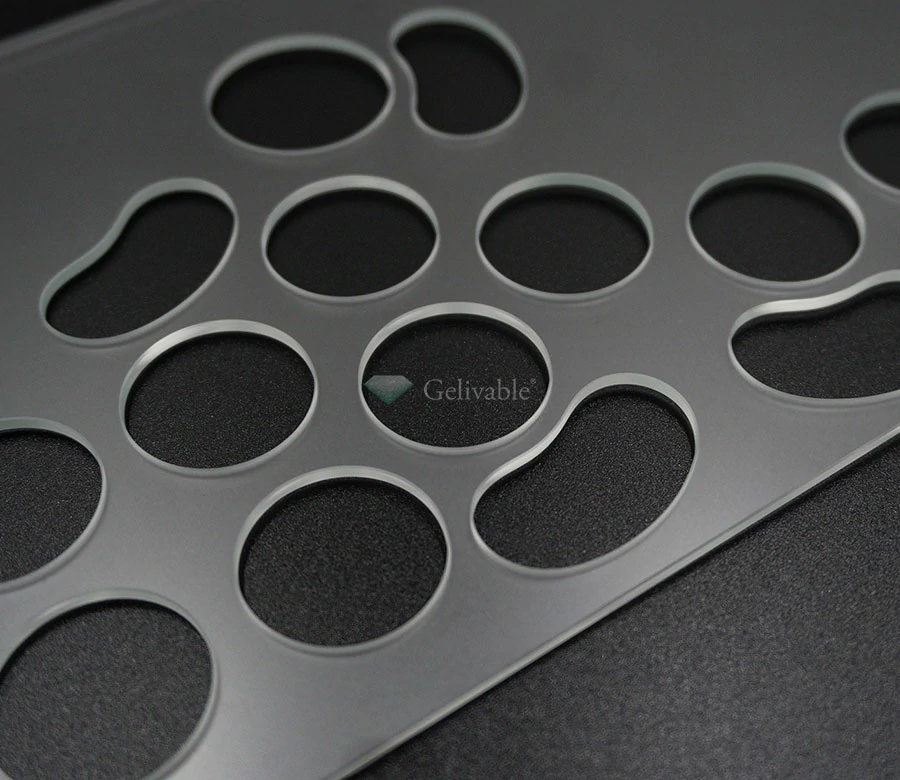
Parts can be produced in custom rectangular, round, curved and non-standard shapes with holes, slots, cutouts and edge profiles according to drawings, samples or project requirements.
Precision cutting, CNC machining, drilling and edge finishing are selected according to glass thickness and part geometry. Machining tolerances can be reviewed down to ±0.03 mm for suitable designs and processes.
Available value-added processes include screen printing, AG anti-glare, AR anti-reflective, AF anti-fingerprint, DLC and other coatings, chemical strengthening and adhesive bonding according to the project specification.

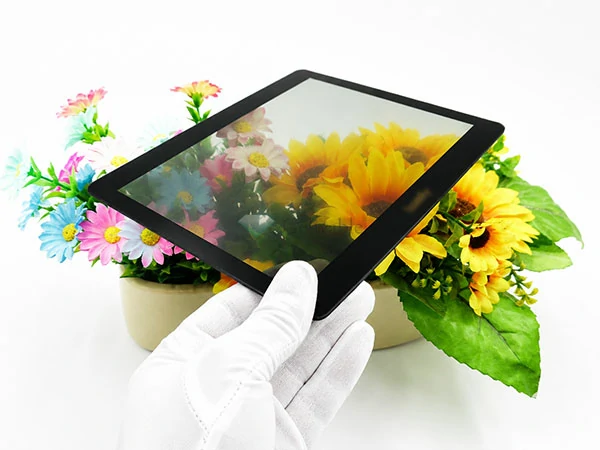
Custom Corning Gorilla Glass is widely used as protective cover glass for medical, smart home, industrial control and transportation equipment where durability, scratch resistance, optical clarity and precise fabrication are required.
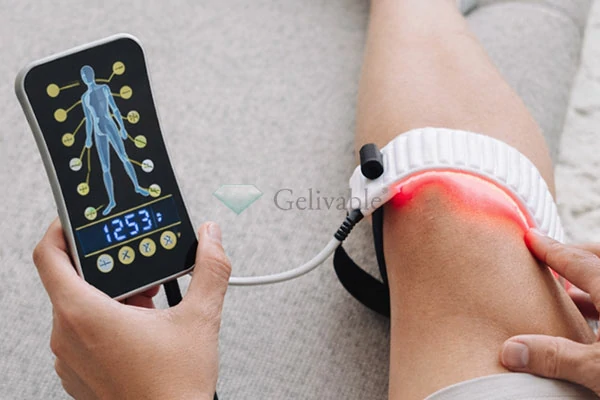
Custom Gorilla Glass provides a durable and optically clear protective surface for medical displays, diagnostic equipment, monitoring devices and frequently operated healthcare touch interfaces.
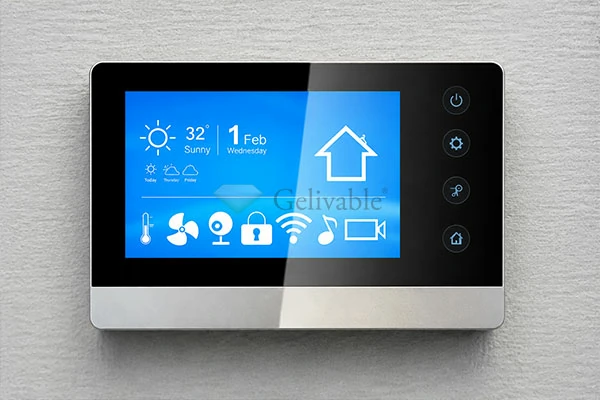
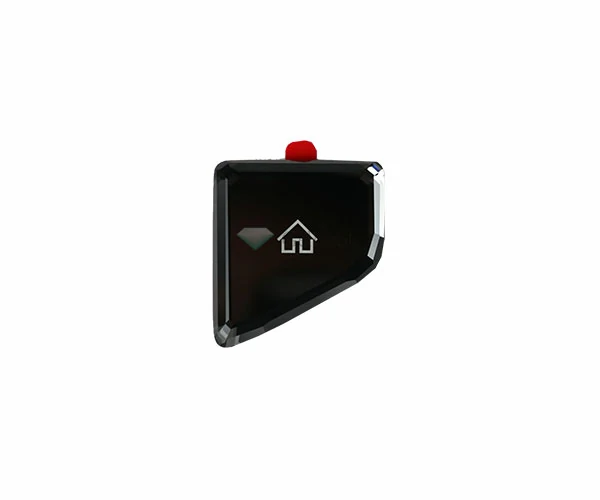
Thin and precisely processed Gorilla Glass is suitable for smart home control panels, wall-mounted touch screens, access-control interfaces and other frequently used interactive devices.
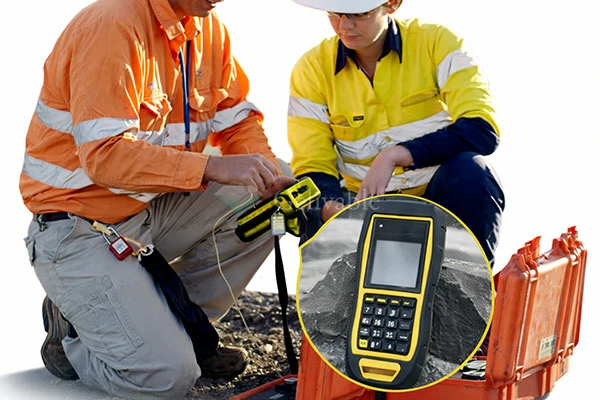
Scratch-resistant Gorilla Glass can protect HMI displays, machine control panels and industrial touch screens that require reliable surface durability and clear visibility during frequent operation.
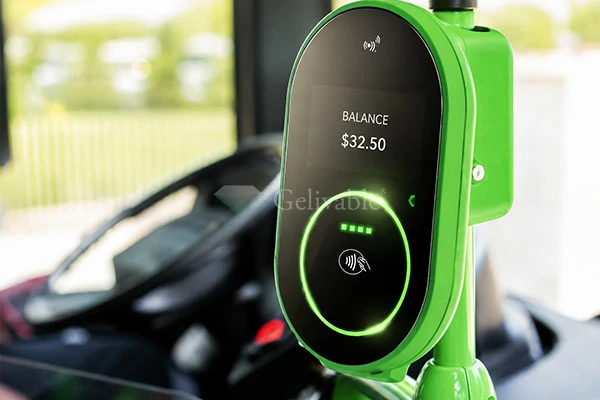
Custom Gorilla Glass can be used for transportation information displays, ticketing terminals, rail-transit equipment and control interfaces that require durable protection and reliable readability in high-use environments.
GelivableGlass supports the fabrication processes commonly required for custom Gorilla Glass and cover-glass projects, including precision machining, printing, functional coatings, edge processing and adhesive bonding. Process selection is reviewed according to the selected glass grade, thickness, dimensions and finished-part requirements.
Corning Gorilla Glass combines damage resistance, scratch resistance, thin form factors and high optical quality for demanding cover-glass applications.
AGC glass provides stable optical performance and reliable processing characteristics for industrial displays, touch panels and custom cover glass.
Panda Glass is an aluminosilicate cover-glass option for projects that require strength, clear visibility and consistent surface quality.
Sapphire is an ultra-hard transparent material for protective windows and precision components where very high scratch resistance is required.
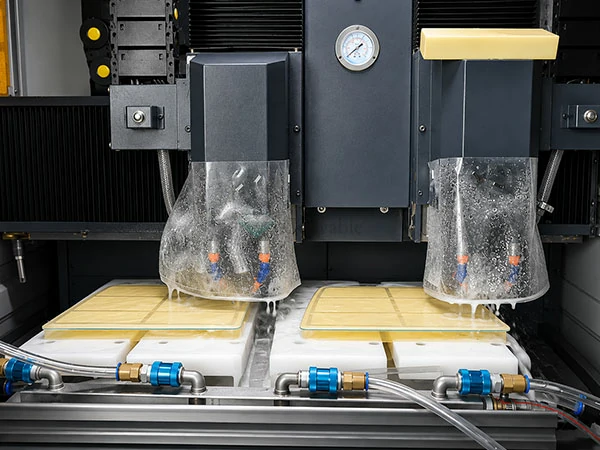
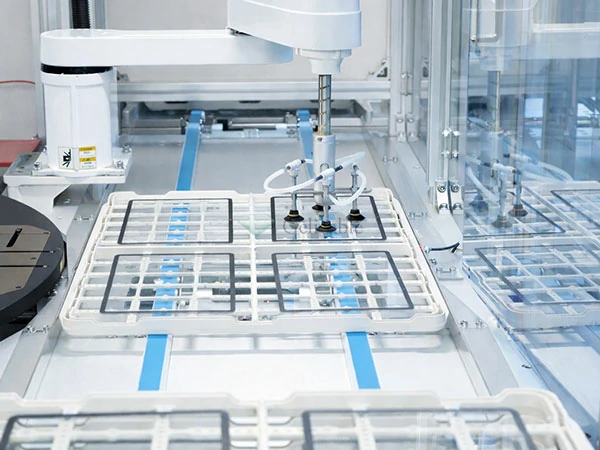
CNC machining supports precise holes, slots, cutouts and structural features for custom Gorilla Glass components according to the finished drawing.
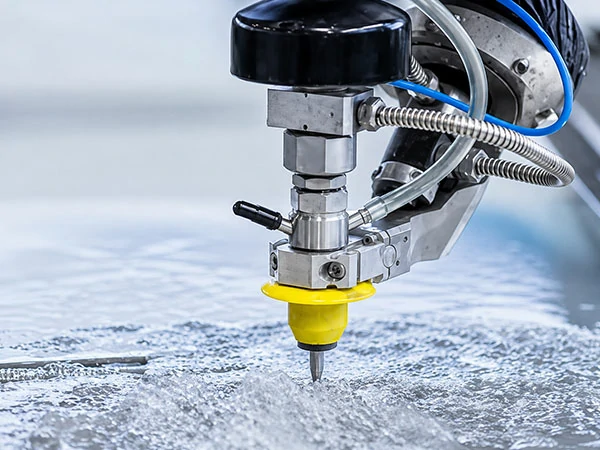
Water jet cutting can support selected glass profiles and complex shapes where the material, thickness and part design are suitable for the process.
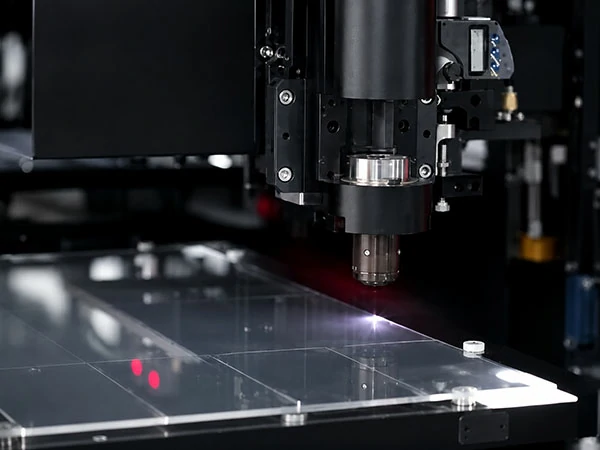
Laser processing can be evaluated for selected cutting, drilling, engraving and marking requirements on precision glass components.
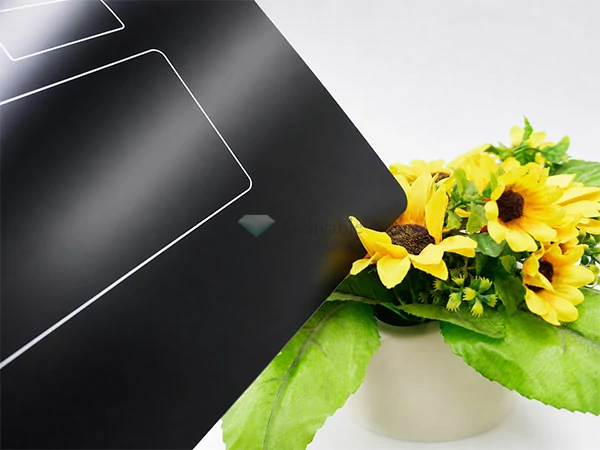
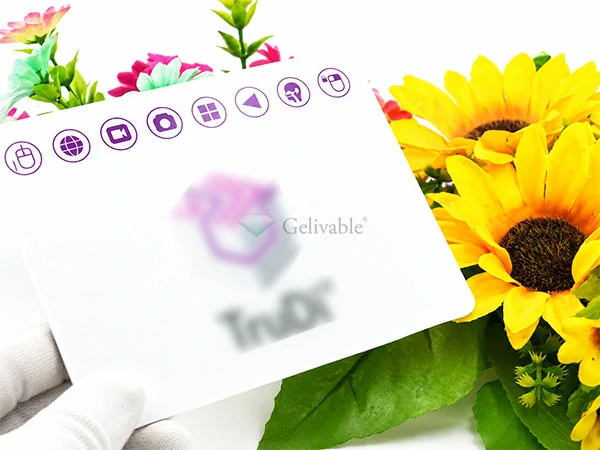
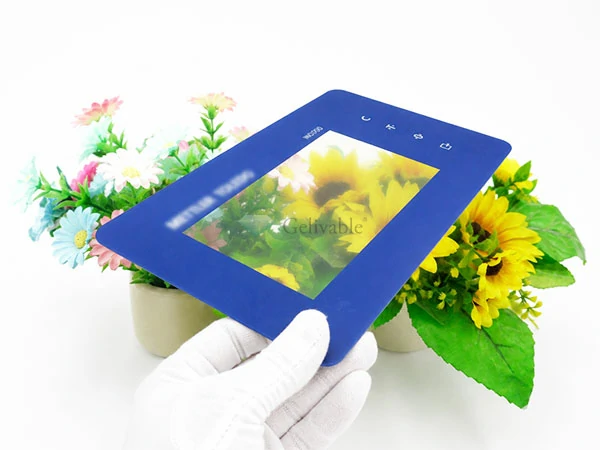
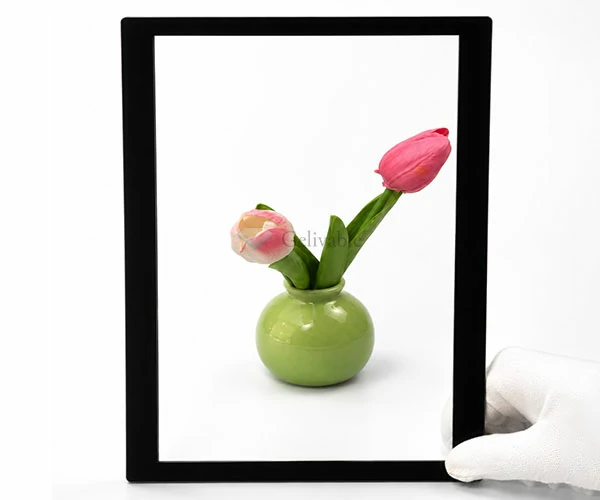
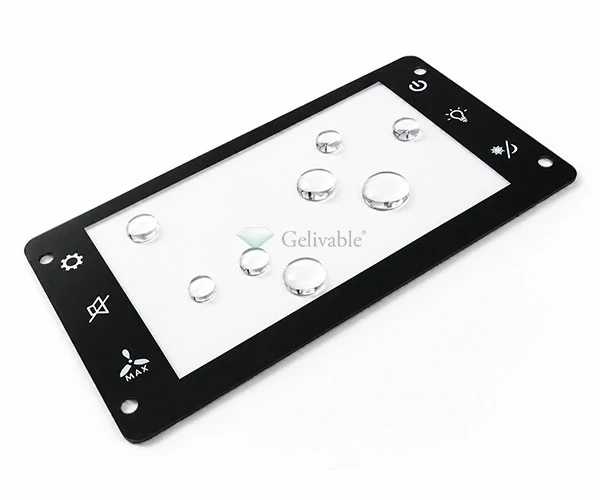
Silk-screen printing is used for borders, icons, logos, masking areas and functional graphics on custom Gorilla Glass cover panels.
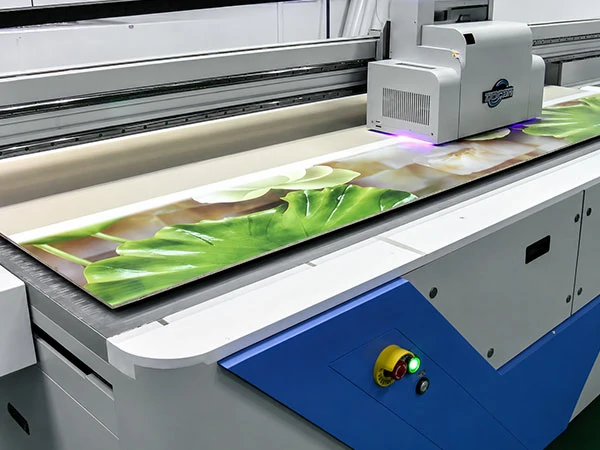
Digital printing supports detailed patterns, complex colors and customized graphics for selected glass appearance and identification requirements.
UV printing can produce customized graphics and markings on glass for selected decorative and functional applications.
AR coating reduces surface reflection and can improve light transmission for display, optical and touch applications.
AG treatment reduces strong glare and visible reflections, helping display cover glass remain easier to view under bright ambient lighting.
AF coating helps reduce fingerprints and oil marks while making frequently touched cover-glass surfaces easier to clean.
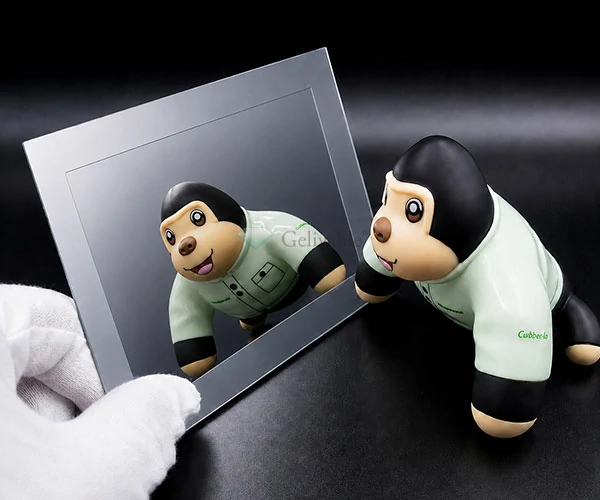
Mirror coating can create reflective visual effects for selected decorative, display and optical glass applications.
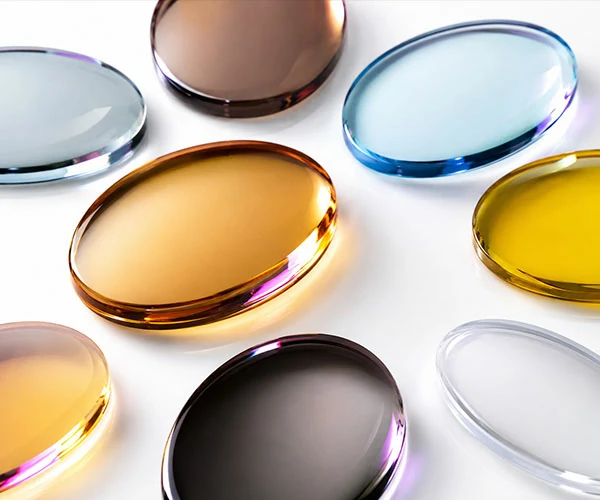
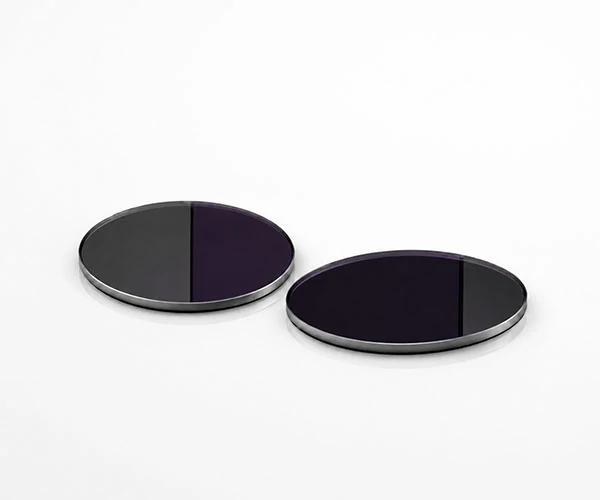
Optical coatings can adjust transmission, reflection and absorption characteristics for selected functional glass requirements.
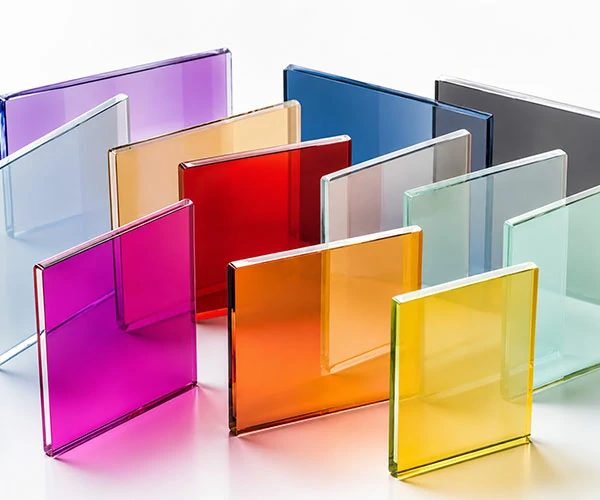
Color coating can produce customized appearance effects for product design, identification and functional decoration.
Chromium coating provides a metallic appearance and stable surface characteristics for selected custom glass applications.
ITO coating provides transparent conductivity for selected touch, electrode and smart-glass related applications.
Classic straight-edge finishing with polished sides for flat custom cover-glass components.
2.5D edge processing creates a rounded transition for improved appearance, touch feel and handling.
3D edge processing can be evaluated for selected shaped or curved structures according to material and design requirements.
Stepped edge processing creates a multi-level edge structure for special installation and assembly requirements.
Adhesive bonding can support Gorilla Glass installation and integration with display modules, touch panels, housings and other assembled components.
Adhesive materials can be selected according to the bonding surfaces, product structure, thickness requirements and operating environment.
Proper adhesive selection helps improve assembly consistency, bonding performance and long-term product stability.
Adhesive bonding can be used for display cover glass, touch-screen glass, control panels and other custom Gorilla Glass component assemblies.
Send us your target size, thickness, quantity, application and required processing. If you have a drawing, sample or photo, you can include it to help our team review the custom Gorilla Glass project more efficiently.
GelivableGlass combines cover-glass processing experience with precision fabrication, functional surface treatments and flexible customization for prototype and batch-production projects.
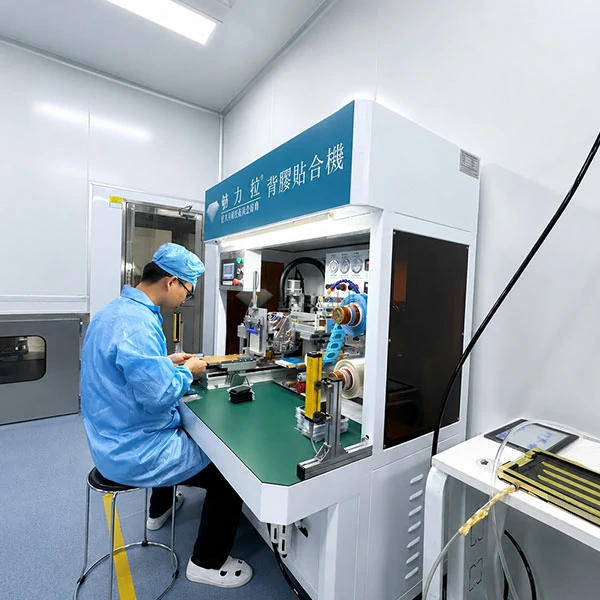
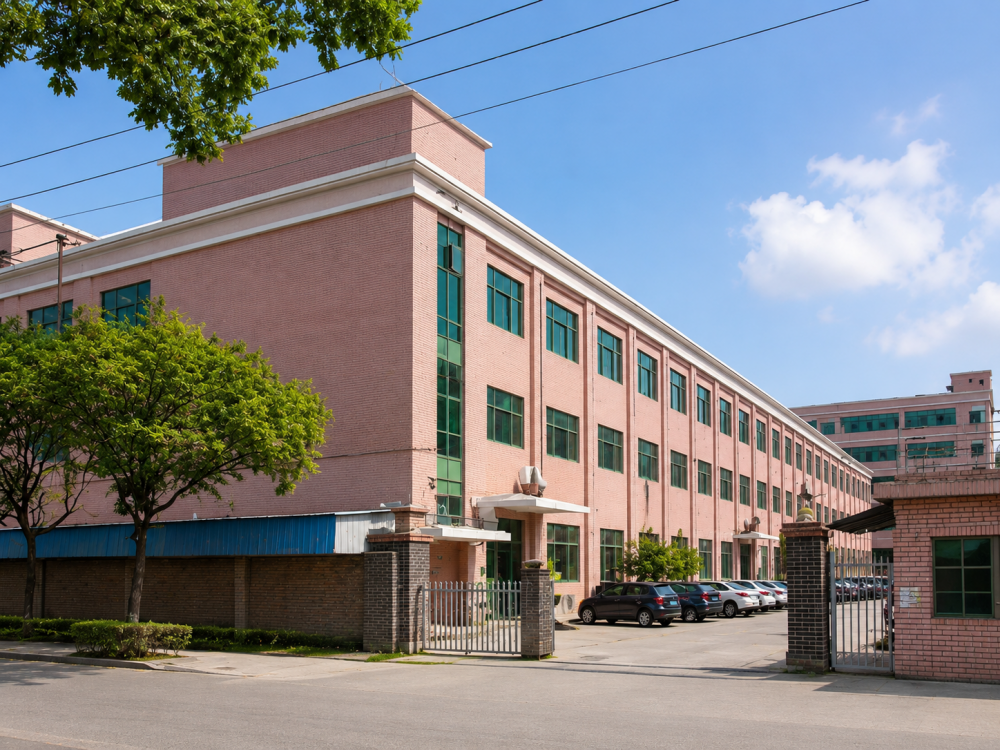
Our team has more than 18 years of cover-glass processing experience, supporting material review, sampling, production planning and quality inspection for custom glass projects.
We support cutting, CNC machining, drilling, edge finishing, printing, coating, strengthening and bonding for custom Gorilla Glass parts with non-standard dimensions and structures.
AG, AR, AF, DLC and other surface options can be evaluated according to glare, reflection, fingerprint resistance, durability and touch requirements.
Corning Gorilla Glass is a high-performance cover-glass material developed for applications that require a combination of damage resistance, scratch resistance, thin form factors and high optical quality. Its composition is designed to support chemical strengthening through ion exchange, creating compressive stress near the glass surface.
Corning Gorilla Glass 2320 and Panda Glass are aluminosilicate glasses, while standard soda-lime glass has a different glass composition. According to our current material data, Corning Gorilla Glass 2320 and Panda Glass offer approximately 92% light transmission at 550 nm and surface hardness of ≥9H, compared with approximately 89% transmission and ≥7H hardness for soda-lime glass.
Typical chemical-strengthening specifications for high-alumina Corning and Panda glass can reach CS >650 MPa and DOL >40 μm, while soda-lime glass typically uses a lower strengthening specification. Material selection should be based on the required strength, thickness, optical performance, processing requirements and project budget.
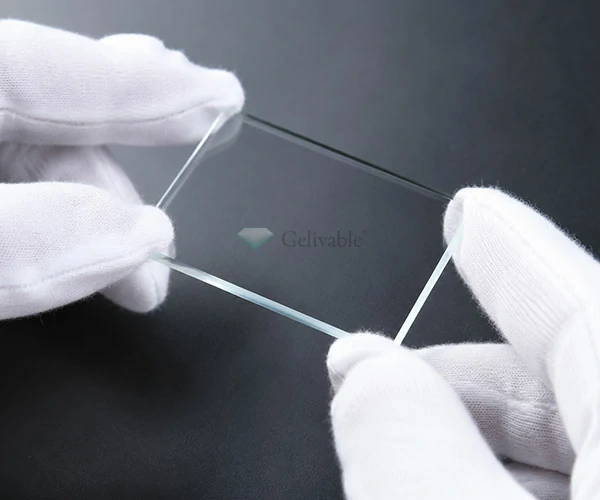
For custom Gorilla Glass 3 and Gorilla Glass 4, GelivableGlass supports CNC machining for chamfers, bevels, holes and custom shapes, as well as chemical strengthening, multicolor printing based on Pantone colors, AF anti-fingerprint coating, AR anti-reflective coating and double-sided 3M adhesive assembly.
Our current custom cover-glass processing reference includes a shape tolerance of approximately ±0.05 mm, a printing tolerance of approximately ±0.1 mm and a minimum hole diameter of φ1.0 mm.
Actual achievable tolerances depend on glass thickness, dimensions, hole position, part geometry and the selected processing method, so final specifications should be confirmed according to the project drawing.
For Corning high-alumina glass, our current reference chemical-strengthening specification is DOL >40 μm and CS >650 MPa.
For comparison, the reference specification for chemically strengthened float glass is DOL >8 μm and CS >450 MPa. The final strengthening specification should be confirmed according to the selected glass material, thickness and finished-part requirements.
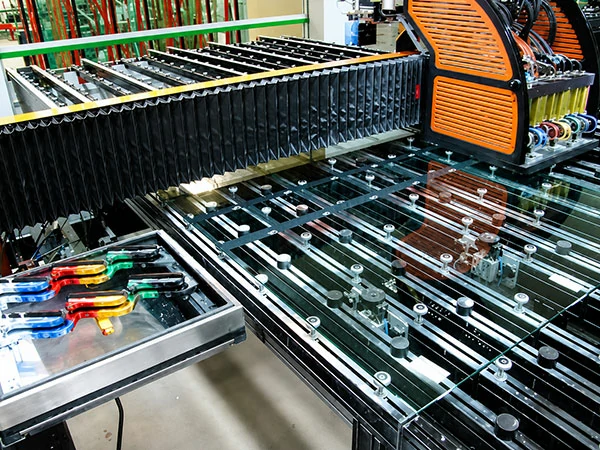
Chemical strengthening uses an ion-exchange process. The glass is immersed in a molten potassium nitrate (KNO₃) salt bath, where larger potassium ions replace smaller sodium ions near the glass surface.
This ion exchange creates compressive stress in the surface layer of the glass, helping improve its mechanical strength.
Chemically strengthened glass can technically be cut after strengthening, but it is not recommended. Cutting or machining after strengthening can affect the finished edge and the strengthened condition of the glass.
Thin Corning Gorilla Glass requires careful CNC processing because the edges can be more susceptible to chipping. For example, when processing 1.0 mm Corning glass, our process is divided into several stages, including rough grinding of the outer profile, hole machining, edge beveling and final finishing of the hole bevels.
Special grinding tools with different grit sizes are used for different processing stages. Curved sections are machined at controlled speeds to reduce the risk of edge chipping. Because thin glass is also more susceptible to warpage during strengthening, dedicated strengthening parameters may be required.
For Gorilla Glass 3, Gorilla Glass 4 and Gorilla Glass 2320, more than 90% of sample orders can be delivered within approximately 7 days according to our current production reference. Mass-production lead time is approximately 15 days.
Actual lead time may vary depending on quantity, glass specification, machining complexity, printing, coating and other custom processing requirements.
Read technical articles about Gorilla Glass, custom cover glass, precision fabrication, surface treatments and display applications.
View All BlogSend us your target size, thickness, quantity, application and required processing. GelivableGlass will review the material, drawing and fabrication requirements and recommend a suitable production approach for your custom Gorilla Glass component.
Contact our team for material selection, processing discussion, sample development and quotation support.