When Corning Gorilla Glass Becomes Essential | Gelivable
Why Some Applications Require Corning Gorilla Glass | GelivableWhy Some Applications Require Corning Gorilla GlassIn man···
Read MoreCustom anti-fog glass using a nano hydrophilic surface treatment to reduce fog formation, minimize light scattering and maintain clear visibility for medical devices, laboratory equipment, outdoor displays and other precision glass applications.
GelivableGlass provides custom anti-fog glass based on a nano hydrophilic coating system. The coating forms a highly hydrophilic film on the glass surface. When water vapor condenses on a cooler surface, moisture spreads across the coated area as a thin, more uniform transparent film instead of collecting into many small droplets. This helps reduce light scattering and keeps the viewing area clearer. Custom cutting, CNC machining, holes, edge processing, printing, strengthening and bonding can be reviewed together with the anti-fog coating process.
Reference material properties and process parameters for the GelivableGlass NF-6300 Series nano hydrophilic anti-fog coating.
| Category | Item | NF-6300 Series | Equipment | Notes |
|---|---|---|---|---|
| Material Properties | Appearance | Colorless Transparent Liquid | Visual Inspection | — |
| Material Properties | Density | 0.9–1.0 g/cm³ | Densitometer | — |
| Process Parameters | Plasma Treatment | 900–1000 KW | — | Corona treatment on the substrate surface |
| Process Parameters | Film Thickness | 25 ± 5 nm | — | — |
| Process Parameters | Curing Condition | 120°C / 30 min | — | — |
| Packaging Requirements | Packaging | Blister Box + Desiccant + Vacuum Packaging | — | Do not apply protective film directly on the anti-fog coating surface. |
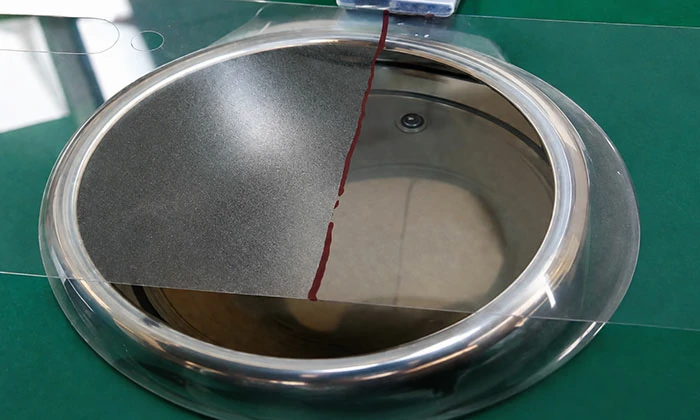
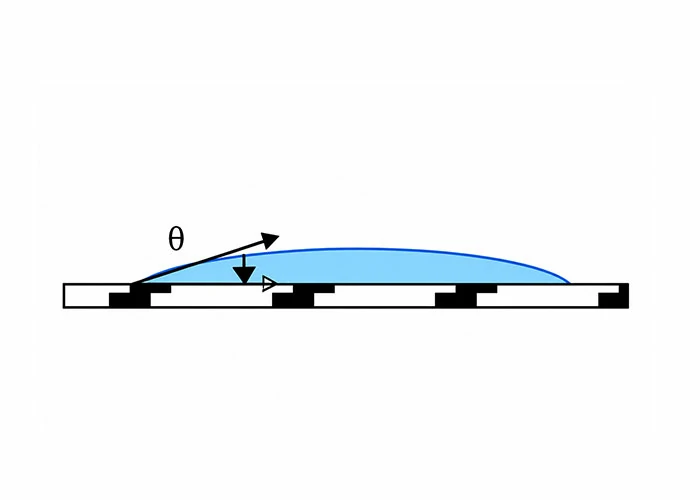
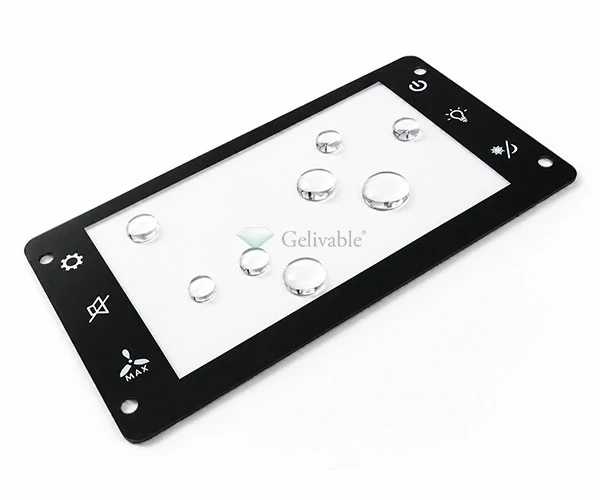
Visual comparison of the AF surface and NF nano anti-fog surface used to evaluate different surface behaviors.
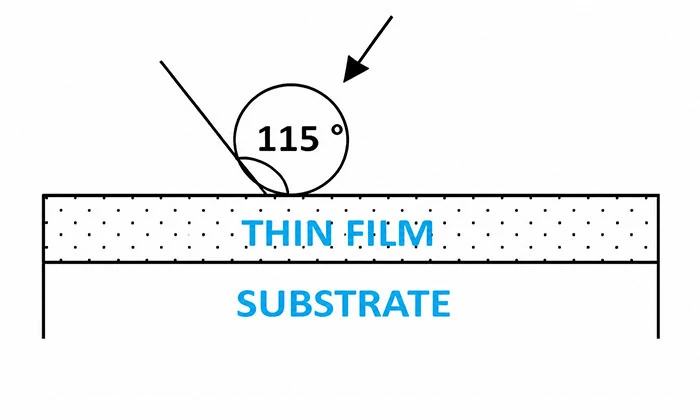
The brochure comparison shows a rounded water droplet on the AF surface, illustrating a higher water contact angle and hydrophobic behavior.
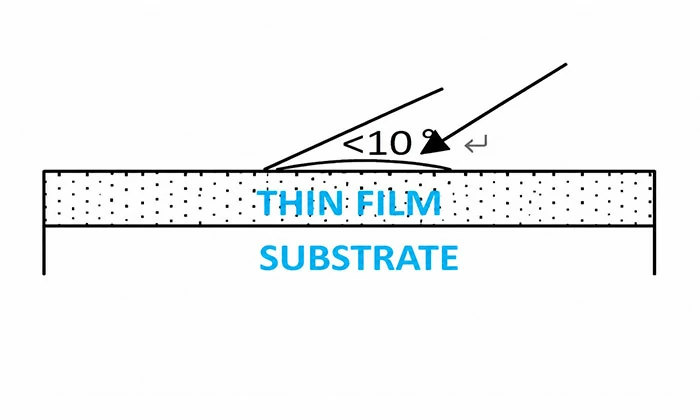
The NF nano anti-fog surface allows water to spread across the glass with a much lower contact angle, supporting hydrophilic anti-fog performance.
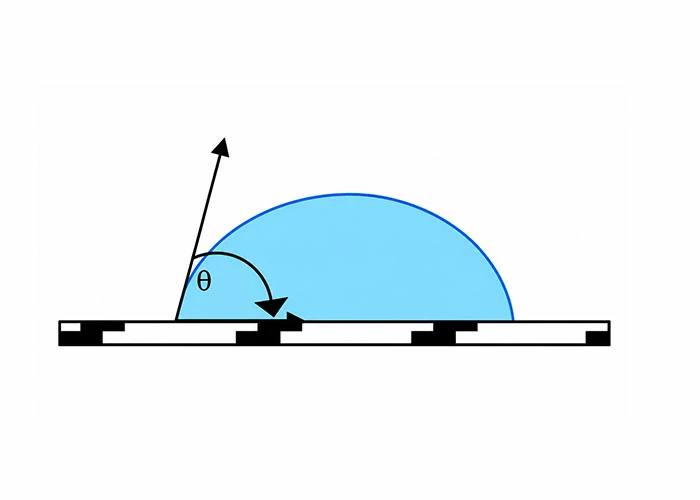
The nano coating creates a highly hydrophilic surface that encourages condensed moisture to spread rather than remain as light-scattering droplets.
The anti-fog function is designed to maintain clear optical viewing, supporting protective windows in front of displays, instruments and imaging systems.
The treated glass surface is designed for easier routine cleaning and maintenance in applications exposed to moisture or repeated use.
The anti-fog surface is designed with abrasion resistance to support repeated use and cleaning while retaining its functional surface performance.
Nano hydrophilic treatment changes how condensed water behaves on the glass surface, helping prevent fog formation and maintain clear visibility.
Cf. Conventional coatings: ≈ 80° (fogging begins above 20°)
Water spreads and wets across the surface, preventing fog formation!
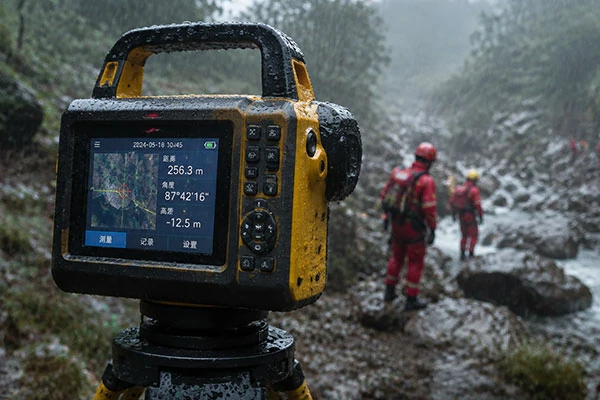
The current Gelivable anti-fog coating brochure highlights medical devices, laboratory equipment and outdoor displays as key application areas where clear visibility is important under moisture, condensation or changing environmental conditions.
Anti-fog glass can help protective windows, displays and viewing areas on medical devices remain clearer when moisture or temperature differences may otherwise cause fogging.
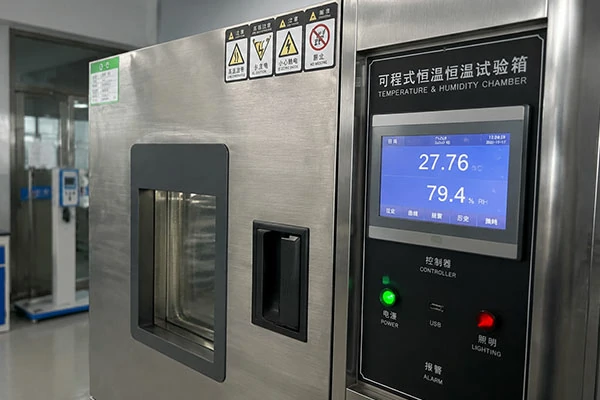
Nano hydrophilic anti-fog treatment is suitable for laboratory equipment, observation windows and instrument interfaces that require stable visibility in humid or temperature-changing conditions.
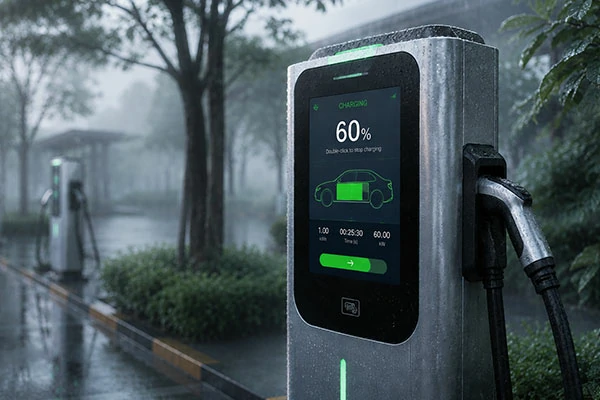
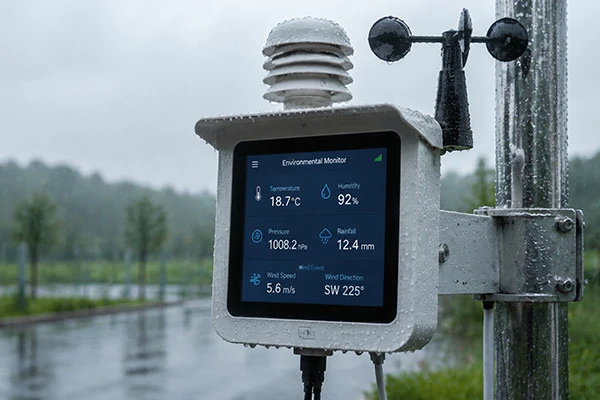
Anti-fog cover glass can help outdoor displays and equipment interfaces maintain a clearer viewing surface when condensation forms during changes in temperature and humidity.
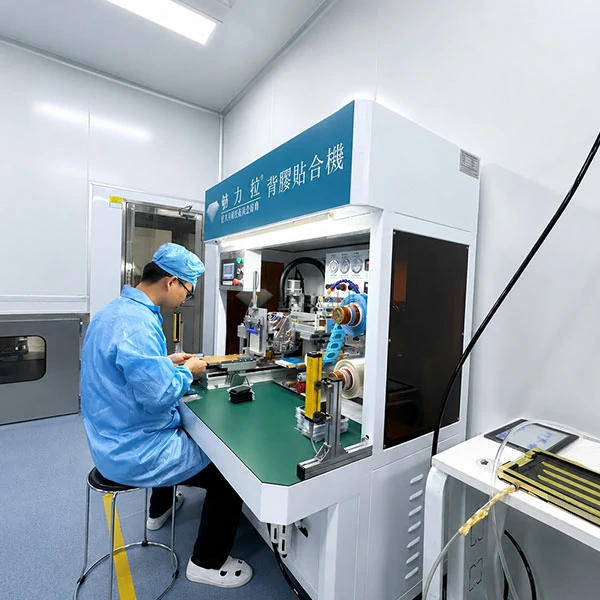
GelivableGlass supports the fabrication processes commonly required for custom anti-fog glass, including precision machining, printing, functional surface treatment, edge processing and adhesive bonding. The coating sequence should be reviewed together with the base glass, dimensions, optical requirements and finished-part structure.
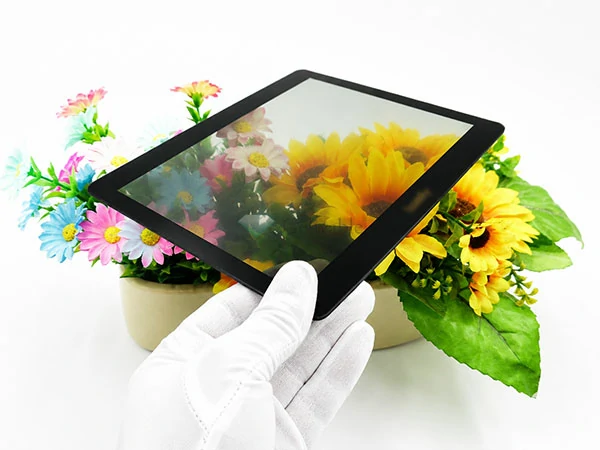
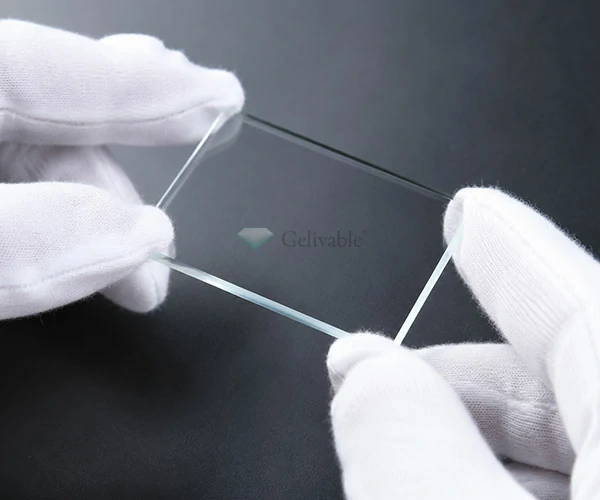
Corning Gorilla Glass is a high-strength cover glass material valued for scratch resistance, durability and optical clarity in display and touch-screen applications.
AGC glass offers stable optical performance and reliable processing characteristics for industrial displays, touch panels and custom cover glass projects.
Panda Glass is a durable cover glass material for projects that require reliable strength, clear visibility and consistent surface quality.
Sapphire glass is an ultra-hard transparent material used where very high scratch resistance is required for protective windows and precision applications.
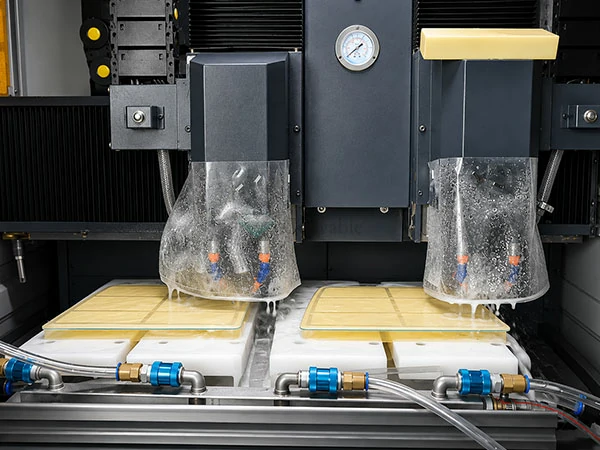
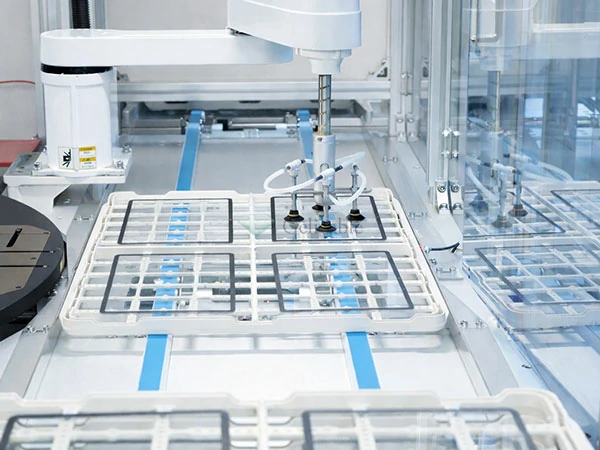
CNC glass machining supports precise drilling, milling, cutting and polishing for custom cover glass with holes, slots and other structural requirements.
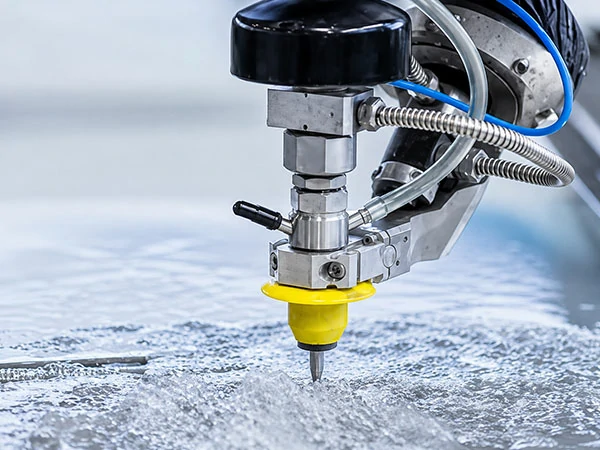
Water jet cutting can produce complex glass shapes without a heat-affected zone, making it useful for selected custom glass profiles and cutouts.
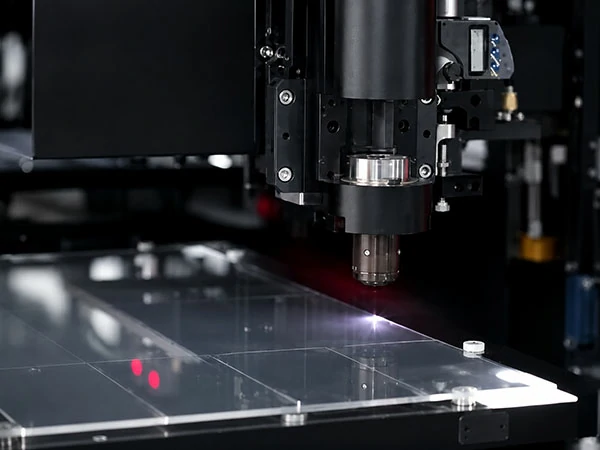
Laser glass processing supports precise cutting, drilling, engraving and marking for detailed custom glass components and fine structural features.
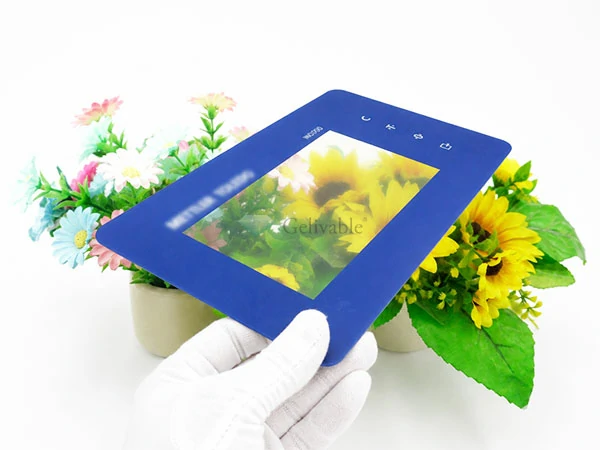
Silk-screen glass printing is widely used for borders, icons, logos, masking areas and functional patterns on custom cover glass.
Digital glass printing supports detailed patterns, complex colors and customized visual graphics directly on the glass surface.
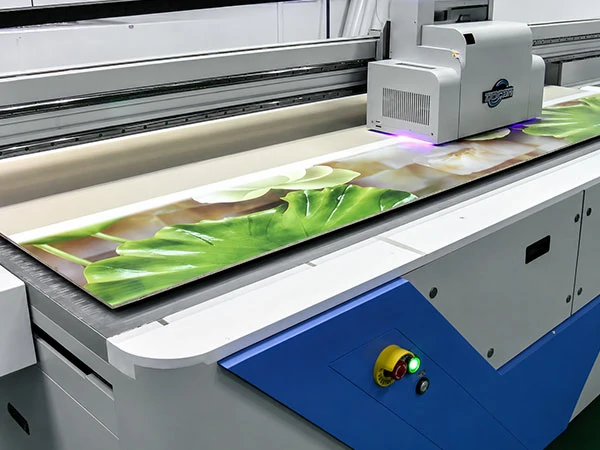
UV printing cures specialized inks directly on glass, supporting vivid colors, fast curing and stable printed graphics.
Anti-reflective coating reduces surface reflection and can improve light transmission for display, optical and touch applications.
Anti-glare treatment reduces strong glare and visible reflections, helping cover glass and touch-screen glass remain easier to view under bright lighting.
Anti-fingerprint coating helps reduce fingerprints and oil marks, making the glass surface easier to clean during frequent touch use.
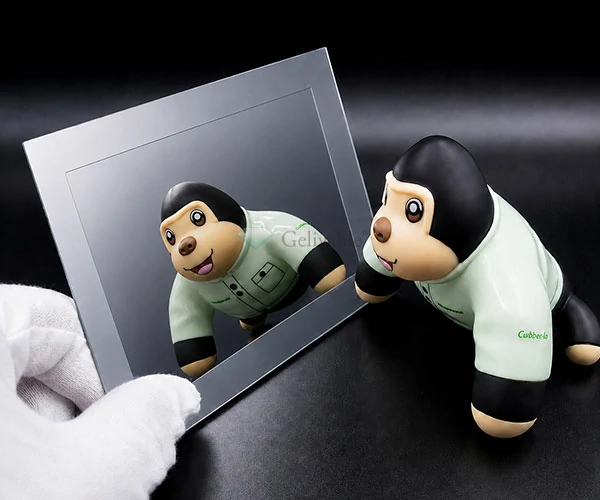
Mirror coating forms a reflective metal film on the glass surface. It can create mirror effects for decorative, display and optical applications.
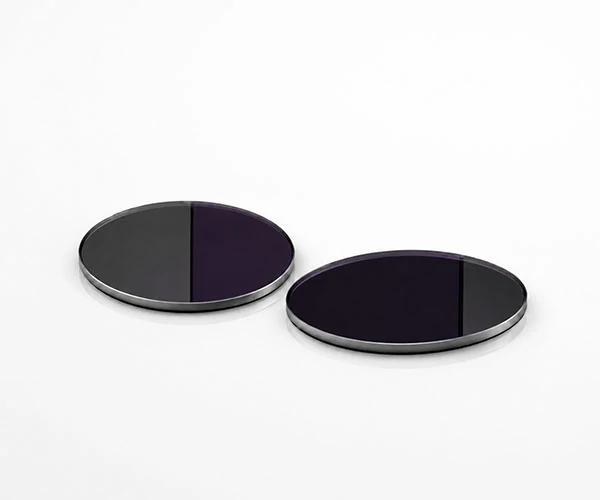
Optical coatings can adjust light transmission, reflection and absorption characteristics to improve optical performance for different glass applications.
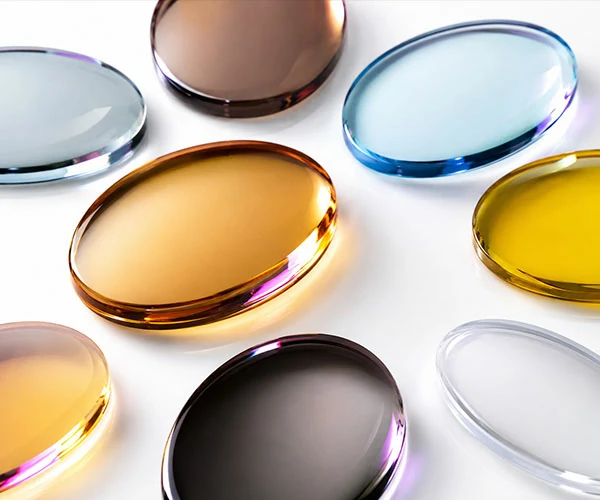
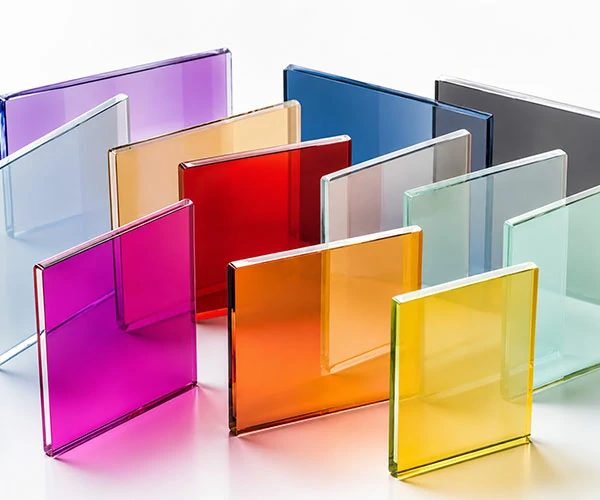
Color coating can create different colors and visual effects on glass surfaces for appearance design, product identification and functional decoration.
Chromium coating provides metallic appearance, surface stability and corrosion resistance for selected glass applications.
ITO coating provides conductivity while maintaining transparency. It is commonly used in touch screens, transparent electrodes and smart glass applications.
Classic straight edge treatment with polished sides. It is a basic and common edge processing method for flat cover glass.
2.5D edge processing creates a rounded transition, improving appearance, touch feeling and handling experience.
3D edge processing supports curved and shaped glass structures for advanced product appearance and integration needs.
Stepped edge processing creates a multi-level edge structure to meet special installation, assembly and matching requirements.
We use reliable adhesive materials to support cover glass bonding, installation, assembly and integration with display modules, touch panels and other components.
We can use high-quality adhesive materials from trusted brands according to customer requirements and project conditions.
Proper adhesive selection helps improve bonding performance, long-term stability and product reliability.
Adhesive bonding can be used for cover glass, touch screen glass, display glass and other custom glass component assembly needs.
Send us your glass size, thickness, quantity, application environment and anti-fog requirements. If you have a drawing, condensation condition, operating temperature range or optical requirement, include it for technical review.
GelivableGlass combines precision cover-glass processing with a defined NF-6300 series anti-fog coating process for projects that require custom structure and clear anti-fog performance.
The coating is designed to create a highly hydrophilic surface with a reference contact angle below 10°, helping condensed water spread across the glass instead of forming fog droplets.
The current brochure specifies NF-6300 series material, 25 ± 5 nm film thickness and a 120°C / 30 minute curing condition for the anti-fog coating process.
Custom cutting, CNC machining, printing, strengthening, edge processing and adhesive bonding can be reviewed together with the anti-fog surface requirement.
Nano hydrophilic anti-fog glass uses a surface coating that creates a highly hydrophilic film. When moisture condenses on the glass, the water spreads across the surface instead of remaining as many small droplets, helping reduce light scattering and visible fogging.
The current brochure describes a water-spreading mechanism. The anti-fog surface has a reference contact angle below 10°, so condensed moisture wets the surface and forms a flatter transparent layer rather than rounded droplets that scatter light.
The current Gelivable brochure gives a reference anti-fog contact angle of less than 10°. Its comparison shows a conventional coating at about 80°, with fogging beginning above approximately 20° contact angle.
The current material reference is the NF-6300 series, described in the brochure as a colorless transparent liquid with a density of 0.9–1.0 g/cm³.
The brochure lists a reference anti-fog film thickness of 25 ± 5 nm.
The current brochure specifies a curing condition of 120°C for 30 minutes.
No. The brochure specifically notes that protective film should not be applied directly on the anti-fog coating surface.
The current anti-fog coating brochure highlights medical devices, laboratory equipment and outdoor displays as key application areas.
Read technical articles about anti-fog glass, functional surface treatments, custom cover glass, optical windows and precision glass fabrication.
View All BlogSend us your drawing, glass size, thickness, application environment and condensation conditions. GelivableGlass will review the base glass, anti-fog coating, optical requirements and fabrication sequence for your project.
Contact our team for anti-fog coating review, sample development, custom glass fabrication and quotation support.