When Corning Gorilla Glass Becomes Essential | Gelivable
Why Some Applications Require Corning Gorilla Glass | GelivableWhy Some Applications Require Corning Gorilla GlassIn man···
Read MoreCustom stepped glass manufactured to customer drawings with CNC-machined steps, recessed areas and structural profiles for display panels, touch interfaces, equipment housings, lighting fixtures and precision glass assemblies.
GelivableGlass manufactures custom stepped glass and recessed glass components according to customer drawings. CNC machining can create controlled steps, lowered areas and special edge structures so the glass can fit more accurately with housings, display modules, touch components, adhesive layers and other parts of the finished assembly. Step geometry can be developed together with custom outlines, holes, cutouts, printing, surface treatments, strengthening and bonding requirements.
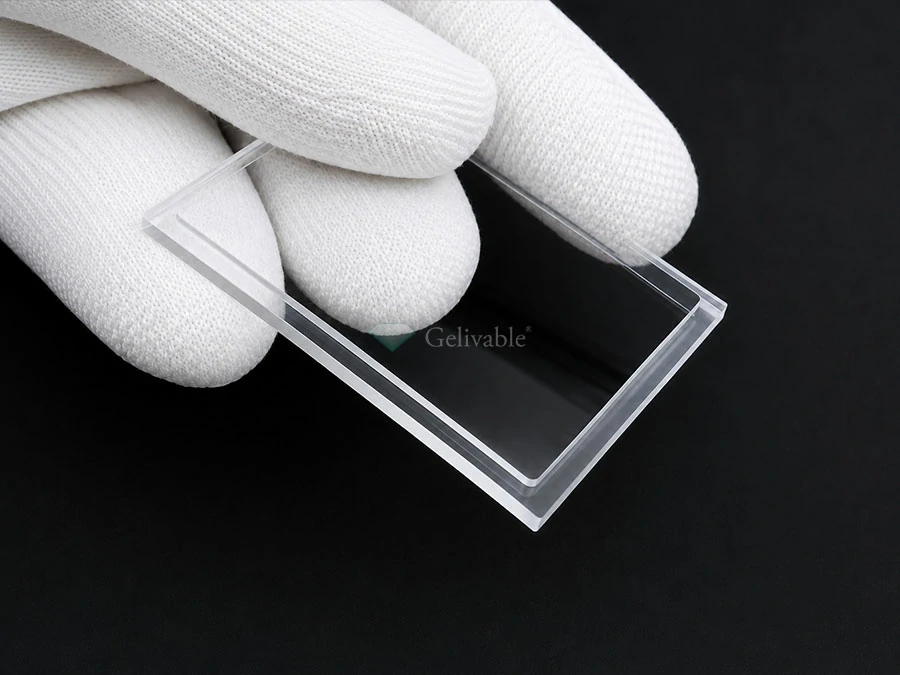
Stepped glass uses precision machining to remove material from selected areas of the glass, creating a controlled step, recess or lowered surface according to the product drawing.
A stepped profile can provide clearance for housings, display modules, touch sensors, adhesive layers or other components while keeping the visible front surface clean and integrated.
Step location, width, depth and surrounding glass geometry should be reviewed together with the mating parts, glass thickness and finished assembly structure.
Stepped structures can be developed together with custom shapes, holes, cutouts, printed graphics, functional surface treatments and bonding requirements where the project design requires them.
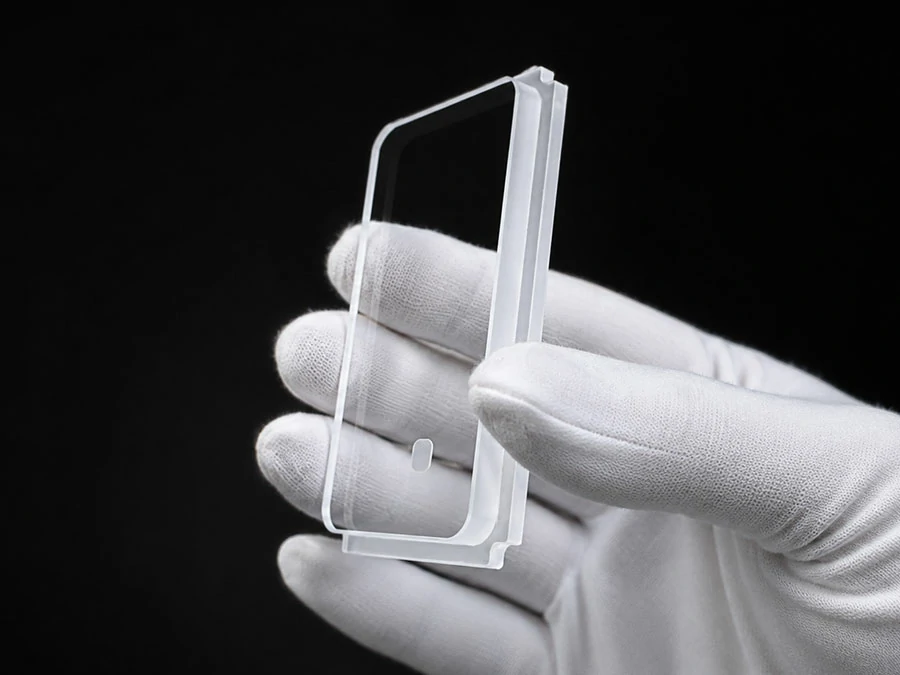
A stepped perimeter can create a reduced-thickness mounting area around part or all of the glass edge, helping the component fit into a frame, housing or supporting structure.
Selected regions on the glass can be recessed where additional clearance is required for a display module, touch component, adhesive layer or another internal part.
Projects can be reviewed for more than one machined level when the assembly requires multiple height transitions or different functional zones within the same glass component.
Step machining can be applied along selected edges to create a locating, mounting or clearance feature for the finished product structure.
Where required by the drawing, stepped glass can also include drilled holes, slots, notches and custom cutouts for mounting hardware, sensors, connectors and other components.
Stepped glass is used where a standard flat glass component cannot provide the required fit, clearance or positioning for the surrounding housing, display, touch, lighting or instrument structure.
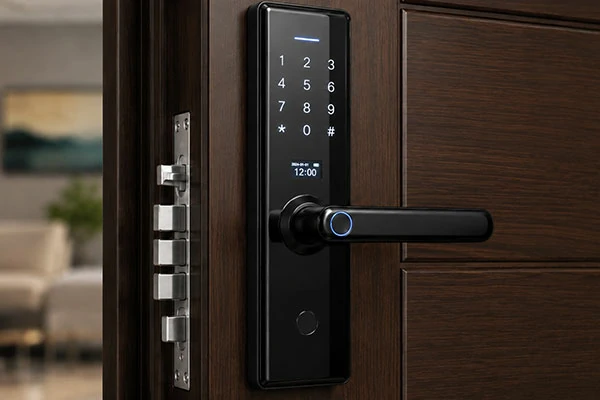
Stepped cover glass can help smart switches, wall controllers and appliance interfaces fit closely with display modules, touch sensors, frames and internal assemblies while maintaining a clean front appearance.
Industrial control panels can use recessed or stepped cover glass where the display, touch module, adhesive layer or equipment housing requires a specific mounting height or clearance.
Custom stepped glass can support compact display and instrument assemblies where the glass must locate accurately within a housing or provide space for internal optical, sensing or interface components.
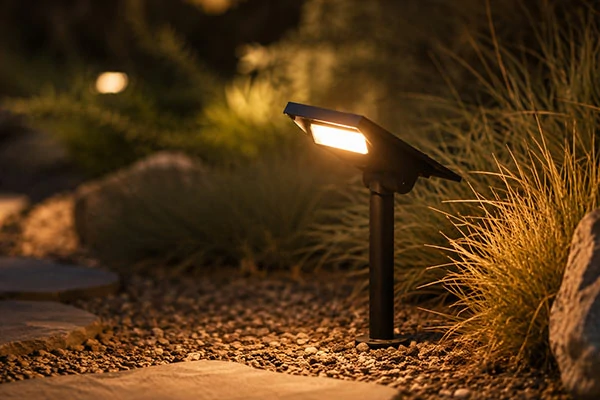
Stepped glass can be used as a protective or optical cover where the glass must seat into a fixture, frame or instrument structure with a defined locating or recessed profile.
Stepped glass is developed around the complete part geometry. CNC step machining can be combined with additional machining, printing, surface treatments, strengthening and adhesive requirements according to the approved drawing and finished assembly.
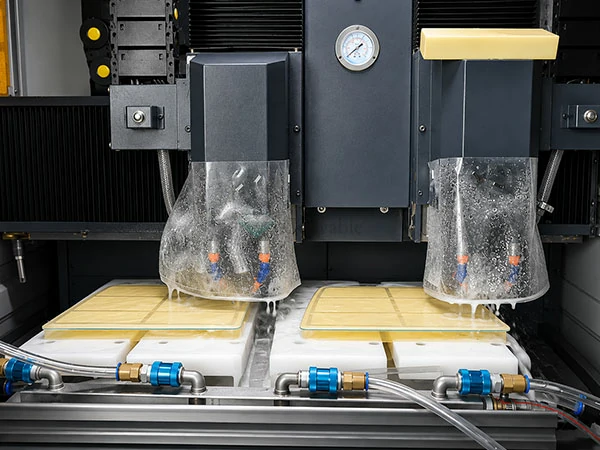
CNC step machining removes material from selected areas to create a controlled recessed or stepped structure according to the customer drawing. The process is used where the glass must fit closely with a housing, display, touch component, frame or other mating part.
The stepped area should be reviewed together with the mating housing, display module, adhesive construction and finished-product stack so the machined geometry matches the intended assembly.
CNC machining supports custom outlines, holes, slots, internal cutouts, notches and other structural features around the stepped glass design.
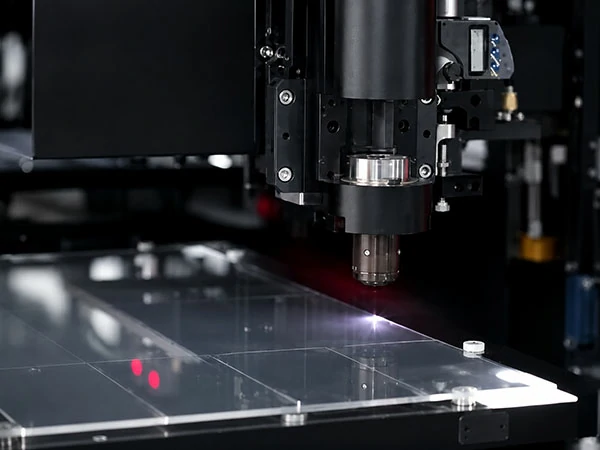
Laser processing can be evaluated for selected cutting, drilling, engraving or marking requirements where the glass material and geometry are suitable.
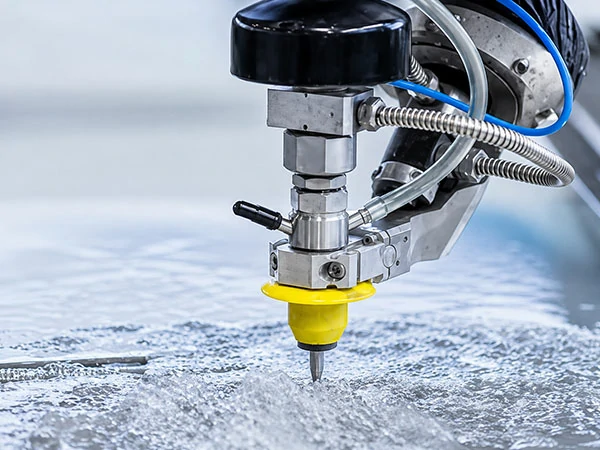
Water jet cutting can be evaluated for selected custom profiles, larger openings and special glass geometries as part of the overall fabrication plan.
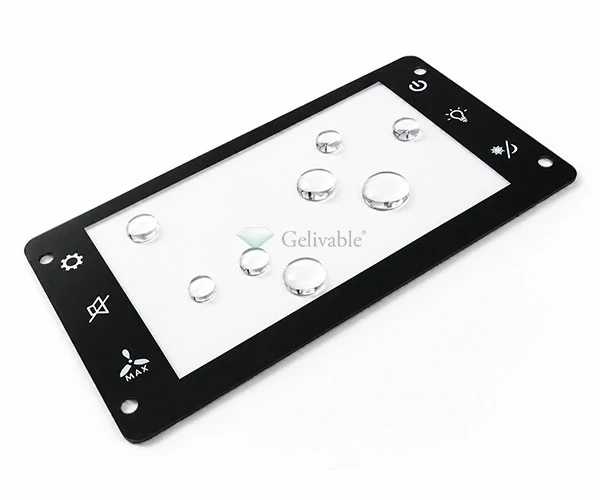
Silk-screen printing can add borders, logos, icons, masking areas and functional graphics to stepped cover-glass components.
Digital printing supports detailed patterns and customized graphics for selected stepped glass applications.
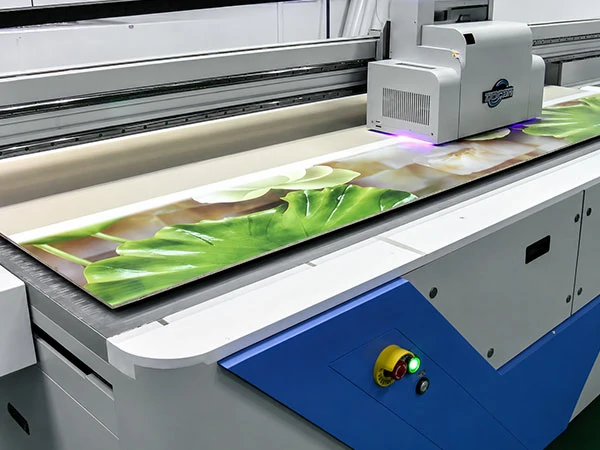
UV printing can be evaluated for customized markings and decorative graphics according to the selected glass and finished product requirements.
AR coating can reduce surface reflection where stepped glass is used over displays, instruments or optical assemblies.
AG treatment can reduce strong glare for stepped glass used in display and control-panel environments.
AF coating provides an easy-clean surface for stepped cover glass used on touch and frequently handled interfaces.
Strengthening requirements should be reviewed together with the selected glass material, overall thickness, remaining thickness in the stepped area and complete machined geometry.
Step grinding, holes, cutouts and other required mechanical geometry should be coordinated before the final strengthening process is confirmed.
Stepped glass is often designed around the surrounding assembly, so adhesive construction should be reviewed together with the recessed area, mating surfaces and installation method.
Adhesive shape and application area can be coordinated with the step profile, housing structure, display or touch module and other components in the finished product.
Send us your drawing, glass material, overall thickness, dimensions, step location, step width and depth, quantity, plus any holes, cutouts, printing, coating, strengthening or bonding requirements.
Stepped glass is a structural custom component rather than a standard flat sheet. GelivableGlass reviews the step geometry together with surrounding machining and finishing requirements to develop the complete part according to the customer drawing.
Overall dimensions, step location, width, depth, holes, cutouts and other structural features can be reviewed directly from the project drawing.
Step grinding can be coordinated with custom shaping, drilling, slots, cutouts, printing, surface treatments and bonding requirements.
The stepped structure can be evaluated together with the housing, display, touch module, frame or other mating components so the glass geometry matches the final assembly.
Stepped glass is a custom glass component with one or more machined height levels. CNC grinding or milling removes material from selected areas to create a step, recess or lowered section according to the product drawing.
A stepped structure can provide clearance or a locating surface for housings, display modules, touch sensors, adhesive layers, frames and other mating components while allowing the visible front of the glass to remain clean and integrated.
Yes. Step position, width, depth and profile are drawing-defined features. Manufacturing feasibility depends on the selected glass material, overall thickness, remaining thickness and complete part geometry, so the drawing should be reviewed before final specifications are confirmed.
Multi-level stepped structures can be reviewed when the assembly requires more than one height transition or separate recessed zones. The feasibility depends on the glass thickness, geometry and machining requirements.
Yes. Depending on the drawing, stepped glass can also include drilled holes, slots, notches and internal cutouts for mounting hardware, sensors, connectors and other product-integration requirements.
Yes. Project-specific printing and compatible surface treatments such as AG anti-glare, AR anti-reflective or AF anti-fingerprint can be reviewed together with the glass material and stepped structure.
Common applications include smart home and appliance control panels, industrial HMI and touch displays, medical or precision instruments, lighting fixtures and other assemblies where the glass needs a recessed or locating structure to fit surrounding components.
Please provide a drawing showing the overall glass dimensions, material or preferred glass type, overall thickness, step position, width and depth, quantity and any holes, cutouts, printing, coating, strengthening or bonding requirements.
Read technical articles about stepped glass, CNC glass machining, cover glass design, precision fabrication, surface treatments and custom glass integration.
View All BlogSend us your drawing with the overall glass dimensions, thickness, step location, width and depth, plus any holes, cutouts and finishing requirements. GelivableGlass can review the stepped structure together with the complete glass manufacturing and assembly requirements.
Contact our team to review the step geometry, glass thickness, machining requirements and finished assembly structure.