Gelivable Earns 2026 EcoVadis Bronze Medal for Sustainability
Gelivable has earned a 2026 EcoVadis Bronze Medal, placing the assessed company in the top 35% of companies rated by Eco···
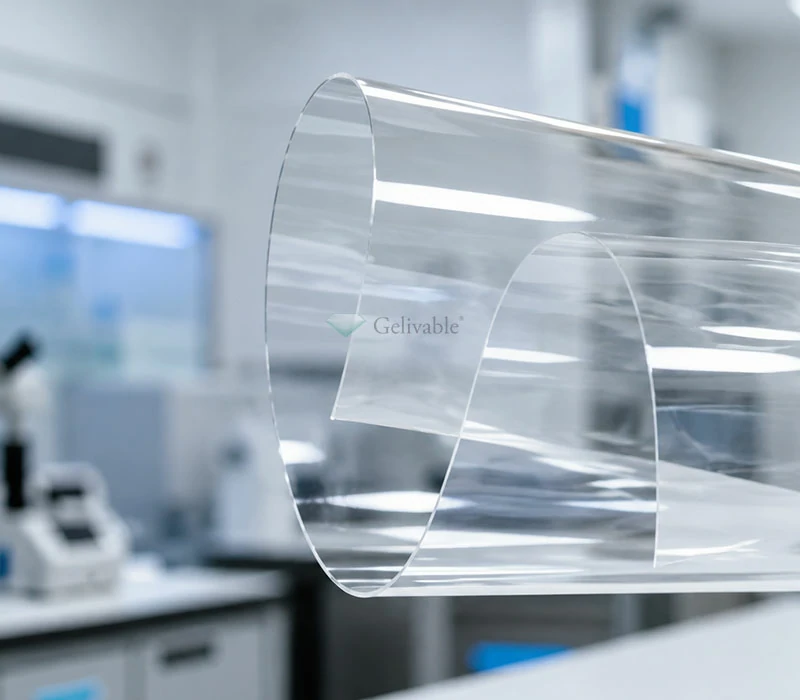
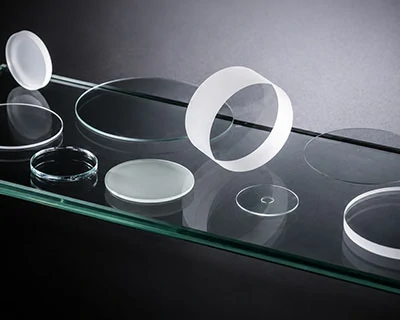
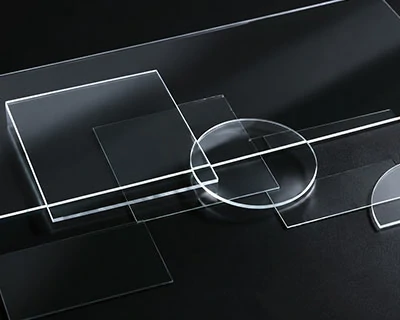
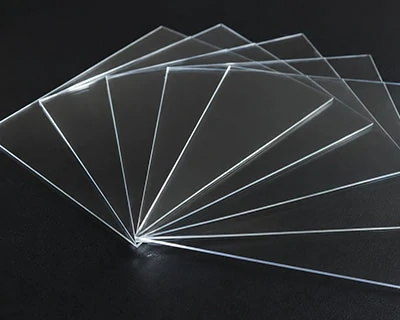
Read MoreGelivableGlass provides custom processing support for selected SCHOTT specialty glass used in display covers, touch interfaces, sensors, imaging windows, technical substrates and other precision glass components.
SCHOTT Glass is not one single glass composition. SCHOTT manufactures a broad portfolio of specialty glasses for electronics, displays, imaging, sensors, semiconductors, medical technology, optics and other technical applications. Different SCHOTT glass families therefore have different thickness ranges, optical properties, thermal behavior and strengthening capability.
GelivableGlass can review selected SCHOTT materials for custom cutting, geometry processing, edge finishing, printing, compatible strengthening, AG/AR/AF surface treatments, adhesive bonding and final inspection. The exact SCHOTT material code should be confirmed before assigning technical properties or defining the final process route.
Get a QuoteSCHOTT's specialty-glass portfolio includes thin borosilicate glass, chemically strengthen-able ultra-thin glass, high-performance cover glass and technical substrate materials for demanding electronic, optical and sensing applications.
Because processing behavior depends on the exact glass family and thickness, material identification should come before machining, strengthening or coating decisions.
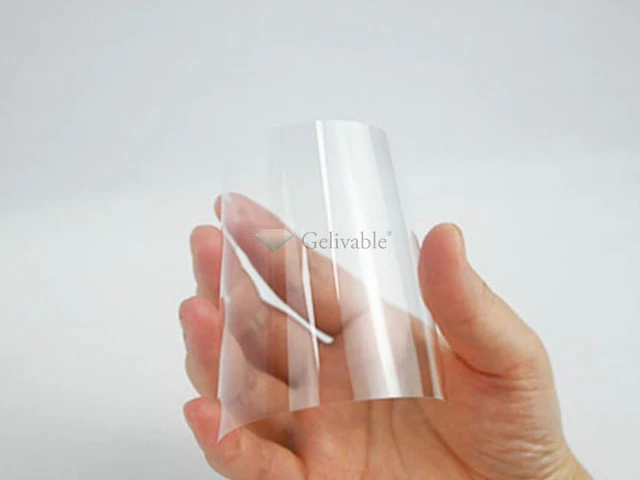
SCHOTT supplies specialty thin-glass families for electronics, sensing, imaging, semiconductors and other applications requiring controlled thickness and high surface quality.
Selected SCHOTT glass families are specifically designed for chemical strengthening and protective cover applications. Strengthening capability must be confirmed from the exact material specification.
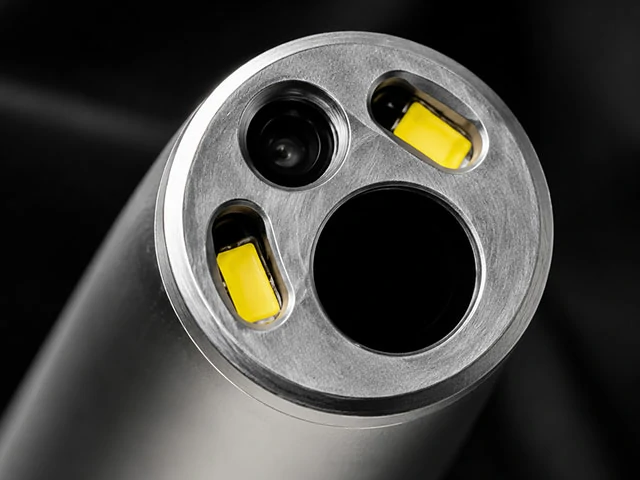
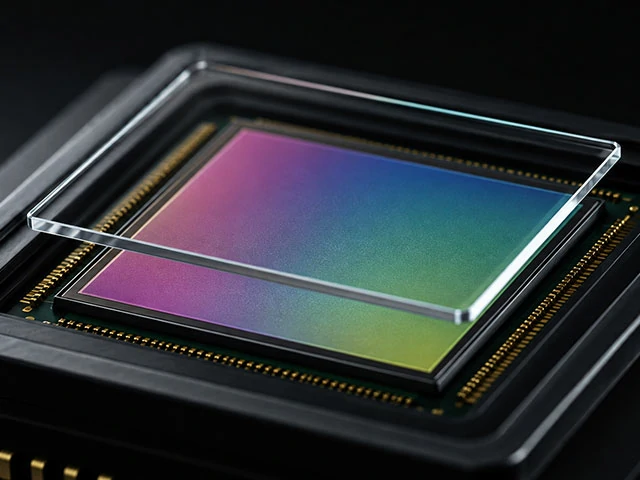
SCHOTT specialty thin glass is used in imaging, sensing, camera-related and semiconductor applications where optical quality and precise geometry are important.
Selected SCHOTT glass can be evaluated for substrates, optical filters, electronic components and other drawing-defined technical parts when the material properties match the application.
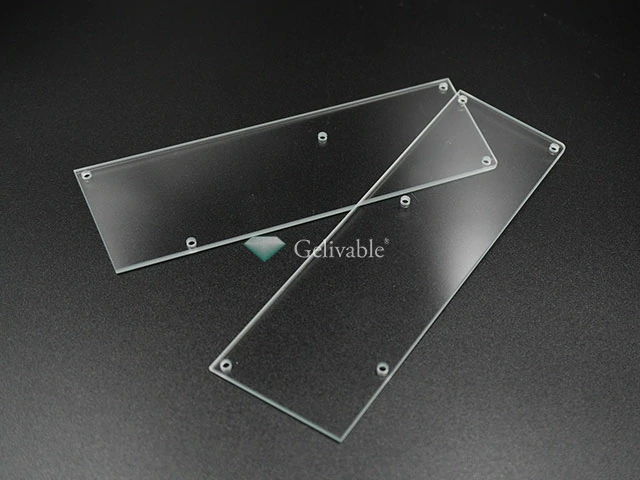
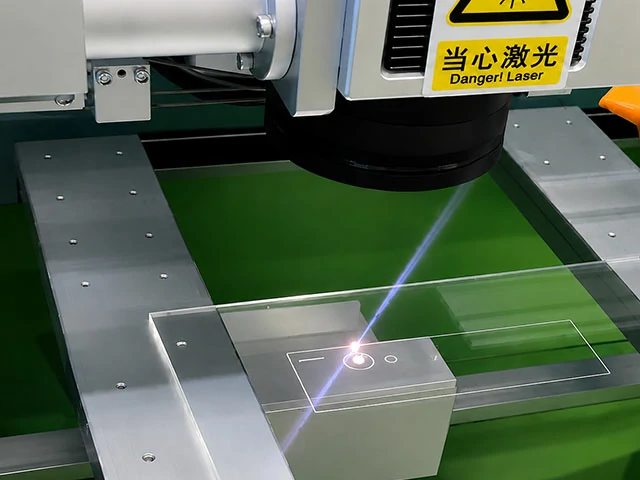
Cutting, shaping, holes, slots and edge processing can be evaluated according to the exact SCHOTT material, thickness, part dimensions and required edge quality.
Chemical strengthening is available only for SCHOTT materials designed to support ion exchange. The required process and target values must be confirmed from the selected glass specification.
Screen printing and AG, AR or AF treatments can be evaluated after confirming compatibility with the selected SCHOTT glass and finished optical requirements.
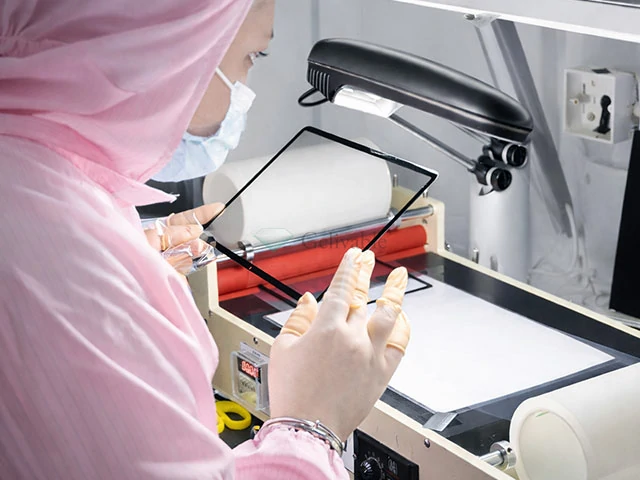
Finished parts can be checked for dimensions, appearance, edge condition and project-specific requirements, with bonding or assembly support available for suitable components.
| Raw Material Brand | SCHOTT |
|---|---|
| Listed Thickness | 0.145 mm |
| Listed Thickness | 0.21 mm |
| Listed Thickness | 2.0 mm |
| Source | Gelivable Company Introduction raw-material chart, updated August 18, 2025 |
| Important Note | The GelivableGlass raw-material chart identifies SCHOTT as the brand but does not assign these thicknesses to one specific SCHOTT glass grade. Exact material code and current stock must therefore be confirmed before quotation or production. |
| Material Reference | Verified SCHOTT Information | Project Note |
|---|---|---|
| D 263® Family | Borosilicate thin glass. SCHOTT publishes a thickness range from 0.03 mm to 1.1 mm and luminous transmittance of 91.7% for its referenced D 263® thin-glass data. | SCHOTT lists applications including microscopy, imaging, sensing, sensors, semiconductors and MEMS. These values apply to the specific D 263® family and are not universal SCHOTT Glass specifications. |
| AS 87 neo | SCHOTT publishes ultra-thin thicknesses from 75 μm to 330 μm. The material is designed for chemical strengthening and is described as providing high impact, bending and scratch resistance after processing. | This is a specific SCHOTT ultra-thin glass reference and does not mean every SCHOTT material has the same strengthening behavior. |
| SCHOTT Specialty Thin Glass | SCHOTT publishes thin-glass materials with tight thickness tolerances, low total thickness variation, high optical transmission and high surface quality for precision technical applications. | The exact optical, thermal, mechanical and chemical values depend on the selected SCHOTT glass family. |
| Material Selection | SCHOTT's portfolio includes different glass chemistries for different technical requirements. | Confirm the exact material code before specifying density, CTE, refractive index, chemical resistance, strengthening values or allowable processing conditions. |
SCHOTT specialty glass is used across electronics, imaging, sensing, medical technology, optics, semiconductors and industrial applications. Material selection should be matched to the technical requirement of the finished component.
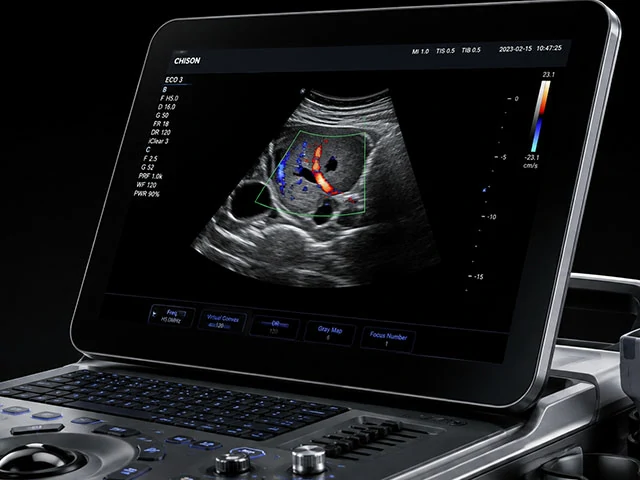
SCHOTT specialty glass is used in medical devices, laboratory and diagnostic applications where optical, thermal or chemical material properties are important.
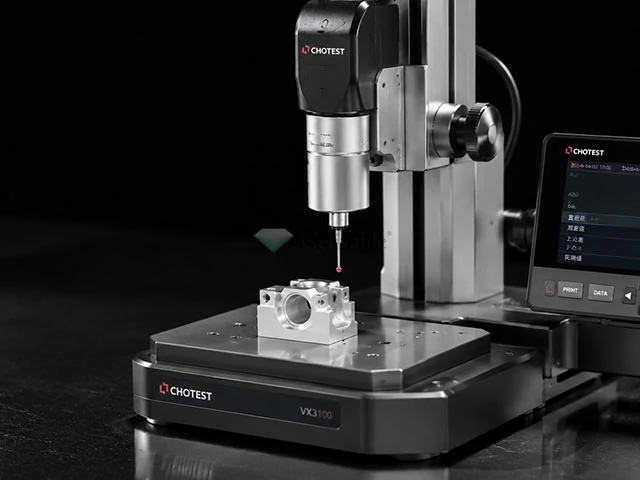
Selected SCHOTT materials can be evaluated for industrial components, inspection systems and measurement equipment requiring controlled optical or thermal performance.
SCHOTT publishes specialty glass for imaging applications, including protective glass, optical substrates and components used around image sensors and camera systems.
SCHOTT thin glass is used in sensing, semiconductor, MEMS and other electronic applications where precise thickness and surface quality are required.
Selected SCHOTT glass families are designed for display protection, touch-panel glass and other thin electronic interfaces requiring specialized material performance.
SCHOTT specialty glass can be evaluated for optical filters, precision windows and other technical components where standard soda-lime glass does not provide the required properties.
SCHOTT supplies different specialty-glass families for different technical needs, so these characteristics describe the portfolio rather than one universal SCHOTT material specification.
SCHOTT develops multiple specialty-glass families with different compositions for electronics, optics, health, industrial, semiconductor and consumer-device applications.
Selected SCHOTT technical-glass families are available at thicknesses measured in tens of micrometers, supporting compact electronic, sensing and display components.
SCHOTT's down-draw thin-glass processes produce fire-polished surfaces with low roughness and tight geometrical properties for precision applications.
Different SCHOTT materials are optimized for properties such as chemical strengthening, optical transmission, thermal stability, chemical resistance or semiconductor compatibility.
Send the SCHOTT material code if known, target thickness, dimensions, quantity, application and required processing. Material availability and process compatibility can be reviewed before quotation.
The correct fabrication route depends on the exact SCHOTT glass family. GelivableGlass reviews material, thickness, drawing and required secondary processes together before production.
The SCHOTT material code and thickness are confirmed before assigning technical properties or selecting strengthening and coating processes.
Cutting, geometry processing, strengthening, printing and coatings are evaluated according to the selected glass rather than applied as a universal process.
Finished dimensions, cosmetic condition and agreed project requirements can be checked against the approved material and drawing specification.
SCHOTT is a specialty-glass manufacturer with multiple glass families for electronics, displays, imaging, sensors, semiconductors, medical technology, optics and industrial applications. SCHOTT Glass is therefore not one single chemical composition or one universal material specification.
GelivableGlass's company raw-material chart, updated August 18, 2025, lists SCHOTT material at 0.145 mm, 0.21 mm and 2.0 mm. The chart does not identify one exact SCHOTT grade for each thickness, so the material code and current stock should be confirmed during quotation.
No. Chemical-strengthening capability depends on the specific glass composition. SCHOTT publishes certain glass families specifically for chemical strengthening, while other technical glasses are selected for different optical, thermal, chemical or semiconductor-related properties.
Different SCHOTT glass families have different density, thermal expansion, refractive index, chemical resistance, thickness ranges and strengthening behavior. The exact material code is therefore needed before technical values or processing conditions can be confirmed.
Selected SCHOTT materials can be custom processed, but the appropriate method depends on glass type and thickness. Ultra-thin glass, borosilicate glass and chemically strengthen-able cover glass should not automatically be assigned the same cutting or machining process.
These surface treatments can be evaluated for compatible SCHOTT glass projects. Compatibility should be reviewed together with the exact glass grade, thickness, strengthening process and final optical specification.
SCHOTT publishes specialty-glass applications across consumer electronics, imaging, sensing, semiconductor technology, medical devices, diagnostics, optics and industrial systems. The suitable glass family depends on the performance requirements of the finished component.
Please provide the SCHOTT material code if known, target thickness, dimensions, drawing, quantity, application and any required cutting, machining, strengthening, printing, coating, adhesive or inspection requirements.
Read technical articles about specialty glass, thin glass, precision fabrication, chemical strengthening, optical coatings and custom glass processing.
View All Blog
Gelivable has earned a 2026 EcoVadis Bronze Medal, placing the assessed company in the top 35% of companies rated by Eco···
Read More
Why Some Applications Require Corning Gorilla Glass | GelivableWhy Some Applications Require Corning Gorilla GlassIn man···
Read MoreSend us the SCHOTT material code if available, target thickness, size, quantity, application and processing requirements. We can review material availability and process compatibility before quotation.
Contact our team for material identification, processing review, sample development and quotation support.