2026-10-14
Gorilla Glass for Industrial Touchscreens: Balancing Durability, Touch Performance, and Cost
An industrial touchscreen may be used hundreds of times per shift. Operators might wear gloves, work under bright overhe···
Read More
Custom laser engraving and precision laser marking for glass components, including logos, text, serial numbers, barcodes, QR codes, fine graphics, frosted surface marks and selected subsurface marking. Laser type, mark position, depth, contrast and process sequence are reviewed according to the glass material and finished-part requirements.
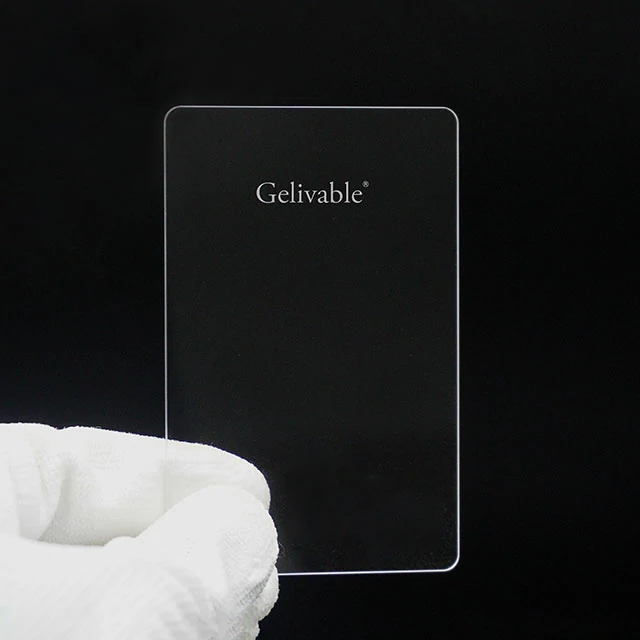
The laser creates the mark without a mechanical cutting tool contacting the glass surface, enabling precise digital processing while reducing dependence on dedicated engraving tooling.
Laser marking can produce fine text, logos, graphics, serial numbers, barcodes and other machine-readable codes. Achievable line width, contrast and readability depend on the laser source, optics, glass material and marking specification.
Artwork can be changed digitally without manufacturing a dedicated mechanical engraving tool, making the process suitable for variable identification, changing graphics, serial information and customized patterns.
CO₂ laser processing is commonly used to create white or frosted-looking marks on soda-lime glass by producing controlled microscopic surface cracking.
UV laser marking can be used for selected glass applications where higher absorption and lower thermal loading are useful. The final effect depends on the glass composition and process settings.
With suitable pulsed-laser technology, marks can be created below the glass surface so the external surface remains smooth. The feasibility depends on glass composition, thickness and the required internal marking geometry.
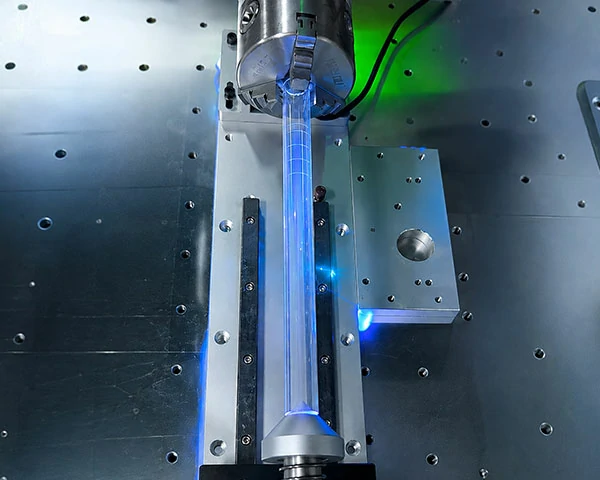
Laser systems can process flat glass and, with suitable focusing or rotary equipment, selected curved, round and three-dimensional glass workpieces.
There is no single laser process that is best for every glass component. CO₂, UV and ultrashort-pulse lasers interact with glass differently, so the glass composition, strengthening condition, mark location, depth, contrast, surface quality and mechanical requirements should be reviewed before production.
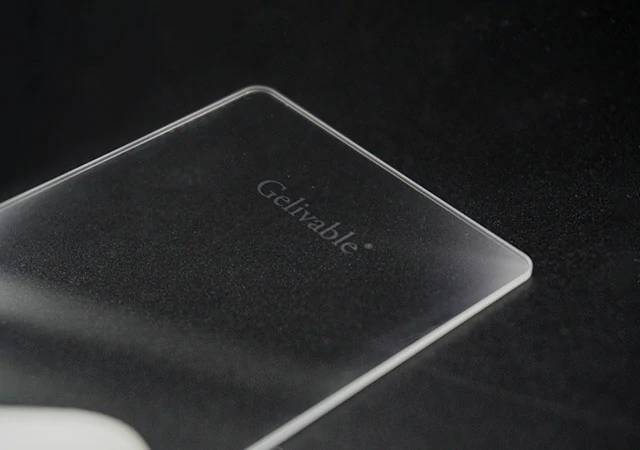
Surface laser engraving can add logos, symbols, text, serial numbers, codes and decorative or functional graphics directly to glass. The finished appearance, depth and contrast are controlled through the selected laser source, optics and processing parameters.
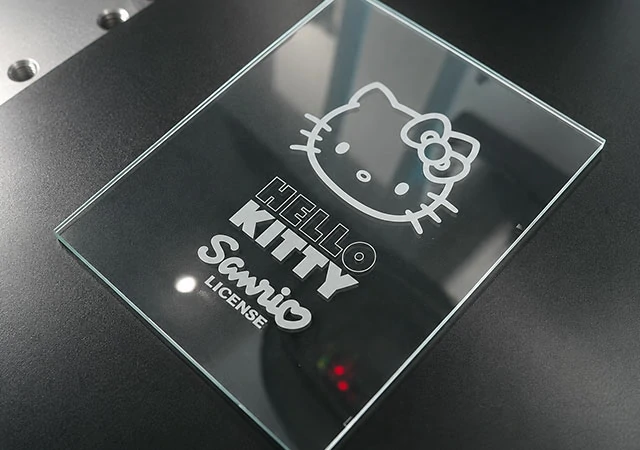
CO₂ lasers are commonly used for glass surface engraving and can create a white or frosted-looking mark on suitable soda-lime glass through controlled microscopic surface modification.
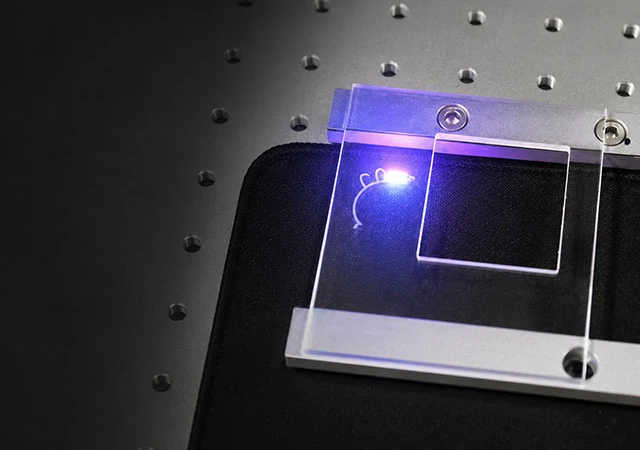
UV laser systems use a short wavelength and can support fine glass marking with lower thermal loading for selected materials. Industrial 355 nm UV systems are commonly used for precision marking applications.
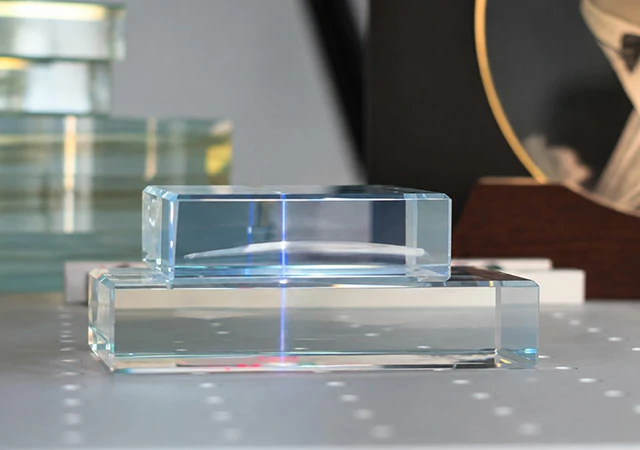
Selected pulsed and ultrashort-pulse laser systems can focus energy inside suitable transparent glass to create an internal mark while leaving the outer surface smooth.
Laser process selection should be based on the actual glass component rather than a generic marking recipe. The table below compares common approaches for surface engraving, fine marking and internal marking. Final parameters must be validated for the selected glass material and finished component.
| Process | Typical Result | Key Process Considerations |
|---|---|---|
| CO₂ Laser Surface Engraving | White / frosted surface mark | Suitable for white or frosted-looking surface marks on many soda-lime glass parts. Surface modification can affect local strength, so critical parts should be validated. |
| UV Laser Marking | Fine surface or selected transparent marking | Useful for fine marking on selected glass materials where smaller features and reduced thermal loading are important. Material response and contrast should be sample-tested. |
| Picosecond / Femtosecond Marking | High-precision glass marking | Useful for high-precision processing of transparent materials where low heat input and fine feature control are important. |
| Subsurface Marking | Internal mark below the glass surface | The focal point is placed below the surface to create an internal mark while keeping the external surface smooth. Suitable glass thickness and optical access are required. |
| Marking Content | Text, logos, graphics, codes | Suitable content can include logos, text, serial numbers, barcodes, QR codes, symbols and other identification or decorative graphics. |
| Material Evaluation | Project-specific | Glass composition, strengthening condition and residual stress influence processing behavior. Heat-sensitive or highly stressed glass requires a more cautious process review and sample validation. |
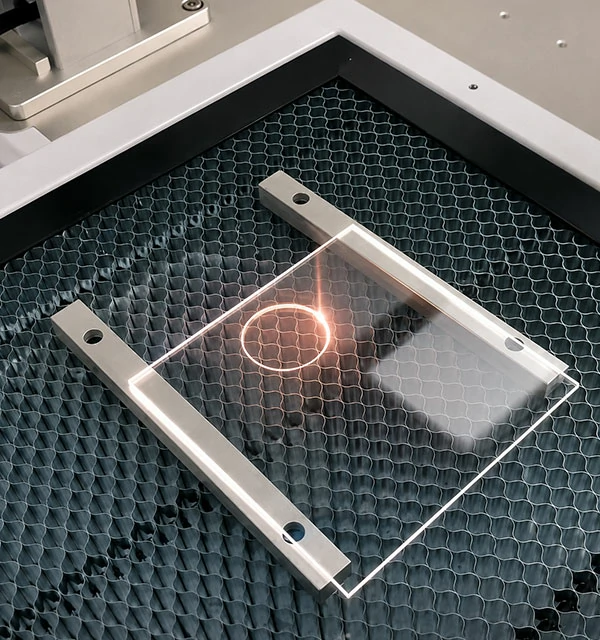
Surface frosting, fine UV marking and subsurface marking are different processes and should not be treated as interchangeable. Mark quality should be evaluated together with glass material, strengthening condition, coatings, printing and the final mechanical or optical requirement.
Laser engraving and laser marking can add permanent identification, functional graphics, decorative patterns and internal marks to precision glass components without conventional engraving tooling.
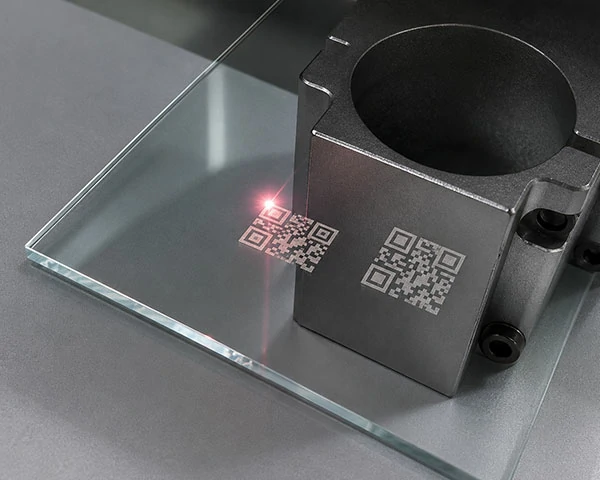
Text, serial numbers, barcodes, QR codes and other identification information can be laser marked onto suitable glass components for traceability, production control and permanent part identification.
Cover glass and control panels can be marked with symbols, scales, icons, labels and other functional graphics when the selected laser process is compatible with the glass, coating and customer-supplied display or touch assembly.
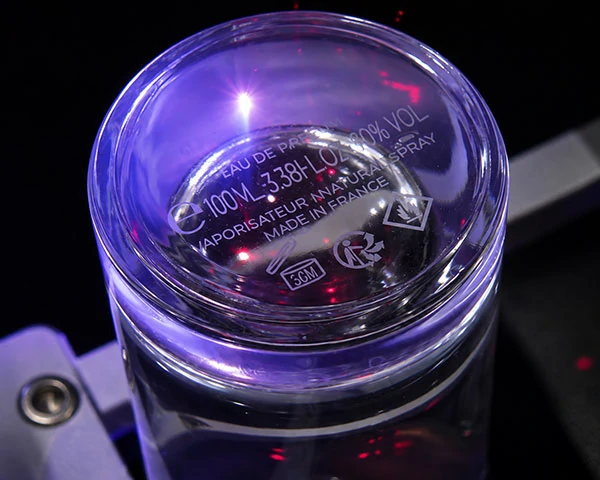
Subsurface marking can place identification or security features inside suitable transparent glass while keeping the external surface smooth, which can be useful for selected optical and laboratory components.
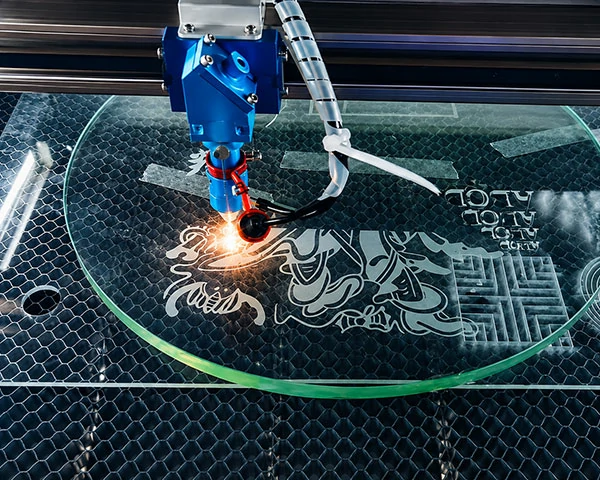
Logos, text, patterns and matte effects can be engraved onto flat or shaped glass for branded equipment, decorative panels and other customized glass products.
GelivableGlass supports custom laser-engraved glass with precision machining, cutting, drilling, edge processing, printing, strengthening, compatible surface treatments and adhesive bonding. Laser engraving should be reviewed together with the full fabrication sequence so mark quality and finished-part performance remain compatible.
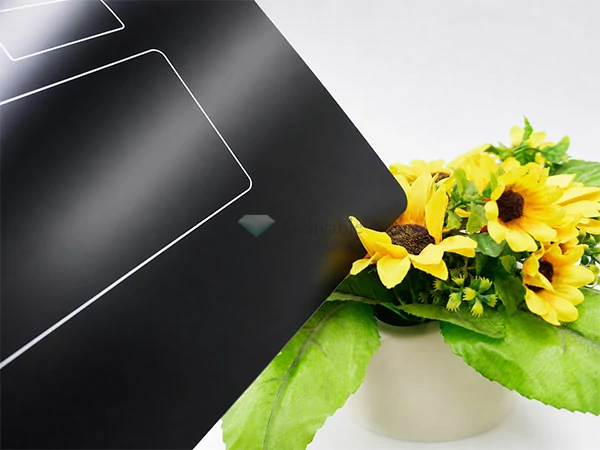
Corning Gorilla Glass can be evaluated for laser-marked cover-glass projects where the engraving process is compatible with the strengthened glass and finished performance requirements.
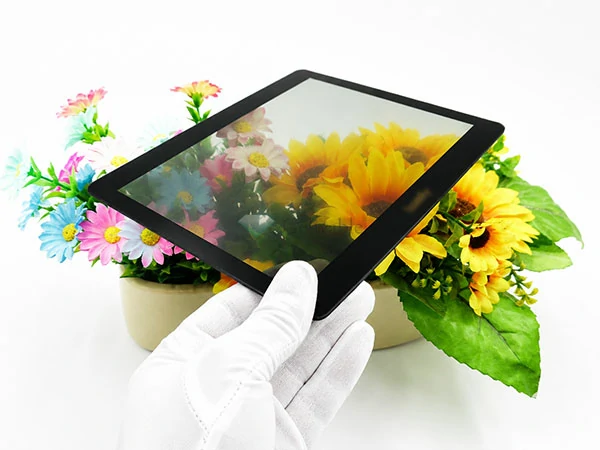
AGC glass can be reviewed according to the required thickness, optical properties, strengthening route and compatibility with the selected laser-marking process.
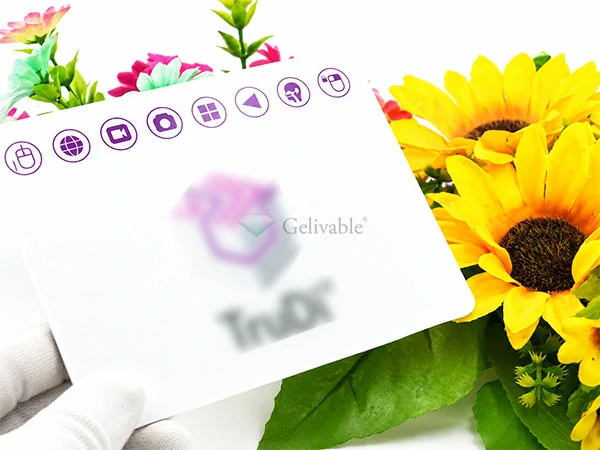
Panda Glass can be evaluated for projects that combine chemically strengthened cover glass with laser marking, subject to sample validation and the required finished-part strength.
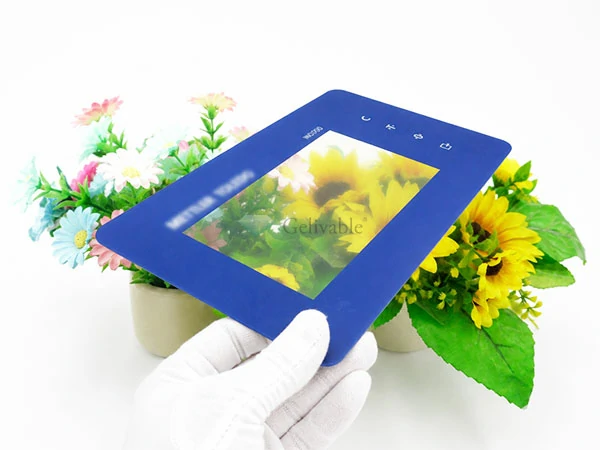
Sapphire can be considered for selected precision laser-processing applications where the laser wavelength, marking requirement and substrate properties are compatible.
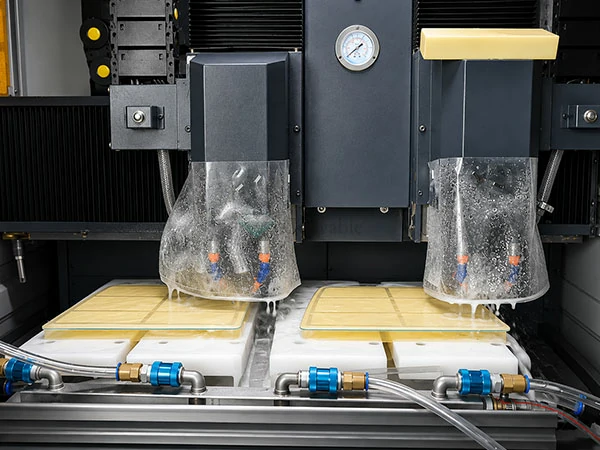
Precision machining supports custom outlines, holes, slots, cutouts and other drawing-defined features. Machining, strengthening and laser engraving should be sequenced according to the glass material and final surface requirements.
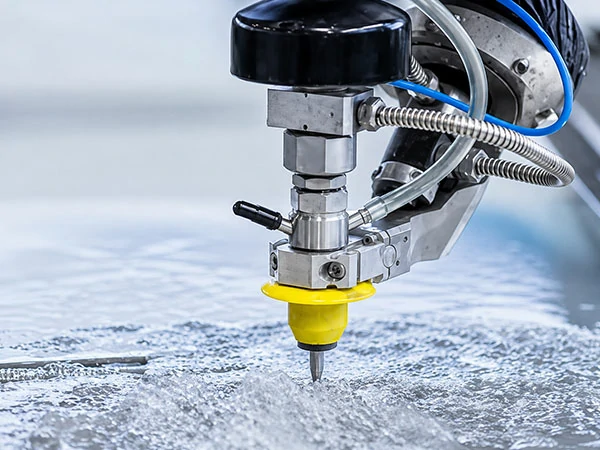
Water jet cutting can be evaluated for selected profiles and cutouts where the material, thickness and downstream laser-marking process are compatible.
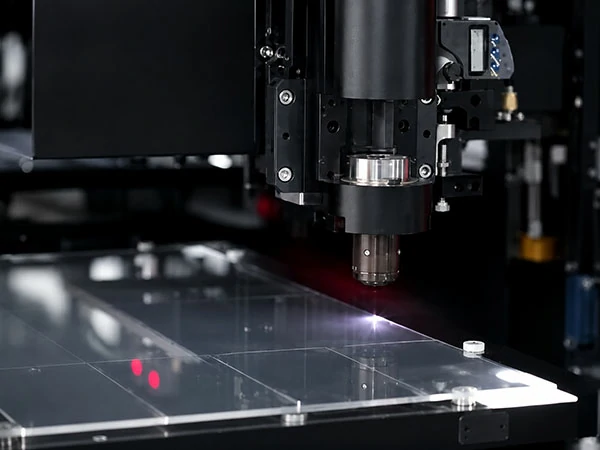
Laser processing can support selected marking, engraving, cutting, drilling or structuring requirements. The suitable laser technology depends on the glass composition, geometry, required feature size and finished-part performance.
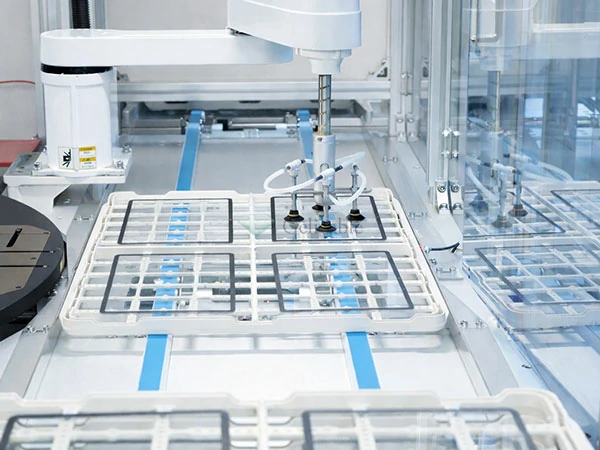
Silk-screen printing can add borders, icons, logos, masking areas and functional graphics. Printed and laser-marked areas should be coordinated in the artwork and process sequence.
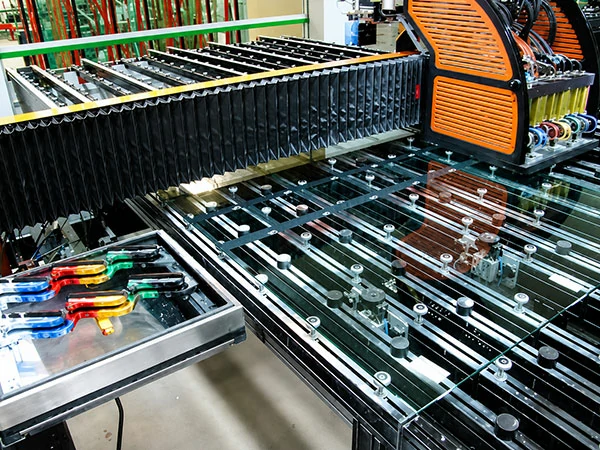
Digital printing can reproduce detailed graphics and multiple colors where printed decoration is required together with separate laser-engraved information or patterns.
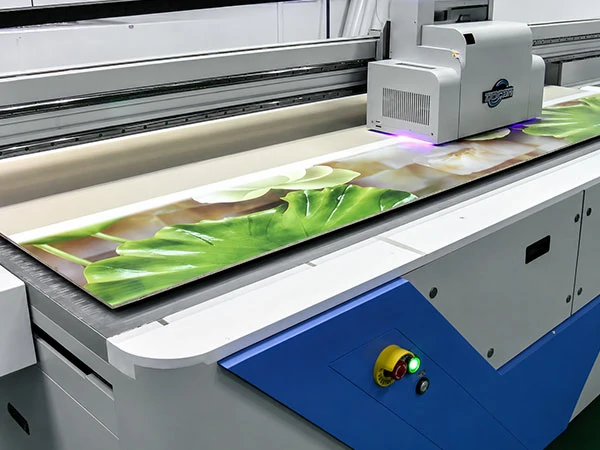
UV printing can be evaluated for decorative or functional graphics when the ink system and curing process are compatible with the laser-marking and finished-surface requirements.
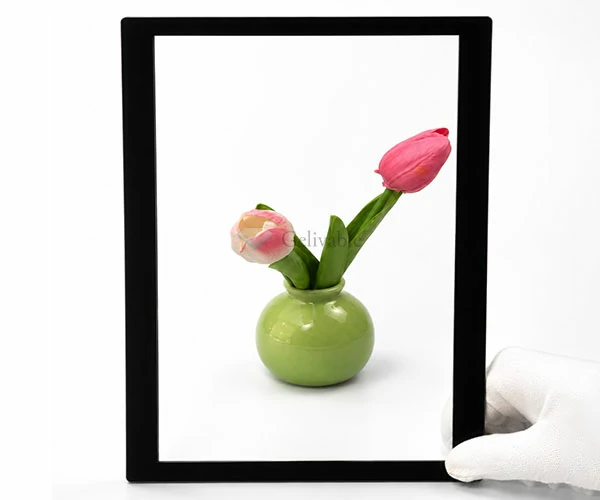
AR coating can be evaluated where reduced reflection is required. The laser-marking side and process sequence should be selected to avoid unintended coating damage.
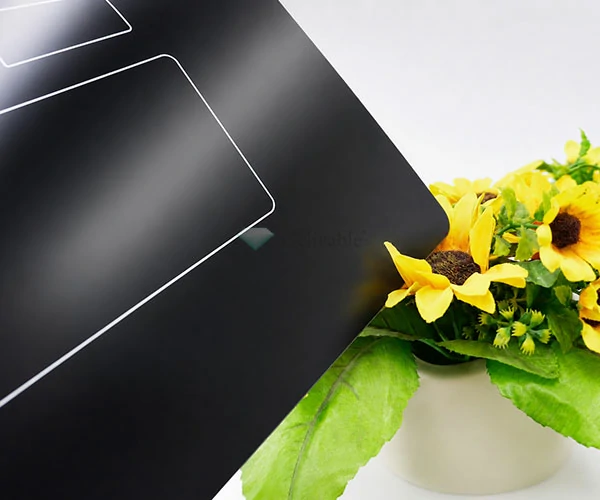
Anti-glare treatment can be reviewed for exposed glass surfaces when the texture, haze and laser-marked appearance remain compatible with the project requirement.
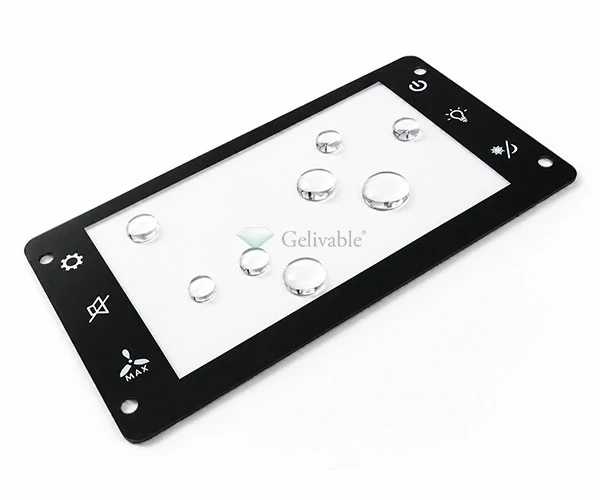
AF coating can be evaluated for touch surfaces. Coating and laser engraving should be sequenced according to the required mark and exposed surface condition.
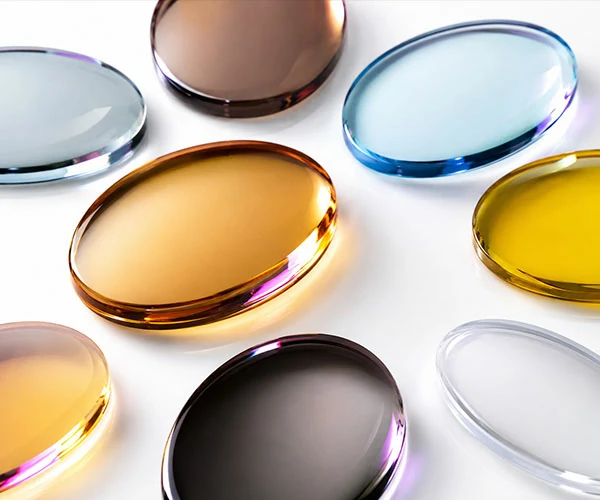
Selected optical coatings can be reviewed for components that require laser marking together with specified transmission, reflection or spectral behavior.
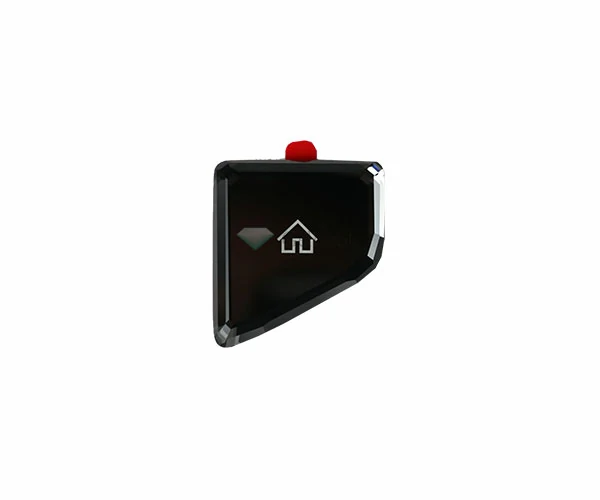
A conventional flat-glass edge structure suitable for standard laser-engraved cover glass and precision glass panels.
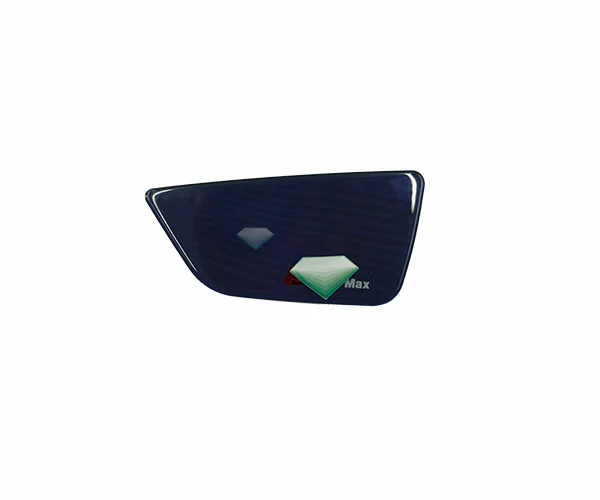
2.5D edge processing creates a rounded transition for glass panels where touch feel and product integration are important.
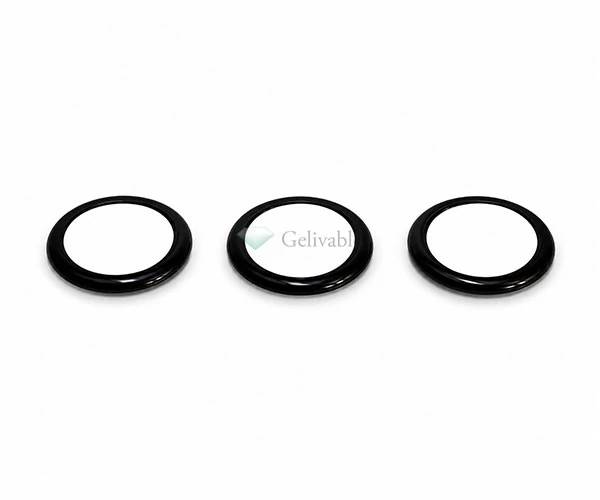
Selected 3D edge structures can be evaluated for customized front panels and complex glass geometries before the final laser-marking process is approved.
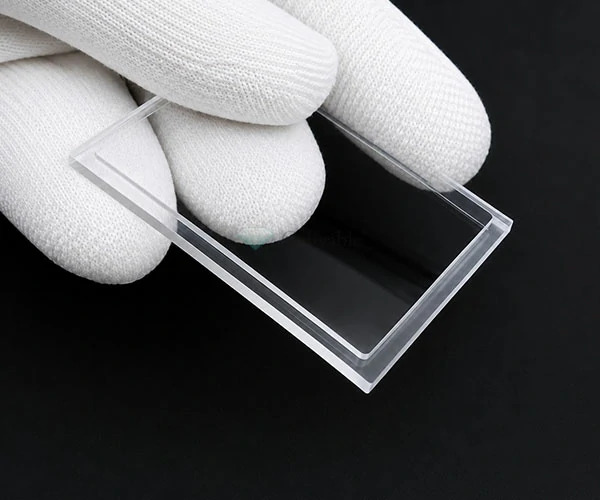
Stepped-edge structures can support special mounting, bonding and assembly requirements for custom laser-engraved glass components.
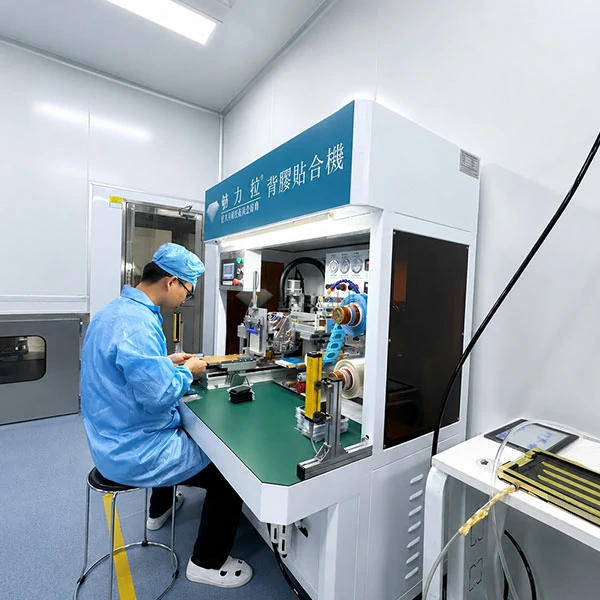
Laser-engraved glass can be integrated into assemblies with adhesive or optical bonding when the engraved area, coating stack and bonding surface have been reviewed for compatibility.
The engraving side should be selected according to visibility, touch exposure, coating location and whether the mark will contact adhesive in the finished assembly.
Where bonding directly over a laser-modified area is required, adhesion and appearance should be validated on the actual part construction.
The drawing, laser-marking requirement, glass fabrication, coatings and final assembly should be reviewed as one complete process before production.
Send your drawing, glass material, dimensions, thickness, quantity and engraving artwork. Please indicate surface or subsurface marking, mark location, size, visual effect, code or serial-number requirements, and any strengthening, printing, coating or bonding requirements.
Laser engraving should be developed together with glass material, geometry, strengthening, printing, coating and final assembly. GelivableGlass reviews the marking process as part of the complete precision glass component rather than as an isolated decoration step.
The marking method can be evaluated according to glass material, strengthening condition, required visual effect, mark location, feature size and whether the application needs surface or internal marking.
Precision machining, drilling, edge processing, printing, strengthening, coatings and bonding can be reviewed around the laser engraving and finished component drawing.
When marking quality, glass strength or optical appearance is critical, sample validation helps confirm the process before the final production specification is approved.
Laser engraving uses a focused laser beam to create a visible mark on or inside glass. Depending on the laser technology and process, the result can be a frosted surface mark, a fine transparent mark or a subsurface mark inside the glass.
CO₂ lasers are commonly used for white or frosted surface engraving on soda-lime glass. UV laser systems use a shorter wavelength, commonly 355 nm in industrial marking systems, and can be used for finer marking of selected glass materials with lower thermal loading.
Yes. With suitable pulsed laser technology, the focal point can be placed below the glass surface to create a subsurface mark. Industrial laser references describe this method as allowing the outer surface to remain smooth and undamaged.
Yes. Laser marking can be used for logos, text, serial numbers, barcodes, QR codes and other graphics. Achievable size, contrast and readability depend on the glass material, laser system, artwork and code-verification requirement.
Strengthened cover glass can be evaluated for laser marking, but the process should not be assumed to behave the same as ordinary annealed glass. Because strengthening changes the stress condition, laser type, mark position, depth and finished-strength requirement should be validated on the actual material.
It may be possible, but thermal laser engraving can be more difficult on glass with significant internal stress. Hand-blown and crystal glass can be more susceptible to fracture when existing material stresses are aggravated by laser heat, so sample testing is recommended.
Surface engraving intentionally modifies the glass surface, and CO₂ engraving can create microscopic surface cracks to form the frosted mark. If mechanical strength is critical, the finished part should be tested rather than assuming the original glass strength is unchanged.
Yes, depending on the geometry and available equipment. Laser manufacturers offer rotary systems and multi-axis focusing systems for processing round, curved and three-dimensional workpieces.
Yes, but the process order must be reviewed. Laser energy can remove or damage some coatings or printed layers, while engraving before coating can change the final visual result. The marking side, coating area and process sequence should therefore be confirmed together.
Yes. GelivableGlass can combine laser engraving or laser marking with custom cover-glass fabrication, including precision dimensions, holes, slots, cutouts, edge structures, printing, strengthening, compatible coatings and bonding requirements. The laser process is reviewed together with the complete glass drawing and production sequence.
The terms are often used interchangeably in commercial searches, but the exact surface effect depends on the laser process. A CO₂ laser may create a frosted surface mark through controlled surface modification, while UV or ultrashort-pulse systems can produce finer or lower-heat-input marks. The required visual effect should be defined on the drawing or sample.
Please provide the glass material, dimensions, thickness, quantity, drawing and engraving artwork. Also identify the mark location, size, surface or subsurface preference, target visual effect, code or serial-number requirements and any strengthening, printing, coating or bonding requirements.
Read technical articles about laser engraved glass, glass laser marking, cover glass, precision glass machining, strengthening, printing, coatings and custom glass fabrication.
View All Blog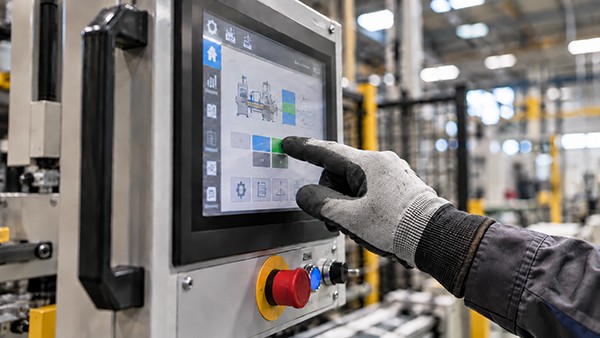
An industrial touchscreen may be used hundreds of times per shift. Operators might wear gloves, work under bright overhe···
Read More
Recently, I have been thinking carefully about how we should explain an important change to our customers—and, more impo···
Read More
AG anti-glare glass is most suitable for display applications where strong ambient light, reflections, long viewing peri···
Read MoreSend us your drawing, glass material, engraving artwork, mark location and required visual effect. We can review the laser process together with precision glass fabrication, strengthening, printing, coatings and final assembly requirements.
Contact our team to review glass material, marking method, artwork, processing sequence, sample development and quotation.