When Corning Gorilla Glass Becomes Essential | Gelivable
Why Some Applications Require Corning Gorilla Glass | GelivableWhy Some Applications Require Corning Gorilla GlassIn man···
Read MorePrecision CNC edge grinding and polishing for custom cover glass, display glass and technical glass parts, including C-edge, R-edge, chamfered and 2.5D edge profiles according to customer drawings.
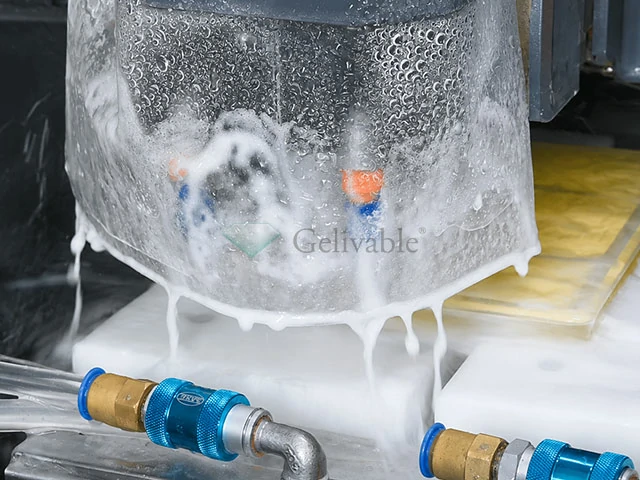
GelivableGlass provides CNC glass edge grinding and polishing for custom glass components that require safe handling, controlled dimensions, defined edge geometry and a clean finished appearance.
Edge work is performed after cutting and before later processes such as thermal tempering or chemical strengthening when the project requires them. The required profile, corner geometry and finish should be confirmed together with the glass material, thickness and final assembly.
Our current production-process reference includes C-edge, R-edge and 2.5D curved-edge machining, as well as C-angle, R-angle and complex chamfering for supported designs.
Get a quoteA controlled edge profile improves handling, assembly fit and visual quality while helping remove the sharp cut edge left by initial glass cutting.
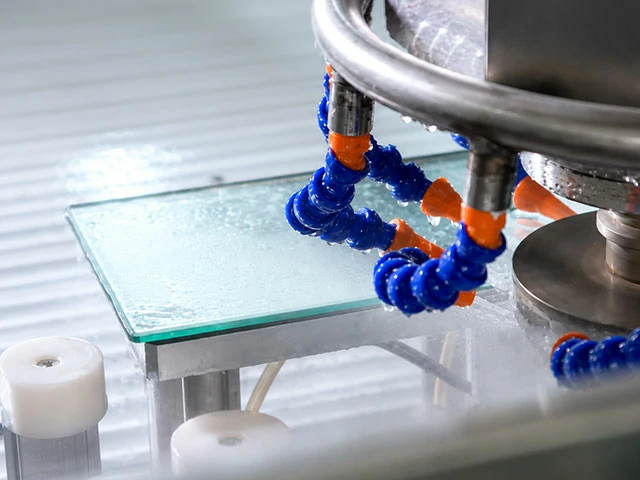
Grinding removes the sharp as-cut edge and creates a controlled profile that is more suitable for handling and assembly.
CNC equipment can produce defined chamfers, radiused edges and other edge geometries according to the approved part drawing.
Controlled edge dimensions and corner geometry help the finished glass locate more consistently in frames, housings and bonded assemblies.
Selected edge profiles can be polished where a smooth, visually finished edge is required by the product design.
Edge grinding can be coordinated with drilling, slotting, cutouts and custom outlines before strengthening or final finishing.
Tooling, feed rate, edge geometry and achievable tolerance depend on the selected glass material, thickness and part shape.
The following items are based on GelivableGlass current CNC production-process information. Final tolerance and edge quality should be confirmed from the actual drawing and glass material.
| Item | Reference / Project Consideration |
|---|---|
| Supported Edge Profiles | C-edge, R-edge and 2.5D curved-edge profiles for supported designs |
| Chamfer Types | C-angle, R-angle and complex chamfers |
| Chamfer Tolerance Reference | ±0.05 mm for supported machining conditions |
| Related CNC Features | Drilling, slotting and custom profile fabrication can be combined in the same part |
| Process Sequence | Edge grinding and mechanical features are normally completed before strengthening |
| Drawing Review | Glass thickness, edge width, radius/chamfer, corners and appearance requirement should be specified |
The appropriate edge design depends on the finished product. For non-standard profiles, send the drawing so the edge geometry, tooling access and tolerance can be reviewed together.
CNC grinding can create different edge and corner profiles to suit the mechanical fit and visual requirements of custom glass parts.
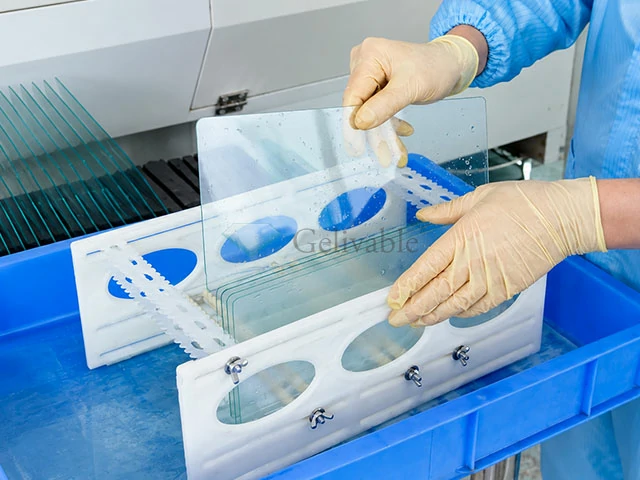
After the required edge geometry is formed, the finish can be reviewed for smoothness, appearance and assembly requirements. Polishing is selected where a brighter finished edge is required.
Edge grinding and polishing are used wherever custom glass must fit precisely, be safe to handle or present a finished visible edge.
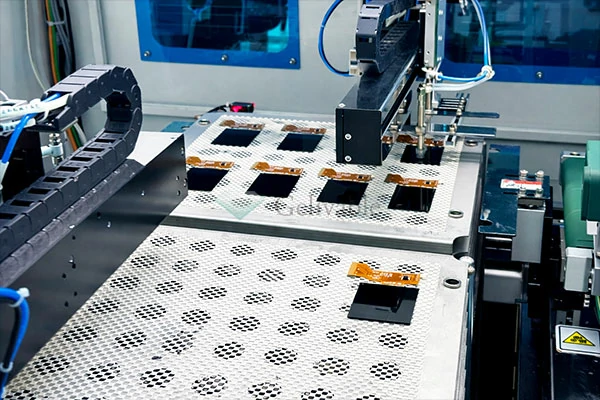
Cover glass and touch-panel parts can use controlled edge profiles to improve handling, dimensional fit and the appearance of exposed glass edges.
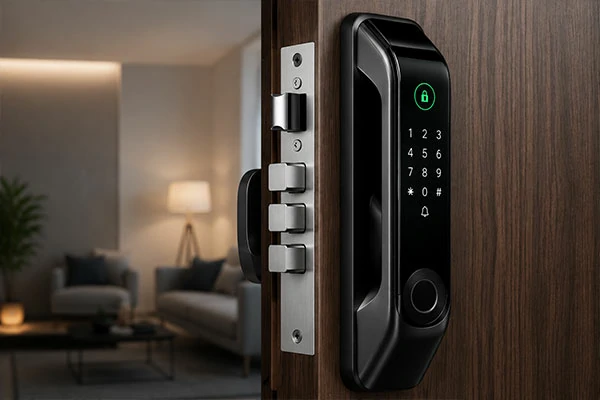
Smart switches, appliance panels and control interfaces often require smooth edges, rounded corners and consistent profiles for housings and touch surfaces.
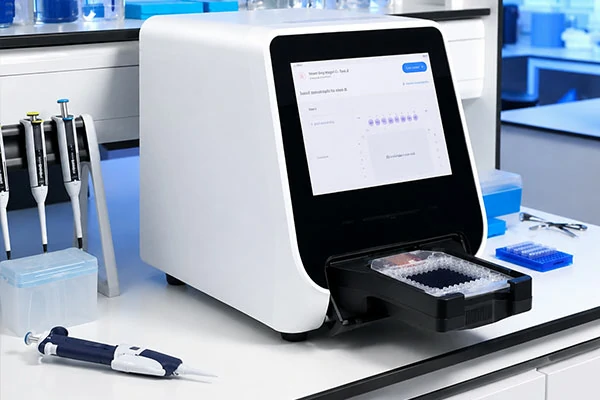
Medical and laboratory equipment can require precisely finished cover glass, viewing windows and instrument panels with controlled edges and corners.
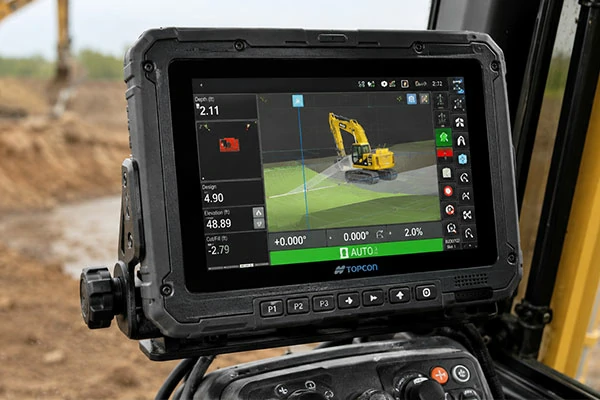
Industrial controls, instruments and equipment windows can use custom edge profiles where mechanical fit, repeatability and durable handling are important.
Send us the drawing, glass material, size, thickness, quantity, required edge profile, corner design, tolerance and whether the edge is ground, smoothed or polished.
GelivableGlass coordinates edge grinding with the other machining and finishing steps required by the complete custom glass component.
Edge profile, radius, chamfer, corner geometry and visible-edge requirements can be reviewed directly from the customer drawing.
Edge grinding can be combined with custom outlines, holes, slots, cutouts and other CNC features before later processing.
Mechanical edge work is coordinated before strengthening and other finishing steps so the final process route matches the glass design.
CNC glass edge grinding is secondary machining applied to the edges and corners of cut glass. It removes the sharp cut edge and creates a controlled edge profile or chamfer according to the drawing.
GelivableGlass current production-process reference lists C-edge, R-edge and 2.5D curved-edge machining, together with C-angle, R-angle and complex chamfering for supported designs.
The current production-process reference lists a minimum chamfer tolerance of ±0.05 mm. Final achievable tolerance depends on glass material, thickness, edge geometry, part size and inspection requirements.
No. Grinding forms and smooths the edge geometry. Polishing is an additional finishing step used when the edge needs a smoother and more visually refined finish.
Yes, as a general manufacturing rule the final edge geometry and other mechanical features should be completed before thermal tempering or chemical strengthening. Any exception should be reviewed for the specific glass and process.
Please provide the glass drawing, material, thickness, overall dimensions, edge profile, radius or chamfer dimensions, corner requirements, tolerance, quantity and any strengthening, printing, coating or bonding requirements.
Read technical articles about CNC glass machining, edge grinding, polishing, custom edge profiles, cover glass fabrication and strengthening process planning.
View All BlogSend us your drawing with glass size, thickness, edge profile, corner geometry, tolerance and finishing requirements. GelivableGlass can review the edge design together with the complete machining and production sequence.
Contact our team for edge-profile review, sample development and quotation support.