When Corning Gorilla Glass Becomes Essential | Gelivable
Why Some Applications Require Corning Gorilla Glass | GelivableWhy Some Applications Require Corning Gorilla GlassIn man···
Read MoreGelivableGlass provides custom Panda Glass for display cover glass, touch panels and precision protective windows. Processing can include CNC machining, drilling, edge finishing, chemical strengthening, printing, AG/AR/AF treatments, adhesive bonding and final inspection.
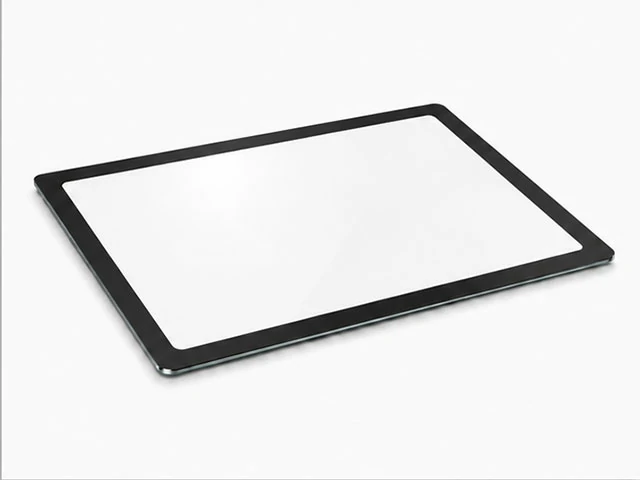
Panda Glass is a China-made high-aluminosilicate cover-glass material developed for protective display applications. Panda-MN228 is described by the material manufacturer as an ultra-thin high-aluminosilicate cover glass for portable display equipment, with characteristics including flexural strength, scratch resistance and impact resistance.
For custom cover-glass projects, GelivableGlass can combine Panda Glass with precision cutting, CNC machining, hole and slot processing, edge finishing, chemical strengthening, printing, functional coatings and adhesive integration. Final material grade, thickness and strengthening target should be confirmed according to the drawing and application.
Get a QuotePanda Glass is suitable for thin protective components where optical clarity, surface durability and chemical strengthening are important. The finished geometry can be developed around display windows, touch areas, mounting holes, slots and other mechanical features.
Material availability varies by Panda Glass grade and thickness. The current Panda-MN228 manufacturer information lists a broad production thickness range, while actual stock and processing suitability should be confirmed for each project before production.
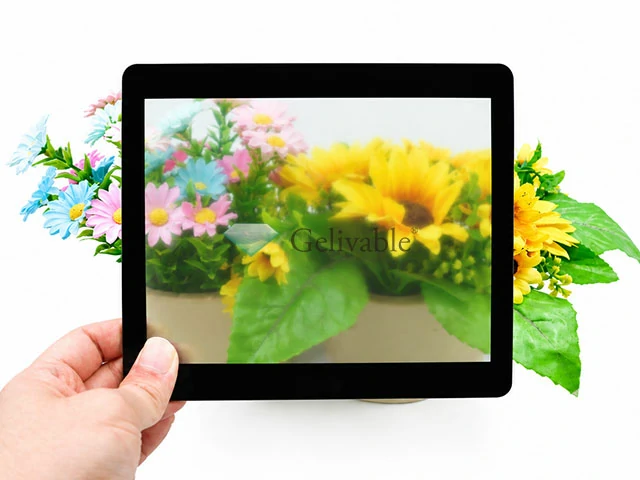
Custom Panda Glass can be processed as protective cover glass for LCD, TFT and other display modules that require a clear and durable front surface.
Thin Panda Glass can be used for touch-panel cover glass where smooth operation, dimensional control and strengthened surface performance are required.
Panda Glass can be machined into protective windows for sensors, cameras and instrument openings when the optical, size and edge requirements are defined.
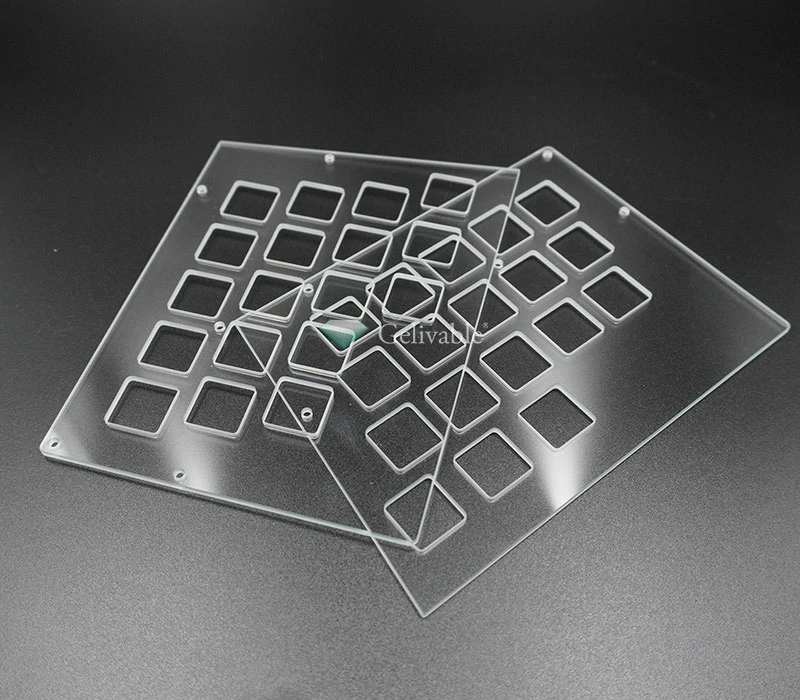
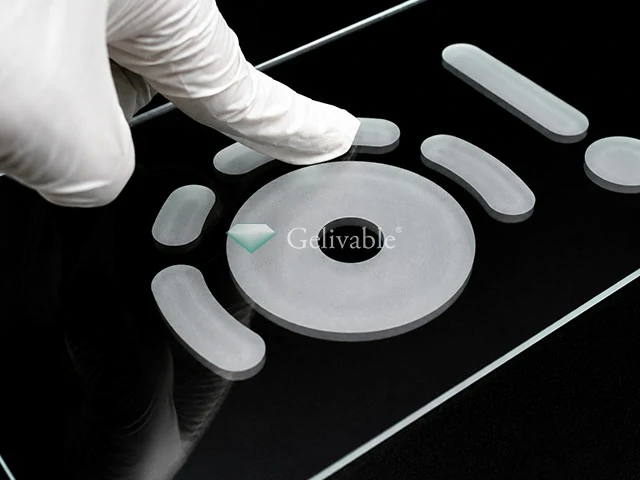
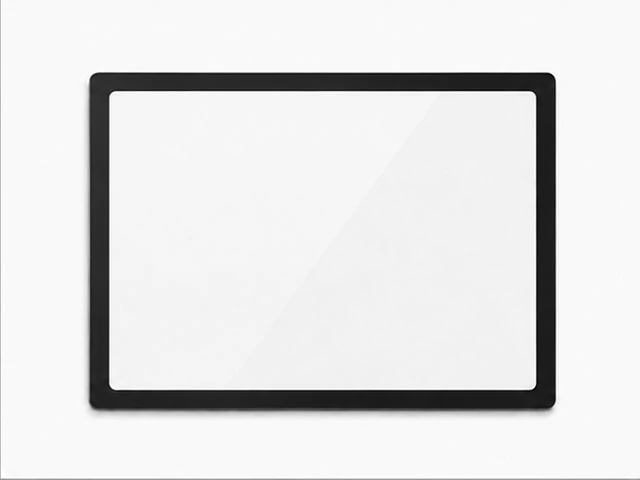
Non-standard outlines, rounded corners, holes, slots and other drawing-defined features can be evaluated through CNC glass machining and edge finishing.
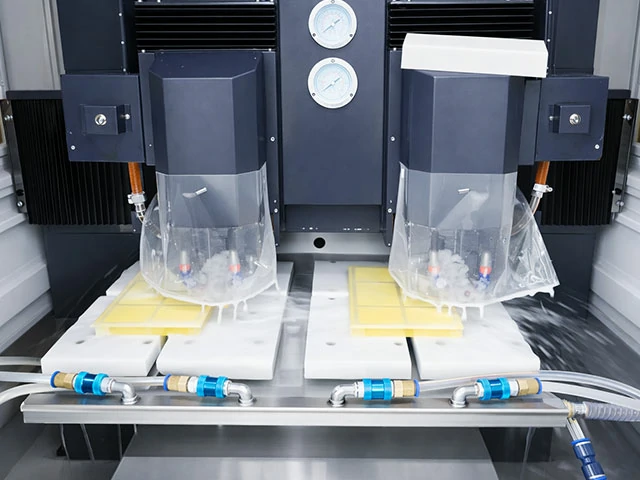
Cutting, CNC shaping, drilling, slots, chamfers and polished edges can be produced according to the part drawing and glass thickness.
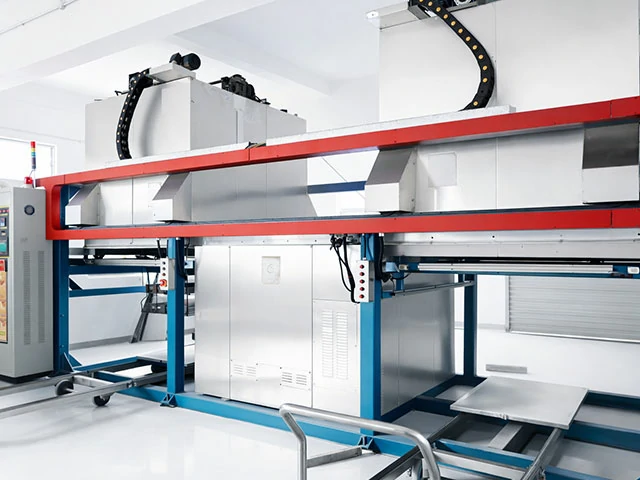
Panda Glass responds well to ion-exchange strengthening. The final CS and DOL targets should be defined according to material grade, thickness, geometry and finished-part performance requirements.
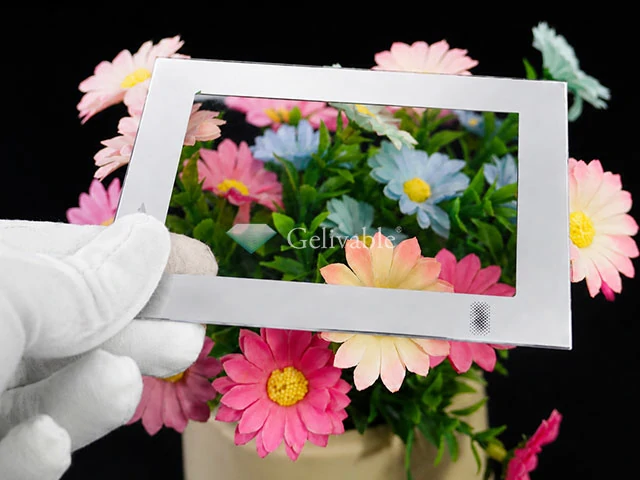
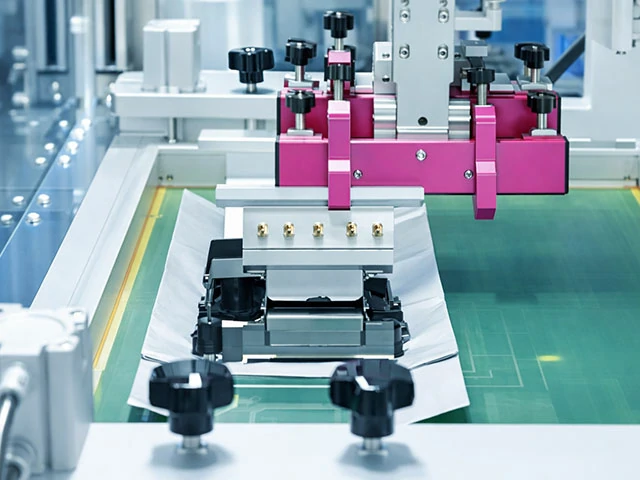
Silk-screen printing and functional surface treatments such as AG, AR and AF can be evaluated according to the required appearance, reflection, glare and touch-surface performance.
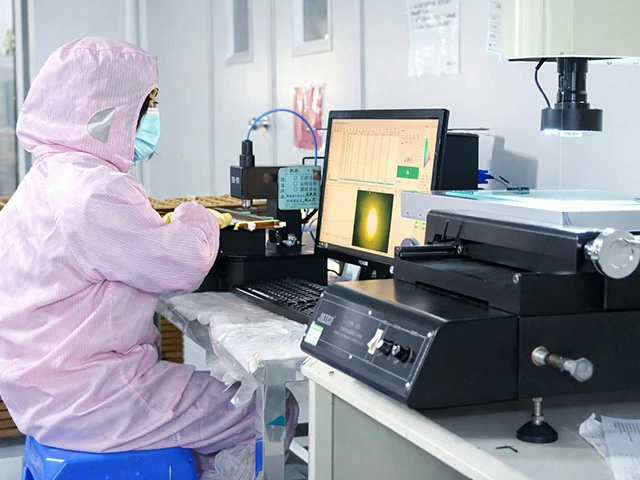
Finished parts can be checked for dimensions, cosmetic appearance, edge quality and specified functional requirements, with adhesive or component integration available for suitable projects.
| Glass Type | High-aluminosilicate cover glass |
|---|---|
| Density | 2.47 ± 0.03 g/cm³ |
| Thermal Expansion | 98.0 ± 2 × 10⁻⁷ /°C |
| Softening Point | 830 ± 10°C |
| Annealing Point | 606 ± 10°C |
| Strain Point | 558 ± 10°C |
| Young's Modulus | 75.6 GPa |
| Shear Modulus | 30.7 GPa |
| Poisson's Ratio | 0.23 |
| Refractive Index | 1.51 |
| Vickers Hardness | Approx. 700 HV after strengthening, according to the Panda-MN228 manufacturer reference |
| Item | Reference | Project Note |
|---|---|---|
| Visible Transmittance | Approx. 92% at 550 nm | GelivableGlass published reference for Panda Glass; actual result varies with thickness and surface treatment. |
| Chemical Strengthening | CS > 650 MPa; DOL ≥ 40 μm | GelivableGlass published high-aluminosilicate Panda Glass reference. Final target should be confirmed for the selected grade and thickness. |
| Manufacturer Strengthening Example | 0.55 mm: CS ≥ 750 MPa; DOL ≥ 35 μm | Panda-MN228 manufacturer recommendation; strengthening conditions and finished geometry affect the result. |
| Production Thickness | Manufacturer lists 0.25–10.0 mm for current MN228 production | This is a material-manufacturer production range, not a promise of GelivableGlass stock. Confirm grade and availability before ordering. |
| Standard Sheet Size | 1300 × 1100 mm (G5); 1850 × 1500 mm (G6) | Manufacturer reference; finished custom parts are processed according to drawing and available sheet stock. |
| Surface Treatment | AG / AR / AF options | Compatibility and final performance should be reviewed together with glass thickness, strengthening and printing requirements. |
Panda Glass is used as protective cover glass for touch and display products where thin construction, optical clarity and strengthened surface performance are important.
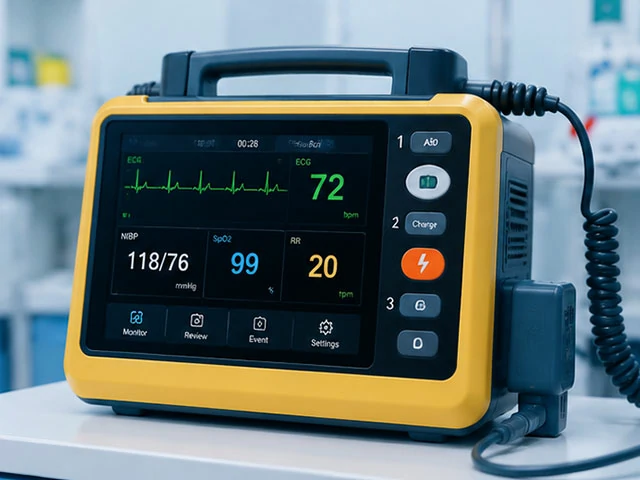
Panda Glass can be used for medical displays, diagnostic equipment interfaces and other professional cover-glass applications requiring clear viewing and durable touch surfaces.
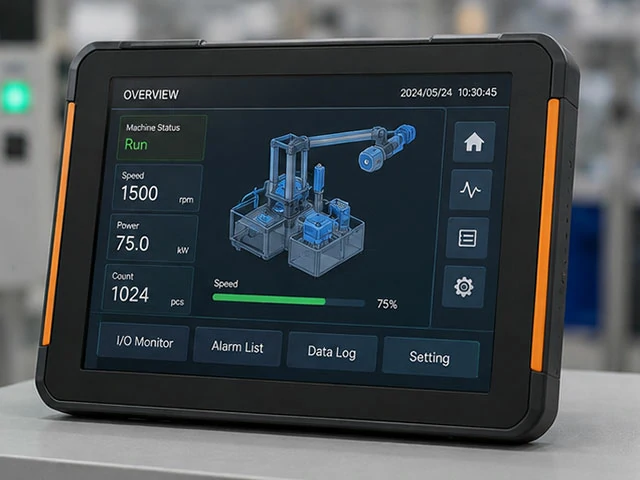
Custom Panda Glass can protect machine interfaces, industrial touch screens and control panels while maintaining a clear display viewing area.
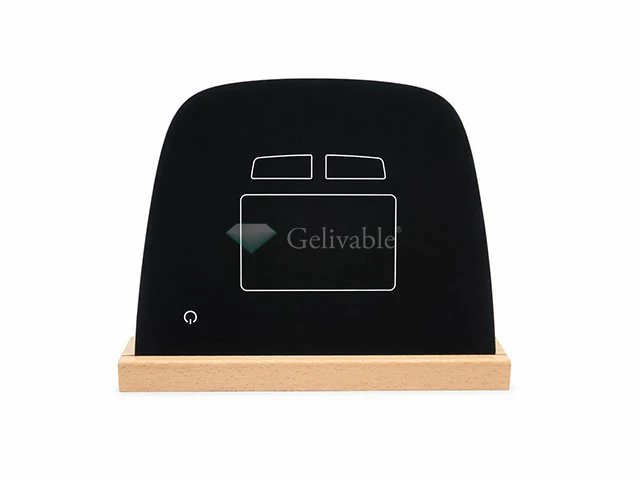
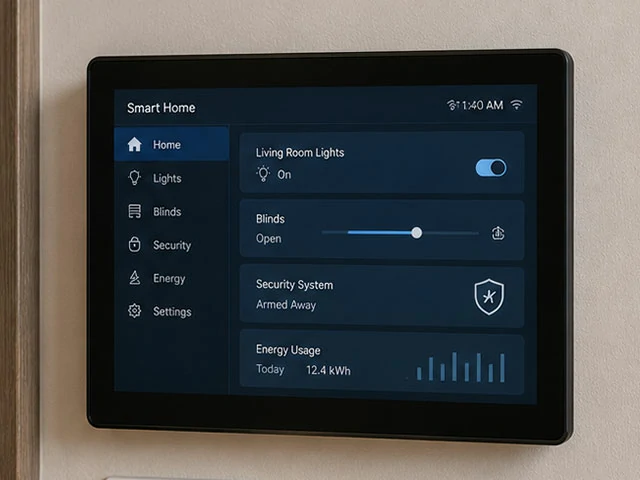
Wall controllers, smart switches and connected-home interfaces can use printed and strengthened Panda Glass as a durable decorative touch surface.
The Panda-MN228 material family was developed for portable display protection, making it relevant to handheld and other compact display products.
Thin high-aluminosilicate Panda Glass can be evaluated for wearable displays and compact touch interfaces where low thickness and surface durability are important.
Panda Glass can serve as the outer protective cover for display modules and touch assemblies that require custom machining, printing or surface treatment.
Panda Glass is a high-aluminosilicate cover-glass material designed for protective display applications that require chemical strengthening, scratch resistance and thin glass construction.
Panda-MN228 is a high-aluminosilicate cover glass developed for protective display applications, providing a material structure suitable for thin, strengthened glass components.
Panda Glass is designed for ion-exchange chemical strengthening. Panda-MN228 manufacturer data provides strengthening references with surface compressive stress above 800 MPa under selected processing conditions.
The Panda-MN228 material specification identifies scratch resistance, flexural strength and impact resistance as key performance characteristics for protective cover-glass applications.
Panda-MN228 is designed as an ultra-thin cover-glass material. The manufacturer lists production thicknesses starting from 0.25 mm, supporting thin display and touch-interface designs.
Send the target size, thickness, quantity, application and required machining, strengthening, printing or coating processes. Material grade and availability can be reviewed during quotation.
GelivableGlass already uses Panda Glass as one of its cover-glass material options and can combine material selection with precision fabrication, functional surface treatment and downstream assembly support.
CNC machining, drilling, edge finishing and other drawing-based processes can be planned around the selected Panda Glass thickness and finished geometry.
Chemical strengthening, printing and AG/AR/AF surface options can be evaluated as part of the complete Panda Glass cover specification.
Dimensions, appearance, edge quality and agreed functional requirements can be inspected against the approved project specification before shipment.
Panda Glass is a China-made high-aluminosilicate cover-glass material family. Panda-MN228 is described by its manufacturer as an ultra-thin high-aluminosilicate cover glass developed for protective use on portable display equipment.
Panda Glass is designed for chemical strengthening by ion exchange. The finished surface compressive stress and depth of layer depend on material grade, glass thickness, strengthening conditions and part geometry, so the required CS and DOL should be defined for the project.
GelivableGlass publishes a reference visible transmittance of approximately 92% at 550 nm for Panda Glass. Actual transmittance depends on thickness and any printing, coating or surface treatment applied to the finished part.
The current Panda-MN228 manufacturer page lists a production thickness range from 0.25 mm to 10.0 mm, with multiple common stocked thicknesses. This manufacturer range does not mean every thickness is always stocked by GelivableGlass, so material grade and availability should be confirmed during quotation.
Yes. Panda-MN228 manufacturer information includes CNC processing guidance, and custom cover-glass suppliers commonly machine Panda Glass into shaped parts, holes and finished edges before chemical strengthening. The final tolerance depends on thickness, geometry and edge requirements.
Yes, these treatments can be evaluated for Panda Glass cover-glass projects. The process route should be reviewed together with chemical strengthening, printing, optical targets and the finished product structure.
Panda Glass is used for protective display and touch cover applications. Manufacturer and industry references include portable display devices, smartphones, tablets and wearables, while custom cover-glass suppliers also use it for industrial HMI, medical equipment and smart-device interfaces.
Panda Glass is a high-aluminosilicate material with stronger chemical-strengthening capability and higher published optical performance than standard soda-lime cover glass references. Soda-lime glass is generally the more economical material. Selection should consider thickness, impact requirement, optical target, machining, coatings and project budget.
Read technical articles about Panda Glass, aluminosilicate cover glass, chemical strengthening, precision glass fabrication and functional surface treatments.
View All BlogSend us your target size, thickness, quantity, application and processing requirements. We can review Panda Glass grade, strengthening, machining, printing and surface-treatment options around the finished part.
Contact our team for material selection, machining review, strengthening discussion, sample development and quotation support.