2026-10-14
Gorilla Glass for Industrial Touchscreens: Balancing Durability, Touch Performance, and Cost
An industrial touchscreen may be used hundreds of times per shift. Operators might wear gloves, work under bright overhe···
Read More
Custom anti-glare glass and non-glare glass designed to reduce visible glare and improve screen readability in bright or changing light, with a fine matte surface and comfortable touch feel.
GelivableGlass specializes in custom anti-glare glass, non-glare cover glass and precision display glass, backed by more than 18 years of experience with anti-glare cover glass applications. Our AG glass is designed to reduce distracting surface glare and improve screen readability in bright or variable lighting while maintaining a fine matte touch surface. Typical projects include industrial control panels, medical device screens, outdoor displays, public information terminals and smart control interfaces. We support custom sizes, thicknesses and shapes, as well as glass printing, AG/AR/AF surface treatments, edge processing and chemical strengthening according to project requirements. From sample development to batch production, our team provides practical engineering support for custom functional glass components.

Anti-glare glass uses a light-scattering surface treatment to reduce mirror-like reflections and visible glare. This helps displays remain easier to view in bright or changing lighting conditions.
By reducing distracting reflections, anti-glare glass can make text, graphics and interface elements easier to read under strong ambient light. This is especially useful for displays and touch panels used in variable lighting.
Reducing strong glare can make long periods of screen viewing more comfortable, particularly where users work with displays under bright lighting for extended periods.
The fine matte surface gives AG glass a paper-like feel with more controlled touch feedback, making it suitable for frequently operated touch interfaces.
Anti-glare glass is available from 2 mm to 8 mm in thickness to support different cover glass, display and equipment requirements.
Light transmission above 95% helps maintain display brightness and clarity while the anti-glare surface reduces distracting reflections.
Surface hardness above 6H helps improve resistance to everyday scratches and supports a durable, clear cover glass surface.
UV resistance above 99% supports outdoor and bright-light applications where long-term exposure to ultraviolet light is a concern.
Custom anti-glare glass can be produced in different sizes and shapes to match equipment, display and touch-panel designs.
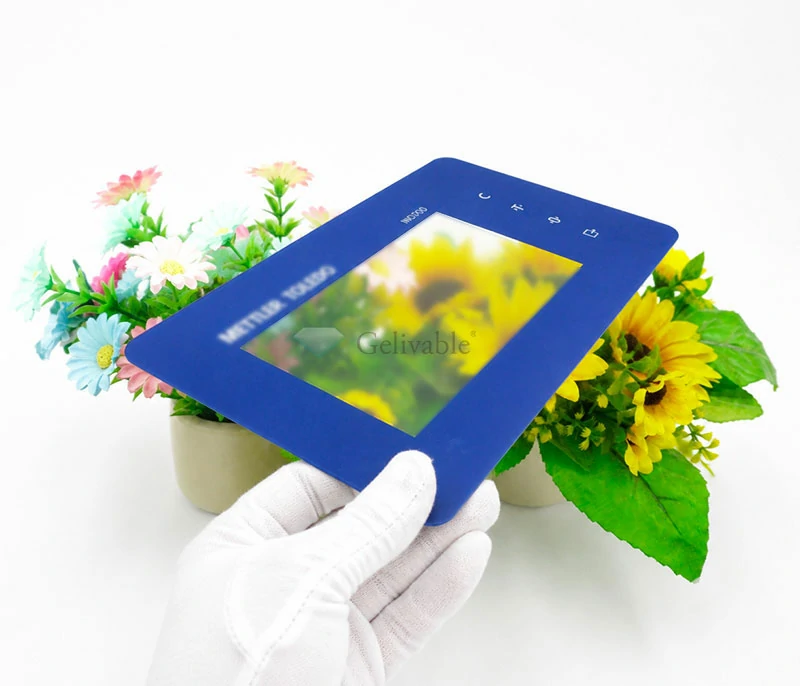
Custom anti-glare cover glass is used where displays need better readability under strong ambient light, including medical equipment, outdoor displays, public charging equipment and smart control interfaces.
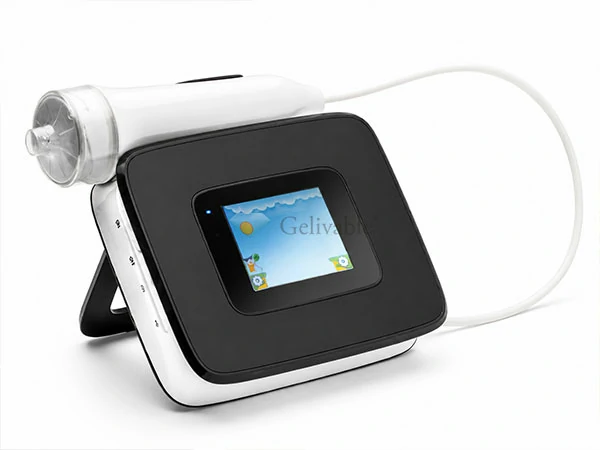
Anti-glare cover glass helps reduce distracting reflections on medical displays, diagnostic equipment and professional healthcare interfaces.
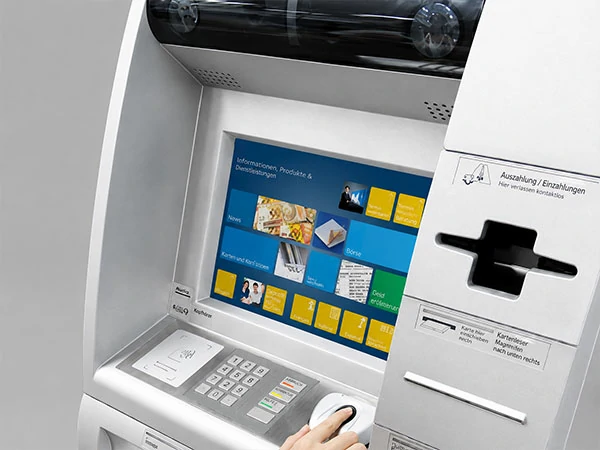
Custom anti-glare glass helps outdoor displays remain easier to read under strong sunlight and changing ambient light.
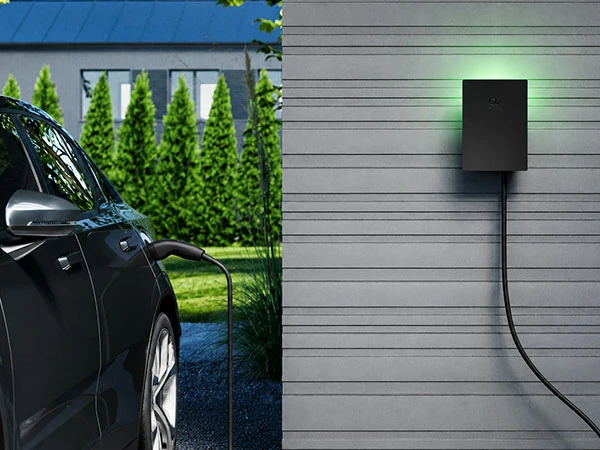
Anti-glare cover glass helps public charging displays remain readable in outdoor sunlight while supporting frequent touch operation.
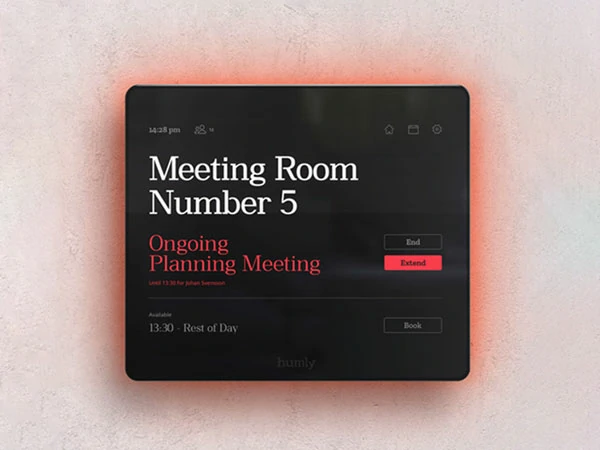
Custom touch screen glass with anti-glare treatment can improve visibility and touch comfort for smart home control panels and other interactive devices.
GelivableGlass supports the materials and fabrication processes commonly required for custom anti-glare glass and cover glass projects, including glass machining, printing, coating, edge processing and adhesive bonding. These capabilities support touch-screen glass, display cover glass and other precision glass components.
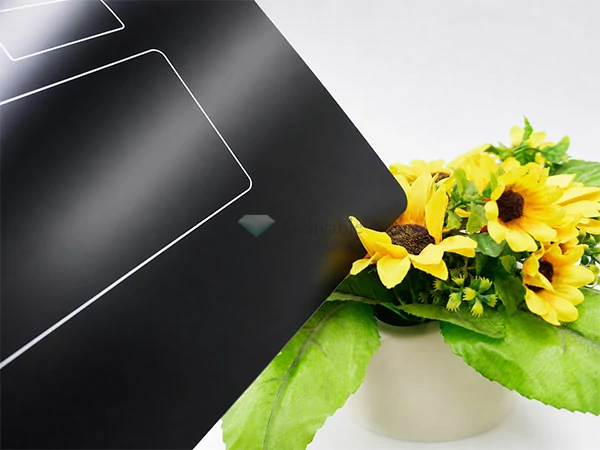
Corning Gorilla Glass is a high-strength cover glass material valued for scratch resistance, durability and optical clarity in display and touch-screen applications.
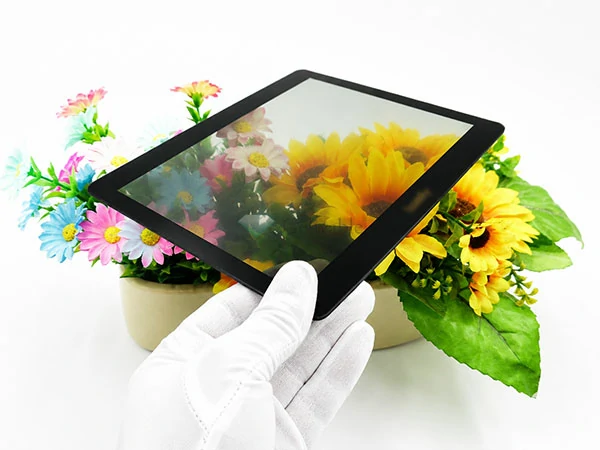
AGC glass offers stable optical performance and reliable processing characteristics for industrial displays, touch panels and custom cover glass projects.
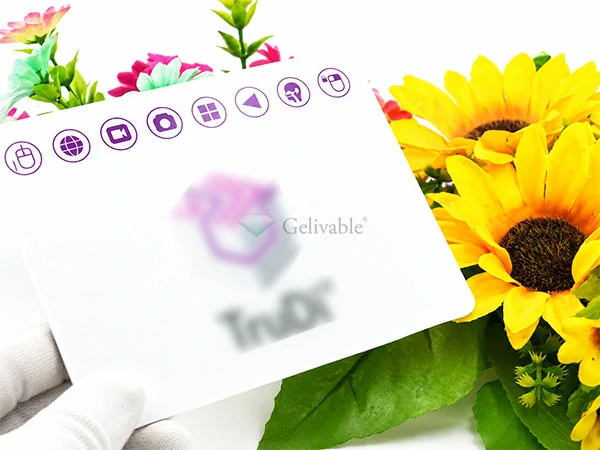
Panda Glass is a durable cover glass material for projects that require reliable strength, clear visibility and consistent surface quality.
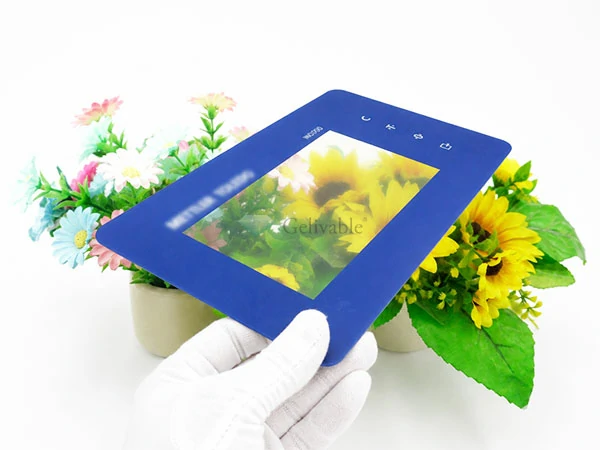
Sapphire glass is an ultra-hard transparent material used where very high scratch resistance is required for protective windows and precision applications.
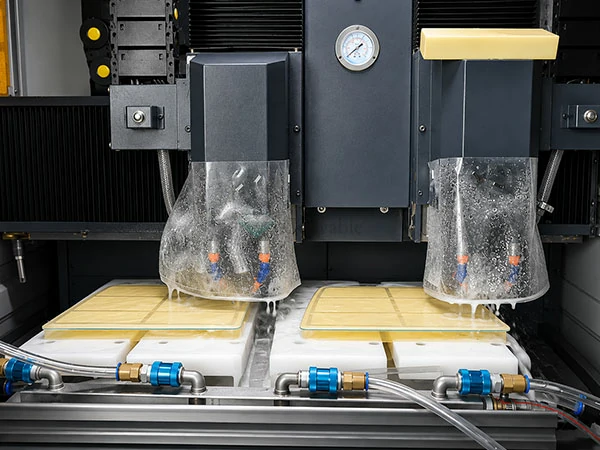
CNC glass machining supports precise drilling, milling, cutting and polishing for custom cover glass with holes, slots and other structural requirements.
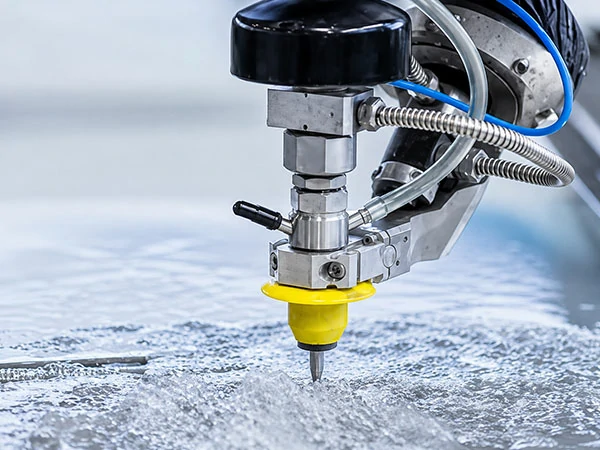
Water jet cutting can produce complex glass shapes without a heat-affected zone, making it useful for selected custom glass profiles and cutouts.
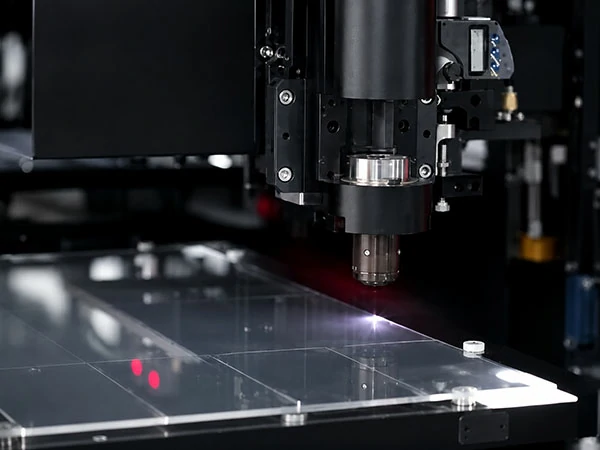
Laser glass processing supports precise cutting, drilling, engraving and marking for detailed custom glass components and fine structural features.
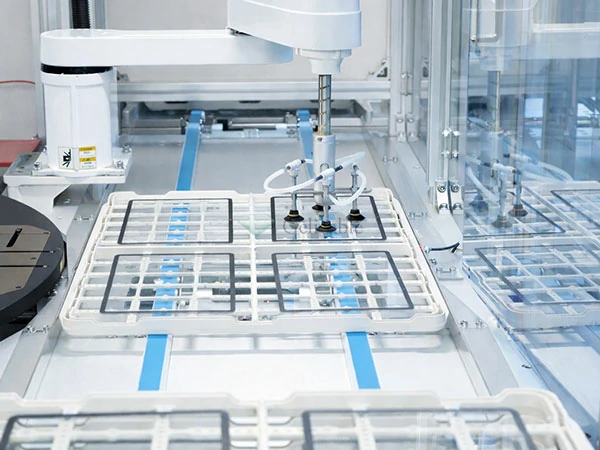
Silk-screen glass printing is widely used for borders, icons, logos, masking areas and functional patterns on custom cover glass.
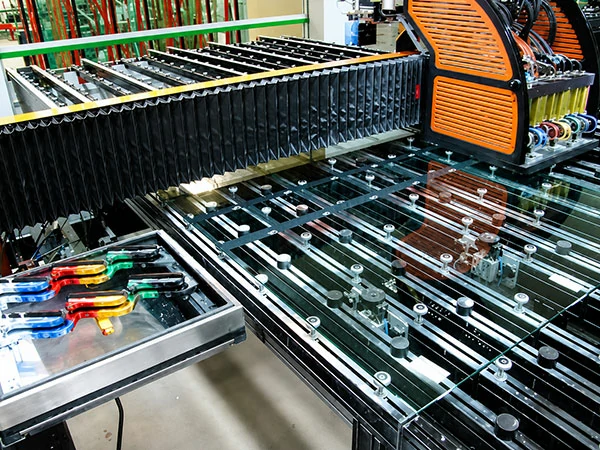
Digital glass printing supports detailed patterns, complex colors and customized visual graphics directly on the glass surface.
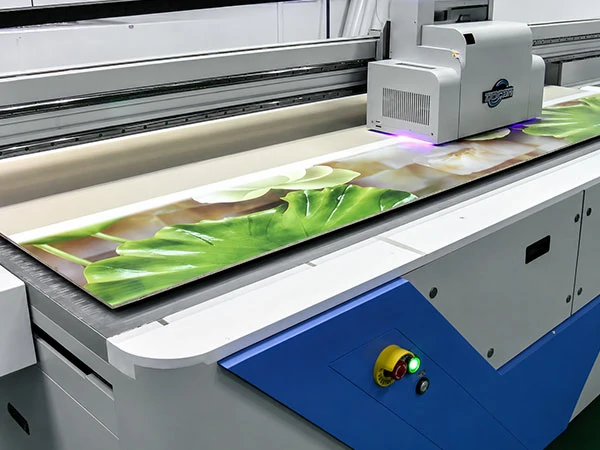
UV printing cures specialized inks directly on glass, supporting vivid colors, fast curing and stable printed graphics.
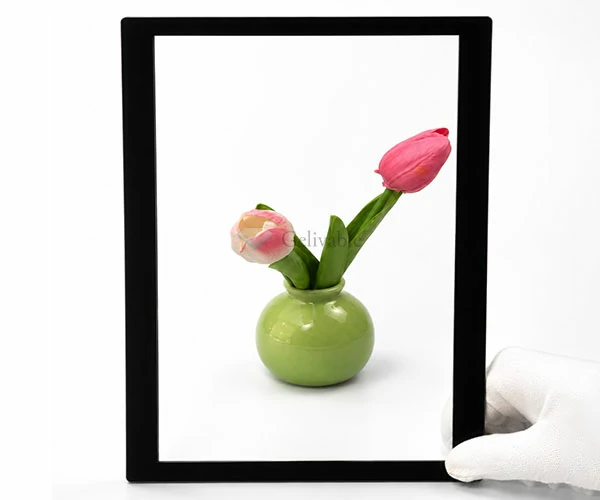
Anti-reflective coating reduces surface reflection and can improve light transmission for display, optical and touch applications.
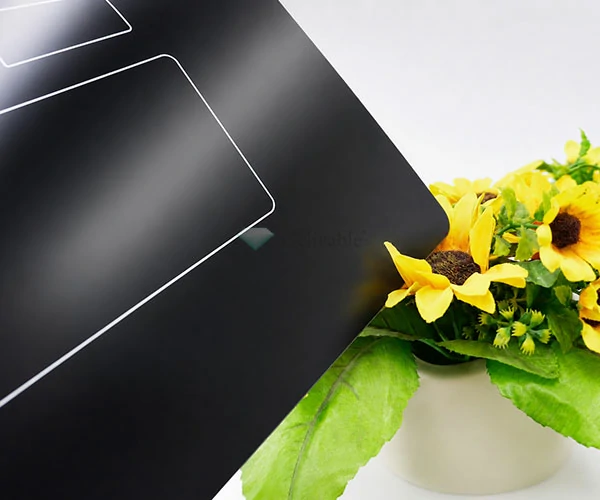
Anti-glare treatment reduces strong glare and visible reflections, helping cover glass and touch-screen glass remain easier to view under bright lighting.
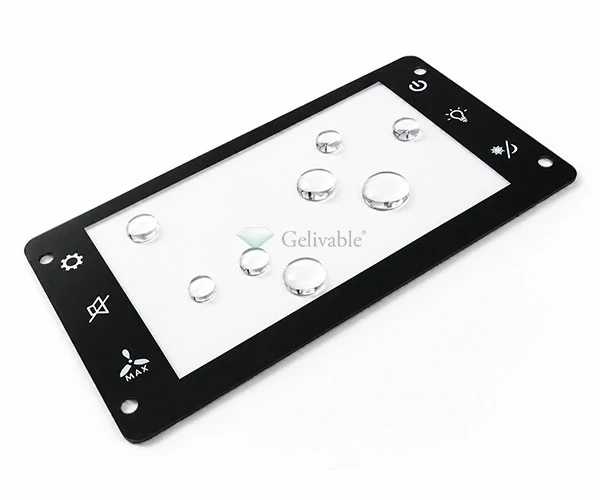
Anti-fingerprint coating helps reduce fingerprints and oil marks, making the glass surface easier to clean during frequent touch use.
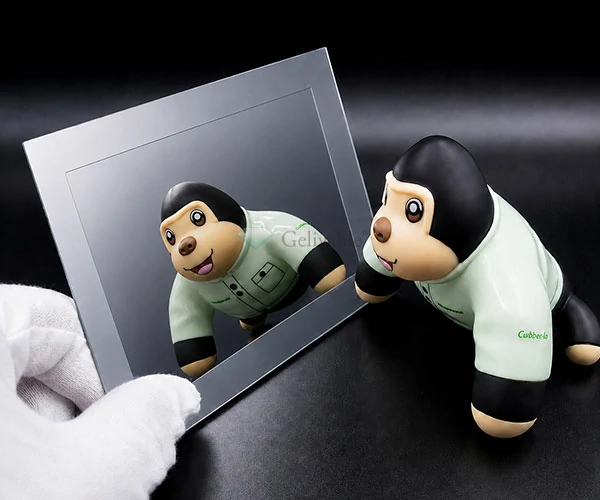
Mirror coating forms a reflective metal film on the glass surface. It can create mirror effects for decorative, display and optical applications.
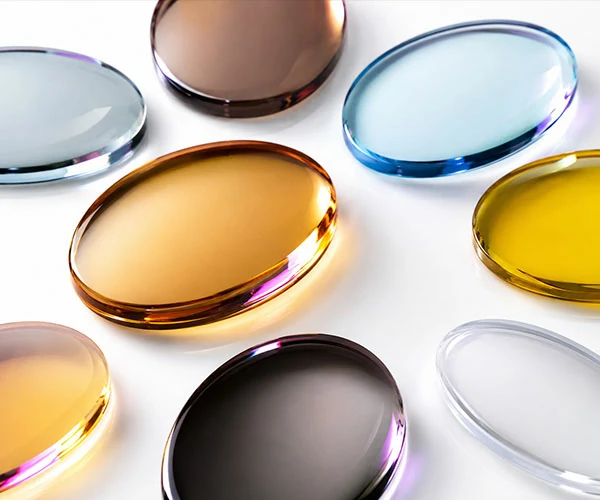
Optical coatings can adjust light transmission, reflection and absorption characteristics to improve optical performance for different glass applications.
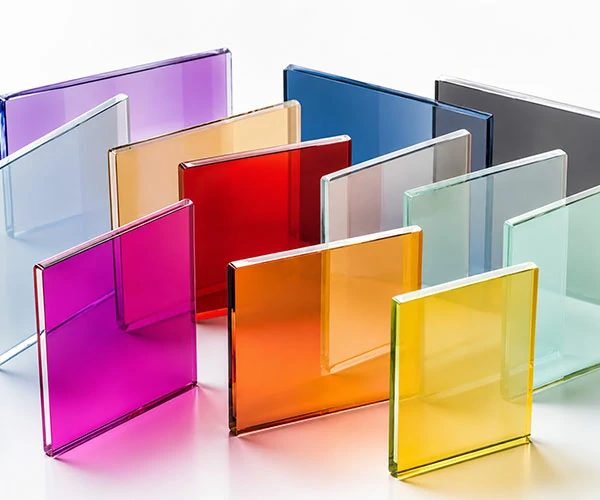
Color coating can create different colors and visual effects on glass surfaces for appearance design, product identification and functional decoration.
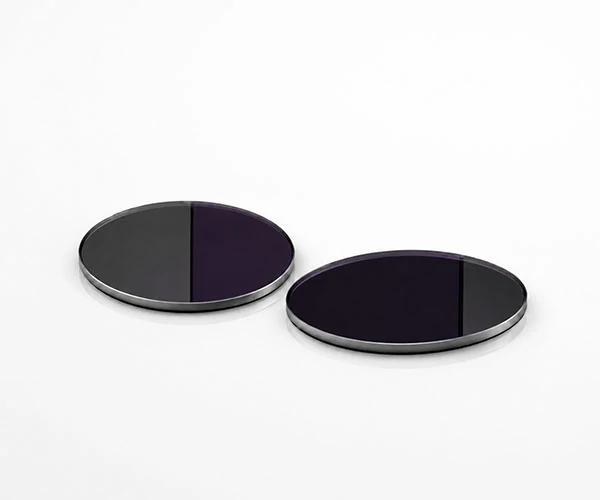
Chromium coating provides metallic appearance, surface stability and corrosion resistance for selected glass applications.
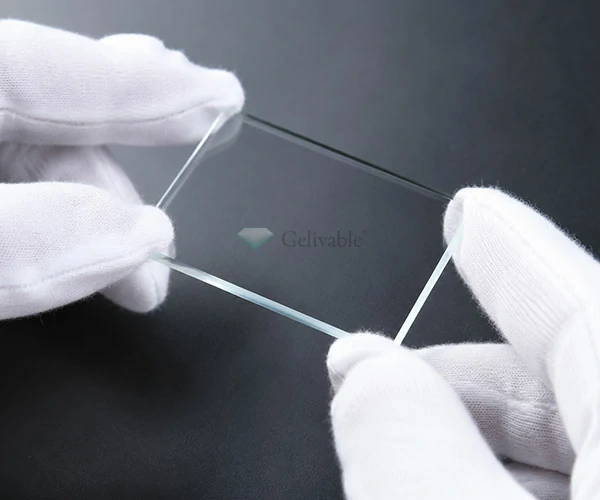
ITO coating provides conductivity while maintaining transparency. It is commonly used in touch screens, transparent electrodes and smart glass applications.
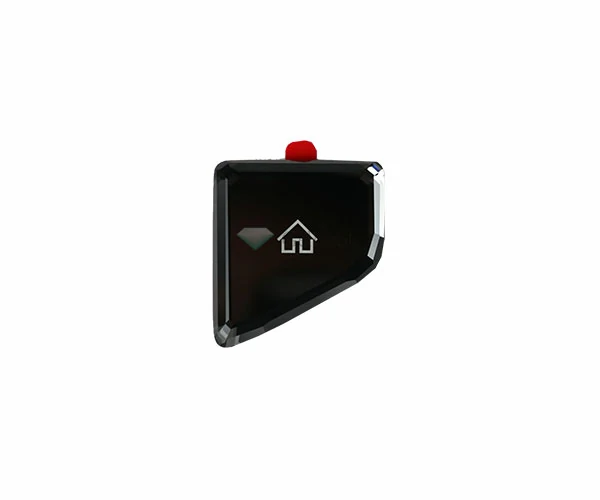
Classic straight edge treatment with polished sides. It is a basic and common edge processing method for flat cover glass.
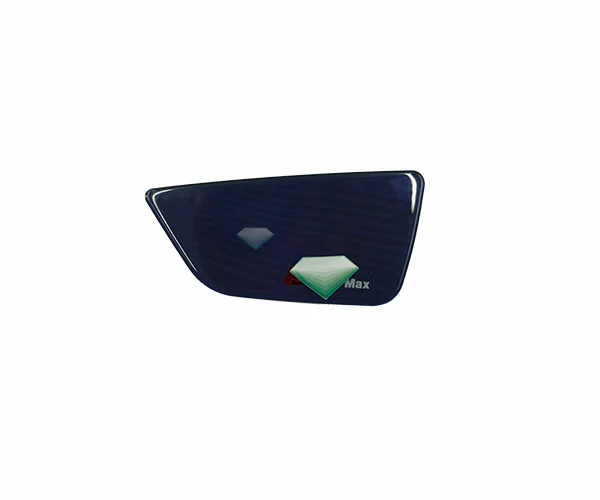
2.5D edge processing creates a rounded transition, improving appearance, touch feeling and handling experience.
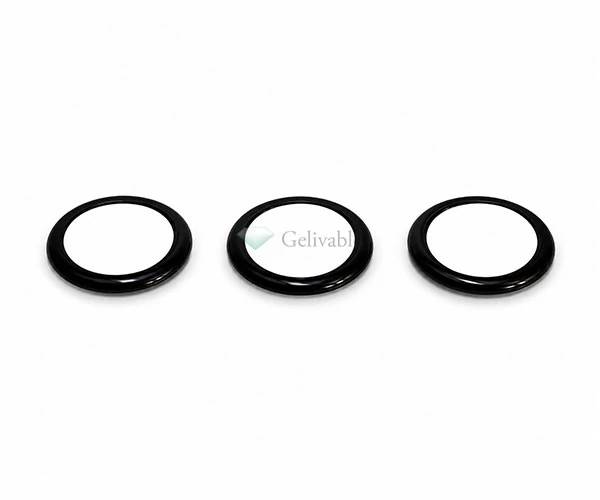
3D edge processing supports curved and shaped glass structures for advanced product appearance and integration needs.
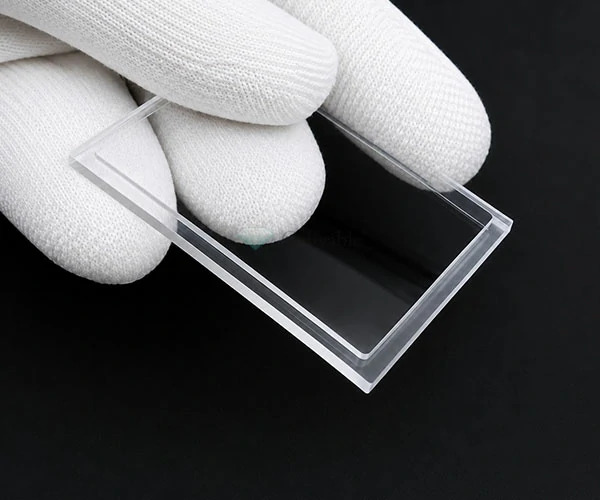
Stepped edge processing creates a multi-level edge structure to meet special installation, assembly and matching requirements.
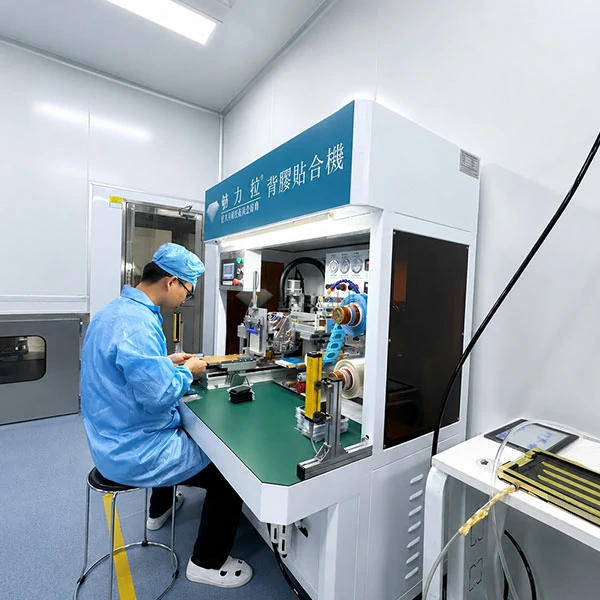
We use reliable adhesive materials to support cover glass bonding, installation, assembly and integration with display modules, touch panels and other components.
We can use high-quality adhesive materials from trusted brands according to customer requirements and project conditions.
Proper adhesive selection helps improve bonding performance, long-term stability and product reliability.
Adhesive bonding can be used for cover glass, touch screen glass, display glass and other custom glass component assembly needs.
Send us your glass size, thickness, quantity, material and surface-treatment requirements. Our team will review the project and recommend a suitable custom glass solution.
With more than 18 years of experience in anti-glare cover glass, GelivableGlass supports custom projects from material and process evaluation through sample development and batch production.
Long-term experience with anti-glare cover glass helps our team evaluate the material, surface and fabrication requirements of industrial, medical, outdoor and smart-device projects.
We support AG, AR, AF, DLC, chemical strengthening, glass printing and coating processes for projects with different optical, surface and touch requirements.
GelivableGlass supports high-mix, low-volume and non-standard glass projects with custom sizes, thicknesses, shapes, holes, edge profiles and surface treatments.
AG glass, or anti-glare glass, has a specially treated surface that diffuses reflected light instead of producing strong mirror-like reflections. The fine matte surface helps reduce visible glare and improve display readability under bright or complex lighting conditions.
Gloss and haze generally move in opposite directions. Lower gloss usually means higher haze and a stronger anti-glare effect, while higher gloss can provide better image clarity. The right balance depends on the display, viewing distance and lighting environment.
AG glass gloss should be evaluated with the actual display whenever possible. If both haze and image clarity meet the project requirements, a lower gloss can provide stronger glare reduction. Sample testing is recommended before the final specification is confirmed.
Common AG glass parameters include gloss, haze, surface roughness and light transmittance. Clarity or display resolution may also be evaluated to make sure the anti-glare treatment reduces reflections without unnecessarily reducing image quality.
Yes. AG glass can be chemically or thermally strengthened when the selected glass material and thickness are suitable. The anti-glare treatment is normally completed before the strengthening process.
The AG etched layer is very shallow. With a properly controlled process, the effect on overall glass strength is generally small. For applications with specific impact or strength requirements, the finished glass should still be evaluated according to the required specification.
Yes. AG glass can be screen printed with borders, logos, icons, masking areas and other functional patterns. Printing requirements should be reviewed together with the AG surface, ink system and final product structure.
Yes. AF coating can be applied to AG glass when improved fingerprint resistance and easier cleaning are required. Whether AF treatment is necessary depends on the AG surface, touch frequency and project requirements.
Neither option is universally better. Single-sided and double-sided AG glass provide different optical and surface characteristics, so the choice depends on the display structure, bonding method and required glare reduction. The final visual effect should be evaluated after assembly whenever possible.
AG etching is normally performed before strengthening. A typical process starts with AG treatment on the glass, followed by cutting, CNC machining or edge processing, cleaning, and then chemical or thermal strengthening according to the project requirements.
Read technical articles about custom glass, cover glass, surface treatments, fabrication processes and industrial applications.
View All Blog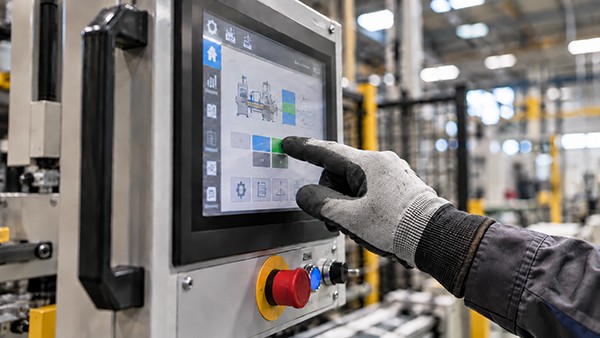
An industrial touchscreen may be used hundreds of times per shift. Operators might wear gloves, work under bright overhe···
Read More
Recently, I have been thinking carefully about how we should explain an important change to our customers—and, more impo···
Read More
AG anti-glare glass is most suitable for display applications where strong ambient light, reflections, long viewing peri···
Read MoreSend us your drawing, size, material, thickness, surface-treatment and application requirements. GelivableGlass will review the project and evaluate suitable glass materials, fabrication methods and production options.
Contact our team for technical discussion, sample development, manufacturing review and quotation support.