Cover Glass · Touch Panel · Display Integration

Cover Glass Integration

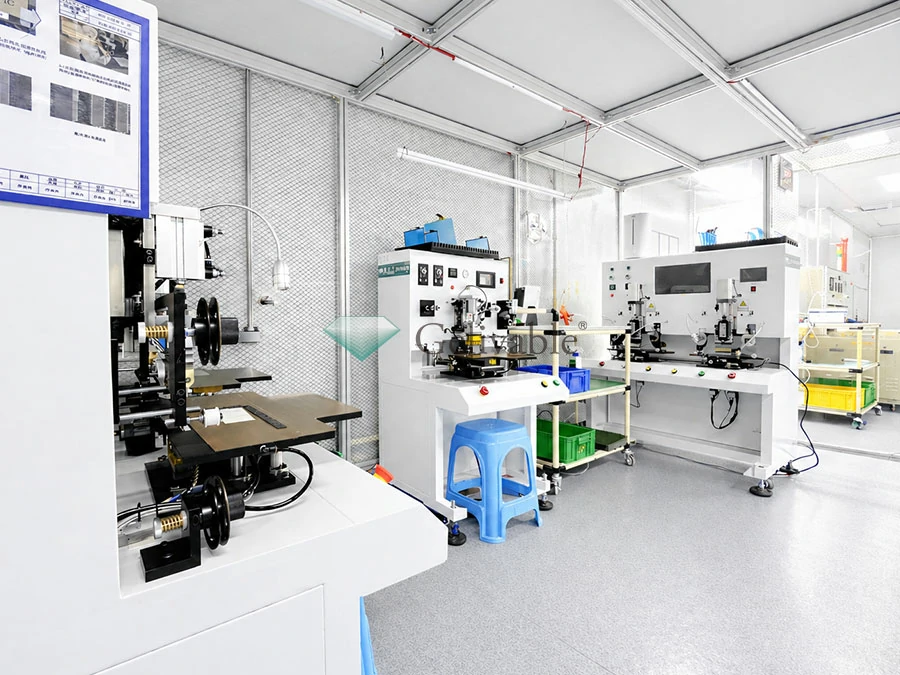
Extending from custom cover glass fabrication into touch-panel and display integration, GelivableGlass provides ACF/FOG bonding, cover-glass lamination, deaeration, microscopic inspection and functional testing within one coordinated production workflow.

From Cover Glass Fabrication to Touch & Display Integration

Cover glass integration with touch panels and display modules

GelivableGlass extends beyond custom cover-glass fabrication to support touch-panel bonding and display-module integration. This helps coordinate the cover glass, bonding structure, touch components and display interface as parts of one connected manufacturing process.

Current integration capabilities include incoming quality control, ACF bonding, FOG pre-bonding and main bonding, microscopic inspection, cover-glass lamination, deaeration and functional testing.

The exact integration route depends on the module structure, component supply, drawings, BOM and functional requirements. Bonding, lamination and inspection parameters are confirmed according to the selected materials and final product configuration.

Get a Quote

Integration Capabilities

Cover Glass Bonding & Touch Panel Integration Processes

The integration process combines incoming inspection, conductive bonding, precision alignment, cover-glass lamination, deaeration and final verification to support touch-panel and display-module production.

Incoming quality control for cover glass and touch panel integration

Incoming Quality Control

Cover glass, touch components, flex circuits and other incoming parts are checked before bonding to identify visible defects, contamination or component issues before they enter the integration process.

ACF bonding for touch panel and cover glass integration

ACF Bonding

Anisotropic conductive film is positioned on the specified bonding area to prepare the electrical connection between the glass-side circuit and the flex component.

FOG pre-bonding for touch panel integration

FOG Pre-Bonding

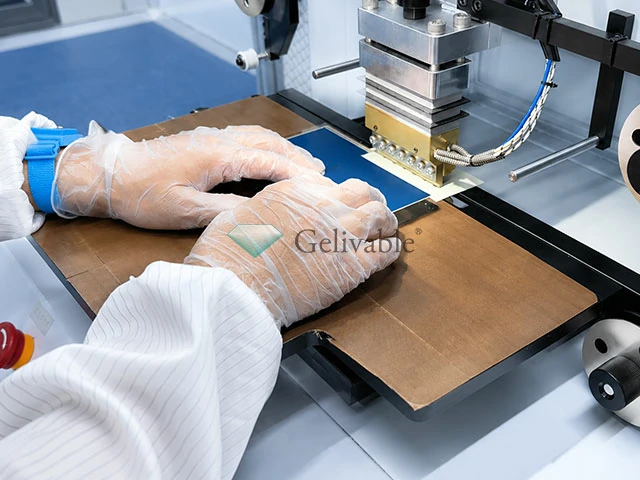
The flex circuit is accurately aligned with the glass bonding area and temporarily positioned before the main bonding step, helping control conductive-pad registration.

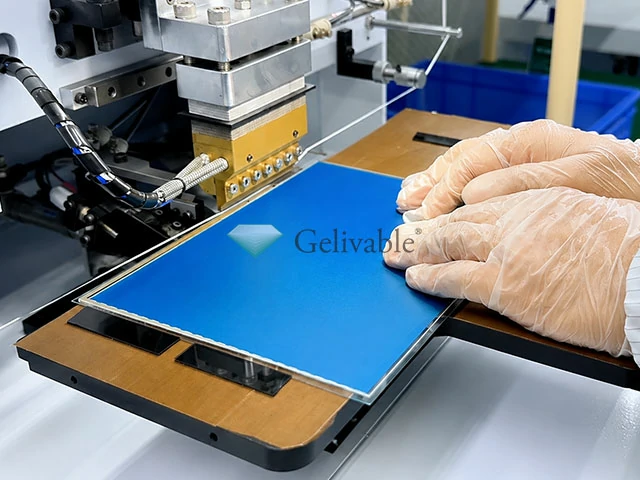
FOG main bonding for touch panel integration

FOG Main Bonding

The aligned FOG connection is bonded under controlled process conditions. Temperature, pressure and bonding time are set according to the selected conductive material and assembly specification.

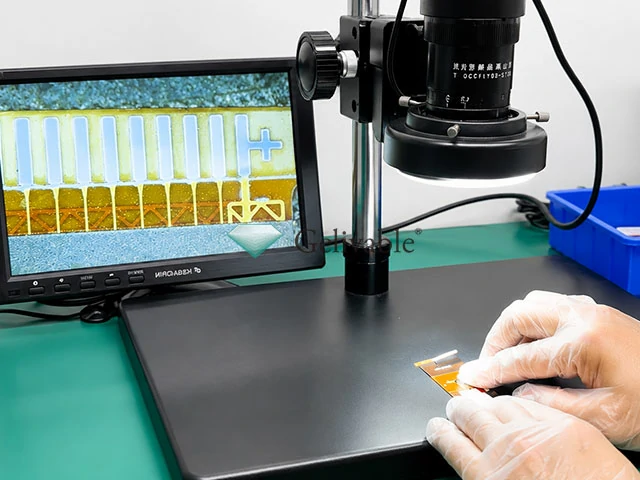
Microscopic inspection after FOG touch panel bonding

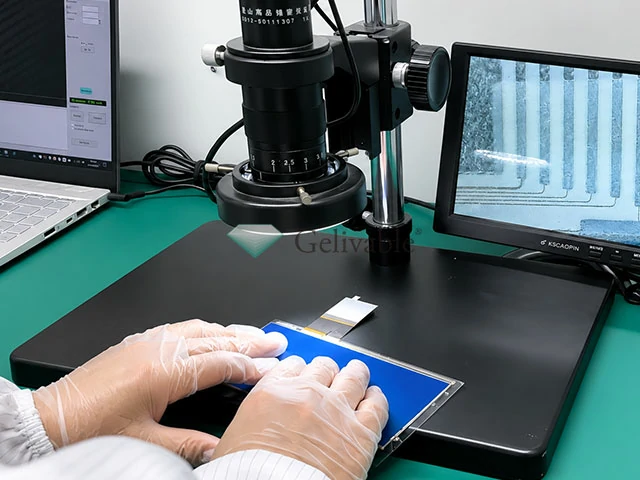
Microscopic Inspection

Bonded connection areas can be inspected under magnification to verify alignment, conductive-area condition and visible bonding defects before proceeding to later assembly stages.

Cover glass lamination for touch panel and display integration

Cover Glass Lamination

The processed cover glass is aligned and laminated with the touch or display-related component according to the visible area, bonding structure, alignment reference and required product stack.

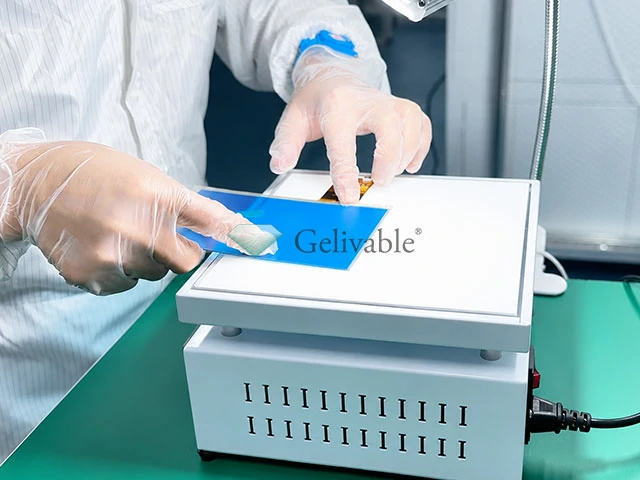
Deaeration process after cover glass lamination

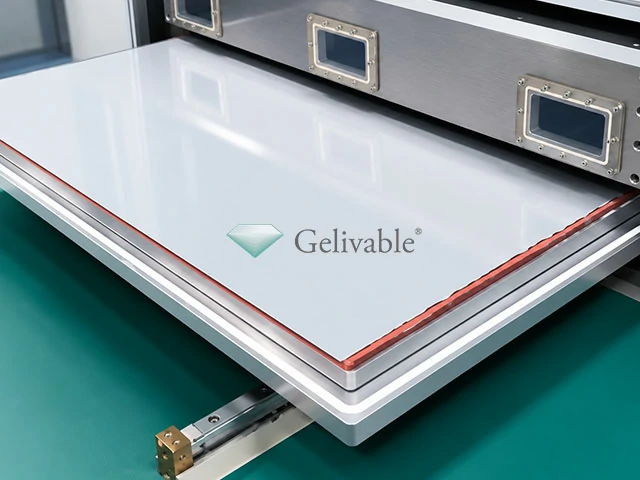
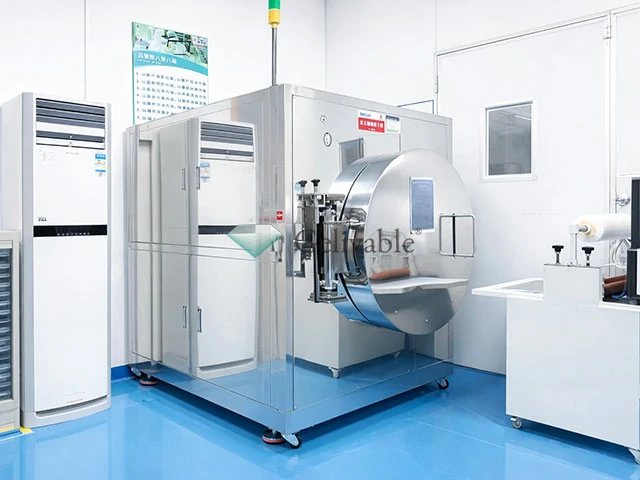
Deaeration

After lamination, the assembled component can undergo a controlled deaeration process to help remove trapped air and improve the appearance of the laminated interface.

Functional testing after touch panel and display integration

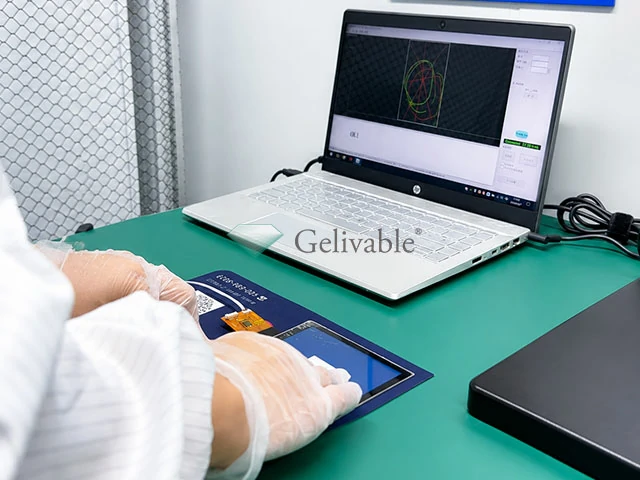
Functional Testing

Integrated components can be checked against the agreed functional requirements, including touch response, connection condition and other project-specific verification before shipment.

Beyond Glass Fabrication

Extending Cover Glass Fabrication into Display Integration

Building on our core capabilities in custom cover glass, precision processing, printing and optical surface treatments, GelivableGlass extends its manufacturing scope into touch-panel bonding and display-module integration.

By connecting cover-glass fabrication with ACF bonding, FOG bonding, lamination, deaeration, inspection and functional testing, we can support a more integrated production path from finished cover glass to touch and display-related components.

This integrated approach can reduce coordination between separate cover-glass, touch-panel and module-assembly suppliers while helping improve compatibility between the glass structure, bonding process and final module configuration.

Quick Quote

Request a Cover Glass Integration Quote

Send your cover-glass drawing, integration or module drawing, touch or display component information, BOM, quantity and required bonding or lamination processes. Our team can review the production route and process compatibility with you.

Integration Support

From Precision Cover Glass to Integrated Components

Combining cover-glass fabrication with downstream integration helps coordinate the glass structure, bonding process and final component requirements within one production workflow.

Integrated Processing

CNC machining, printing, coating and cover-glass fabrication can be coordinated with downstream touch-panel bonding and display integration.

Controlled Alignment

Bonding and lamination are carried out around defined visible areas, conductive regions and alignment references.

Inspection & Testing

Microscopic inspection and agreed functional checks can be integrated into the production flow before shipment.

Technical FAQ

Cover Glass Integration FAQ

What cover glass integration processes can GelivableGlass provide?

Current capabilities include incoming quality control, ACF bonding, FOG pre-bonding, FOG main bonding, microscopic inspection, cover-glass lamination, deaeration and functional testing for touch-panel and display-related integration.

Can cover glass be integrated with touch-panel components?

Yes. Cover glass can be integrated with touch-related components according to the approved module structure, bonding method, alignment references, drawings and functional requirements.

What is ACF bonding used for?

ACF bonding uses anisotropic conductive film to create electrical connections between compatible conductive areas within the touch-panel assembly. The material and bonding parameters depend on the specific component design.

Why is microscopic inspection used after bonding?

Magnified inspection helps evaluate the alignment and visible condition of small conductive and bonding areas that are difficult to inspect reliably with the unaided eye.

What is the purpose of deaeration after lamination?

Deaeration is used after lamination to help remove trapped air and improve the appearance of the bonded interface. The process conditions depend on the selected lamination materials and product structure.

What information is needed for a cover glass integration quote?

Please provide the cover-glass drawing, integration or module drawing, BOM, touch or display component information, quantity, required bonding and lamination processes, and any specified inspection or functional-test requirements.

Technical Inquiry

Start Your Cover Glass Integration Project

From fabricated cover glass to touch-panel bonding and display integration, send us your drawings, BOM and module requirements for process review and quotation.

GLASS Cover Glass
BOND Module Integration
QC Inspection & Test
Project Support

Need Cover Glass Integration Support?

Contact our team to discuss your cover glass, touch-panel bonding or display-module integration requirements.