When Corning Gorilla Glass Becomes Essential | Gelivable
Why Some Applications Require Corning Gorilla Glass | GelivableWhy Some Applications Require Corning Gorilla GlassIn man···
Read MoreCustom anti-reflective glass and AR coated glass designed to reduce surface reflection, improve light transmission and provide a clearer viewing experience for displays, protective glass and optical applications.
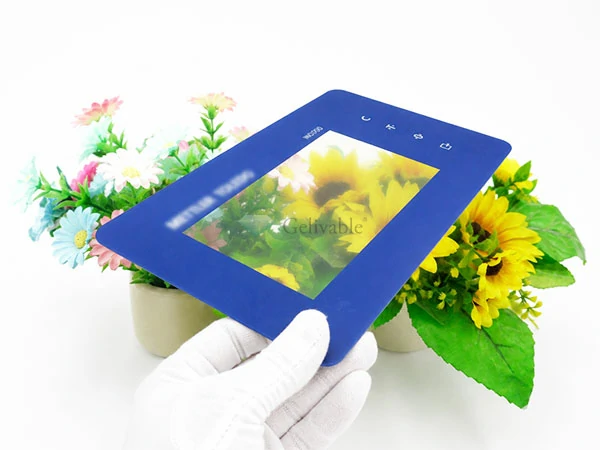
GelivableGlass provides custom anti-reflective glass and AR coated glass for display cover glass, touch panels, protective windows and other precision glass applications. AR treatment is used to reduce reflected light and increase the amount of light transmitted through the glass, helping the viewed image appear clearer and more vivid. We support custom sizes, thicknesses and shapes together with CNC machining, drilling, edge processing, printing, strengthening, additional surface treatments and adhesive bonding according to project requirements.
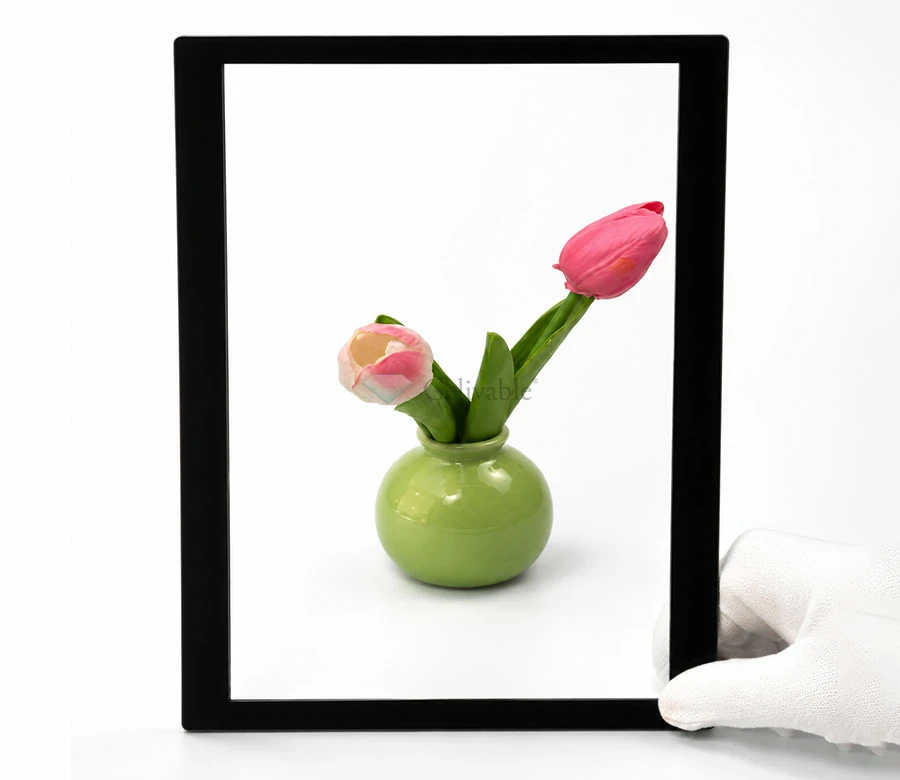
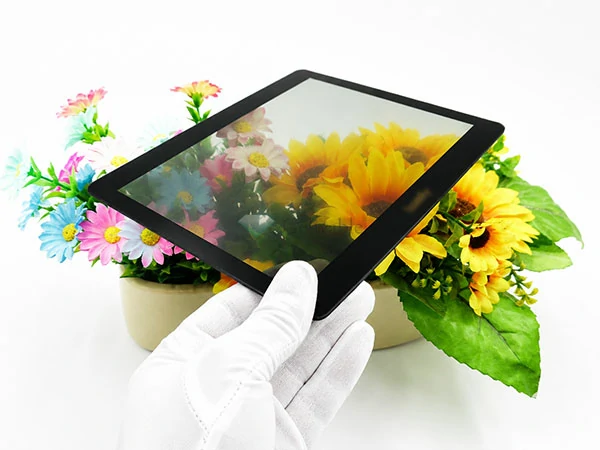
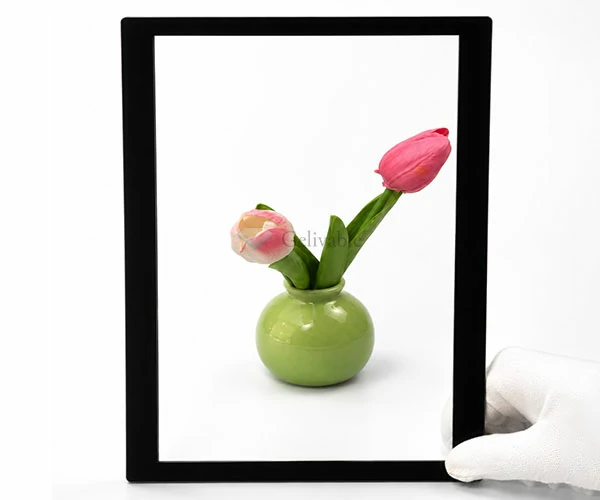
Anti-reflective glass reduces light reflected from the glass surface, allowing more light to pass through. According to our current reference data, light transmission can reach up to 99%, providing a clearer view than ordinary glass.
AR treatment reduces surface reflection and visible glare, helping improve viewing comfort where glass is positioned in front of displays, exhibits or other objects that need to remain clearly visible.
With less reflected light interfering with the viewing surface, objects, images and colors behind the glass can appear clearer and more vivid.
Our current AR glass reference data indicates a UV blocking rate above 99%, helping protect furniture, artwork and other indoor objects from ultraviolet exposure.
AR glass allows more light to pass through by reducing reflection from the glass surface, helping improve transparency and visual clarity.
Our current reference data indicates reflectivity below 1%, reducing reflected light and helping minimize visual interference on the glass surface.
A UV blocking rate above 99% helps reduce ultraviolet exposure to objects located behind the glass.
The AR coating provides a surface hardness above 6H according to our current reference data, helping improve resistance to wear during normal use.
Anti-reflective glass is designed to withstand high-temperature and humid environments for suitable applications.
The coated surface can make the glass easier to clean, supporting applications where clear appearance and routine maintenance are important.
Custom AR glass is suitable for applications where surface reflections can interfere with viewing, including displays, exhibits, retail environments and interior glass installations.
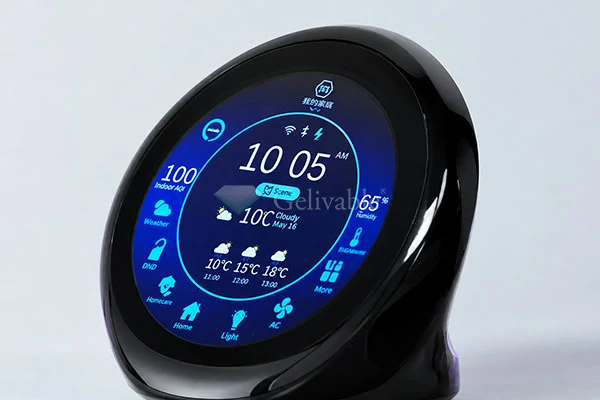
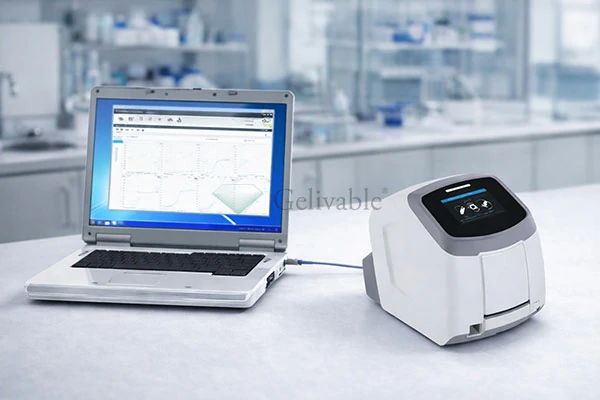
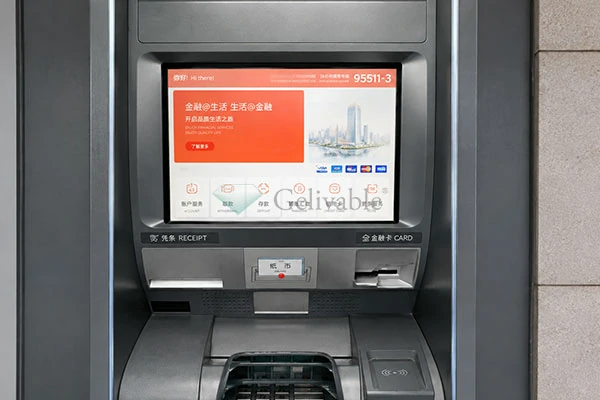
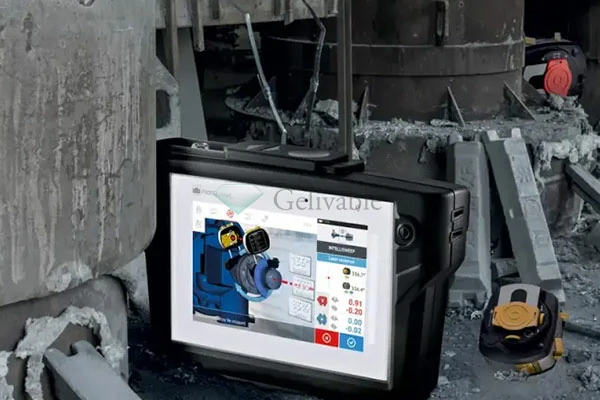
AR glass helps reduce distracting surface reflections in front of displays and touch interfaces, improving visibility while maintaining a clear viewing surface.
Low-reflection glass can make artwork, exhibits and displayed objects easier to view by reducing distracting reflections from surrounding lighting.
Anti-reflective glass helps products and digital content remain clearly visible in shops and display environments with strong or changing ambient lighting.
AR glass can be used in selected office partitions, interior windows and other glass installations where lower reflection and clearer visibility are desired.
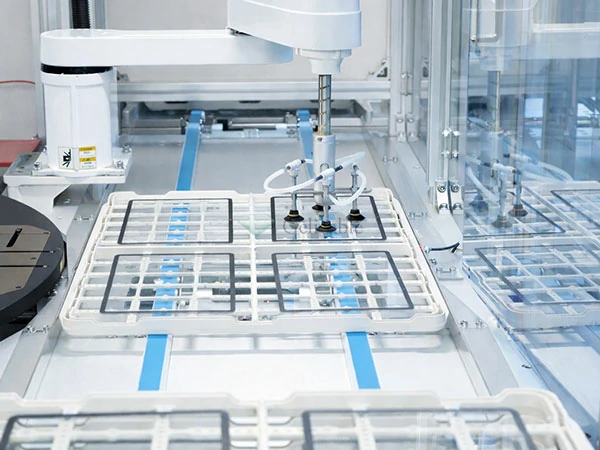
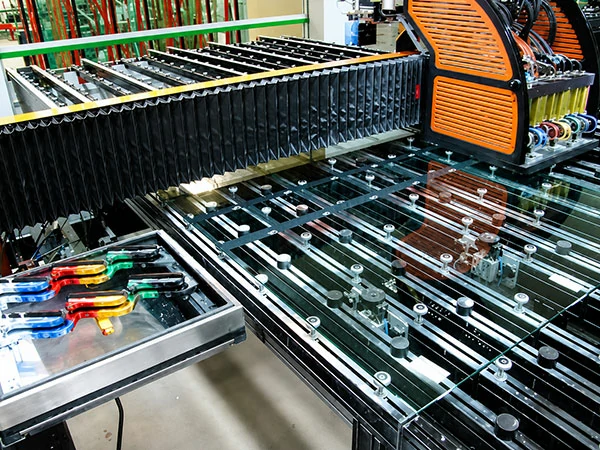
GelivableGlass supports the materials and fabrication processes commonly required for custom anti-reflective glass and AR coated glass projects, including precision machining, printing, coating, edge processing and adhesive bonding. Process selection can be reviewed according to the base glass, dimensions, coating requirements and finished-part application.
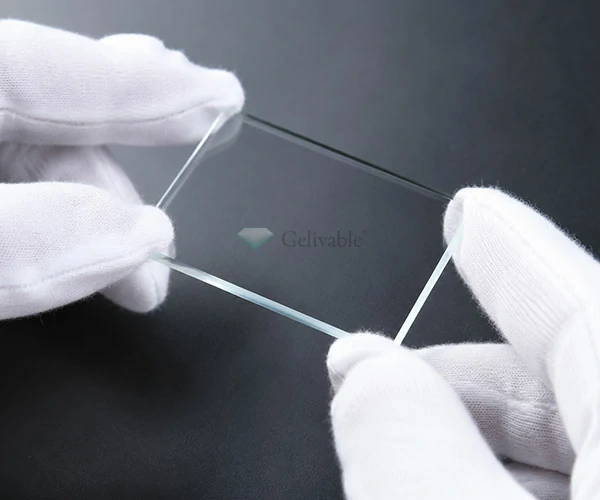
Corning Gorilla Glass is a high-strength cover glass material valued for scratch resistance, durability and optical clarity in display and touch-screen applications.
AGC glass offers stable optical performance and reliable processing characteristics for industrial displays, touch panels and custom cover glass projects.
Panda Glass is a durable cover glass material for projects that require reliable strength, clear visibility and consistent surface quality.
Sapphire glass is an ultra-hard transparent material used where very high scratch resistance is required for protective windows and precision applications.
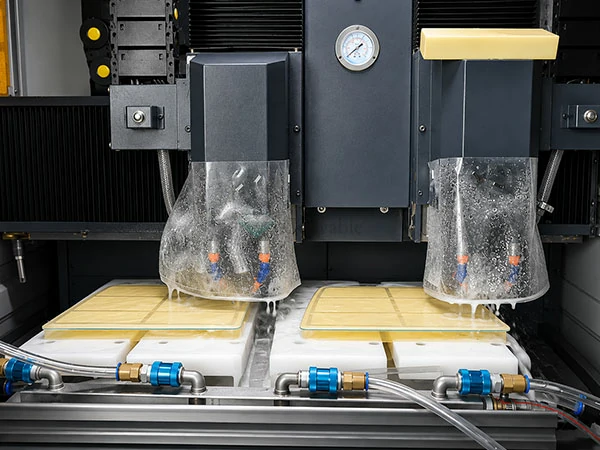
CNC glass machining supports precise drilling, milling, cutting and polishing for custom cover glass with holes, slots and other structural requirements.
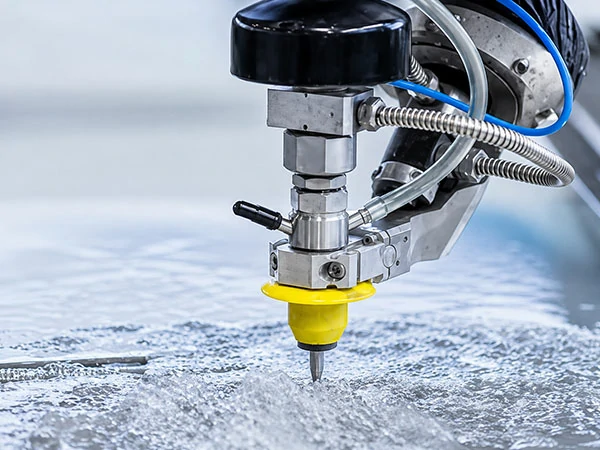
Water jet cutting can produce complex glass shapes without a heat-affected zone, making it useful for selected custom glass profiles and cutouts.
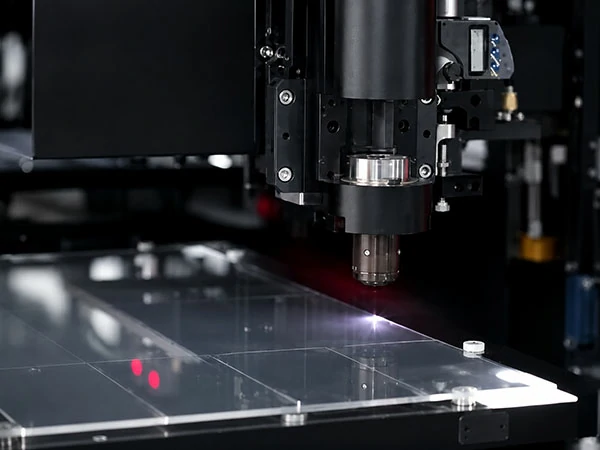
Laser glass processing supports precise cutting, drilling, engraving and marking for detailed custom glass components and fine structural features.
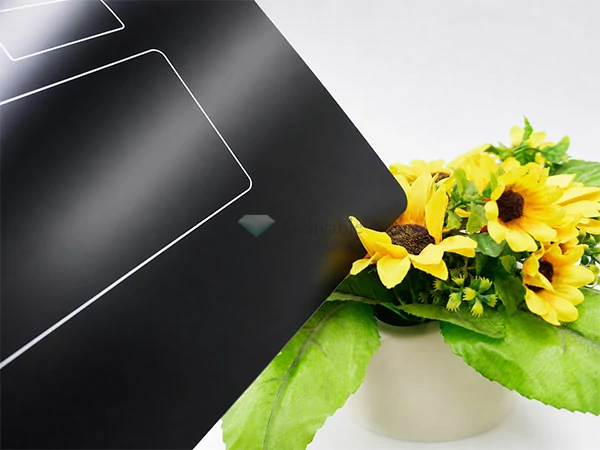
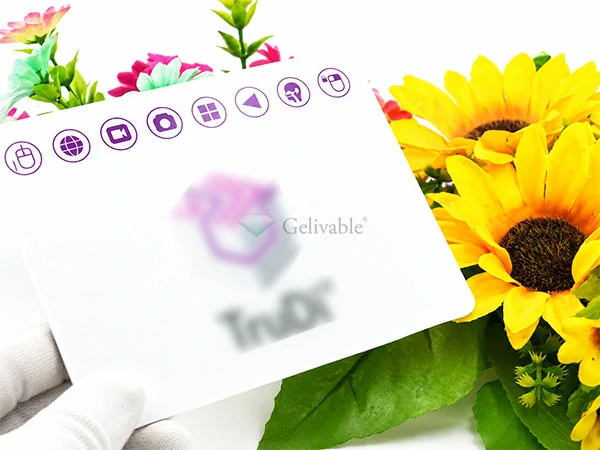
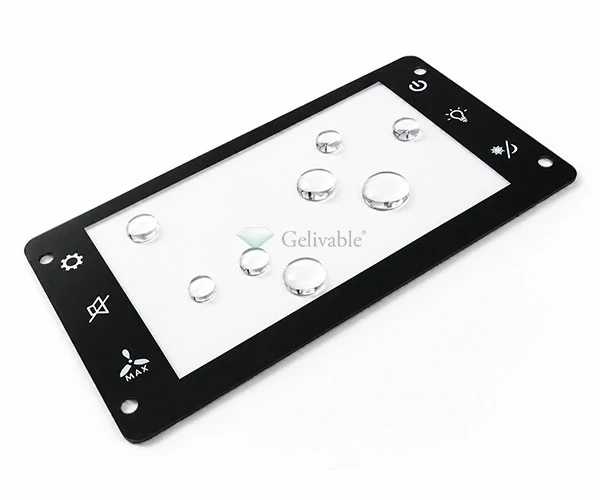
Silk-screen glass printing is widely used for borders, icons, logos, masking areas and functional patterns on custom cover glass.
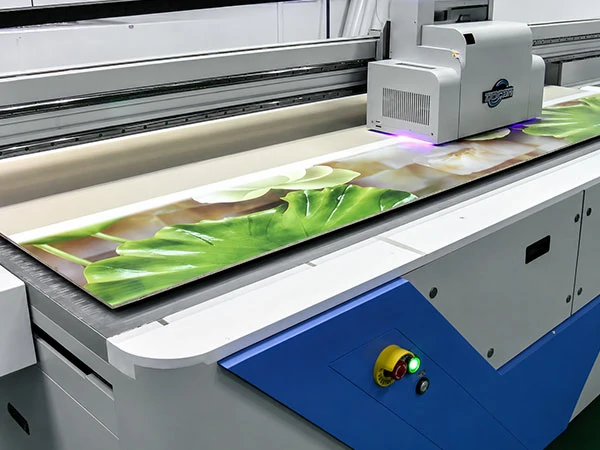
Digital glass printing supports detailed patterns, complex colors and customized visual graphics directly on the glass surface.
UV printing cures specialized inks directly on glass, supporting vivid colors, fast curing and stable printed graphics.
Anti-reflective coating reduces surface reflection and can improve light transmission for display, optical and touch applications.
Anti-glare treatment reduces strong glare and visible reflections, helping cover glass and touch-screen glass remain easier to view under bright lighting.
Anti-fingerprint coating helps reduce fingerprints and oil marks, making the glass surface easier to clean during frequent touch use.
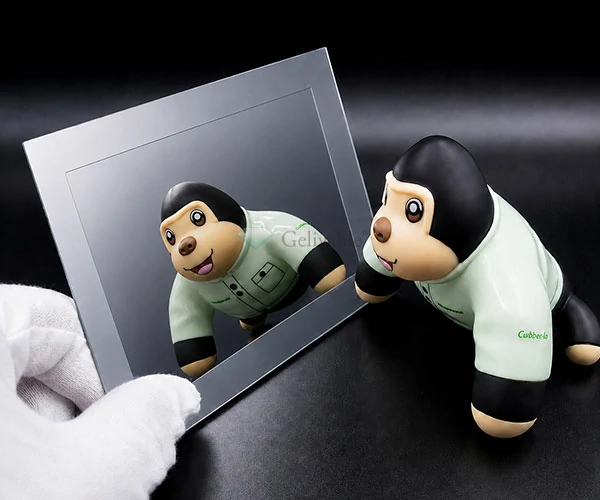
Mirror coating forms a reflective metal film on the glass surface. It can create mirror effects for decorative, display and optical applications.
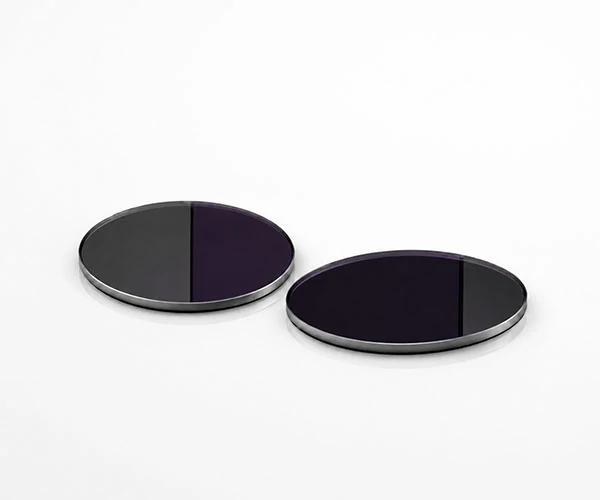
Optical coatings can adjust light transmission, reflection and absorption characteristics to improve optical performance for different glass applications.
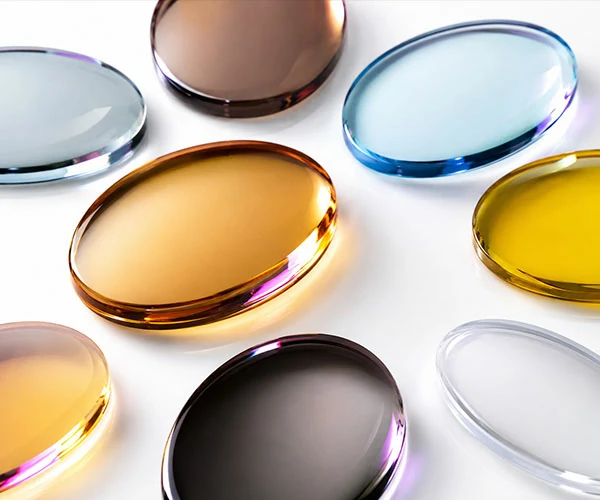
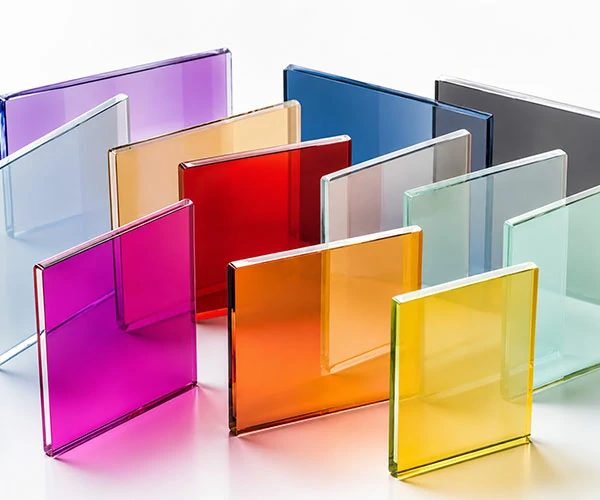
Color coating can create different colors and visual effects on glass surfaces for appearance design, product identification and functional decoration.
Chromium coating provides metallic appearance, surface stability and corrosion resistance for selected glass applications.
ITO coating provides conductivity while maintaining transparency. It is commonly used in touch screens, transparent electrodes and smart glass applications.
Classic straight edge treatment with polished sides. It is a basic and common edge processing method for flat cover glass.
2.5D edge processing creates a rounded transition, improving appearance, touch feeling and handling experience.
3D edge processing supports curved and shaped glass structures for advanced product appearance and integration needs.
Stepped edge processing creates a multi-level edge structure to meet special installation, assembly and matching requirements.
We use reliable adhesive materials to support cover glass bonding, installation, assembly and integration with display modules, touch panels and other components.
We can use high-quality adhesive materials from trusted brands according to customer requirements and project conditions.
Proper adhesive selection helps improve bonding performance, long-term stability and product reliability.
Adhesive bonding can be used for cover glass, touch screen glass, display glass and other custom glass component assembly needs.
Send us your glass size, thickness, quantity, application, required reflectivity or transmission and any machining, printing or coating requirements. Our team will review the project and recommend a suitable AR glass solution.
GelivableGlass combines custom cover-glass fabrication with functional coating and finishing capabilities to support anti-reflective glass projects from sample development through batch production.
We support custom dimensions, holes, shapes, edge profiles and other precision fabrication requirements for AR coated glass and cover-glass components.
AR coating can be combined with project-specific glass processing, printing, strengthening and other surface treatments when the selected material and production sequence are suitable.
Our team reviews the required optical performance, dimensions, glass structure and end-use conditions before recommending a suitable fabrication approach.
Anti-reflective glass, also called AR glass, uses a surface coating designed to reduce reflected light. By lowering reflection, more light can pass through the glass and the viewed object or display can appear clearer.
According to our current reference data, anti-reflective glass can achieve light transmission of up to 99%. Actual transmission depends on the glass structure, coating specification and project requirements.
Our current reference data indicates reflectivity of less than 1%. Lower surface reflection helps reduce visual interference and improves the clarity of objects or displays viewed through the glass.
Our current AR glass reference data indicates a UV blocking rate above 99%. This can help reduce ultraviolet exposure to furniture, artwork and other objects behind the glass.
According to our current technical reference, the AR coated surface can reach a hardness above 6H, helping improve resistance to surface wear during normal use.
Yes. The reference specification supplied for this AR glass indicates resistance to high-temperature and humid environments. Final suitability should be evaluated according to the actual operating conditions of the project.
The AR coating can make the glass surface easier to clean, which is useful where clear appearance and routine maintenance are important.
Anti-reflective glass can be used for displays, touch panels, museums, exhibition displays, retail environments, offices, schools and other applications where lower reflection and clearer viewing are required.
Read technical articles about anti-reflective glass, custom cover glass, optical coatings, surface treatments and precision glass fabrication.
View All BlogSend us your drawing, glass size, thickness, quantity, required optical performance and any machining, printing, coating or bonding requirements. GelivableGlass will review the project and recommend a suitable custom AR glass solution.
Contact our team for technical discussion, sample development, manufacturing review and quotation support.