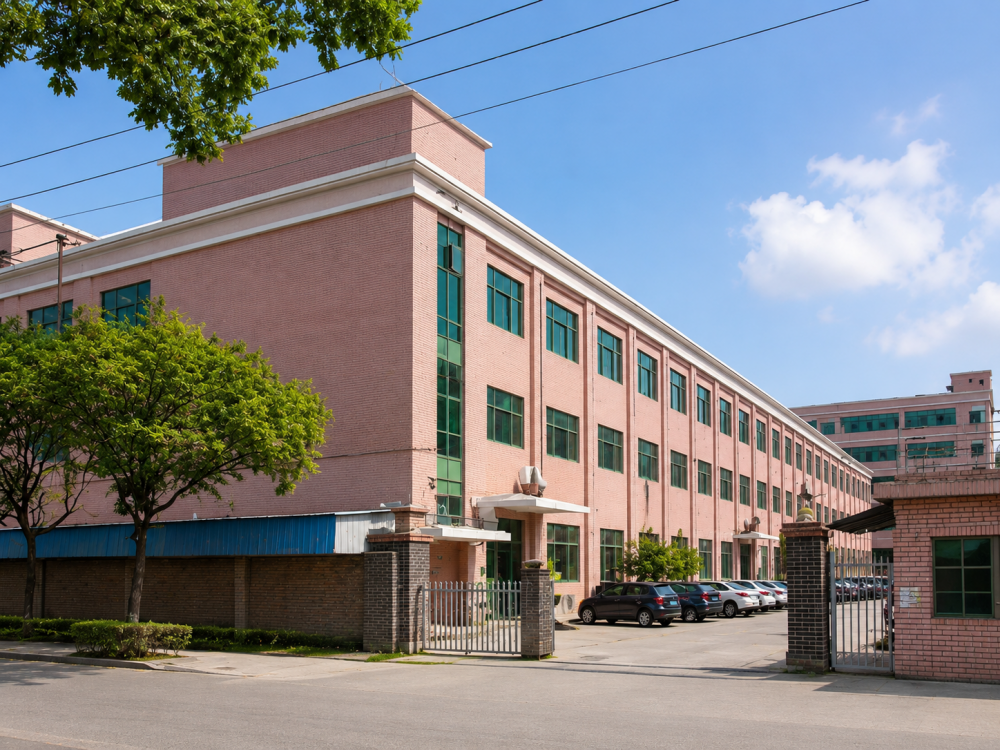
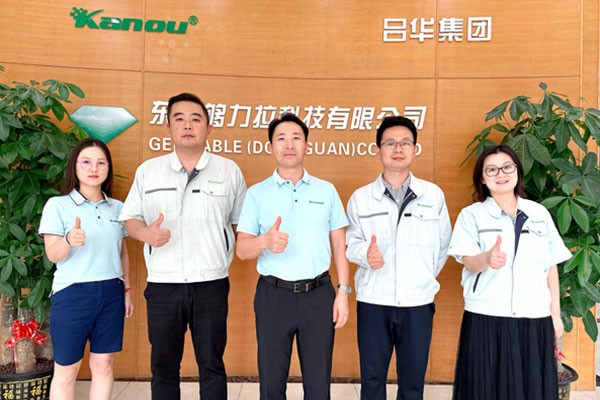
Gelivable Earns 2026 EcoVadis Bronze Medal for Sustainability
Gelivable has earned a 2026 EcoVadis Bronze Medal, placing the assessed company in the top 35% of companies rated by Eco···
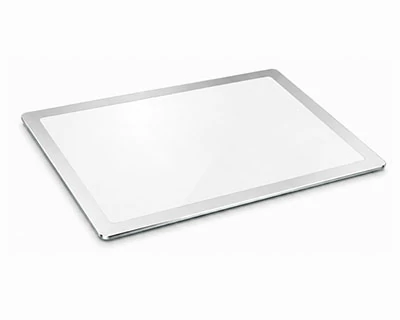
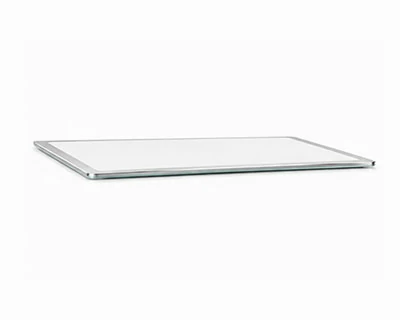
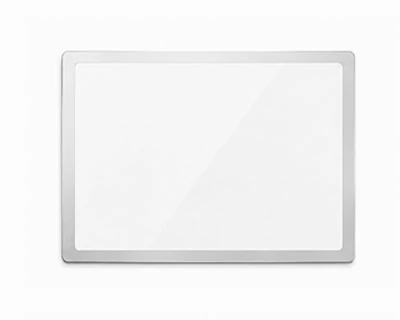
Read MoreGelivableGlass provides custom processing of AGC soda-lime glass for display covers, touch interfaces, control panels, protective windows and other precision glass components.
AGC manufactures soda-lime silicate glass using established float-glass technology. Soda-lime float glass provides a flat, smooth surface, consistent thickness and good visible transparency, making it suitable for a wide range of display, protective-window and technical-glass applications.
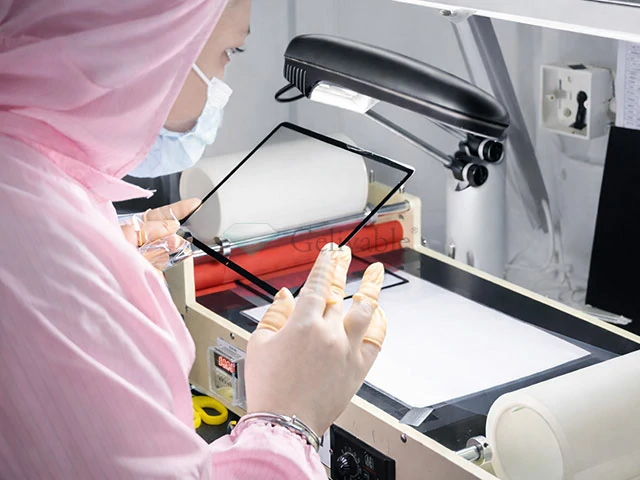
GelivableGlass can process suitable AGC soda-lime materials into custom sizes and shapes with CNC machining, drilling, edge finishing, printing, strengthening, AG/AR/AF surface treatments, adhesive bonding and final inspection. The exact AGC material, thickness and processing route should be confirmed according to the project drawing and application.
Get a QuoteAGC soda-lime glass can be used for flat protective parts where transparency, surface quality, dimensional consistency and cost control are important.
The final material thickness and strengthening method should be selected according to the part size, edge design, impact requirement, printing, coating and operating environment.
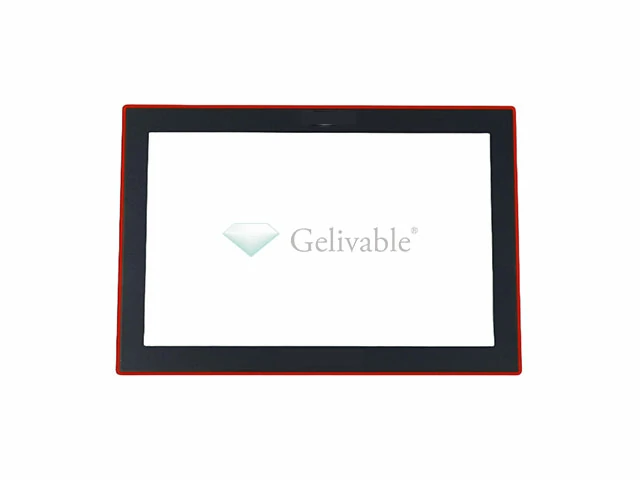
Custom AGC soda-lime glass can be used as a protective front layer for LCD, TFT and other display modules when the required strength and thickness are compatible with the material.
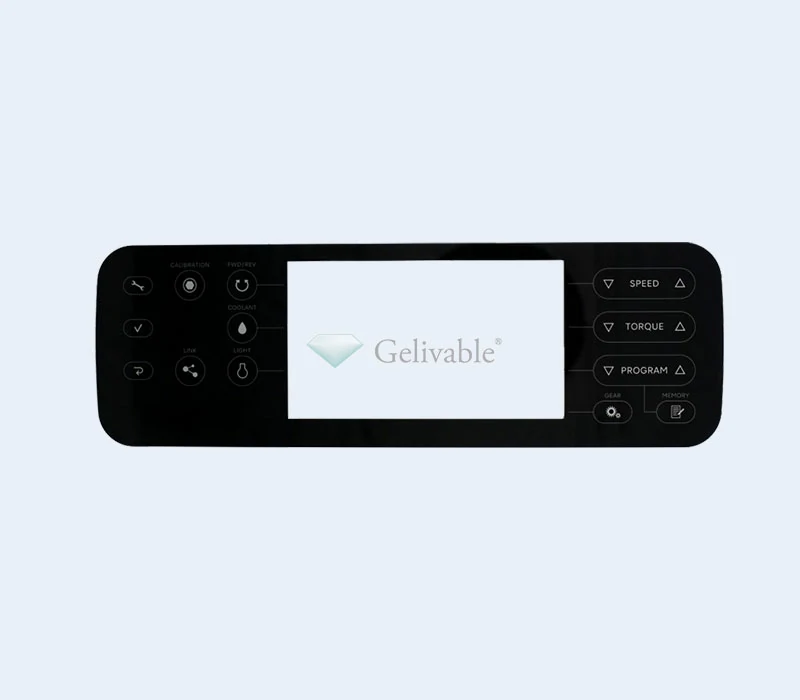
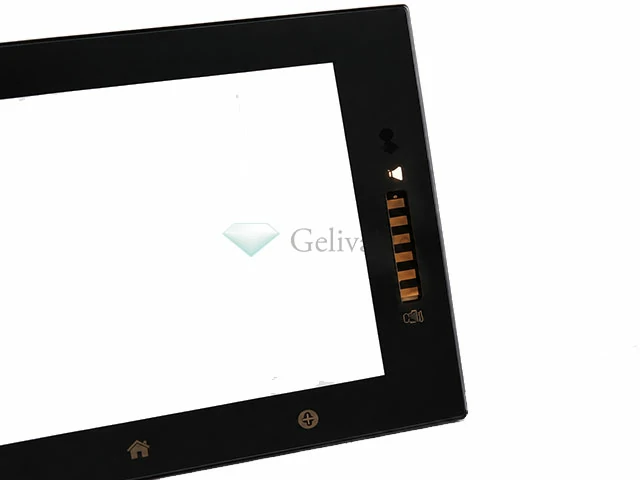
Selected thin AGC soda-lime glass can be processed for touch interfaces that require a flat, smooth cover surface with printing or functional coatings.
Clear soda-lime glass can protect meters, indicators, sensors and equipment openings while maintaining visibility through the finished component.
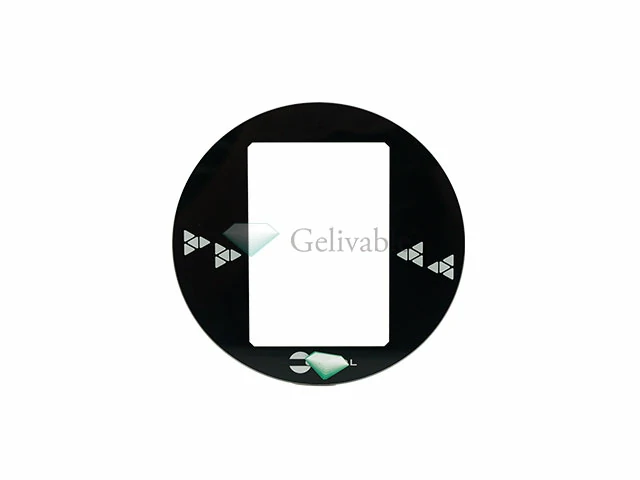
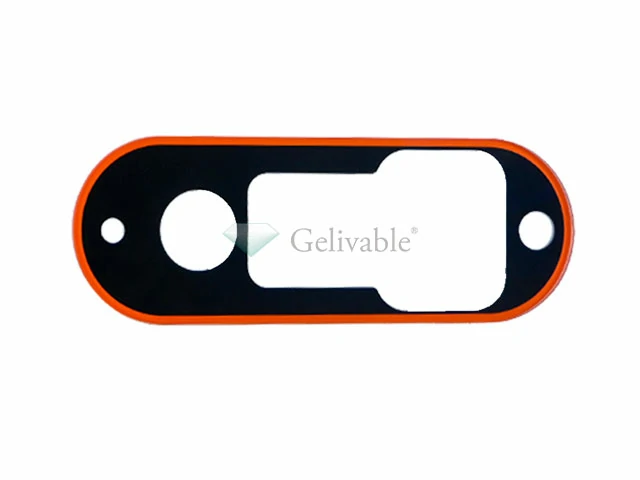
Custom outlines, rounded corners, holes, slots and edge profiles can be produced according to the drawing and selected glass thickness.
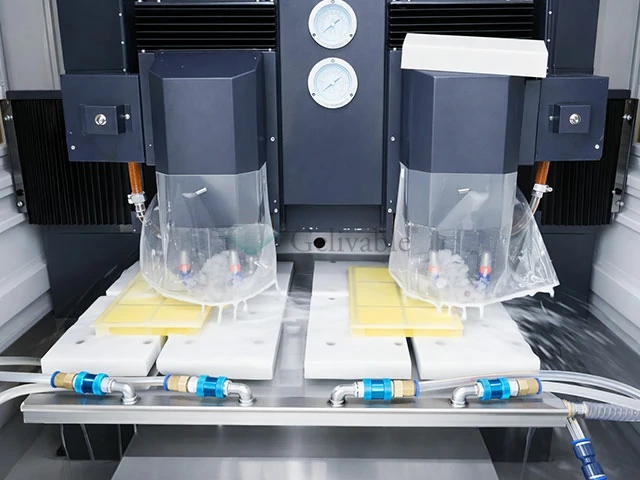
Cutting, CNC shaping, drilling, slots, chamfers and polished edges can be produced according to the part geometry and thickness.
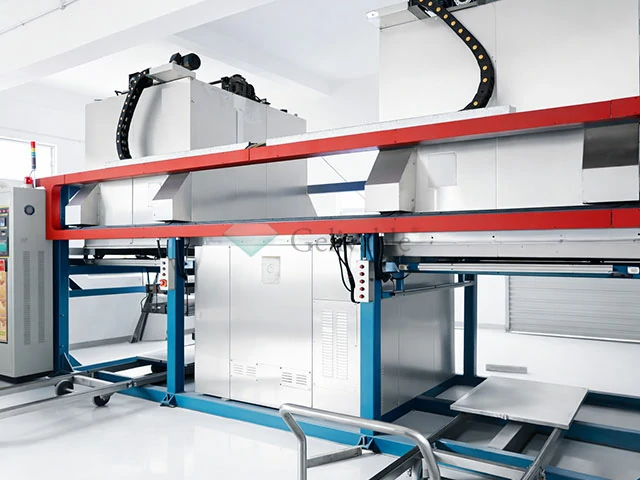
Thermal or chemical strengthening can be evaluated according to the selected AGC soda-lime material, thickness, geometry and finished-part requirements.
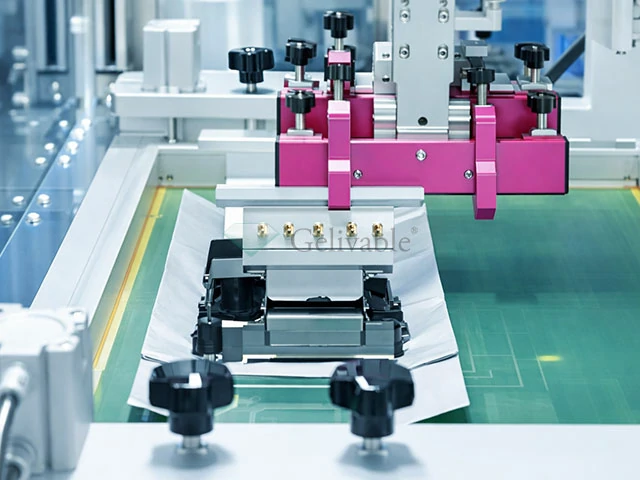
Silk-screen printing and AG, AR or AF treatments can be evaluated according to decorative, optical and touch-surface requirements.
Finished parts can be inspected for dimensions, appearance and edge quality, with adhesive or component integration available for suitable projects.
| Glass Family | Soda-lime silicate glass |
|---|---|
| Density | Approx. 2.50 g/cm³ |
| Young's Modulus | Approx. 70 GPa |
| Shear Modulus | Approx. 29.2 GPa |
| Poisson's Ratio | Approx. 0.20 |
| Mohs Hardness | Approx. 5–6 |
| Linear Thermal Expansion | Approx. 9 × 10⁻⁶/K between 20°C and 300°C |
| Softening Temperature | Approx. 725°C |
| Refractive Index | Approx. 1.50 at 589.3 nm |
| Item | Reference | Project Note |
|---|---|---|
| Manufacturing Method | Float glass production | AGC describes soda-lime float glass as being formed on molten tin to produce a flat sheet with uniform thickness and a smooth surface. |
| Transparency | Good visible transparency | Exact light transmission depends on the selected AGC glass, thickness, iron content and any coatings or printing. |
| Flatness | Flat and smooth float-glass surface | Useful for display windows, cover components and other applications requiring consistent surface geometry. |
| Strengthening | Project-specific | Thermal or chemical strengthening suitability depends on the exact AGC soda-lime material, thickness and finished geometry. |
| Surface Treatment | AG / AR / AF options can be evaluated | Compatibility should be confirmed together with glass thickness, strengthening, printing and final optical requirements. |
| Available Thickness | Depends on the selected AGC soda-lime product and current stock | No single thickness range is used here because AGC supplies different soda-lime products for different applications. |
AGC soda-lime glass can be processed for professional equipment where clear viewing, a flat glass surface and flexible secondary processing are required.
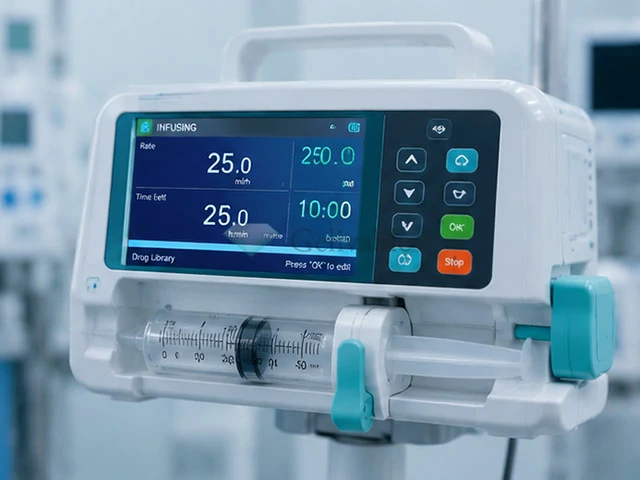
Custom AGC soda-lime glass can be evaluated for medical displays, instrument windows and control interfaces requiring a clear protective front surface.
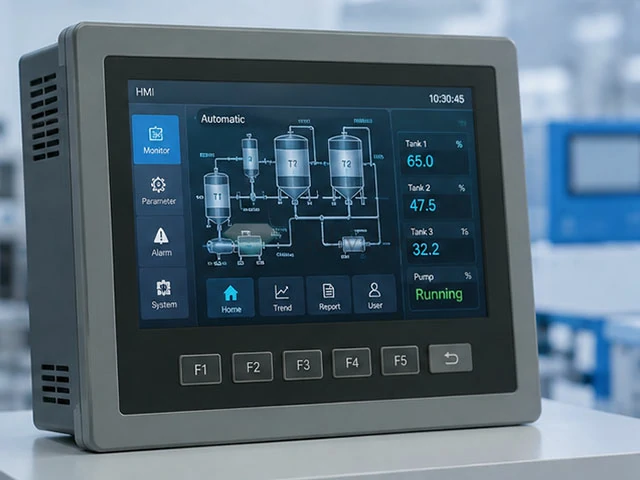
Printed and processed soda-lime glass can protect industrial touch screens, machine interfaces and equipment control panels.
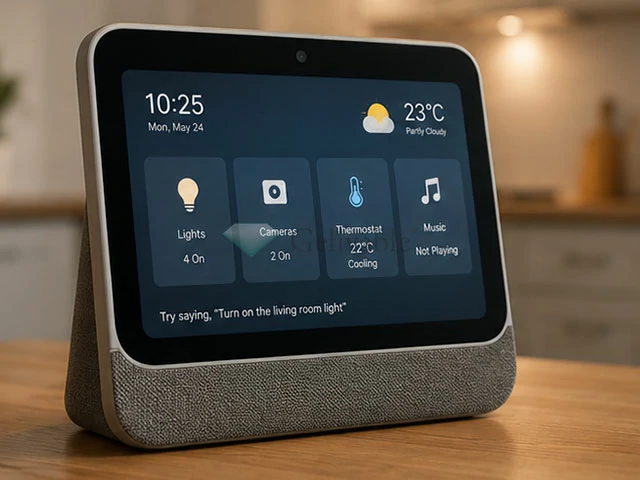
AGC soda-lime glass can be processed with printing and functional coatings for wall controls, smart switches and other connected-home interfaces.
Custom soda-lime glass can be used for ticketing machines, fare collection terminals, station displays and other transportation-related equipment interfaces.
Processed AGC soda-lime glass can be evaluated for outdoor displays, monitoring equipment and control interfaces when the selected thickness and strengthening method meet the project requirements.
Custom AGC soda-lime glass can be processed for specialized equipment requiring non-standard geometry, printing, coatings, strengthening or adhesive integration.
The characteristics below describe AGC soda-lime float glass at the material-family level without assigning one product grade's specifications to every AGC soda-lime material.
AGC soda-lime float glass is produced by forming molten glass on molten tin, creating flat sheet glass with a smooth surface and consistent thickness.
The float process provides good flatness and surface quality for protective windows, display covers and other precision flat-glass components.
Clear soda-lime glass provides good visible-light transmission, while the final optical result depends on thickness, glass composition and any surface treatments.
Soda-lime glass supports established fabrication processes including cutting, grinding, drilling, printing, strengthening, coating and bonding for custom components.
Send the target size, thickness, quantity, application and required machining, strengthening, printing, coating or bonding processes. The suitable AGC soda-lime material can be reviewed during quotation.
GelivableGlass can combine AGC material selection with precision fabrication, strengthening, printing, functional surface treatment and finished-part inspection.
CNC machining, drilling and edge finishing can be planned around the selected material thickness and final component geometry.
Strengthening, printing and AG/AR/AF treatments can be evaluated as part of the complete finished-glass specification.
Dimensions, appearance, edge quality and agreed functional requirements can be checked against the approved project specification.
AGC soda-lime glass is part of the soda-lime silicate glass family. AGC produces soda-lime float glass for a range of architectural, electronic and technical applications, with exact properties depending on the selected product and thickness.
AGC's published soda-lime silicate reference data lists a density of approximately 2.50 g/cm³, Young's modulus of approximately 70 GPa, Poisson's ratio of approximately 0.20 and a thermal-expansion coefficient of approximately 9 × 10⁻⁶/K between 20°C and 300°C.
AGC supplies soda-lime glass in different thickness ranges for different product families and applications. GelivableGlass therefore confirms the exact AGC material and available thickness during quotation rather than publishing one universal thickness range.
Yes, suitable soda-lime glass can be strengthened, but the process depends on the exact glass grade, thickness and geometry. Thermal or chemical strengthening should be confirmed for the selected material before production.
Yes. Custom cutting, CNC shaping, drilling, slots and edge finishing can be evaluated before strengthening according to the material thickness and finished-part drawing.
These treatments can be evaluated for compatible AGC soda-lime cover-glass projects. The process route should be reviewed together with strengthening, printing and final optical requirements.
Soda-lime glass is a widely produced general-purpose glass family with broad processing options. Aluminosilicate cover-glass grades are usually selected when a project requires stronger ion-exchange chemical-strengthening capability or higher damage resistance.
Please provide the target size, thickness, quantity, drawing, application and any required machining, strengthening, printing, coating, adhesive or inspection requirements.
Read technical articles about AGC glass, soda-lime cover glass, precision fabrication, strengthening and functional surface treatments.
View All Blog
Gelivable has earned a 2026 EcoVadis Bronze Medal, placing the assessed company in the top 35% of companies rated by Eco···
Read More
Why Some Applications Require Corning Gorilla Glass | GelivableWhy Some Applications Require Corning Gorilla GlassIn man···
Read MoreSend us your target size, thickness, quantity, application and processing requirements. We can review the suitable AGC soda-lime material together with machining, strengthening, printing and surface-treatment options.
Contact our team for material selection, machining review, strengthening discussion, sample development and quotation support.