When Corning Gorilla Glass Becomes Essential | Gelivable
Why Some Applications Require Corning Gorilla Glass | GelivableWhy Some Applications Require Corning Gorilla GlassIn man···
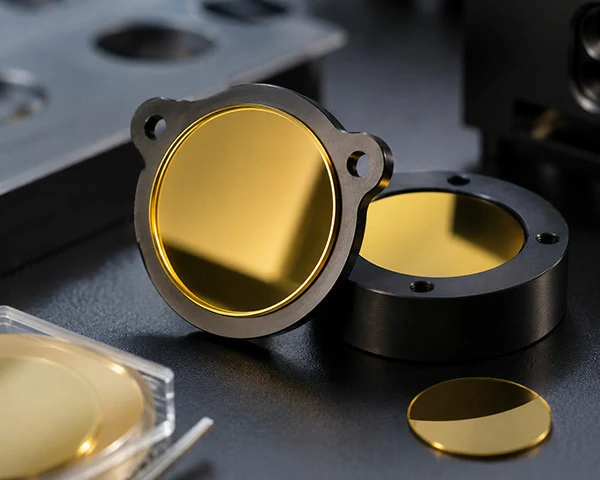
Read MoreCustom glass with real gold, silver or copper thin-film coatings for metallic appearance, reflective surfaces, optical components, sensing substrates and other precision applications. Coating material, layer structure, glass substrate and final performance are reviewed project by project.
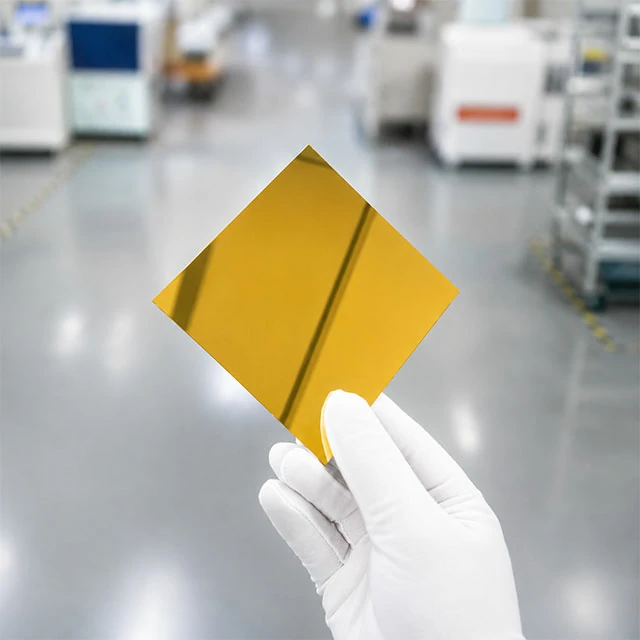
Gold, silver and copper can be deposited as real metallic thin films on glass. This is different from simply printing a gold, silver or copper color onto the surface.
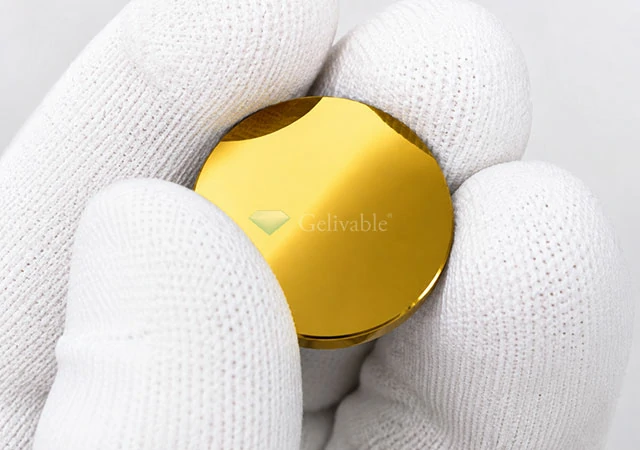
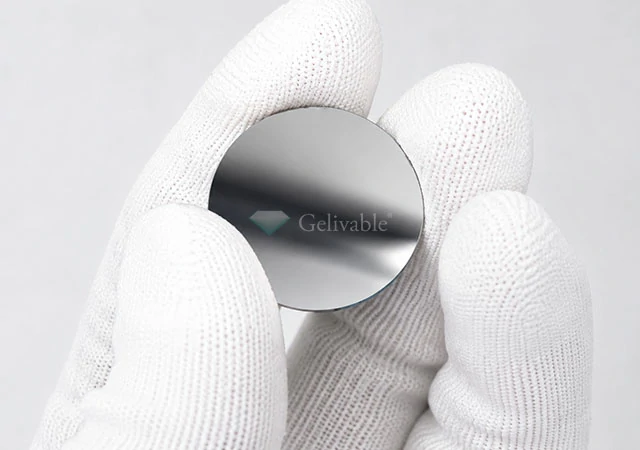
Each metal produces a different visual character: gold provides a gold metallic surface, silver provides a bright reflective appearance, and copper provides a warm copper-colored metallic finish.
Metal thin films can modify reflection and transmission. The final optical behavior depends strongly on the selected metal, film thickness, substrate and layer structure.
Continuous metal films can provide electrical conductivity. Sheet resistance and conductivity must be specified and validated for the actual coating thickness and film structure.
Published gold- and copper-coated glass products commonly use thin titanium or chromium adhesion layers between the glass and the metal film to improve coating attachment.
Some metal coatings require additional surface protection. Published silver-coated glass products, for example, use a transparent protective cover to reduce oxidation of the silver layer.
There is no single universal gold, silver or copper coating specification. Metal purity, adhesion layer, coating thickness, coated side and protective layer should be defined around the intended function.
Metal coating should be treated as a complete thin-film stack rather than a decorative color alone. Glass material, surface preparation, adhesion layer, metal thickness, protective layer and downstream fabrication all influence the finished component.
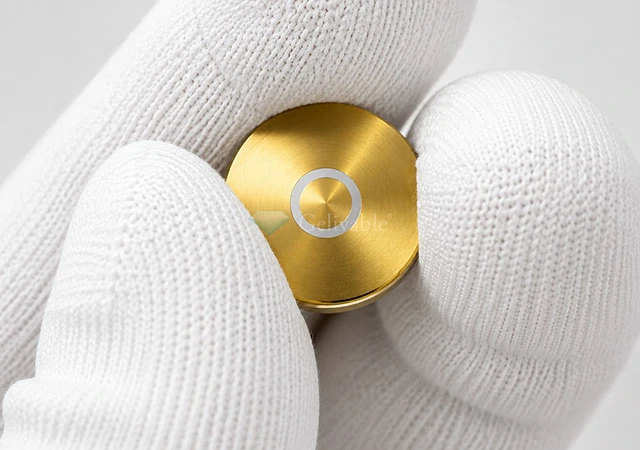
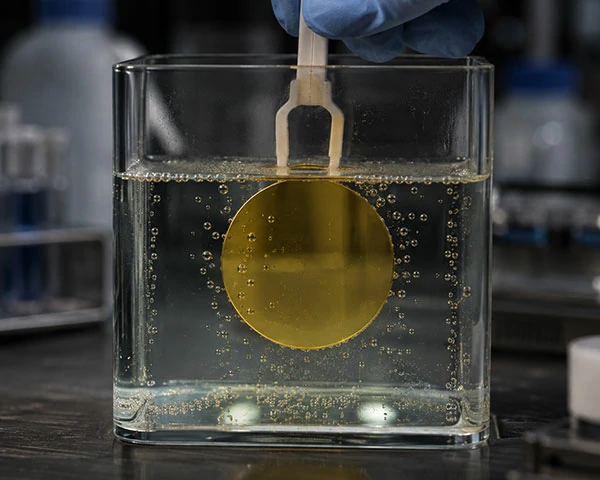
Gold thin films are widely used on glass in laboratory, sensing and surface-analysis applications. Published commercial examples use titanium or chromium adhesion layers below the gold film because adhesion directly to glass can require an intermediate layer.
Silver coatings are used for highly reflective glass surfaces. Published silver-coated float-glass products use high-vacuum metal evaporation and protect the silver with a transparent cover because exposed silver can oxidize.
Copper can be deposited onto glass as a conductive or reflective metal film. Published commercial copper-coated glass uses thin titanium adhesion layers below the copper and electron-beam evaporation as one available deposition route.
Metal type, coating thickness, adhesion layer, protective layer, coating side and exposed area can be reviewed according to the required appearance, reflection, transmission, conductivity and downstream assembly.
The values below are published examples from established coated-glass suppliers. They demonstrate real coating structures used on glass, but they are not presented as universal GelivableGlass specifications. Final coating thickness and layer design must be confirmed for each project.
| Metal | Published Reference | Verified Example |
|---|---|---|
| Gold | Sigma-Aldrich Gold-Coated Glass Slide | 1000 Å gold layer on aluminosilicate glass with titanium used as the adhesion layer between the gold and glass. |
| Gold | PELCO Gold-Coated Microscope Slide | Soda-lime glass with a 5 nm chromium adhesion layer and 50 nm gold layer; chromium and gold are deposited by vacuum evaporation. |
| Silver | Sinoptix Silver-Coated Float Glass | Silver is deposited on float glass by metal evaporation in a high-vacuum chamber and covered by a transparent protective layer to reduce oxidation. |
| Copper | Substrata Copper-Coated Glass Slide | BOROFLOAT® 33 borosilicate glass with a 30 Å titanium adhesion layer and 1000 Å copper layer deposited by electron-beam evaporation. |
| Copper | IPC Copper Mirror Reference | IPC-TM-650 Method 2.3.32 uses a bright copper mirror film vacuum deposited on clear glass for flux-induced corrosion testing. |
| General | Metal Film Optical Behavior | Published research on Au, Ag and Cu films on glass shows that reflection and transmission vary with metal-film thickness; one fixed optical value should not be applied to every coating design. |
Specify the glass substrate, metal type, coated side, coating area, required appearance and whether the project has optical or electrical targets. Adhesion layers and protective layers should be selected according to the actual metal film and downstream use.
Gold-, silver- and copper-coated glass is used in decorative, reflective, analytical and electronic applications. The suitable metal and layer structure depend on whether the project prioritizes appearance, optical response, conductivity or laboratory performance.
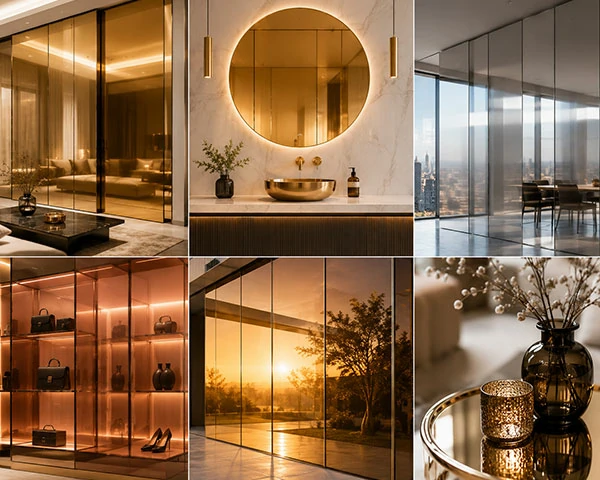
Vacuum-deposited metal coatings are used to create bright metallic effects on glass products and decorative surfaces, including gold and other metal-look finishes.
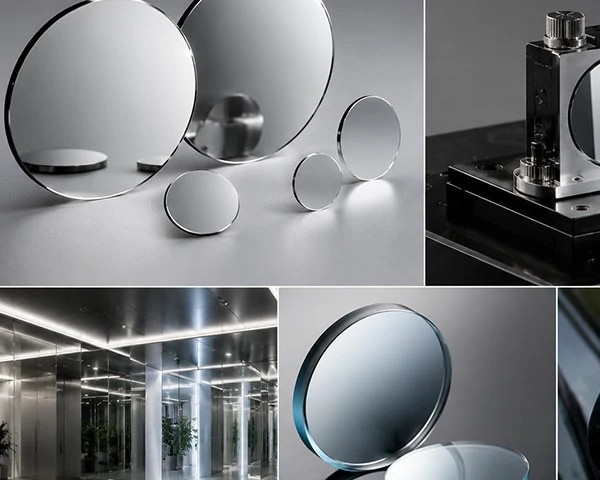
Silver-coated glass is commercially used for reflection applications, while metal-film thickness and layer design can be selected around the required optical response.
Gold-coated glass slides are used in applications such as surface plasmon resonance, Raman spectroscopy, microarrays, AFM and other research or analytical work.
Copper-coated glass is used in specialized electrical and test applications. IPC-TM-650, for example, references vacuum-deposited copper mirror film on clear glass for flux-induced corrosion testing.
GelivableGlass supports glass material selection and secondary processing for custom coated-glass projects. The glass geometry, printing, coatings, edges and bonding structure should be reviewed together with the gold, silver or copper coating so the finished metal surface is not damaged by an incompatible downstream process.
Corning Gorilla Glass can be evaluated for projects that require a chemically strengthened cover-glass substrate together with a compatible metal-coating stack.
AGC glass can be reviewed according to the required thickness, optical performance, strengthening route and compatibility with the selected metal coating.
Panda Glass can be evaluated where a chemically strengthen-able cover glass is required and the finished coating process is compatible with the selected material.
Sapphire can be considered for selected high-hardness or optical applications where the coating process and adhesion structure are suitable for the substrate.
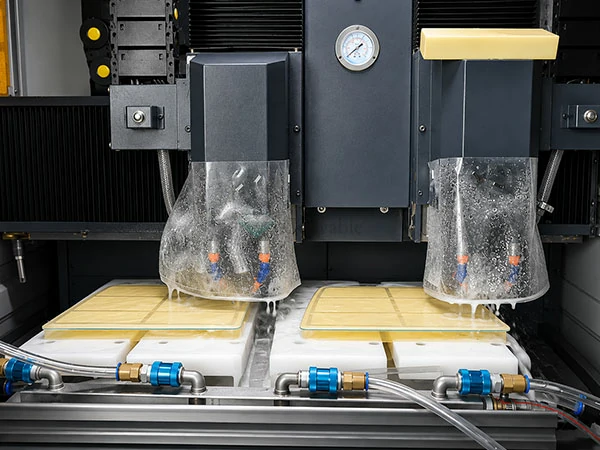
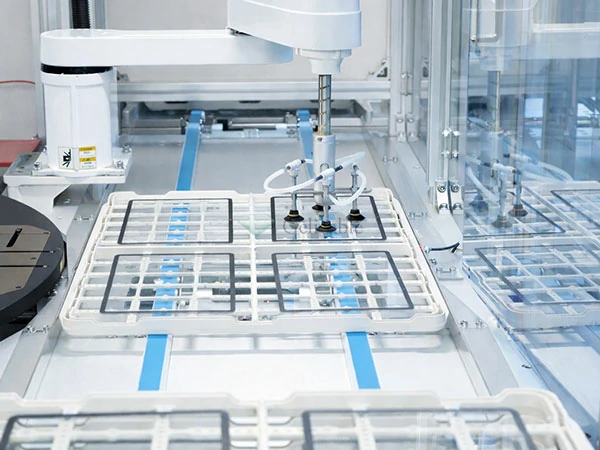
CNC machining supports precise outlines, holes, slots and other drawing-defined features. Mechanical processing should normally be completed before the final metal-coated surface is exposed to downstream handling.
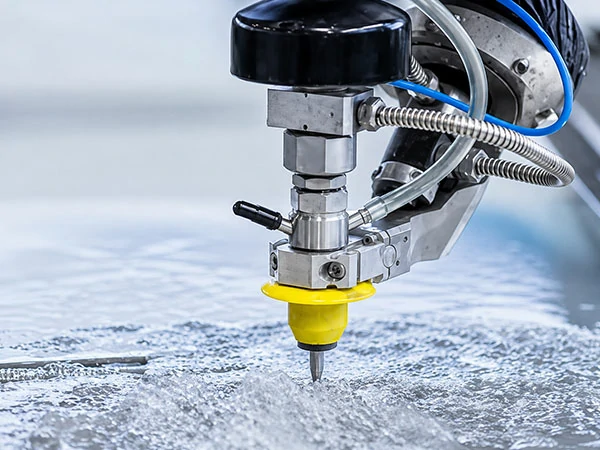
Water jet cutting can be evaluated for selected profiles and cutouts where the glass material, thickness and process sequence are compatible with the final coating.
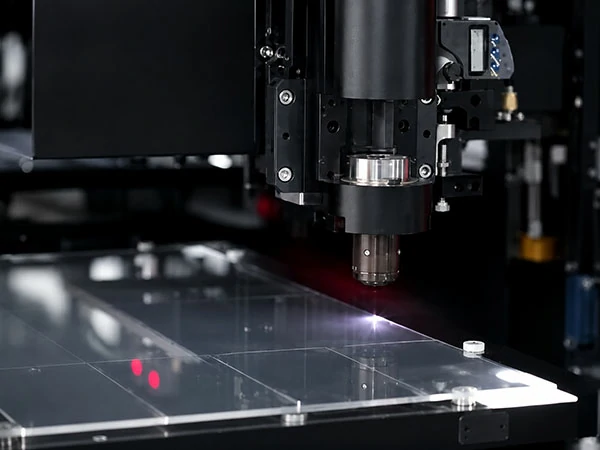
Laser glass processing can support selected cutting, drilling, engraving or marking requirements according to the glass specification and coating sequence.
Silk-screen printing can add borders, logos, masking areas and functional graphics. Printing location and sequence should be reviewed together with the metal coating area.
Digital printing can reproduce detailed graphics and multiple colors when the selected ink, surface and curing process are compatible with the finished coating stack.
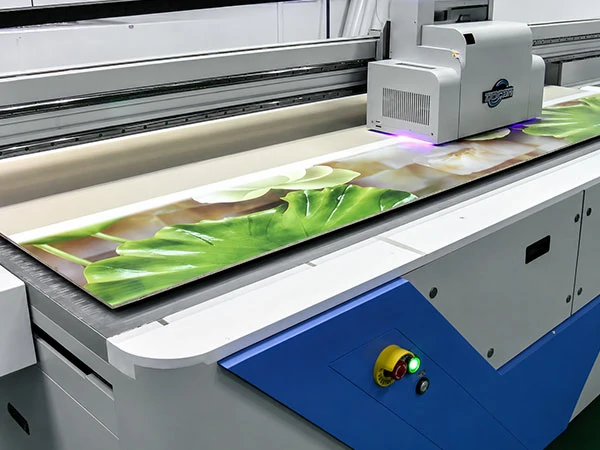
UV printing can be evaluated for decorative and functional graphics where coating compatibility and the required surface durability have been confirmed.
AR coating can be evaluated on compatible surfaces when reduced reflection is required in addition to the selected metal-coated area.
Anti-glare treatment can be reviewed for exposed glass areas when haze and surface texture remain compatible with the intended metal-coating appearance.
AF treatment can be evaluated for touch surfaces when the AF chemistry and process sequence are compatible with the metal coating and any protective overcoat.
Additional optical coating can be reviewed where the finished component requires specific reflection, transmission or spectral behavior beyond the metal layer itself.
A conventional flat-glass edge structure for standard coated panels and precision glass components.
2.5D edge processing creates a rounded transition and can be reviewed before the final coating process is completed.
Selected 3D edge structures can be evaluated for custom glass shapes where geometry and coating coverage are compatible.
Stepped-edge structures can support special mounting and assembly requirements and should be completed before final coating when possible.
Metal-coated surfaces can be sensitive to abrasion, chemistry and adhesive contact. Bonding areas and adhesive type should therefore be reviewed together with the coating side, protection layer and final assembly design.
Where possible, adhesive placement should be planned so it does not unintentionally damage or react with the gold, silver or copper coated area.
Direct bonding onto a metal-coated face should only be used after compatibility has been confirmed for the actual coating stack.
The glass drawing, metal coating, printing, protection and bonding sequence should be reviewed as one complete process before production.
Send the glass material, size, thickness, quantity, drawing and required metal: gold, silver or copper. Please also provide the coated side, coating area and whether the project has appearance, reflection, transmission, conductivity, protection or bonding requirements.
Gold-, silver- and copper-coated glass should be planned together with the glass substrate, geometry, surface preparation, printing, coating protection and final assembly.
Metal type, adhesion layer, coating thickness and protective layer can be reviewed around the required visual, optical or electrical function.
Custom machining, printing, edges and downstream coating steps can be coordinated around the final glass drawing and coated surface.
When metallic color, reflection, conductivity or coating appearance is critical, sample approval is recommended before the final production specification is frozen.
It is glass with a real metallic thin film deposited on one surface. Depending on the project, the metal layer may be used for metallic appearance, reflection, optical response, conductivity or specialized laboratory and sensing functions.
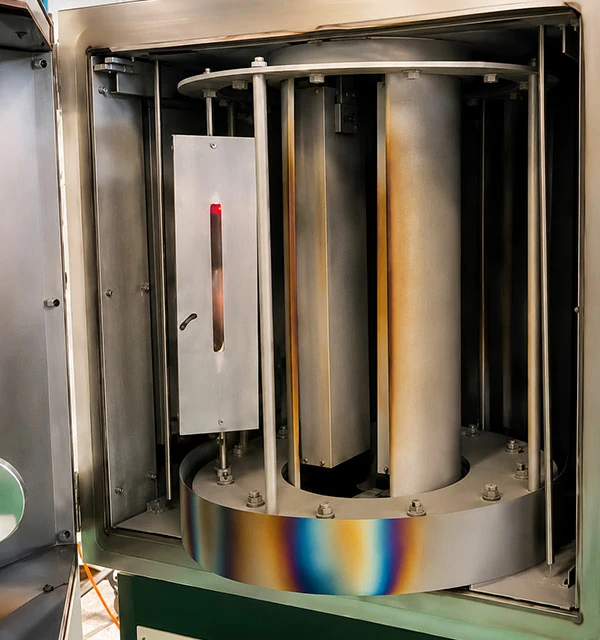
Gold, silver and copper can be applied to glass by several metallization routes, including vacuum evaporation, electron-beam evaporation, sputtering and, in some systems, electroplating after a conductive seed or adhesion layer has first been formed. “Metal-coated glass” is therefore the broader and more technically accurate page name.
Commercial gold-coated glass products often use titanium or chromium as an adhesion layer between glass and gold. The exact adhesion layer and thickness should be selected according to the coating process and required finished performance.
Silver can oxidize or tarnish when exposed. Published silver-coated glass products therefore use protective transparent layers to protect the deposited silver. Protection requirements depend on whether the coated face is exposed or enclosed in the final assembly.
Copper thin films can be deposited on glass by vacuum processes such as electron-beam evaporation and sputtering. Published commercial copper-coated slides commonly use a thin titanium adhesion layer between the glass and copper.
Yes, sufficiently thin metal films can retain light transmission, but the result depends strongly on metal type and film thickness. Reflection and transmission should be measured on the actual coating stack rather than assumed from one generic value.
A continuous metal film can provide electrical conductivity, but conductivity depends on film continuity, metal type, thickness and deposition quality. If sheet resistance is important, it should be specified and verified as a project requirement.
Mechanical processing can scratch, chip or contaminate a finished metal film. Custom outlines, holes, slots and edge work should therefore be planned before the final coating whenever possible. The exact sequence depends on the substrate and coating system.
They can be evaluated, but compatibility should not be assumed. Printing inks, surface treatments and adhesives can interact with metal films or protective layers, so the coated side, process order and contact areas should be confirmed before production.
Please provide the glass material, dimensions, thickness, quantity, drawing, required metal, coated side and coating area. If applicable, also provide target appearance, reflectance, transmission, sheet resistance, protection requirements, printing and bonding details.
Read technical articles about metal-coated glass, mirror coatings, optical thin films, custom glass fabrication, printing and surface treatments.
View All BlogSend us your drawing, glass substrate, required metal, coating side, coating area and target function. We can review the glass processing and metal-coating requirements around the finished component.
Contact our team to review the metal layer, glass fabrication, appearance, optical requirements, protection and final assembly.