Physical Glass Strengthening

Custom Glass Thermal Tempering & Physical Strengthening

Thermal tempering services for custom glass panels and technical glass components, with pre-tempering machining, controlled heat treatment and project-specific inspection for strength and safer breakage behavior.

Thermal Tempering for Custom Glass Components

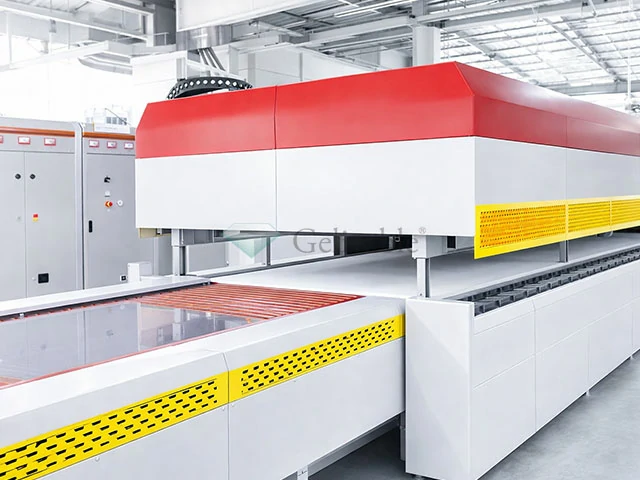
Glass thermal tempering and physical strengthening process

Physical strengthening, commonly called thermal tempering, strengthens glass by heating it close to its softening range and then rapidly cooling the surfaces with controlled air flow. This creates surface compression and internal tensile stress.

Fully tempered glass is used where the finished part needs higher mechanical strength, improved thermal-shock resistance and a safer breakage pattern than ordinary annealed glass.

All required cutting, holes, cutouts, CNC machining and edge finishing should be completed before final thermal tempering. Once fully tempered, the glass should not be cut or drilled again.

Get a quote
Tempering Advantages

Why Use Glass Thermal Tempering?

Thermal tempering is a practical strengthening route for supported glass thicknesses and part sizes where mechanical strength, thermal-shock resistance and safer breakage behavior are important.

Higher Mechanical Strength

The tempering cycle creates surface compression that increases mechanical strength compared with ordinary annealed glass.

Safer Breakage Pattern

Fully tempered glass is designed to break into smaller, less-sharp fragments than ordinary annealed glass when breakage occurs.

Better Thermal-Shock Resistance

Tempered glass handles temperature changes better than annealed glass, making it useful for equipment and appliance environments.

Suitable for Protective Panels

Thermally tempered glass is widely used for protective panels, equipment windows, appliance glass and other medium-thickness custom parts.

Pre-Tempering Custom Machining

Custom outlines, holes, slots, cutouts and edge profiles can be machined before the final tempering cycle.

Project-Based Testing

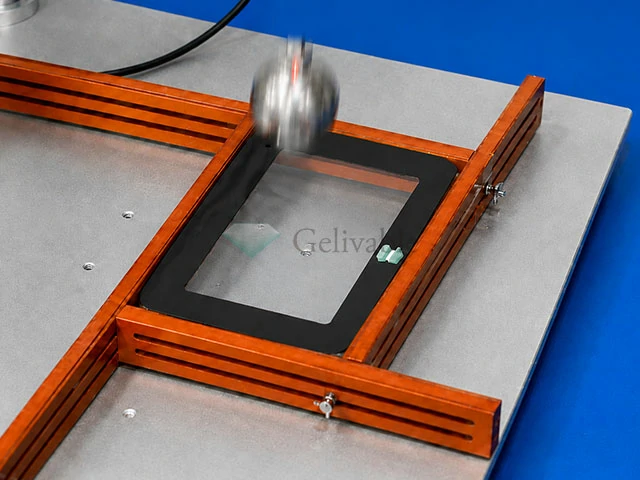
Impact, ball-drop or fragmentation requirements can be reviewed against the actual part dimensions and the customer test method.

Process Planning

Glass Thermal Tempering Project Considerations

Thermal tempering feasibility depends strongly on glass thickness, dimensions, material, hole layout, edge condition and the required standard. The table below avoids a single universal range and focuses on the items that must be confirmed for each project.

ItemReference / Project Consideration
Strengthening Method Heat glass near its softening range followed by rapid controlled air cooling
Pre-Tempering Geometry Final outline, holes, slots, cutouts and edge finishing should be completed before tempering
Glass Material Soda-lime, low-iron and other compatible glass materials can be evaluated
Thickness & Size Confirm from drawing; capability depends on glass composition, furnace loading and part geometry
Breakage Requirement Fully tempered glass is selected where smaller-fragment breakage behavior is required
Impact / Fragmentation Testing Test method and acceptance criteria should be defined by the customer or referenced standard
Post-Tempering Machining Cutting or drilling fully tempered glass is not recommended because it releases the internal stress and can cause breakage

Thermal Tempering Support

Pre-Tempering CNC Hole & Cutout Review Edge Finishing Thermal Tempering Fragmentation Review Impact Test Planning Printing Coordination Final Inspection

GelivableGlass also offers a separate chemically strengthened glass route for thin or precision parts. The strengthening method should be selected according to material, thickness, geometry and end-use requirements.

Pre tempering CNC machining drilling and edge finishing for glass
Before Tempering

Complete Mechanical Processing First

The final geometry must be created before thermal tempering. Cutting, drilling, slots, cutouts and edge work are coordinated before the glass enters the tempering process.

  • Final outline and dimensions
  • Holes, slots and cutouts
  • Edge grinding and polishing
  • Printing sequence review where high-temperature inks are involved
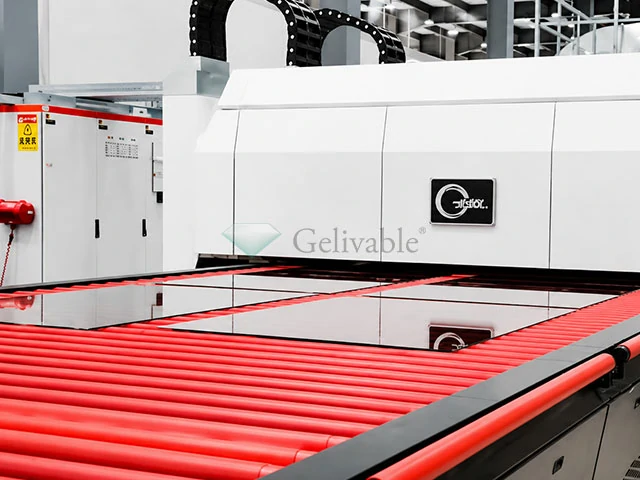
Controlled glass thermal tempering and physical strengthening process
Thermal Strengthening

Controlled Heating & Rapid Cooling

The glass is heated and rapidly cooled to create the internal stress structure required for fully tempered glass. Final performance depends on the glass material, thickness, size and tempering conditions.

  • Controlled furnace heating
  • Rapid air quenching
  • Appearance and dimensional inspection
  • Fragmentation or impact verification when specified
Application Areas

Applications for Thermally Tempered Glass

Thermal tempering is commonly used for custom glass parts that require increased strength, thermal-shock resistance or the safer fragmentation behavior of fully tempered glass.

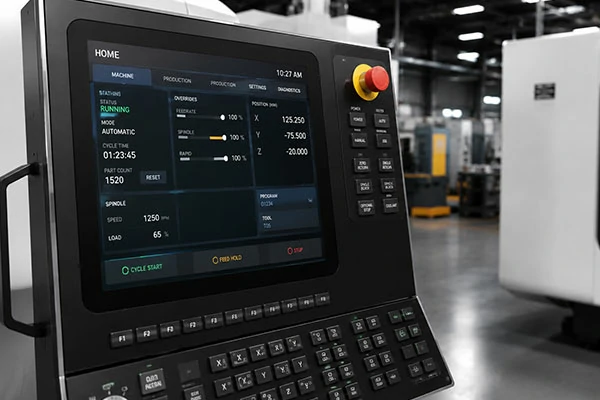
Thermally tempered glass for industrial equipment

Industrial Equipment

Industrial controls, machine windows and protective panels can use thermally tempered glass where the finished part needs increased mechanical strength.

Thermally tempered glass for smart appliances and control panels

Smart Appliances

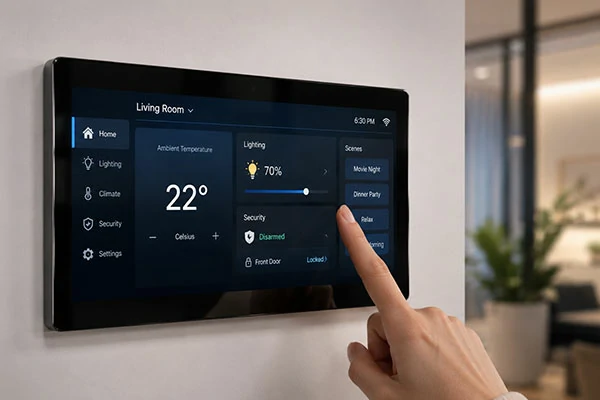
Appliance panels, control surfaces and protective glass can use thermal tempering where temperature changes, handling and mechanical loads are part of the product environment.

Thermally tempered glass for lighting fixtures and equipment

Lighting Equipment

Lighting covers and equipment glass can benefit from thermal tempering when the part must tolerate handling and repeated temperature changes.

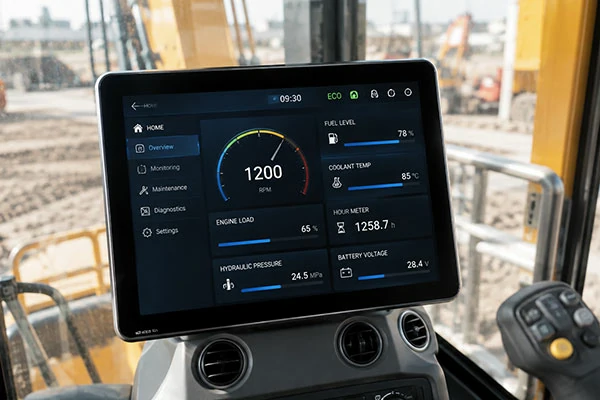
Thermally tempered glass for public and outdoor equipment

Public & Outdoor Equipment

Public terminals, outdoor equipment and protective interfaces can use custom tempered glass where strength and safer breakage behavior are important design requirements.

Quick Quote

Request a Glass Thermal Tempering Quote

Send us the drawing, glass material, dimensions, thickness, quantity, holes, cutouts, edge details, printing requirements and any impact, fragmentation or standard requirements.

Why Choose GelivableGlass

Thermal Tempering with Pre-Process Planning

A successful tempered-glass part depends on the complete sequence before and after tempering, not only the furnace cycle itself.

Pre-Tempering Drawing Review

Hole positions, cutouts, edge profiles and part dimensions are checked before final machining and tempering.

Integrated Fabrication Sequence

Cutting, CNC machining, drilling, edge finishing and compatible printing are coordinated before or around the thermal process as required.

Project-Specific Verification

Impact, fragmentation and appearance requirements are reviewed against the customer specification or referenced test method.

Technical FAQ

Glass Thermal Tempering FAQ

What is physical strengthening of glass?

Physical strengthening usually refers to thermal tempering. The glass is heated near its softening range and then rapidly cooled so compressive stress forms at the surface and tensile stress remains inside.

Is physical strengthening the same as chemical strengthening?

No. Thermal tempering uses heat and rapid air cooling. Chemical strengthening uses ion exchange. Chemical strengthening is often selected for thin or precision glass, while thermal tempering is commonly used for supported medium-thickness protective panels and equipment glass.

Can tempered glass be cut after tempering?

No. Cutting fully tempered glass releases the internal stress and normally causes the piece to break. The final outline should be completed before tempering.

Can holes or slots be machined after tempering?

No. Holes, slots, cutouts and edge work should be completed before thermal tempering.

Does tempered glass always use the same thickness range?

No. Practical tempering capability depends on glass material, thickness, size, furnace conditions and part geometry. The drawing should be reviewed before a final range or tolerance is confirmed.

How is tempered glass performance verified?

Depending on the project, the finished glass can be evaluated using dimensional inspection, visual inspection, fragmentation testing, impact testing or ball-drop testing against the specified acceptance criteria.

Can tempered glass be printed?

Yes. Printing can be coordinated with tempering, but the sequence depends on the ink system. High-temperature ceramic printing is typically planned before the tempering heat cycle, while suitable low-temperature printing may be applied later.

Latest Insights

Latest Blog Articles

Read technical articles about thermal tempering, tempered glass fabrication, pre-tempering CNC machining, impact testing and custom protective glass applications.

View All Blog
Technical Inquiry

Start Your Glass Thermal Tempering Project

Send us your drawing, material, dimensions, thickness, hole and edge details, printing requirements and any impact or fragmentation criteria. GelivableGlass can review the complete pre-tempering and tempering process for your project.

CADPre-Process Review
TEMPThermal Tempering
QCTest Planning
Project Support

Need Physical Strengthening?

Contact our team for tempering feasibility, drawing review, sample development and quotation support.