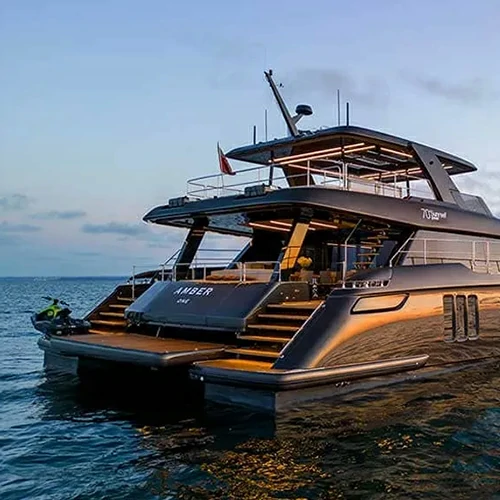
Yacht Control Cover Glass
- Material
- Corning Gorilla Glass
- Size
- 1152 × 373 mm
- Thickness
- 2.0 mm
- Strengthening
- Chemical; IK09 impact test passed for this project
- Printing
- UV-resistant black ink
- Surface
- AF anti-fingerprint coating

Gelivable Glass manufactures finished custom parts from Corning Gorilla Glass materials, supporting projects from prototype to volume production. Our fabrication capabilities include precision cutting, CNC machining, drilling, edge finishing, printing, chemical strengthening and AG/AR/AF surface treatments for display covers, touch panels, optical windows and other glass components.

Corning produces Gorilla Glass base materials. Gelivable Glass processes selected grades into finished custom glass parts, including display covers, touch-panel covers, optical windows and other precision components.
Custom Gorilla Glass can be cut to size and CNC machined with holes, slots, shaped profiles and finished edges. Printing, chemical strengthening, AG/AR/AF coatings, selected DLC coatings and adhesive bonding can be evaluated according to the material grade and finished-part requirements.
Projects can begin with a drawing, sample, target dimensions or basic performance requirements. Gelivable Glass reviews material availability and processing feasibility, then supports prototyping, CNC glass machining, edge finishing, screen printing, chemical strengthening, inspection and volume production.
Get a quoteGelivable Glass manufactures custom Gorilla Glass products from selected Corning Gorilla Glass materials, including display windows, optical covers, touch-panel covers and display cover glass. Each component can be customized in size, shape, openings, edge profiles and appearance.
The examples below show common Gorilla Glass product types. Material selection, machining, printing and surface treatments are reviewed according to customer drawings and application requirements.

Custom Gorilla Glass windows provide protective viewing surfaces for industrial equipment, instruments and electronic devices, with dimensions, openings and edge profiles tailored to the assembly.

Gorilla Glass optical covers can protect camera, sensor and optical openings. Material selection and surface treatments depend on the required optical performance and operating conditions.

Custom Gorilla Glass provides a protective outer surface for touch panels, kiosks and control interfaces, with optional printing, edge finishing and AG/AR/AF surface treatments.

Gorilla Glass display covers serve as protective outer glass for LCD and other display assemblies, with custom dimensions, printed borders and surface treatments for medical and industrial equipment.

Selected Gorilla Glass grades can be processed at 0.4–2.0 mm thickness, with custom dimensions reviewed against material availability, part geometry and manufacturing requirements.

Gorilla Glass can be cut to custom size and CNC machined with holes, slots, shaped profiles and finished edges according to part geometry, tolerance and surface requirements.

Surface options include AG anti-glare, AR anti-reflective, AF anti-fingerprint and other functional treatments according to the optical and touch requirements of the project.

Finished parts are inspected against approved requirements for dimensions, appearance, edge quality and, where specified, printing, coating or other functional characteristics.
Custom Gorilla Glass projects progress through requirement review, material selection, process planning, prototyping, approval and volume production.
Review the application, target dimensions, Gorilla Glass grade, thickness, geometry, quantity and performance requirements. Drawings or samples can be added when available.
Confirm machining, strengthening, printing, surface treatments and the required production sequence.
Develop samples for dimensional, appearance and functional evaluation before batch production.
Proceed with repeat production and final inspection according to the approved project specification.
Finished Gorilla Glass parts are securely packed according to the product size, surface condition and shipment requirements before delivery.
Custom Gorilla Glass fabrication includes precision cutting, CNC machining, drilling, edge finishing, screen printing, chemical strengthening and surface treatments. For selected Corning Gorilla Glass grades, the reference processing thickness is 0.4–2.0 mm, with part sizes up to 1200 × 600 mm and machining tolerances as tight as ±0.03 mm on suitable features. Final limits depend on the grade, geometry and inspection requirements.
| Material | Selected Corning Gorilla Glass grades, including Gorilla Glass 3, 4 and 5, subject to availability and process review. |
|---|---|
| Features | Optical clarity and resistance to scratches and damage; specific performance varies by glass grade, thickness and strengthening condition. |
| Thickness | Reference processing range: 0.4–2.0 mm. Available thicknesses depend on the specified grade, stock and part design. |
| Dimensions | Shapes | CNC Machining | Chemical Strengthening | Drilling & Cutouts | Screen Printing |
|---|---|---|---|---|---|
| Reference range: small parts down to Ø3 mm and larger parts up to 1200 × 600 mm, where the material and geometry permit. | Round, rectangular and custom-shaped parts; curved profiles and complex geometries require feasibility review. | Cutting, profiling and edge finishing; feature tolerances down to ±0.03 mm on suitable parts, subject to drawing review. | Project-specific CS and DOL targets. Reference example: CS > 650 MPa and DOL > 40 μm for applicable grades and thicknesses. | Custom holes, slots and internal cutouts, subject to glass thickness, edge distance and part geometry. | Screen and UV-curable printing, including multiple layers where feasible; ink, adhesion and durability requirements are confirmed per project. |
| Material | Anti-fingerprint Coating | Anti-reflective Coating | DLC Coating | 3M Double-Sided Adhesive | Heat-insulation Film | Anti-fog Film |
|---|---|---|---|---|---|---|
| Features | AF coatings help reduce fingerprint marks and improve cleanability. A water contact angle > 110° is a reference target where specified; durability depends on the coating and test method. | Reference light-transmission targets: single-side AR > 94% and double-side AR > 98%, where applicable. Actual results depend on the substrate, wavelength and measurement method. | Optional DLC coating for selected applications. Coating compatibility, hardness and abrasion performance must be confirmed using project-specific tests. | Double-sided bonding to suitable plastic or metal components; reference adhesive thickness 0.11–0.64 mm. Any IP67 claim requires testing of the complete sealed assembly. | Optional heat-control films may be considered for compatible designs; thermal performance depends on the film and finished assembly. | Anti-fog films may help reduce condensation-related loss of visibility in suitable environments; compatibility and durability require review. |
Selected Gorilla Glass fabrication projects showing custom dimensions, chemical strengthening, printing and surface finishing specified for each application.
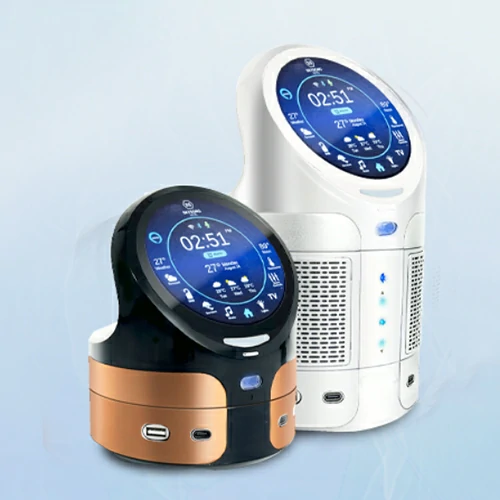
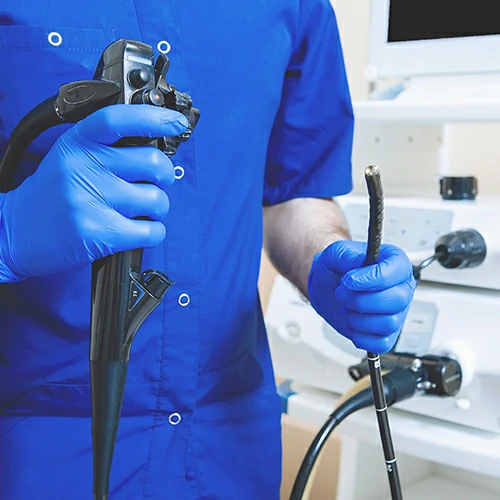
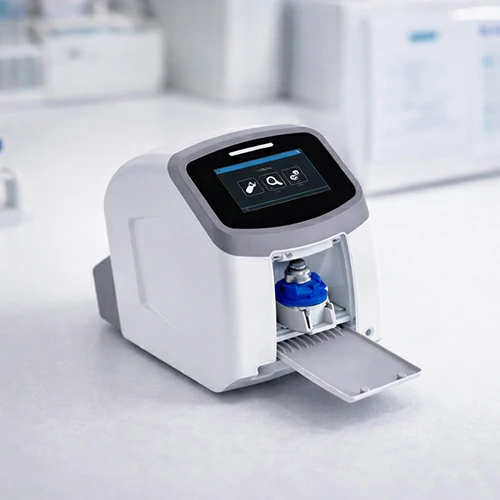
Material grade and thickness affect machining, chemical strengthening and surface-treatment options. Review the selected grade early in the project, or see the Corning Gorilla Glass materials page for more material information.
If you already have a specified Gorilla Glass grade, send us the material name or drawing for availability and processing review.
The reference Gorilla Glass processing range is 0.4–2.0 mm; the available thickness depends on the specified grade, stock and part design.
Material selection can be reviewed together with dimensions, strengthening targets, optical requirements and finished-part specifications.
Review the selected Gorilla Glass grade together with machining, strengthening, printing, coating and other required fabrication processes.
Contact our team with the Gorilla Glass grade, thickness, size and quantity you need, and we can confirm the available material options.
Custom Gorilla Glass can be processed for medical devices, industrial control equipment, smart-home touch panels, display modules and other professional cover glass applications.

Gorilla Glass cover glass can protect medical displays, diagnostic equipment panels and healthcare touch interfaces while maintaining clear visibility.

Scratch-resistant cover glass for HMI displays, machine control panels and industrial touch-screen equipment that needs a durable front surface.

Custom Gorilla Glass can be processed for smart-home control systems, wall-mounted interfaces and other frequently used touch panels.

Custom Gorilla Glass cover glass for display modules, LCD panels and other professional display applications.

Precision Gorilla Glass cover glass for touch screens that require a smooth operating surface, durability and consistent appearance.

Curved Gorilla Glass designs require feasibility review of the material grade, forming method, geometry and finished-part requirements.
Gorilla Glass is used for custom cover glass where scratch resistance, optical clarity, low thickness and reliable surface performance are important.

The glass offers good chemical stability for cover glass used on industrial, medical and touch-screen equipment, subject to the chemicals and cleaning conditions in the final application.

Gorilla Glass is designed to resist scratches and surface damage, although performance depends on the grade, finish and conditions of use.

High optical clarity helps display modules and touch panels maintain clear images through the protective cover glass.

Thin material options make Gorilla Glass suitable for compact cover-glass designs, touch modules and other space-sensitive glass components.
We provide a 1-year warranty for eligible custom Gorilla Glass orders, subject to the agreed product specification and order terms.
Send us the target size, thickness, quantity, processing requirements and application details. Samples, photos or drawings can be shared when available, but they are not required for an initial discussion.
As a custom Gorilla Glass manufacturer of finished parts, Gelivable Glass provides one-stop support from concept review and prototyping through custom cutting, CNC machining, printing, strengthening, surface treatments, inspection and volume production.
Processing options include Gorilla Glass cutting, CNC machining, drilling, edge finishing, chemical strengthening, screen printing, coating, adhesive bonding, inspection and packaging.
AG, AR, AF, DLC and other surface treatments can be selected to address glare, reflection, fingerprint resistance, surface durability and other functional requirements.
We support high-mix, small-batch and non-standard Gorilla Glass projects with custom sizes, thicknesses, shapes, holes, edge profiles, printing, coatings and bonding options.
Corning Gorilla Glass is a family of aluminosilicate cover glasses engineered for damage resistance, thinness and optical clarity. Performance varies by grade and strengthening condition.
Yes. Projects can begin with basic requirements, dimensions, drawings or reference samples. Gelivable Glass reviews material and process feasibility, then supports prototyping, machining, printing, strengthening, surface treatments, inspection and volume production.
Corning manufactures the Gorilla Glass material. Gelivable Glass fabricates selected grades into finished custom parts through cutting, CNC machining, drilling, edge finishing, printing, chemical strengthening, coatings and bonding as required.
For commonly stocked Gorilla Glass materials, more than 90% of prototype orders can be completed in about 7 days. Typical batch-production lead time is around 15 days, although the actual schedule depends on material availability, quantity and processing requirements.
Available processes include custom cutting, CNC machining, drilling, slotting, edge finishing, screen printing, chemical strengthening, AG/AR/AF surface treatments and selected bonding or coating options. Feasibility and tolerances depend on the grade, thickness and geometry.
In-process and final inspections check dimensions, appearance, edge finish and specified printing or coating requirements against the approved drawing and acceptance criteria.
The standard MOQ is 1,000 pieces for production orders. Prototype projects can start with a smaller sample quantity, with 10 pieces available for sample-stage evaluation.
Gorilla Glass and Panda Glass are aluminosilicate glass products, while standard soda-lime glass has a different composition and is often more economical. Scratch resistance, strength and optical performance should be compared using specific grades and test conditions, rather than glass names alone.
One project reference is CS above 650 MPa and DOL above 40 μm. These are not universal requirements for all Gorilla Glass grades; the strengthening target and test method must be agreed for each part.
Thermal tempering uses heating and rapid cooling, while chemical strengthening uses ion exchange to build surface compressive stress. Thin Gorilla Glass components are generally evaluated for chemical strengthening rather than the thermal-tempering specifications used for thicker glass.
Cutting, drilling and edge machining should normally be completed before chemical strengthening. Machining afterward may damage edges, alter the stress profile and reduce reliability, so any exception requires engineering review and revalidation.
The reference processing thickness for selected Gorilla Glass grades is 0.4–2.0 mm. Actual availability depends on the grade, part size, geometry and required processes.
A water contact angle above 110° can be used as an AF-coating reference target where specified. Abrasion resistance and coating durability require agreed test methods and acceptance criteria.
Read technical articles about custom glass, Gorilla Glass processing, cover glass, surface treatments, fabrication processes and industrial applications.
View All Blog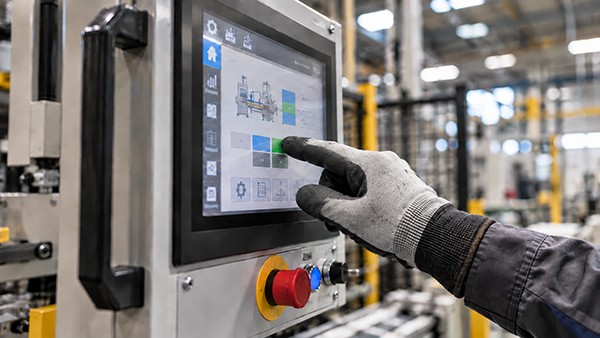
An industrial touchscreen may be used hundreds of times per shift. Operators might wear gloves, work under bright overhe···
Read More
Recently, I have been thinking carefully about how we should explain an important change to our customers—and, more impo···
Read More
AG anti-glare glass is most suitable for display applications where strong ambient light, reflections, long viewing peri···
Read MoreTell us the application, target size, quantity and performance requirements. A sample, photo or drawing can be included when available, but our team can also start from an early concept or basic project requirement.
Contact our team for requirement review, material selection, process planning, prototype development and quotation support from concept through production.