Mirror Coating Glass Solutions

Custom Mirror-Coated Glass for Displays & Smart Interfaces

Custom mirror-coated glass for smart mirrors, appliance displays, HMI panels and integrated display cover applications, with project-specific glass processing, printing, strengthening, surface finishing and bonding support.

Custom Mirror-Coated Glass Manufacturer

Get a quote

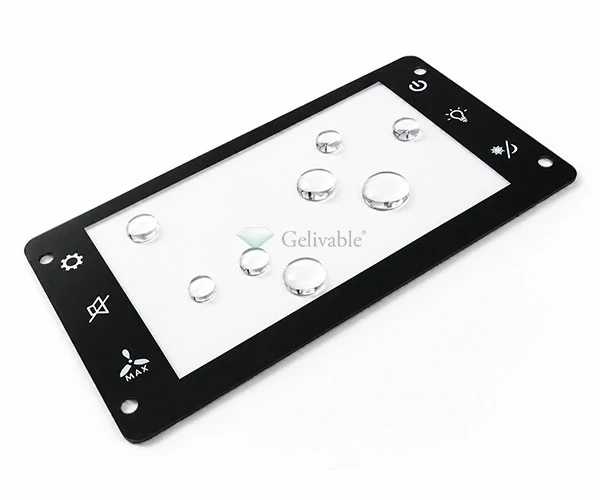
GelivableGlass provides custom mirror-coated glass for products that require a reflective glass surface or a mirror-effect display cover. For display applications, the coating design can be reviewed to balance reflection and light transmission so information can remain visible through the glass when the display is active while the front surface retains a mirror-like appearance when the display is inactive. Glass size, shape, holes, cutouts, printed graphics, strengthening, surface treatment and bonding requirements can be developed according to the customer drawing and finished assembly.

Mirror Effect & Display Integration

How Mirror-Coated Glass Works

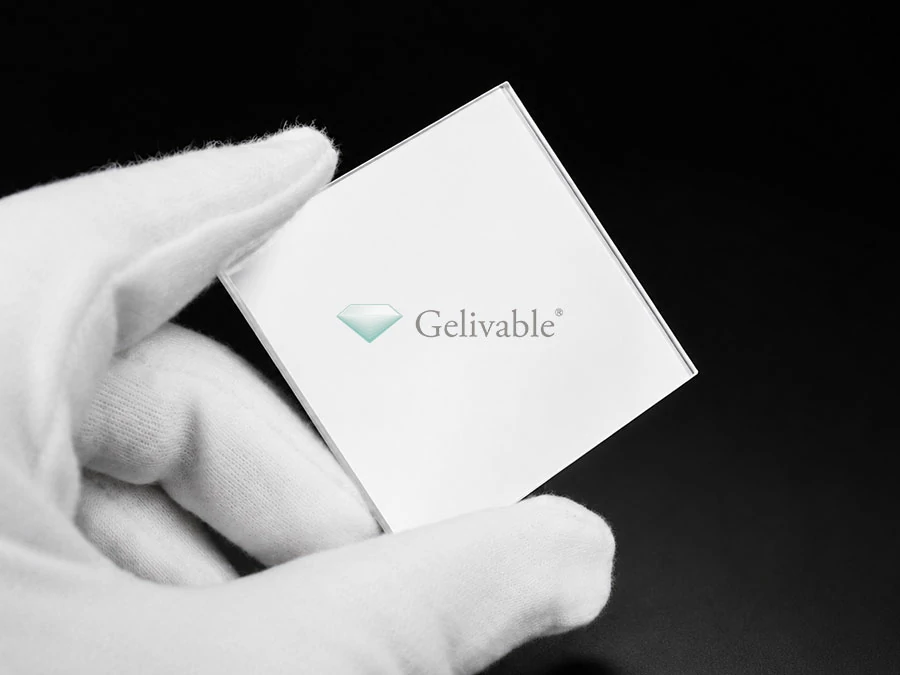
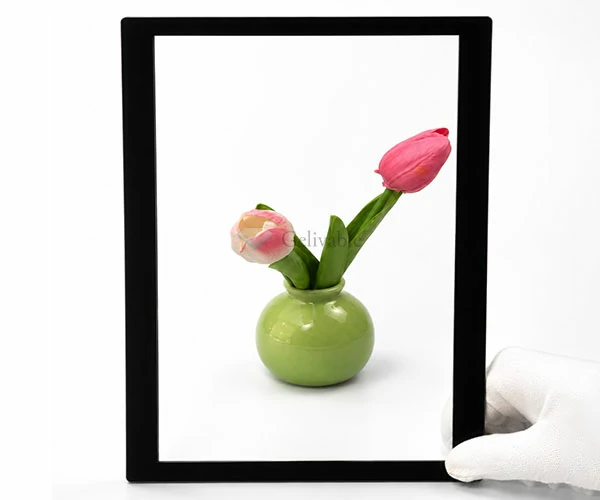
Custom mirror-coated glass with reflective surface

Reflective Mirror Surface

A mirror coating adds a controlled reflective effect to the glass surface. The required appearance should be defined according to the product design, viewing environment and intended function.

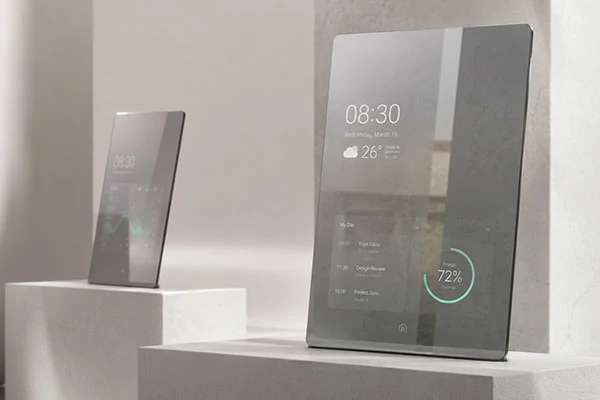
Mirror-Effect Display Integration

For semi-transparent mirror display designs, the coating can be specified so illuminated display content is visible through the glass while the inactive surface presents a reflective mirror appearance.

Project-Specific Optical Balance

Reflection and transmission requirements are linked: increasing one can affect the other. The target balance should therefore be confirmed together with display brightness, viewing conditions and the required mirror effect.

Integrated Custom Glass Processing

Mirror-coated glass can be developed together with custom dimensions, shapes, holes, cutouts, printed areas and assembly requirements according to the approved drawing and process compatibility.

Get a quote
Customization Capability

Custom Mirror-Coated Glass Options

Mirror Appearance & Optical Target

The required mirror appearance, reflectivity and light-transmission target should be defined according to whether the glass is used primarily as a reflective surface, a display cover or a semi-transparent mirror interface.

Custom Size, Shape & Openings

Glass can be processed according to customer drawings with custom outer profiles, holes, slots, notches and cutouts required for displays, sensors, buttons, connectors, mounting hardware and product housings.

Printing & Interface Graphics

Printed borders, logos, icons, masking areas and other functional or decorative graphics can be reviewed together with the mirror coating and visible display area.

Surface Treatment Options

Additional surface treatments such as anti-fingerprint treatment can be evaluated where required. Compatibility must be confirmed according to the mirror coating structure and the intended touch or cleaning conditions.

Display & Touch Integration

For mirror-effect display or touch projects, the glass thickness, coating properties, display brightness, touch sensor structure, controller settings and bonding stack should be evaluated as a complete system.

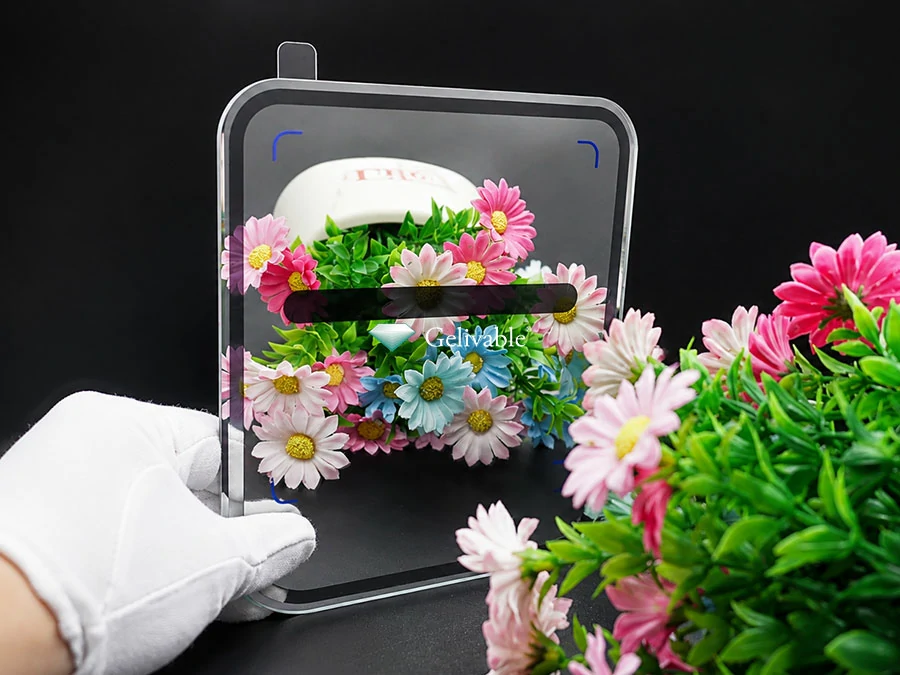
Mirror-coated glass for display and smart interface integration
Application Areas

Applications for Custom Mirror-Coated Glass

Mirror-coated glass is particularly useful where a reflective surface must be combined with an integrated display, touch interface or clean decorative front panel.

Mirror-coated glass for smart home and appliance displays

Smart Home & Appliance Displays

Mirror-effect glass can be integrated into smart refrigerators, coffee machines, kitchen appliances and home-control products where display information appears through a reflective front surface.

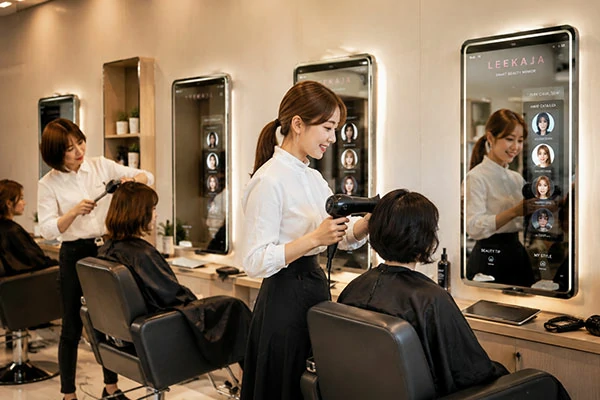
Mirror-coated glass for smart mirrors and vanity displays

Smart Mirrors & Vanity Displays

Semi-transparent mirror glass can combine a usable reflective surface with illuminated information, controls or display content for bathroom mirrors, vanity displays and other smart-mirror products.

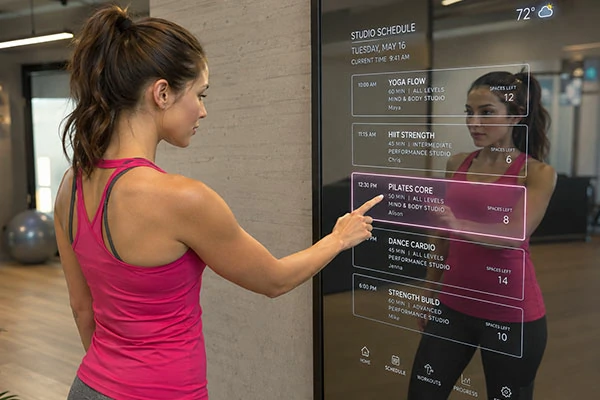
Mirror-coated glass for HMI and control panels

HMI & Control Panels

Mirror-effect cover glass can be used on selected HMI and control-panel designs where the interface should remain visually discreet when inactive and become visible when the display or indicators are powered on.

Mirror-coated glass for commercial displays and digital signage

Commercial Displays & Digital Signage

Mirror-coated cover glass can be considered for commercial display and digital-signage concepts that combine reflected surroundings with illuminated visual content behind the glass.

Glass Processing Capability

Processing Options for Custom Mirror-Coated Glass

Mirror-coated glass should be developed as a complete component rather than as coating alone. The coating specification, glass geometry, machining, printing, strengthening, surface treatment and bonding sequence are reviewed according to the final product structure.

Custom mirror coating process for glass

Custom Mirror Coating

Mirror coating creates a reflective optical surface on glass. For display-cover applications, the coating specification can be developed to balance mirror appearance with the light transmission required for illuminated content behind the glass.

Project Requirements to Confirm

  • Required mirror appearance
  • Target reflection and transmission balance
  • Display brightness and viewing environment
  • Coating area and visible display area
  • Additional printing or surface-treatment requirements

Display Integration

When mirror-coated glass is used over a display, optical performance should be validated with the actual display module because perceived brightness, reflection and color can depend on the complete optical stack.

Get a Quote
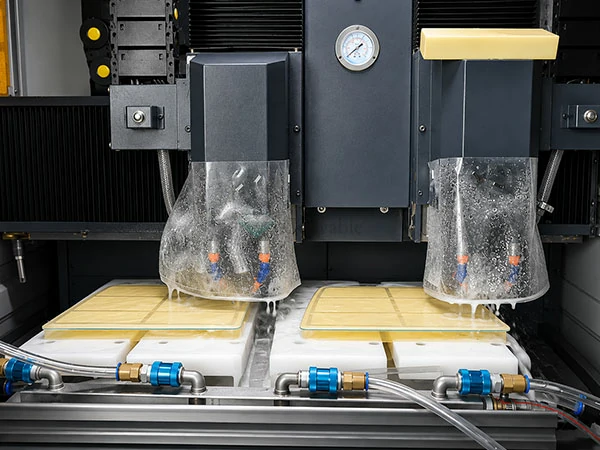
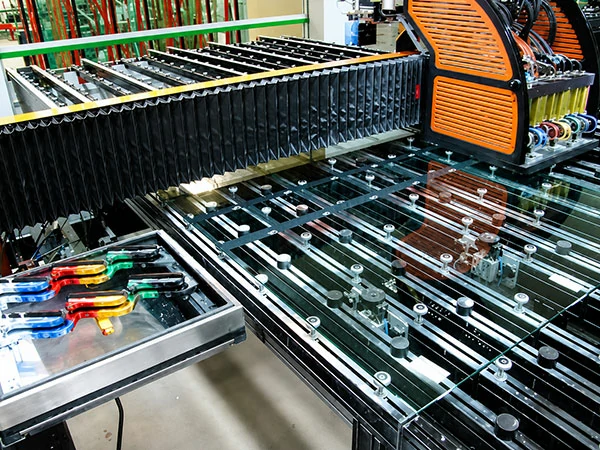
Mirror-coated glass CNC machining service

CNC Glass Machining

CNC machining supports custom profiles, holes, slots, internal cutouts and notches required by mirror-coated cover-glass and smart-interface designs.

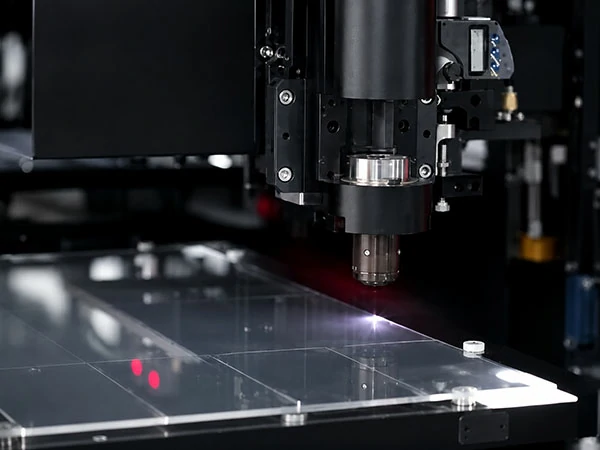
Laser processing for mirror-coated glass components

Laser Glass Processing

Laser processing can be evaluated for selected cutting, drilling, marking or detailed structural features where the glass material and geometry are suitable.

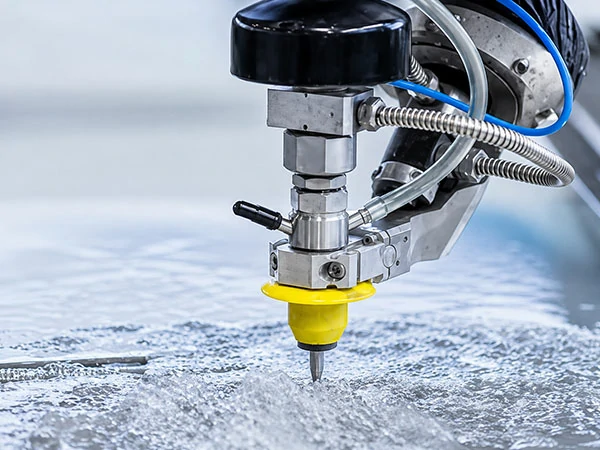
Water jet cutting for mirror-coated glass

Water Jet Cutting

Water jet cutting can be evaluated for selected custom profiles and larger structural openings as part of the overall fabrication plan.

Mirror-coated glass silk-screen printing service

Silk-screen Printing

Silk-screen printing can add borders, logos, icons, button graphics and masking areas according to the mirror-glass interface design.

Mirror-coated glass digital printing service

Digital Printing

Digital printing can support detailed customized graphics and patterns for selected mirror-coated glass applications.

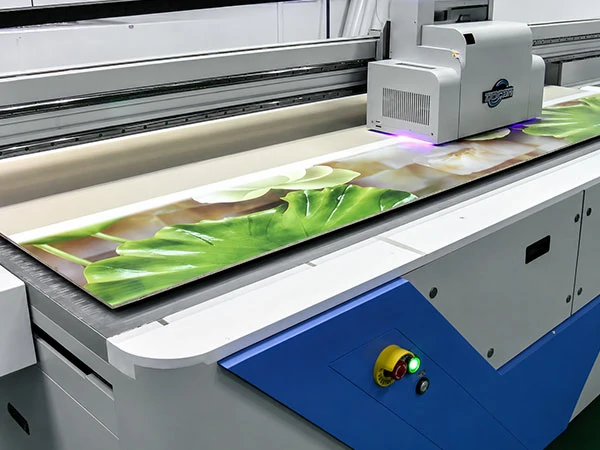
Mirror-coated glass UV printing service

UV Printing

UV printing can be evaluated for customized markings and decorative graphics according to the selected coating and finished-product requirements.

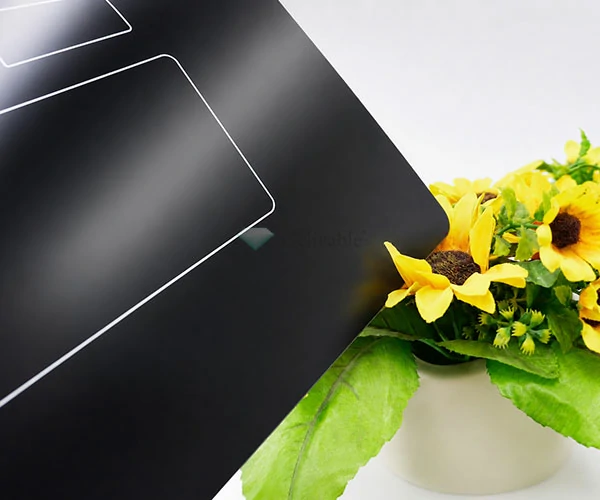
Anti-fingerprint surface treatment for mirror-coated glass

Anti-Fingerprint Surface Option

Mirror surfaces can make fingerprints and oily marks visually noticeable. An anti-fingerprint treatment can be evaluated for frequently touched mirror-glass interfaces where coating-stack compatibility is confirmed.

Where AF Treatment Can Help

  • Smart mirror touch interfaces
  • Appliance control panels
  • Frequently handled display covers
  • Mirror-effect HMI surfaces

Compatibility Review

The AF layer, mirror coating and any printing should be treated as one coating stack. The final process sequence and surface location should therefore be confirmed for the specific project.

Get a Quote
Strengthening for custom mirror-coated glass

Glass Strengthening

Where the project requires strengthened cover glass, the strengthening method and manufacturing sequence should be planned together with the glass material, thickness, machining and mirror-coating requirements.

Process Planning

Mechanical features such as holes, cutouts and custom profiles are normally coordinated before final strengthening and coating steps are confirmed. The exact sequence depends on the selected glass and coating system.

Project Review

  • Glass material and thickness
  • Finished geometry and openings
  • Strengthening requirement
  • Mirror coating specification
  • Final assembly environment
Get a Quote
Mirror-coated glass adhesive bonding support

Adhesive Bonding Support

Mirror-coated glass used in display and smart-interface assemblies may require bonding to touch sensors, display modules, frames or equipment housings.

Assembly Considerations

Adhesive construction should be reviewed together with the coating location, display window, printed areas, touch structure and mating surfaces of the finished product.

Application Range

  • Smart mirror display assemblies
  • Appliance display integration
  • Touch and HMI front panels
  • Commercial display cover assemblies
Get a Quote
Quick Quote

Submit A Quick Quote

Send us your drawing, glass size, thickness, quantity, application and required mirror effect. For display projects, please also include the display type or brightness target, visible display area and any printing, machining, strengthening, AF or bonding requirements.

Why Choose GelivableGlass

Mirror-Coated Glass from Drawing to Finished Component

Mirror-effect glass involves both optical appearance and mechanical integration. GelivableGlass can review the coating requirement together with the glass geometry, printing, strengthening, surface treatment and assembly structure.

Optical Requirement Review

Mirror appearance and display visibility can be reviewed together so the coating target matches the actual product use rather than relying on a generic mirror specification.

Integrated Glass Processing

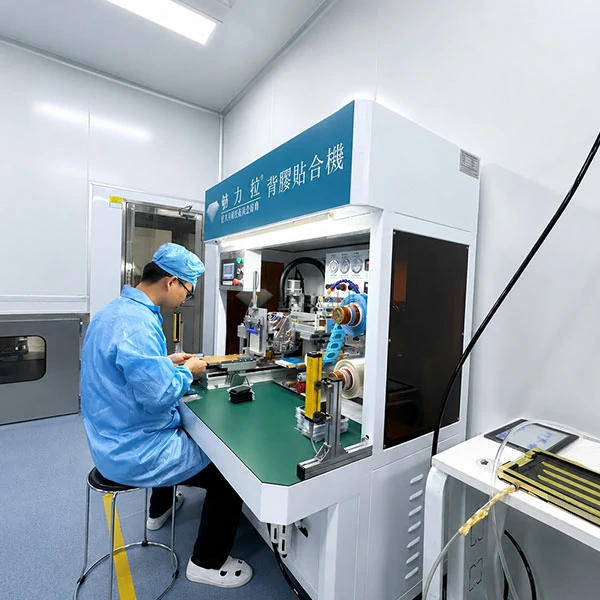
Custom machining, printing, strengthening, mirror coating, compatible surface treatment and adhesive bonding can be coordinated according to the finished component design.

Application-Based Validation

For display and touch applications, the finished optical and interface performance should be validated with the actual display, sensor and assembly stack.

Technical FAQ

Mirror-Coated Glass FAQ

What is mirror-coated glass?

Mirror-coated glass is glass with a reflective coating applied to create a mirror-like surface. Depending on the coating design, the glass may be used primarily for reflection or may retain controlled light transmission for display integration.

How does mirror-effect display glass work?

In a semi-transparent mirror design, part of the incident light is reflected while part is transmitted. This allows the front surface to appear reflective when the display is inactive while illuminated display content can remain visible through the glass when the display is operating.

Is mirror-coated glass the same as a conventional household mirror?

Not necessarily. A conventional mirror is designed mainly for reflection. Mirror-effect display glass may instead require a controlled balance between reflection and transmission so light from a display can pass through the glass. The correct coating target depends on the application.

Can reflectivity and light transmission be customized?

The optical target can be reviewed according to the required mirror appearance, display brightness and viewing environment. Final achievable values depend on the selected coating structure, glass substrate and project requirements and should be confirmed during technical evaluation.

Can mirror-coated glass be used with a touch screen?

Mirror-coated cover glass can be considered for touch-display applications, but compatibility should be verified with the complete touch system. Coating electrical properties, glass thickness, touch sensor structure, controller settings and bonding stack can all influence the finished interface.

Can mirror-coated glass include holes, cutouts and custom shapes?

Yes. The glass component can be designed with custom dimensions, outer profiles, holes, slots, notches and cutouts according to the customer drawing and manufacturing feasibility. The machining and coating sequence should be planned together.

Can anti-fingerprint treatment be added to mirror-coated glass?

An anti-fingerprint surface treatment can be evaluated for frequently touched mirror-glass interfaces. Compatibility and process sequence must be confirmed with the selected mirror coating and any printing layers.

Where is mirror-coated glass commonly used?

Common application areas include smart home and appliance displays, smart mirrors and vanity displays, HMI and control panels, display cover glass and selected commercial or digital-signage interfaces.

What information is needed for a mirror-coated glass quotation?

Please provide the glass dimensions, thickness, quantity, application and required mirror appearance. For display projects, information about the display area, display brightness or module, target optical effect, printing, machining, strengthening, AF treatment and bonding requirements will help with technical review.

Latest Insights

Latest Blog Articles

Read technical articles about mirror-coated glass, smart mirror displays, optical coatings, display cover glass and custom glass fabrication.

View All Blog
Technical Inquiry

Start Your Custom Mirror-Coated Glass Project

Send us your drawing and application requirements, including glass size, thickness, mirror appearance, display integration and any machining, printing, strengthening, surface-treatment or bonding needs. GelivableGlass can review the complete mirror-coated glass component for your project.

OPT Optical Review
CAD Custom Processing
OEM Project Production
Project Support

Need Custom Mirror-Coated Glass?

Contact our team to review the mirror effect, display visibility, glass processing and finished assembly requirements.