
A long-standing project that had run smoothly for over 10 years suddenly encountered an unexpected issue.
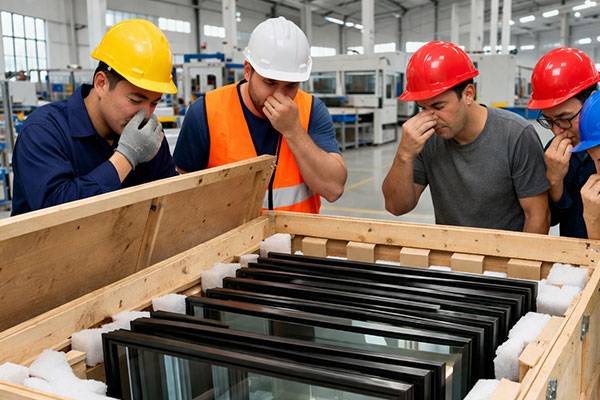
A few days ago, we received urgent feedback from our UK client: their production line had been halted. The issue was not related to equipment failure, but to operator discomfort. Workers experienced dizziness and nausea immediately after opening the glass cover plates supplied by us, which were pre-applied with 3M double-sided tape. Production had to be stopped immediately.
The client was understandably confused:
“We have been using this tape for over 10 years—why has it suddenly become a problem?”
Immediate Response
Upon receiving the notification, Gelivable promptly coordinated with 3M technical experts and the distributor. A three-party emergency meeting was held overnight to conduct a comprehensive investigation, covering:
- Tape batch traceability
- Inspection reports and certifications
- Production and packaging processes
- End-use conditions
Our priority was to quickly identify the root cause and help the client resume production as soon as possible.
Is the Tape the Problem?
After thorough verification, it was confirmed that:
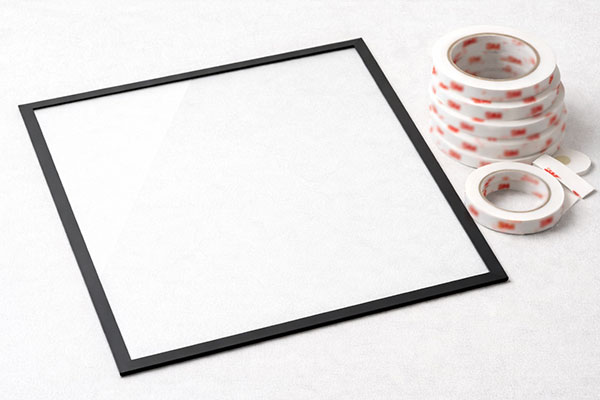
- The tape in question is 3M 4905P VHB double-sided tape
- Production batch: August 11, 2025
- All factory inspections were passed
- Certifications are complete and compliant
- Adhesion performance and structural reliability fully meet specifications
Conclusion: There is no quality issue with the tape itself.
Root Cause Analysis
So why did an issue never seen in 10 years suddenly occur?
The root cause was identified as a combined effect of product characteristics, packaging method, and usage conditions:
1. The Tape Is Not a Low-Odor Type
3M 4905P is a standard acrylic-based VHB tape and not designed as a low-odor / low-VOC product.
- Acrylic materials inherently have a characteristic odor
- 3M’s low-odor products belong to the LVO series, which are clearly labeled as such
- These two categories serve different applications and should not be confused
(Comparable to the difference between conventional fuel vehicles and electric vehicles—one cannot expect zero emissions from a standard product.)
2. Vacuum Sealing + Long-Term Storage Amplified the Odor
The packaging and storage process significantly intensified the odor:
- Tape applied to glass cover plates
- Double protective films applied
- 5 pieces sealed in bags (secondary sealing)
- Packed into wooden crates
- Stored in a vacuum-sealed environment for 4 months (from October to February)
This prolonged sealed condition prevented the natural dissipation of the tape’s inherent odor.
When opened, the accumulated odor was released instantly in a concentrated form, leading to operator discomfort.
Immediate Corrective Action
Once the cause was identified, a simple and effective temporary solution was implemented:
Ventilation – the key measure
- Open packages in a well-ventilated area
- Allow materials to air out for approximately 1 hour before use
According to the 3M Material Safety Data Sheet (MSDS):
- No respiratory protection is required
- The odor does not affect bonding performance or structural reliability
Following this measure, the client’s production line was able to resume operation immediately.
Long-Term Preventive Measures
To prevent recurrence, optimization actions were defined across all stages:
Distributor
- After die-cutting, avoid immediate sealing
- Allow 20–30 minutes of ventilation before packaging
- Use activated carbon for odor absorption where applicable
Gelivable (Production)
- Open tape packaging 5–10 minutes in advance of production
- Ensure sufficient ventilation before lamination
Client (End Use)
- Avoid “open-and-use immediately” practices
- Align unpacking with production schedule
- Allow adequate airing time before handling
Clarification on “Low Odor” Claims
The client raised a valid question:
“Isn’t VHB advertised as low odor?”
Clarification:
- The 3M 4905P datasheet does not indicate low odor
- Only specific models in the LVO series (e.g., LVO-110BF) are explicitly labeled as low-odor adhesives
- The confusion likely arose from referencing a different product model
Conclusion
In essence:
The tape remains unchanged — but packaging conditions and usage practices evolved.
This incident was not a quality issue, but a mismatch between product characteristics and application conditions.
At Gelivable, we take full responsibility for problem-solving:
- No deflection or blame-shifting
- Immediate coordination with 3M and partners
- Rapid root cause identification
- Practical and effective solutions delivered
As we believe:
Problems are not the real risk—lack of ownership is.