
Main Content
In custom display cover glass projects, material selection directly affects protection performance, display clarity, touch feel, appearance consistency and assembly reliability. Different glass materials vary in mechanical strength, surface scratch resistance, optical performance, processing difficulty, available thickness range and cost. Therefore, material selection should not be judged simply by whether a material is “good” or “bad”.
A more practical approach is to evaluate the material based on product structure, use environment, surface treatment requirements and budget. For high-requirement display projects, cover glass should not only provide basic protection, but also support long-term stability, edge reliability, hole processing, surface treatment compatibility and batch consistency.
It is also important to note that Corning Gorilla Glass, AGC Glass, Panda Glass, Aluminosilicate Glass, Soda Lime Glass and Sapphire Glass do not belong to the same classification level. Gorilla Glass, AGC Glass and Panda Glass are more related to specific material brands or supply systems. Aluminosilicate Glass and Soda Lime Glass are glass material categories. Sapphire Glass is a high-hardness transparent material used as cover glass in certain demanding applications.
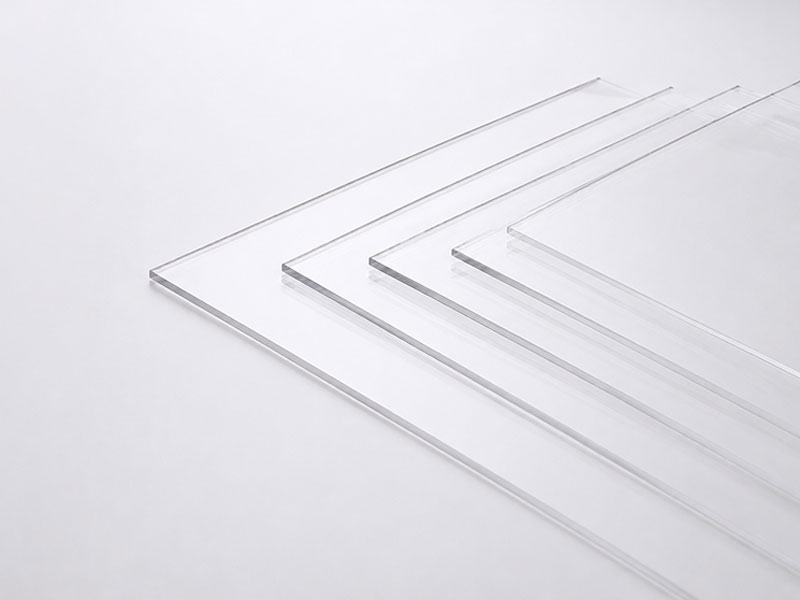
1. Corning Gorilla Glass: Suitable for High-Strength and Thin Cover Glass Designs
Corning Gorilla Glass is one of the common material choices for high-requirement display cover glass projects. It is suitable for applications that require higher strength, scratch resistance, thinner design and long-term stability.
Its advantages are mainly reflected in damage resistance, surface durability and adaptability to thin cover glass designs. When a product requires frequent touch operation, long-term use or reliable protection at a relatively thin thickness, Gorilla Glass is a material worth evaluating.
In practical applications, Gorilla Glass is often used for industrial control screens, HMI interfaces, touch display modules, inspection instrument windows, medical device displays, outdoor control panels and commercial display terminals.
However, Gorilla Glass is not the only choice for every display cover glass project. If the project is cost-sensitive, the use environment is relatively mild, or the strength requirement is not high, other cover glass materials can also be selected according to actual needs.
2. AGC Glass: Balancing Surface Quality, Optical Performance and Processing Stability
AGC Glass is another common material option for display cover glass projects. It can be used in applications that require reliable surface quality, optical performance, processing stability and long-term usability.
Compared with basic soda lime glass, AGC Glass is generally more suitable for products that require better appearance consistency, touch experience and long-term performance. In actual projects, it can be evaluated as an alternative material option to Gorilla Glass.
Whether AGC Glass is suitable depends on product size, thickness, tolerance requirements, processing complexity, surface treatment method and cost target. For industrial control screens, HMI interfaces, inspection instrument windows, touch display modules, smart home control panels, medical device displays and commercial display terminals, AGC Glass can be considered as one of the available display cover glass materials.
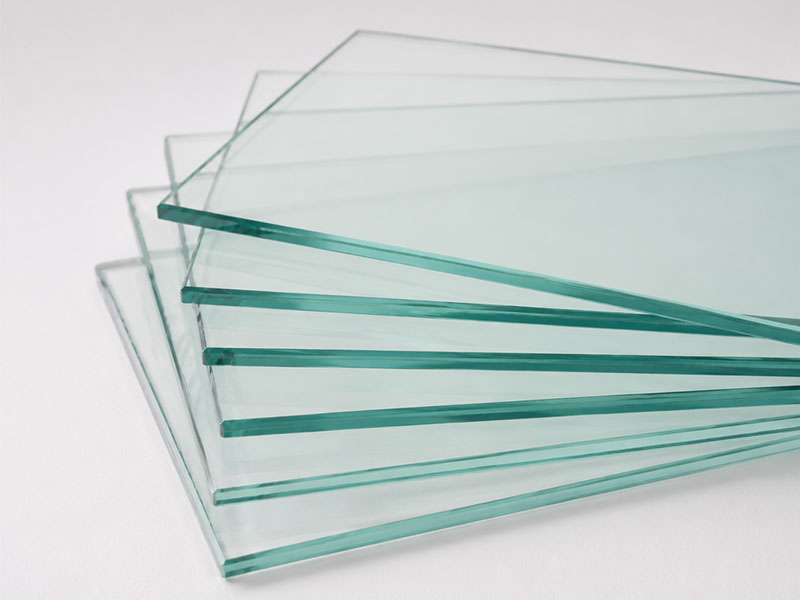
3. Panda Glass: Suitable for Projects Balancing Performance and Cost
Panda Glass can also be used as a material option for custom display cover glass. It is generally suitable for projects that need a balance between performance, supply stability and cost.
For some mid- to high-requirement display cover glass applications, Panda Glass can be evaluated as an alternative material. Whether it is suitable for a specific project depends on cover glass size, thickness, strengthening requirements, processing method and use environment.
For projects that require certain strength while keeping material cost under control, Panda Glass may provide practical value. However, when selecting this material, it is still necessary to pay attention to downstream processing quality, such as edge finishing, hole processing, tolerance control and surface treatment compatibility. The final reliability of cover glass depends not only on the material itself, but also on processing quality.
4. Aluminosilicate Glass: A Common High-Performance Cover Glass Substrate
Aluminosilicate Glass is a common high-performance substrate used in display cover glass. Compared with soda lime glass, aluminosilicate glass usually provides better strengthening suitability, mechanical strength and surface durability. It is therefore often used in cover glass projects that require thinner design and higher reliability.
It should be distinguished that Aluminosilicate Glass is a material category, while Corning Gorilla Glass, AGC Glass and Panda Glass can be understood as more specific material brands or supply options. For projects without a specified branded material, a suitable grade of aluminosilicate glass can be selected based on product structure, application requirements and budget.
Aluminosilicate glass is suitable for touch display modules, industrial control screens, instrument windows, HMI panels, medical device displays and other applications that require higher strength and better surface performance.
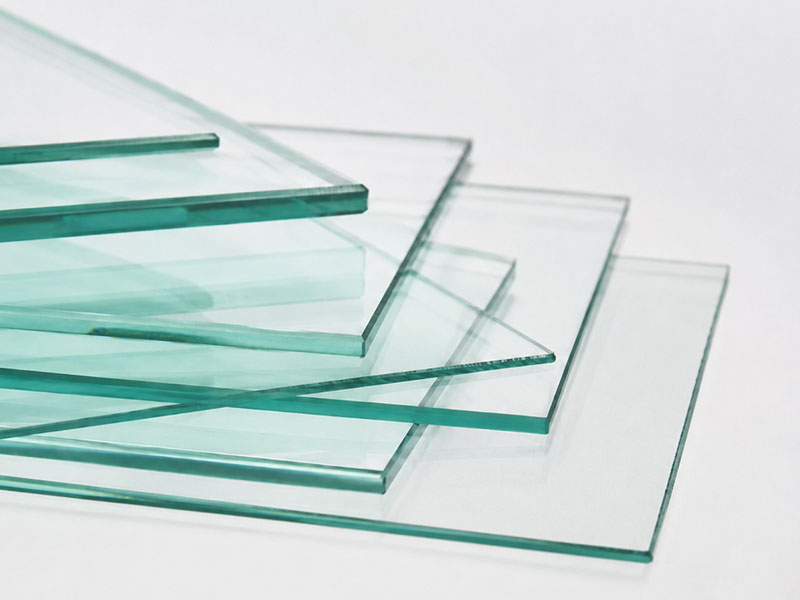
5. Soda Lime Glass: Suitable for Cost-Sensitive and Basic Protection Applications
Soda Lime Glass is one of the most common basic cover glass materials. Its main advantages are mature supply, stable processing and relatively controllable cost. It is suitable for regular display cover glass projects that do not require high strength, high scratch resistance or thin design.
For indoor use, basic protection, standard display windows or cost-sensitive projects, Soda Lime Glass can be an economical solution.
However, if the product requires frequent touch operation, better damage resistance, a thinner structure or stronger long-term surface performance, higher-performance materials such as Corning Gorilla Glass, AGC Glass, Panda Glass or Aluminosilicate Glass should usually be further evaluated.
6. Sapphire Glass: Suitable for Special Applications Requiring High Wear Resistance
Sapphire Glass is not a traditional silicate glass from a material science perspective. It is a transparent single-crystal aluminum oxide material. In industry applications, it is often evaluated as a high-hardness transparent cover material.
Its main advantage is very high surface hardness and excellent scratch resistance. It is suitable for special applications that require extremely high surface wear resistance, such as high-end windows, precision instrument windows and special protective windows.
However, Sapphire Glass also has limitations, including higher cost, greater processing difficulty and more restrictions in size and structural design. Therefore, it is not a universal solution for all display cover glass projects. It is more suitable for specific high-requirement applications that need separate evaluation.
7. Influence of Surface Treatment on Optical and Touch Performance
In display cover glass design, the material determines the basic performance of the cover glass, while surface treatment further affects display quality, touch feel, cleaning experience and environmental adaptability.
Common surface treatments include AG anti-glare, AR anti-reflective and AF anti-fingerprint treatments. AG treatment helps reduce glare under strong light. AR treatment reduces surface reflection and improves screen readability and display clarity. AF treatment improves touch feel and helps reduce fingerprint and stain adhesion.
Different surface treatments can be applied to different glass materials, but the final solution should be selected based on display brightness, use environment, touch frequency, cleaning method, appearance requirements and cost target.
In addition to surface treatment, processes such as shape cutting, CNC drilling, edge grinding, chamfering, special-shaped processing and silk-screen printing also affect assembly performance and long-term reliability. For cover glass with holes, special shapes or narrow-frame designs, edge quality, hole accuracy and stress control are especially important.
8. How to Select the Right Display Cover Glass Material?
From an engineering perspective, display cover glass material selection should not be determined by a single performance parameter. It should consider material, thickness, size, tolerance, edge treatment, hole structure, printing area, surface treatment, batch consistency and cost target.
If the project emphasizes high strength, scratch resistance, thin design and long-term stability, Corning Gorilla Glass, AGC Glass, Panda Glass or high-performance Aluminosilicate Glass can be evaluated first.
If the project focuses more on cost control and basic protection, Soda Lime Glass may be more suitable.
If the product requires extremely high surface wear resistance, Sapphire Glass can be further evaluated.
If the project needs better readability under strong light, AG anti-glare or AR anti-reflective treatment can be added to a suitable glass substrate. If the product requires frequent touch operation and cleaning, AF anti-fingerprint treatment can be considered.
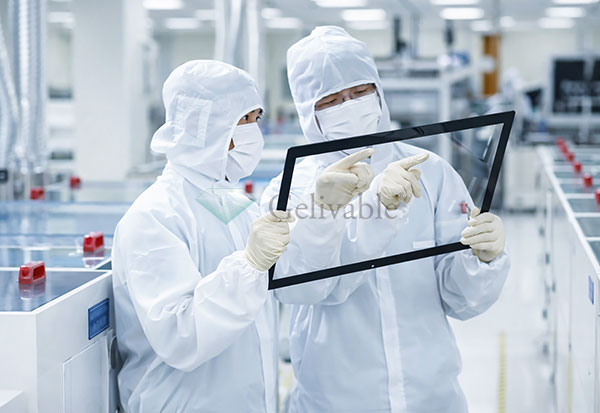
9. How Gelivable Supports Cover Glass Material Selection
Gelivable provides a variety of custom cover glass solutions, including Corning Gorilla Glass, AGC Glass, Panda Glass, Aluminosilicate Glass, Soda Lime Glass and Sapphire Glass material options.
For display cover glass projects, Gelivable can help evaluate material selection, thickness design, processing methods and surface treatment options based on customers’ drawings, samples and application requirements. For projects requiring cutting, CNC drilling, edge grinding, chamfering, special-shaped processing, silk-screen printing, AG anti-glare, AR anti-reflective or AF anti-fingerprint treatment, Gelivable can also provide customization suggestions based on product structure and use environment.
A reasonable material selection can improve product reliability, help control cost, optimize assembly performance and achieve more stable long-term use.
FAQ
What are the common materials for display cover glass?
Common display cover glass materials include Corning Gorilla Glass, AGC Glass, Panda Glass, Aluminosilicate Glass, Soda Lime Glass and Sapphire Glass. Different materials vary in strength, scratch resistance, optical performance, processing difficulty and cost.
Is Gorilla Glass suitable for all display cover glass projects?
Not always. Gorilla Glass is suitable for projects that require higher strength, scratch resistance, thinner design and long-term stability. If the project is more cost-sensitive or used in a relatively mild environment, Soda Lime Glass, Panda Glass or other glass material options can also be evaluated.
What is the difference between Aluminosilicate Glass and Gorilla Glass?
Aluminosilicate Glass is a material category, while Gorilla Glass is one specific high-performance cover glass material option. In simple terms, aluminosilicate glass refers to the material type, while Gorilla Glass is closer to a specific branded material or supply system.
Is Sapphire Glass suitable for regular display cover glass?
Generally, Sapphire Glass is not used as a universal option for regular display cover glass. It has high surface hardness and excellent scratch resistance, but it is more expensive and more difficult to process. It is more suitable for projects with special surface wear resistance requirements.
How should a suitable display cover glass material be selected?
Material selection should consider the use environment, strength requirement, scratch resistance requirement, thickness limitation, dimensional tolerance, hole structure, surface treatment, display performance, cost target and production volume. For uncertain projects, it is recommended to evaluate the material based on drawings and application scenarios first.