
In display products, cover glass may seem like just an outer protective layer, but it has a direct impact on user experience, appearance, and long-term stability. For projects that require frequent touch operation, long-term exposed use, clear display performance, or better surface durability, the choice of cover glass can greatly affect the final quality of the product.
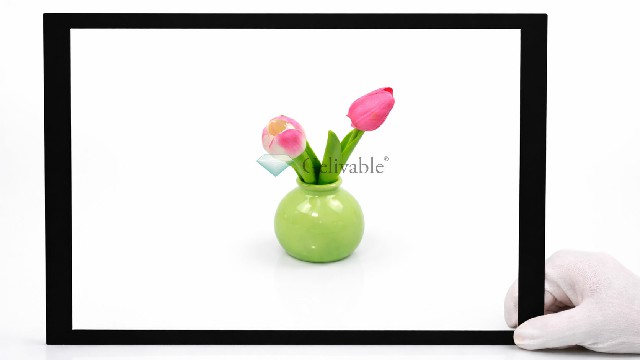
Gorilla Glass is often used for high-performance display cover glass because it offers a strong balance of strength, scratch resistance, and thin design possibilities. Compared with ordinary cover glass, Gorilla Glass is strengthened to provide better resistance against surface damage. When the glass is exposed to pressing, friction, or minor impact during daily use, its strengthened structure helps reduce the risk of crack propagation and keeps the cover glass more stable over time.
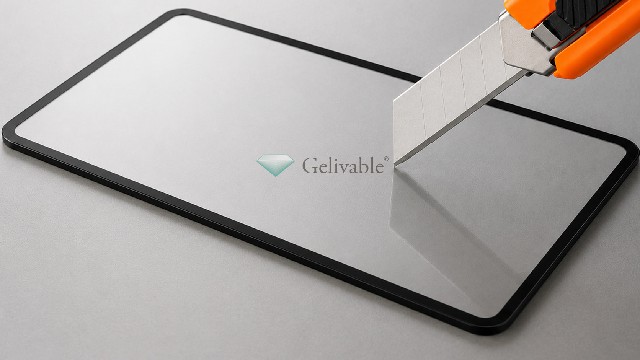
Scratch resistance is also important for display cover glass. The screen surface often comes into contact with fingers, tools, dust, and cleaning materials. If the glass surface is easily scratched, it can affect display clarity and make the product look worn after a period of use. When used as cover glass, Gorilla Glass helps the product maintain a cleaner, clearer, and more complete surface for longer.
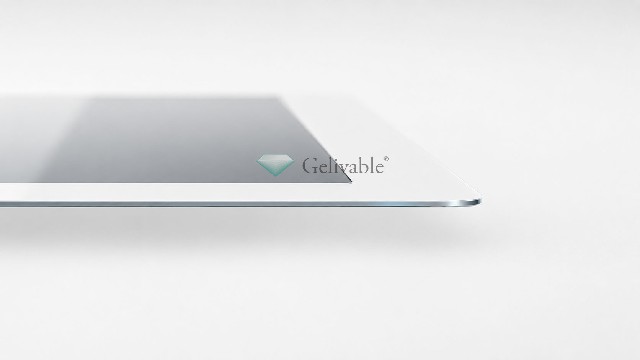
Another important advantage is that Gorilla Glass is suitable for thinner and lighter product designs. Many display products need reliable protection, but the cover glass cannot be too thick or too heavy, as this may affect the structure, frame design, and overall appearance. Gorilla Glass can provide good mechanical performance in relatively thin specifications, making it a suitable choice for display projects that require a balance of thickness, weight, protection, and visual consistency.
Of course, high-quality cover glass depends not only on the material itself, but also on whether the processing and surface treatment match the actual application. For displays used in strong light environments, AG anti-glare or AR anti-reflective treatment can be considered to reduce glare and surface reflection. For products that require frequent touch operation, AF anti-fingerprint treatment can improve the touch feel and make the surface easier to clean. In addition, shape cutting, CNC drilling, edge grinding, chamfering, and silk-screen printing can all affect assembly performance and appearance details.

In terms of applications, Gorilla Glass cover glass is suitable for industrial control screens, HMI interfaces, inspection instrument windows, touch display modules, smart home control panels, medical device displays, outdoor control panels, commercial display terminals, and other products. It is especially suitable when a project has higher requirements for scratch resistance, impact resistance, display clarity, thin design, or long-term stability.
However, Gorilla Glass is not the only choice for every display cover glass project. Different products have different requirements for cost, thickness, size, operating environment, surface treatment, and production volume. The right solution should be selected according to the product structure and application scenario, rather than simply based on the material name.
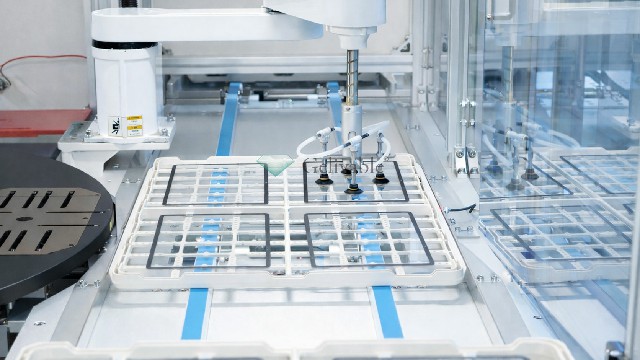
Gelivable provides a variety of custom cover glass solutions, including customization with Gorilla Glass materials. Based on customers’ drawings, samples, and application requirements, Gelivable can help select suitable glass materials, processing methods, and surface treatment options. Whether for small-batch prototyping or later mass production, Gelivable can help customers obtain display cover glass solutions that better match their product needs.